When you were a kid, you probably had a favorite character from a classic novel or a historical era that lived rent-free in your imagination. Consequently, as a digital creator today, it is incredibly tempting to pull those icons into your own creative work—especially when exploring the legal freedom of the public domain.
However, this creative freedom comes with a massive hurdle: How do you reinvent a legendary character without completely destroying what made them iconic in the first place? If you change too much, you risk alienating your audience; conversely, if you change too little, you are simply repeating history.
In this post, I am going to take you behind the scenes of my upcoming graphic novel, Legends of the West, to share my exact framework on how to reimagine classic characters for a modern audience while keeping their souls intact.
1. Identify the "Core DNA."
First and foremost, the golden rule of this process is knowing what cannot change. Before you tweak a character's outfit, age, or setting, you must pinpoint their emotional and psychological core.
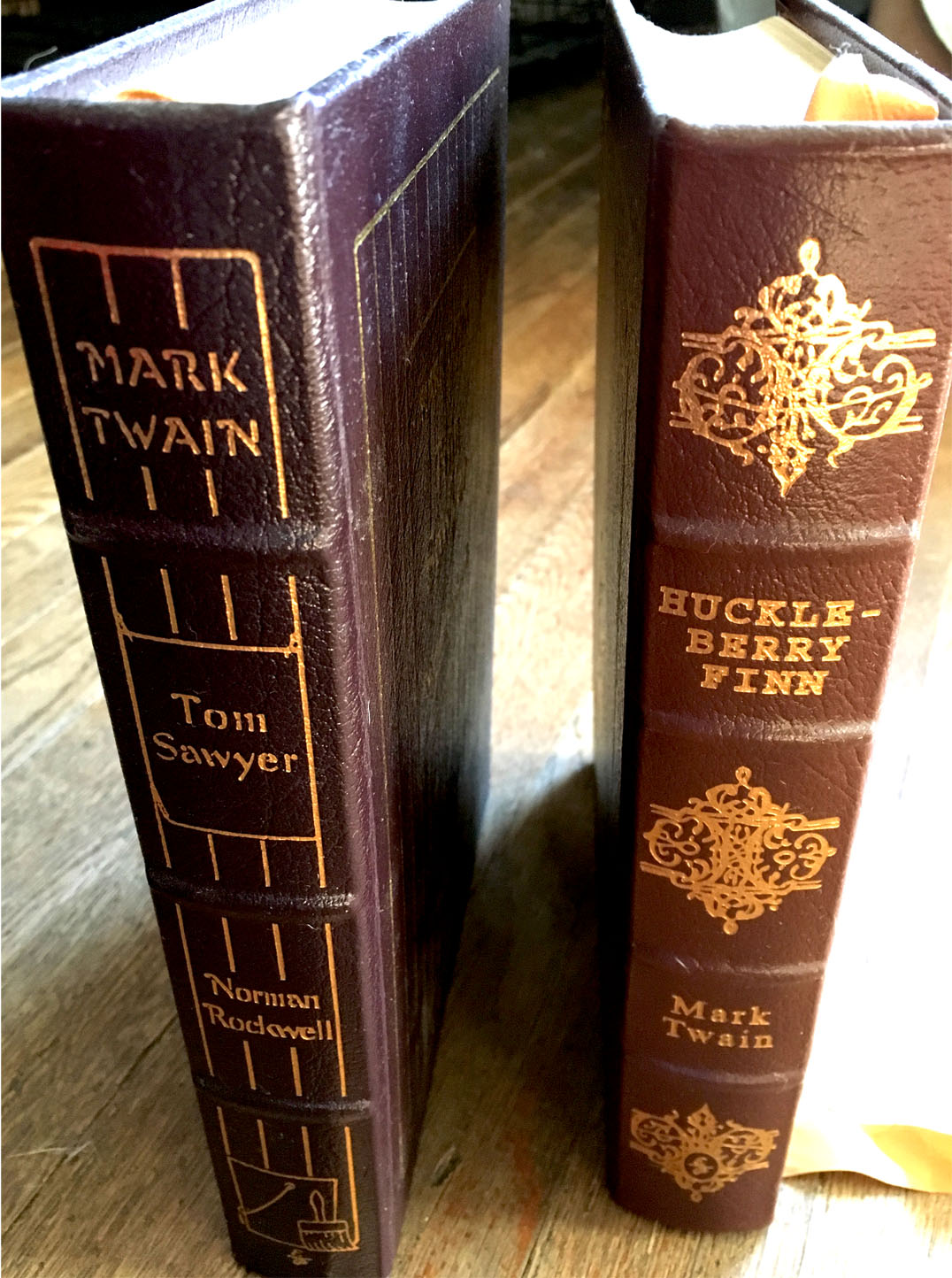
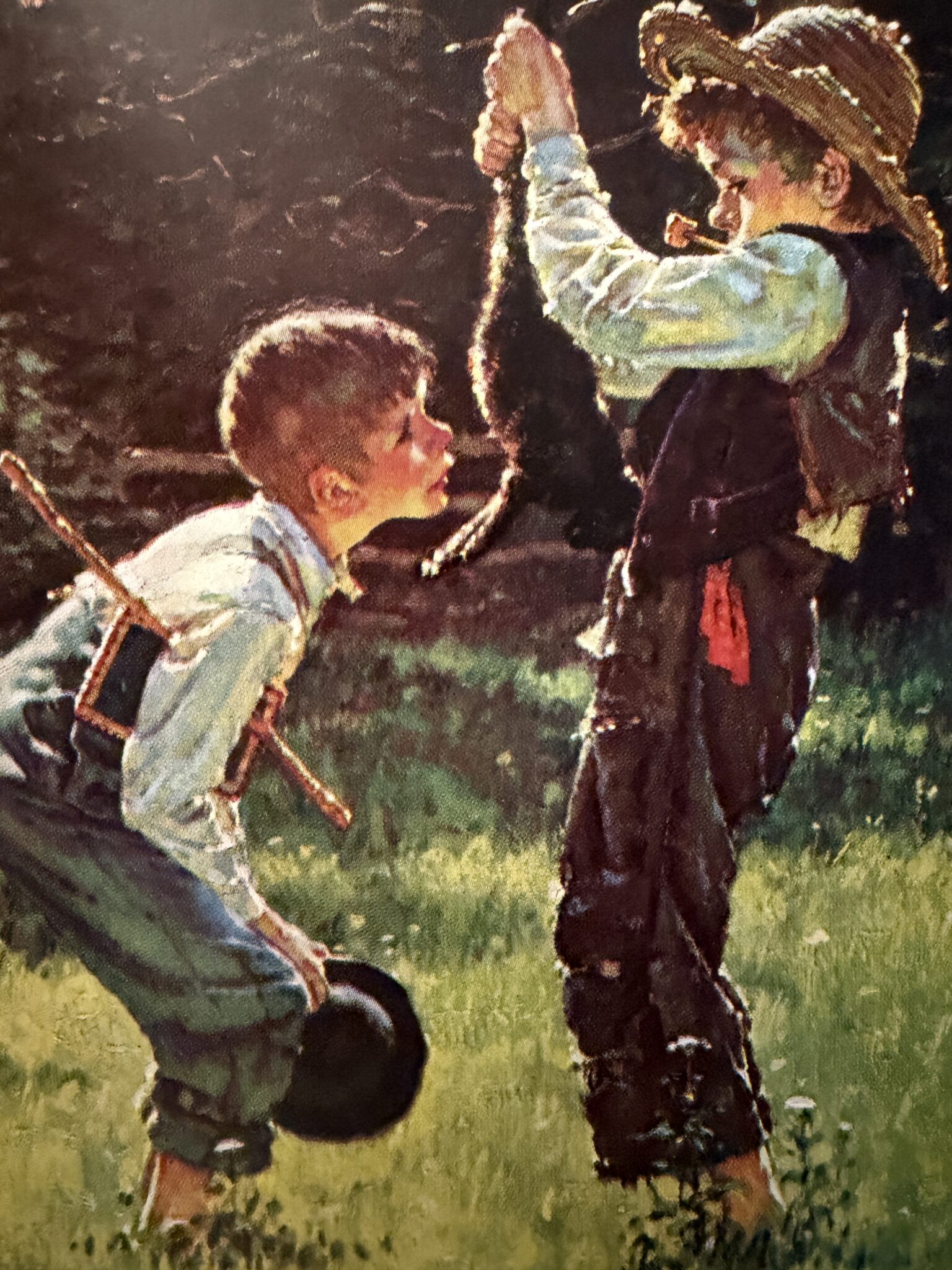
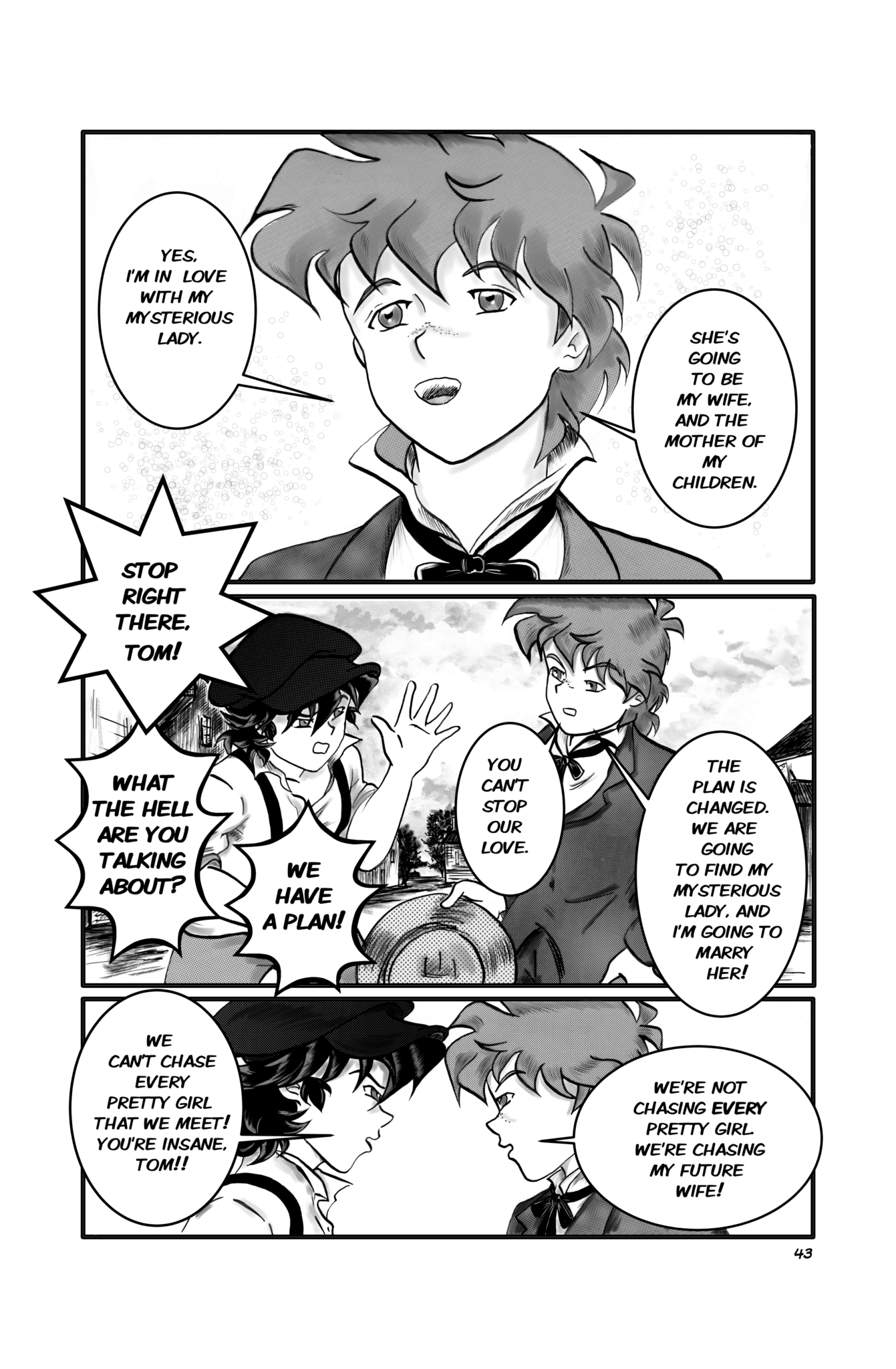
For instance, consider Tom Sawyer. His core DNA is his theatricality and intense desire to be the center of attention. Whether he is ten years old or sixteen, Tom desperately needs to be the hero of a grand story. Therefore, in Legends of the West, he isn’t heading out to the 1849 California Gold Rush to get rich. Instead, he is doing it purely for the glory, fully intending to come home celebrated as a historical legend.
On the other hand, Huckleberry Finn’s DNA is pure survival. He is rough, down-to-earth, and intensely rational because he had to be. If you strip away these baseline traits, you don't actually have Tom and Huck anymore; rather, you just have random characters wearing famous names.
Creative Exercise: To master how to reimagine classic characters, try listing three personality traits your figure must keep to remain recognizable. Protect those three at all costs.
2. Honor the Trauma (The "Grown-Up" Reality)
In traditional children’s literature, dark consequences are frequently softened to keep the story lighthearted. Nevertheless, if you are transitioning classic icons into a grittier, more mature comic world, you absolutely must lean into the true weight of their past.
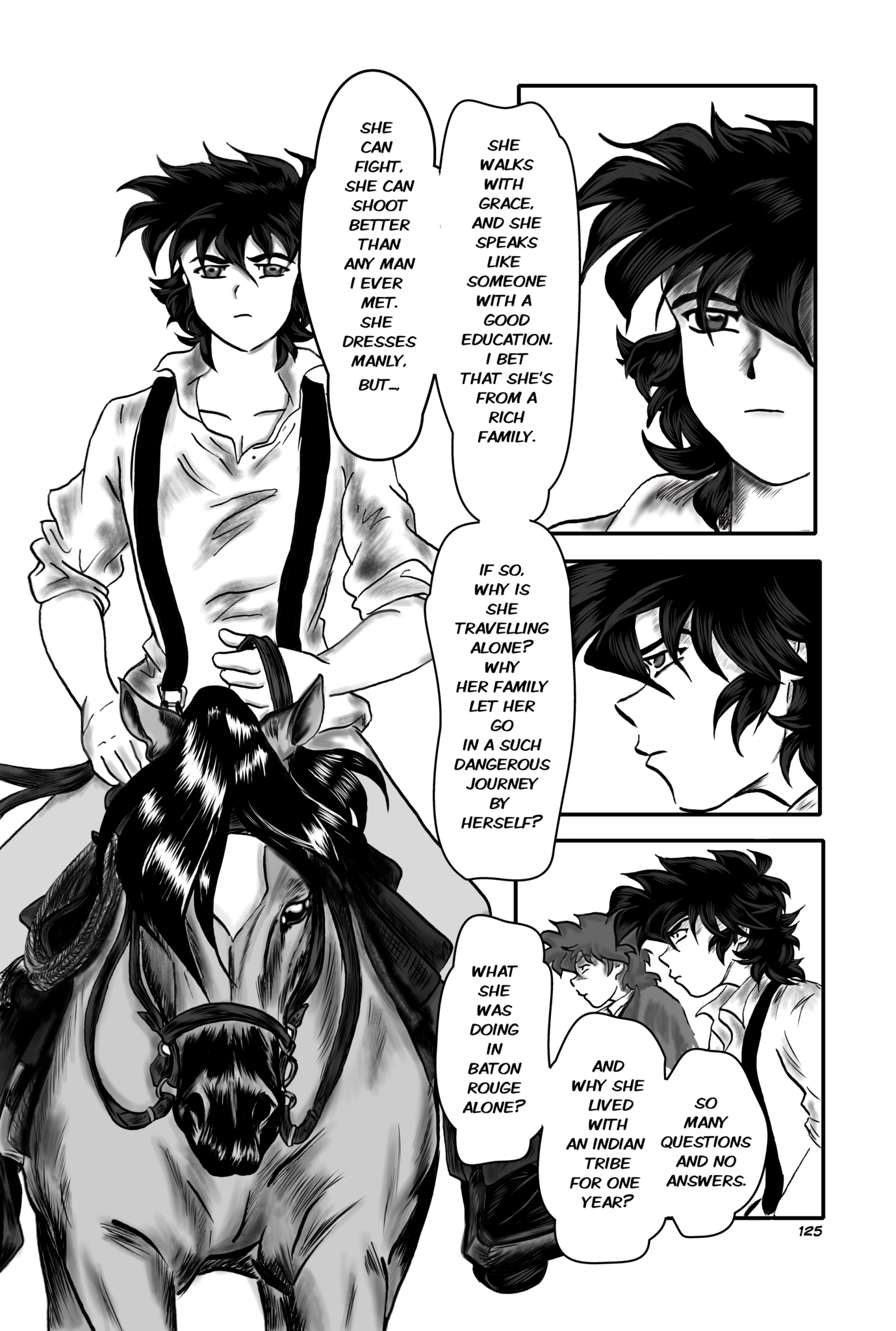
Take Huck Finn, for example. In Mark Twain’s masterpiece, there is a genuinely terrifying sequence where Huck’s abusive, alcoholic father locks him in an isolated cabin and tries to kill him with a knife during a violent hallucination. Ultimately, Huck survives the night only by sitting in the dark with a leveled rifle, ready to shoot his old man in self-defense.
Instead of glossing over this dark event, Legends of the West treats it as a defining, life-shaping trauma. Consequently, it perfectly explains why Huck grows up so fast, becoming a fiercely independent and guarded young man. When learning how to reimagine classic characters, always ask yourself: How would these childhood events actually scar this person in a realistic setting?
3. Study the Masterclasses: The "Versailles" Method
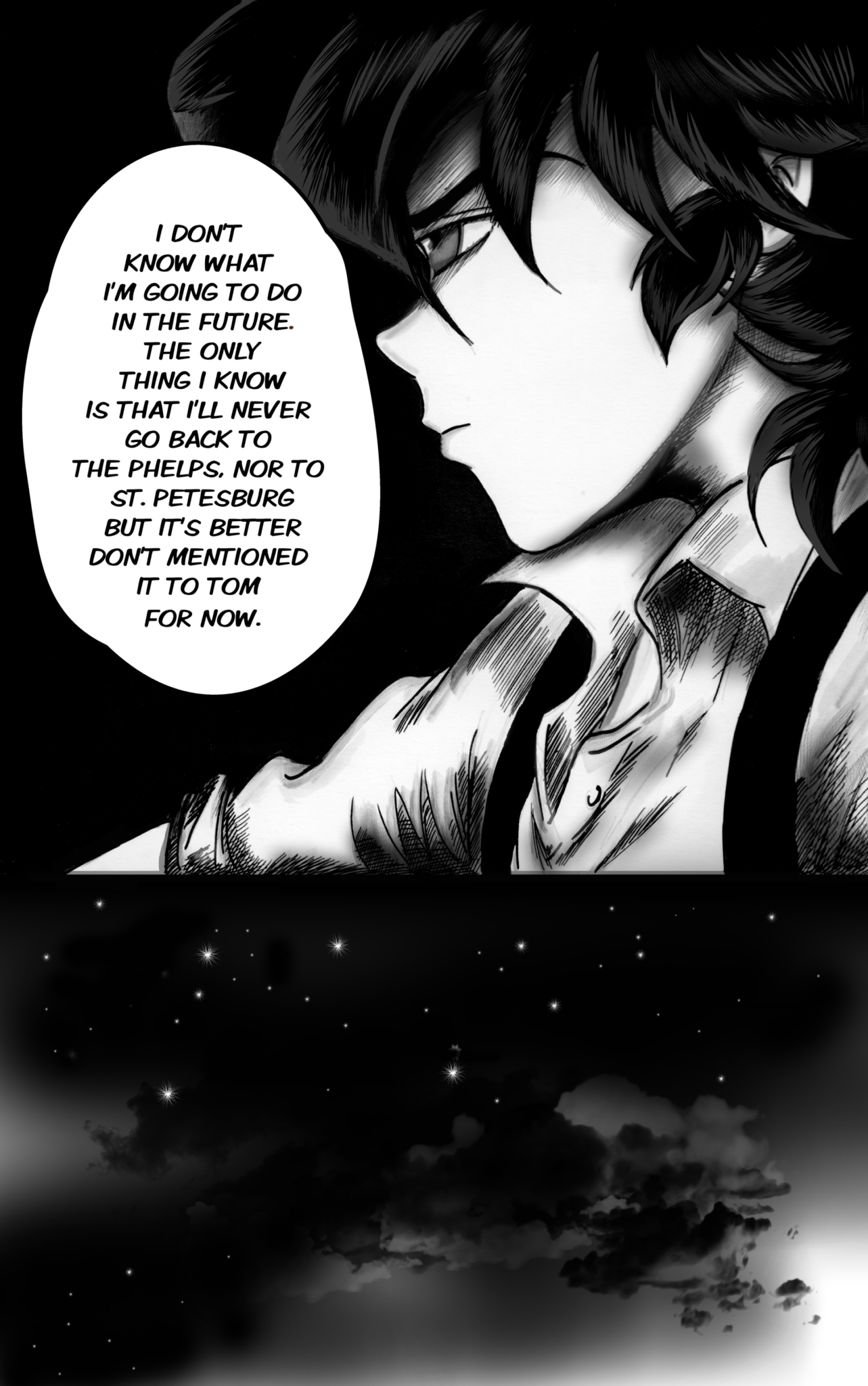
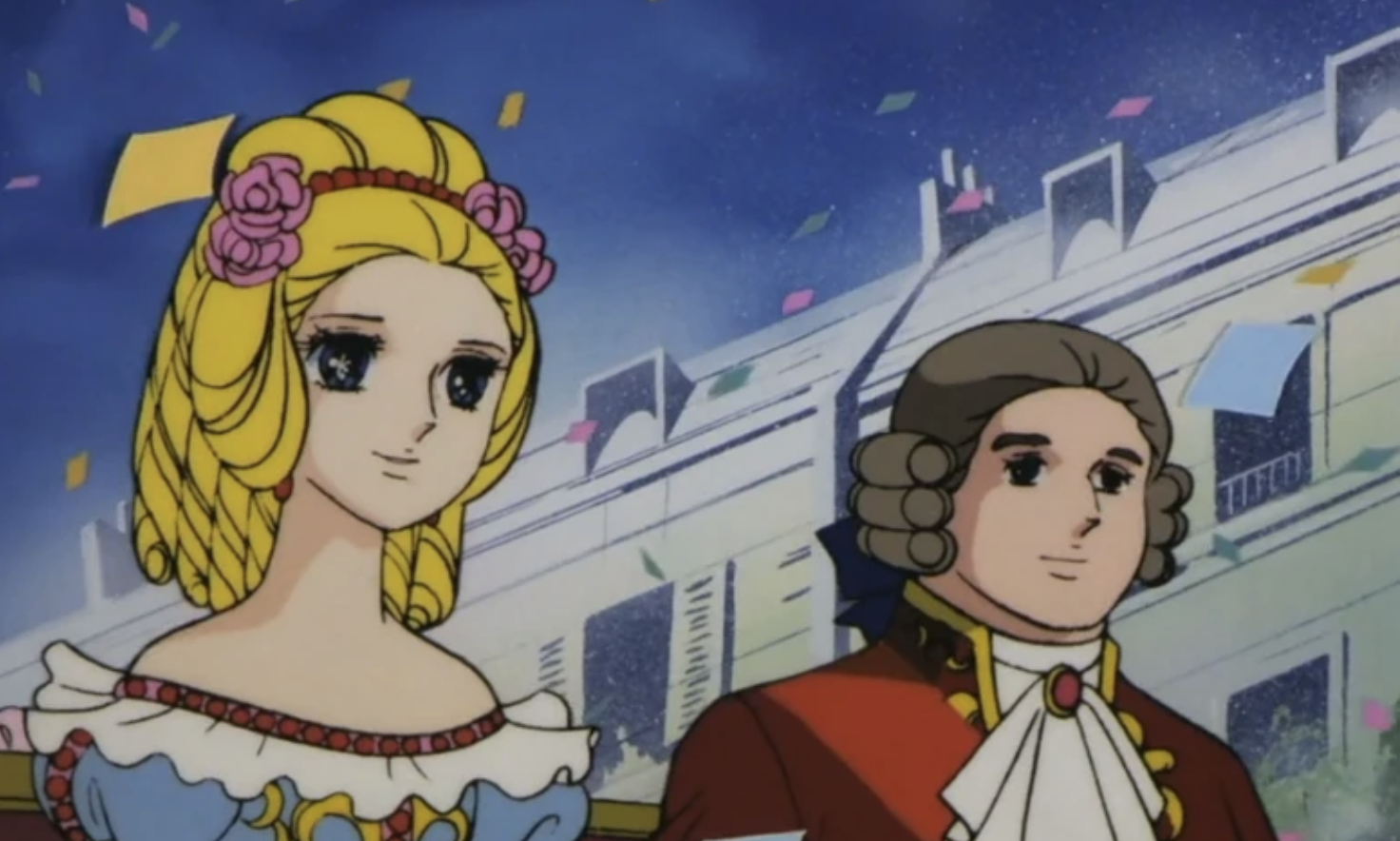
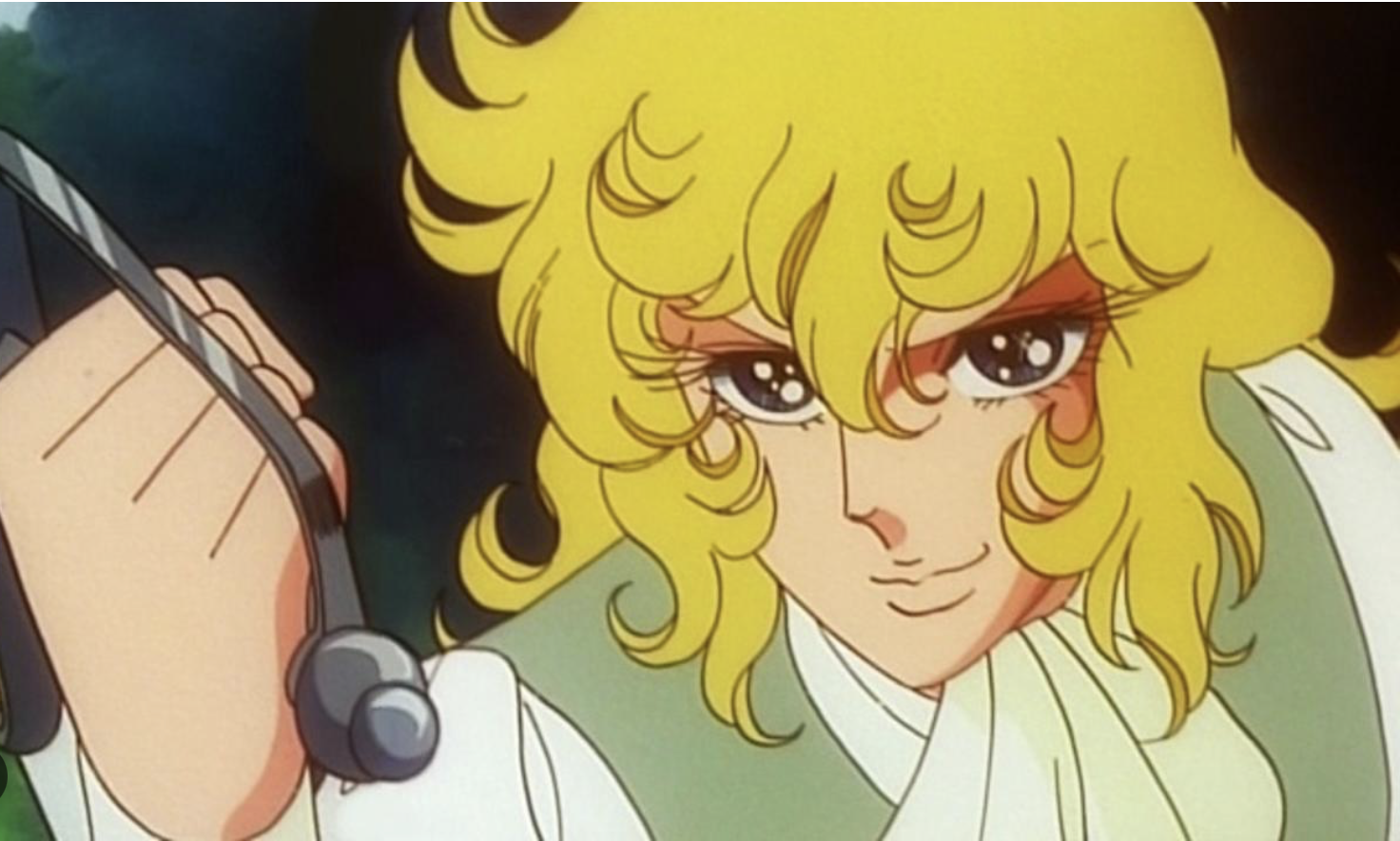
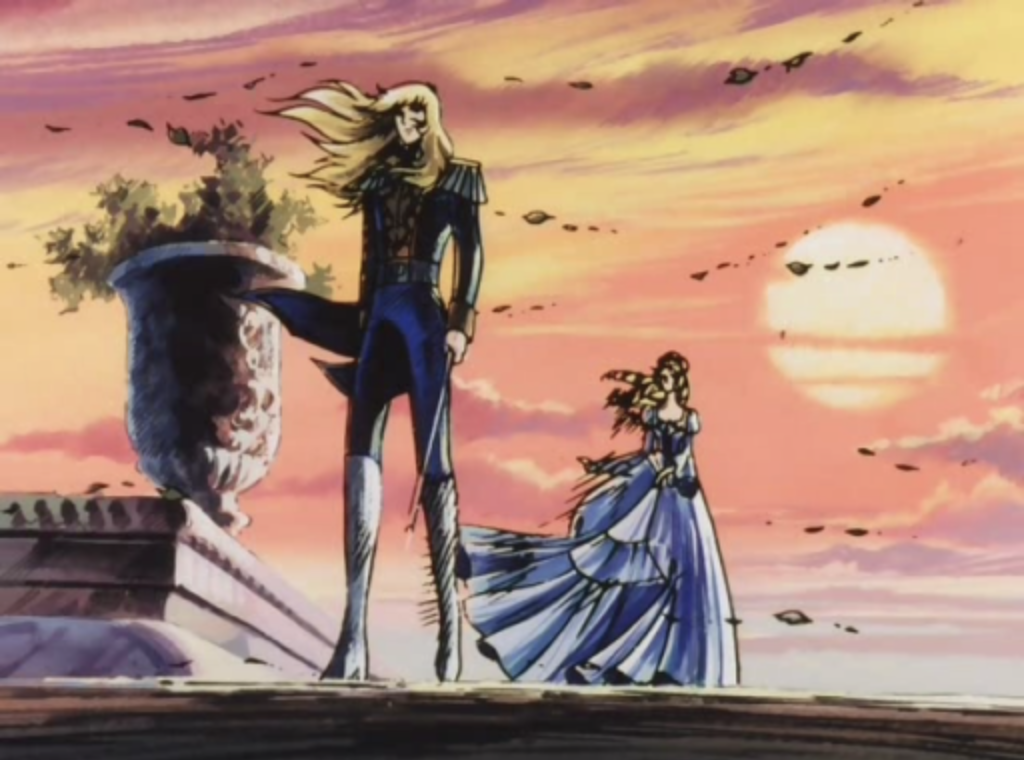
Furthermore, these adaptation principles do not just apply to literature; they work beautifully with real-world history as well. If you want a brilliant masterclass on how to reimagine classic characters and blend them with history, look no further than Riyoko Ikeda's legendary manga and anime, The Rose of Versailles.
The author constructed her narrative seamlessly on the backdrop of the French Revolution, utilizing real figures like Marie Antoinette and King Louis XVI alongside historical events like the Fall of the Bastille. However, she also introduced brilliant fictional characters like the heroine, Lady Oscar.
Because Oscar was so flawlessly molded into the politics and culture of the era, her personal journey feels entirely authentic to the history. This proves that your job as a writer is to blend your new narrative lines so smoothly into the original fabric that the audience cannot tell where the history ends and your story begins.
4. Shift the Power Dynamic
In addition to changing the setting, you must also alter the character relationships. If you keep the exact same dynamics from the original source material, your plot will likely get stuck in a predictable loop.
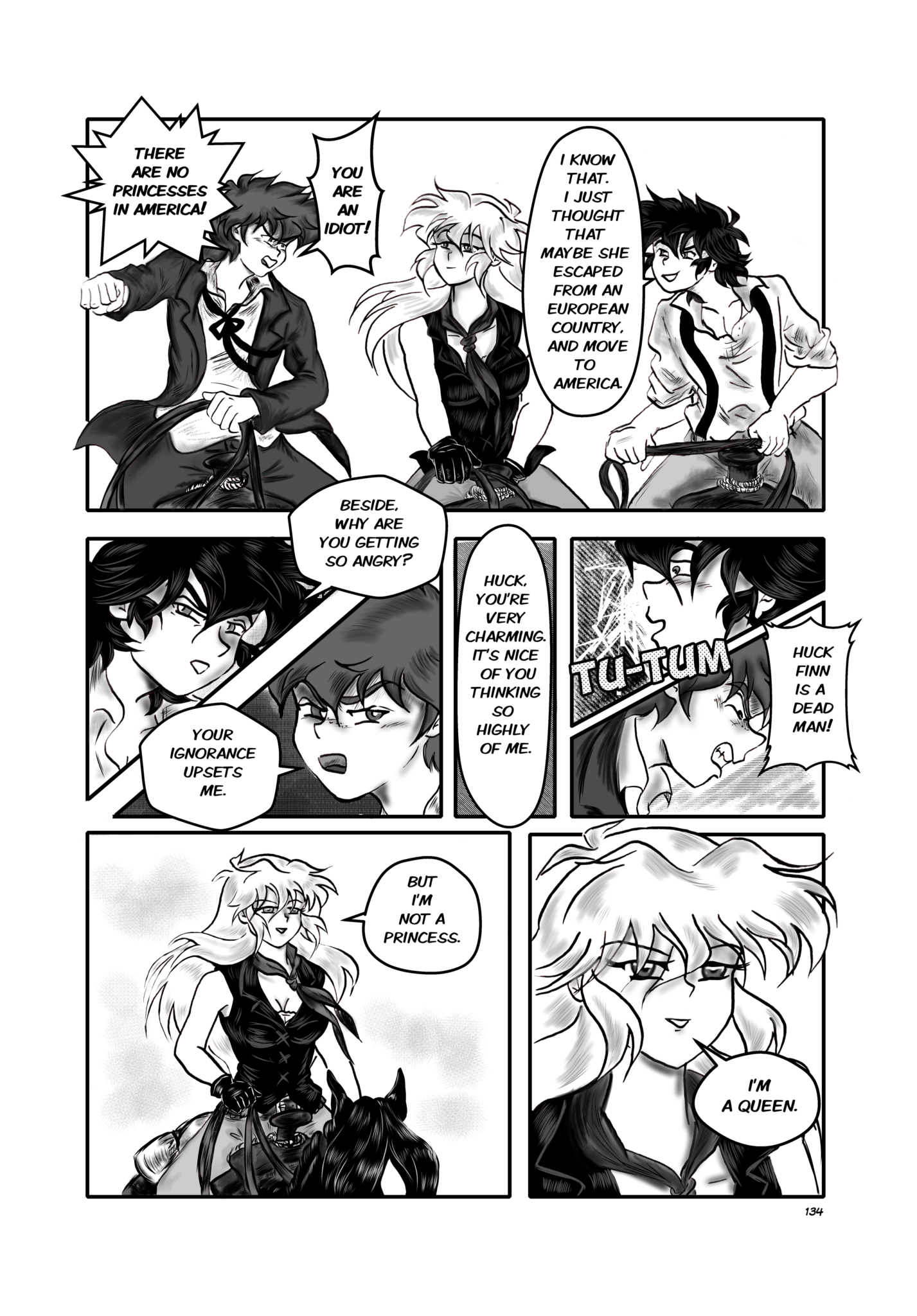
For example, in Twain’s books, Huck constantly looked up to Tom. Due to Tom's formal education and natural knack for leadership, Huck willingly followed his wildest, most dangerous schemes.
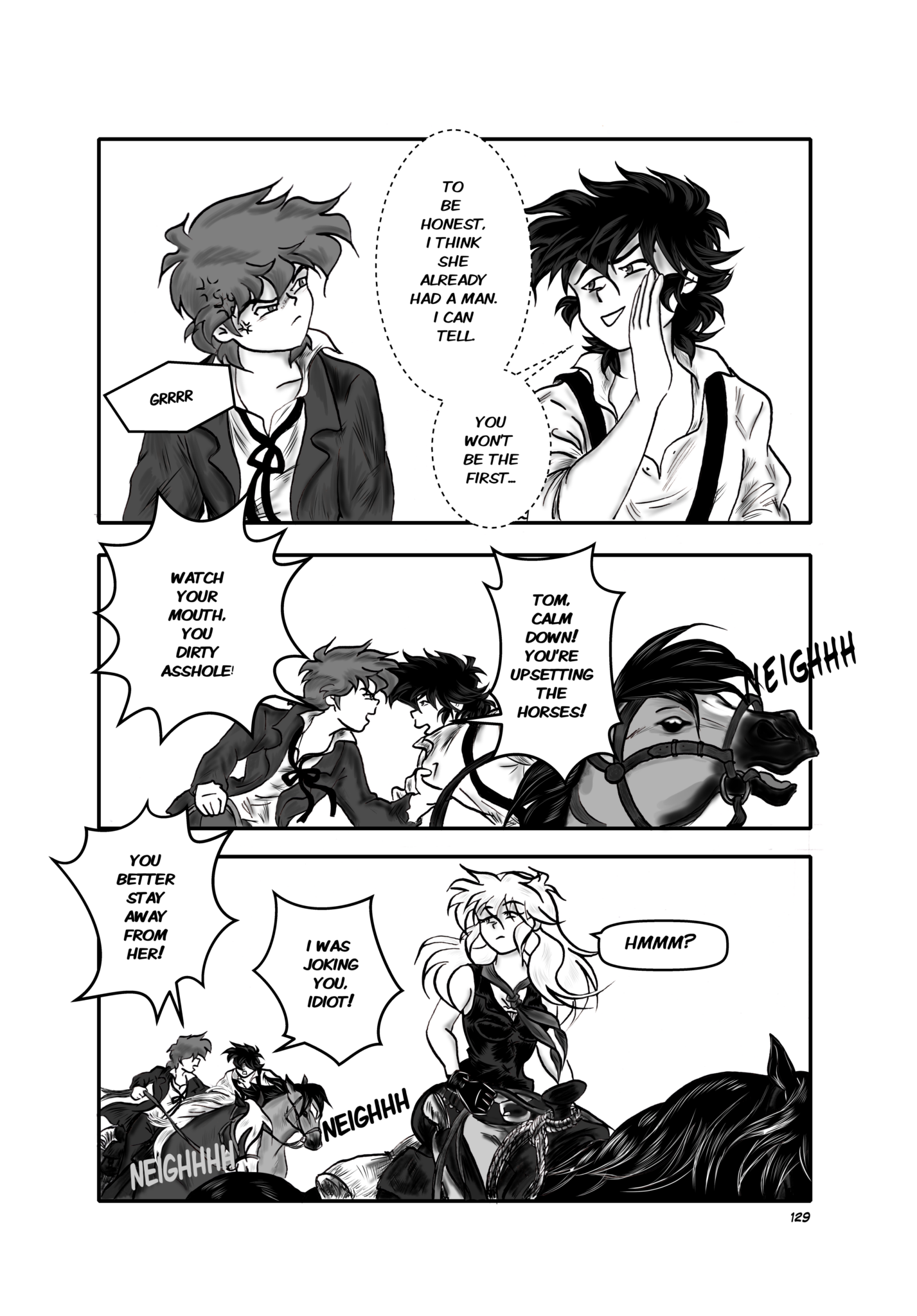
But notice how things change in my graphic novel. By the time they reunite in the summer of 1849, that childhood dynamic has completely fractured. Huck is now older, educated, and deeply hardened by life. As a result, he is no longer willing to play the sidekick or blindly say "yes" to Tom's theatrical plans. When a traditional follower suddenly steps up as an equal, organic conflict explodes.
5. Introduce a New Catalyst
Finally, to fully pull your public domain icons out of their comfort zones, you need an unpredictable "Third Element"—a completely fresh character that forces the existing legends to react in brand-new ways.
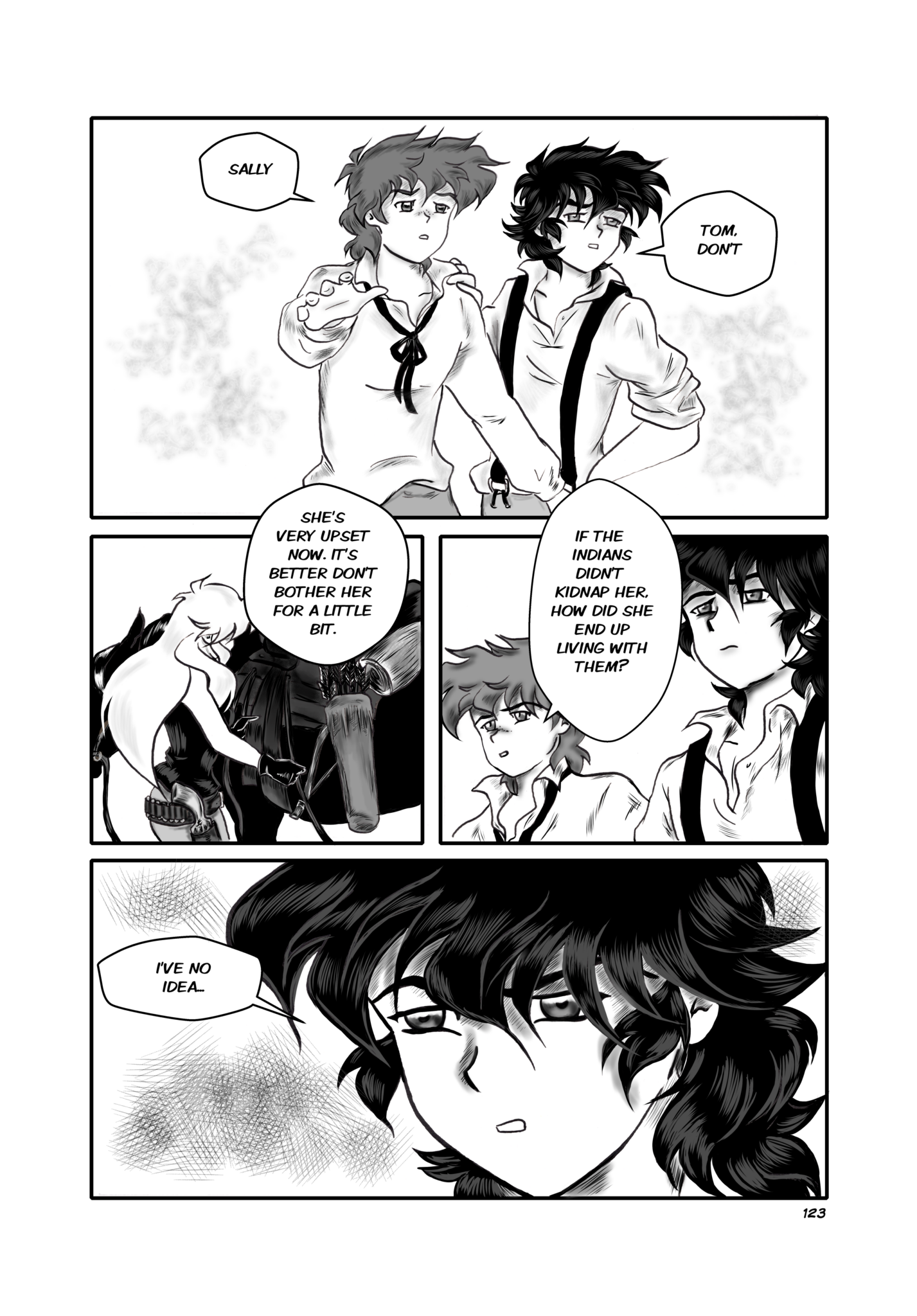
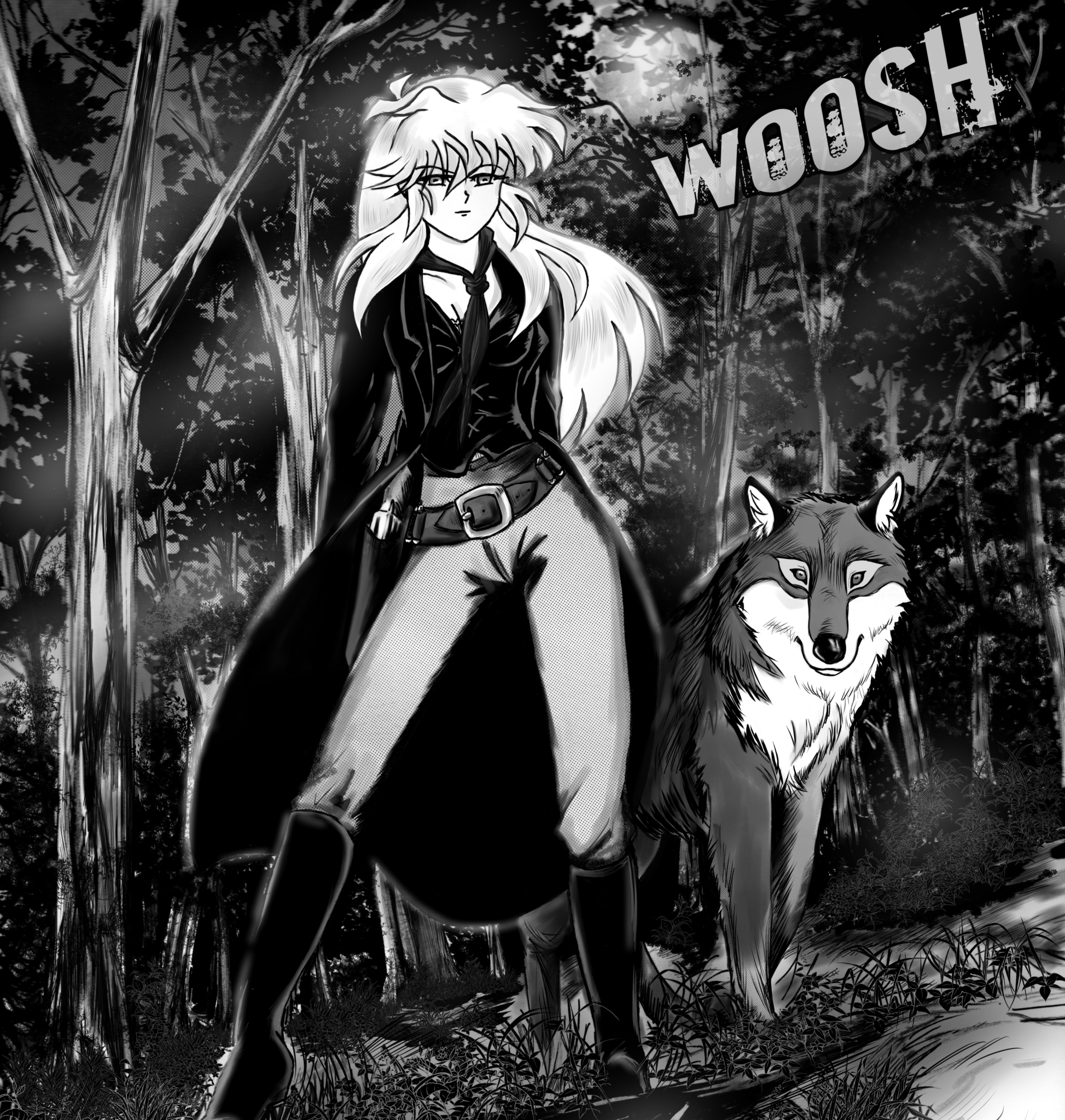
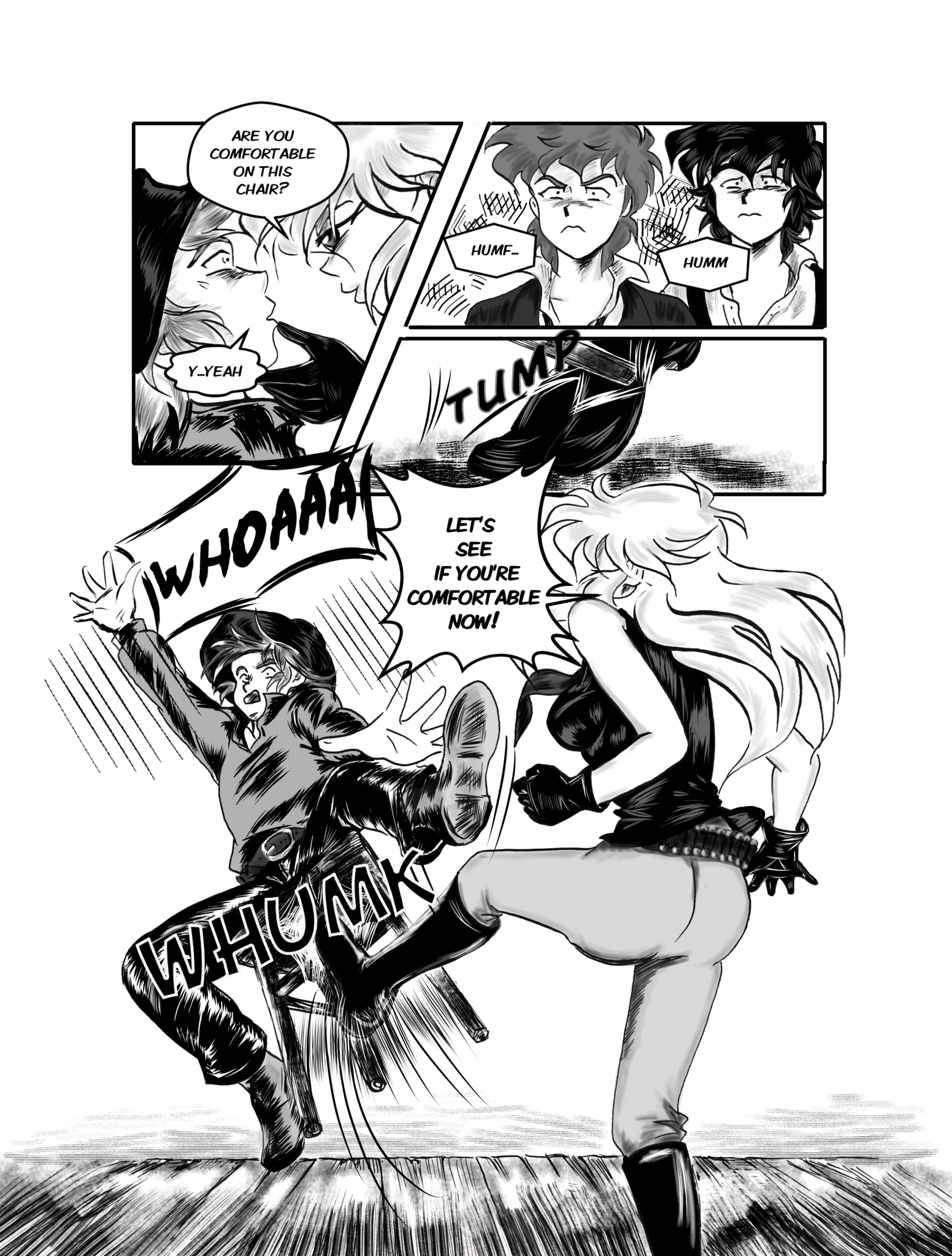
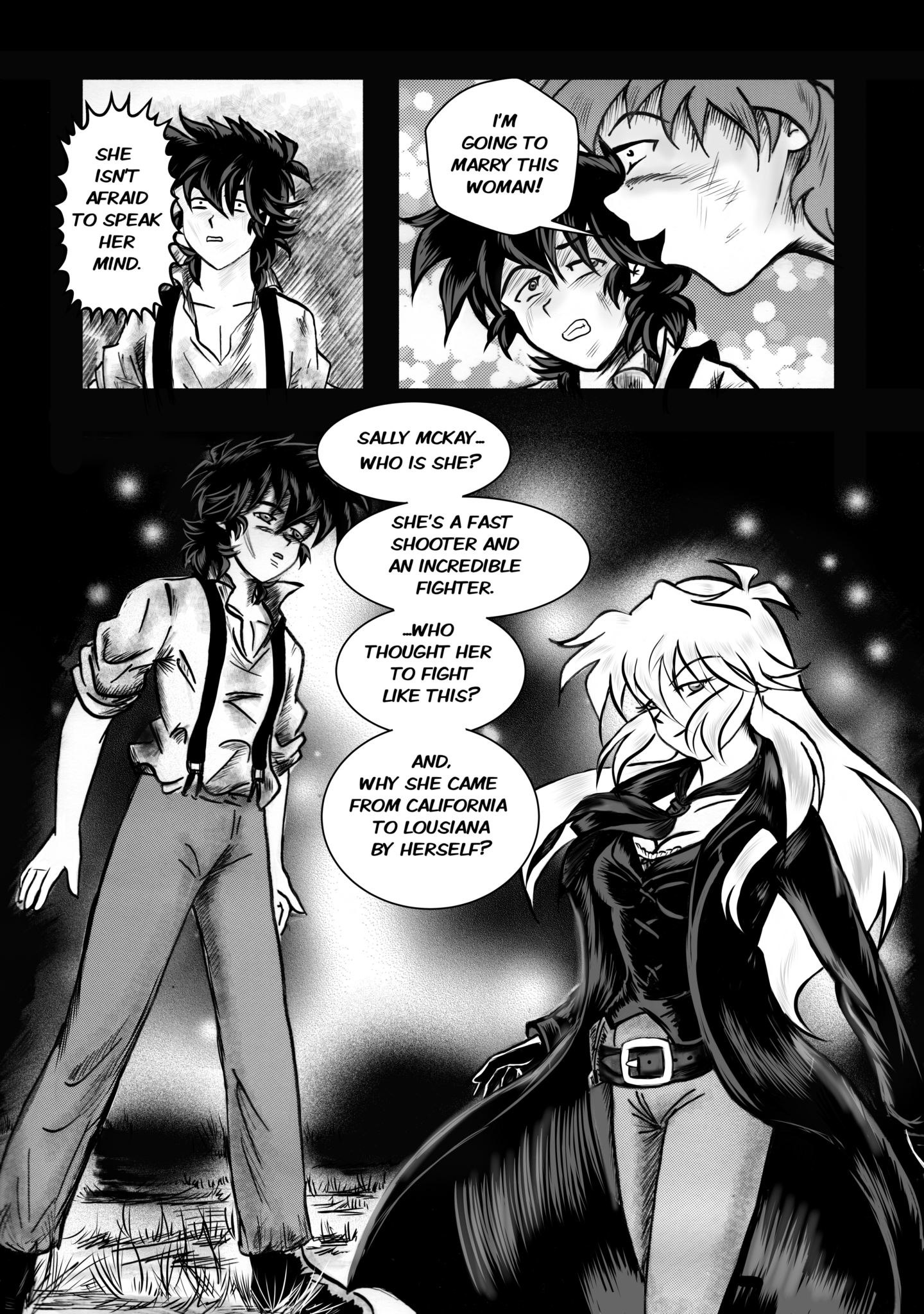
In Legends of the West, that catalyst is Sally McKay. Her driving quest for vengeance for her grandfather’s death drags Tom and Huck deep into the deadly American Frontier. In turn, Sally’s presence sparks a fierce rivalry and a complex jealousy between the two lifelong friends, turning their world completely upside down.
A Vital Checklist for Creators ⚖️
Before you pour your heart into learning how to reimagine classic characters for your own projects, always ensure your targets are safely in the Public Domain. Because Mark Twain published his classic works well over a century ago, characters like Tom and Huck are free from royalties and copyright restrictions, leaving us completely free to create.
Ultimately, reinventing the past isn’t just about changing a character’s clothes; it’s about becoming their psychologist, stepping into their minds, and discovering how they handle a brand-new storm.
What do you think? If you were heading out to the wild frontier in 1849, whose lead would you follow? Would you trust Tom Sawyer’s grand, glorious plans, or would you rely on Huck Finn’s raw survival instincts?
Let’s talk about it in the comments below!
To follow the journey of Tom, Huck, and Sally into the frontier, make sure to bookmark the blog and follow along on Instagram [@onedogcomics] for regular art updates on Legends of the West.
Social media algorithms hide posts. Subscribe to get new comic pages, video updates, and creator notes delivered straight to your inbox.
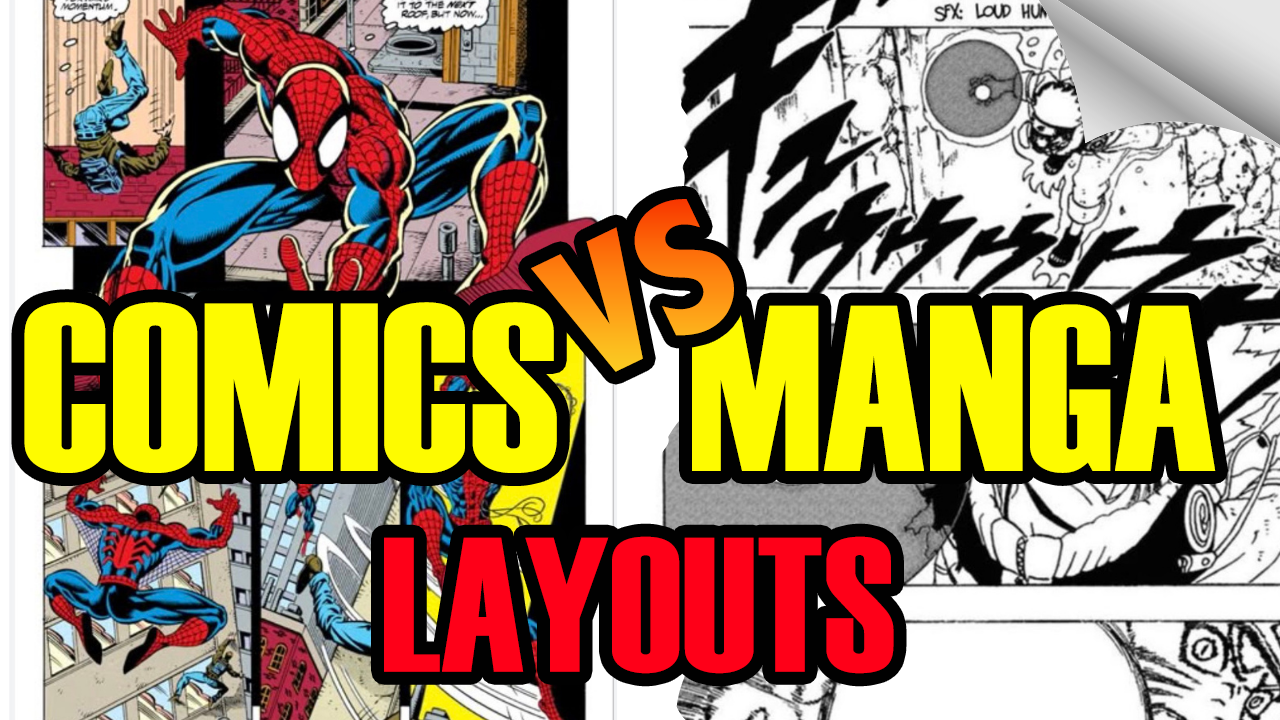
American Comics vs. Manga Panels: How to Master Your Page Flow & Pacing
Latest
American Comics vs Manga Page Layout
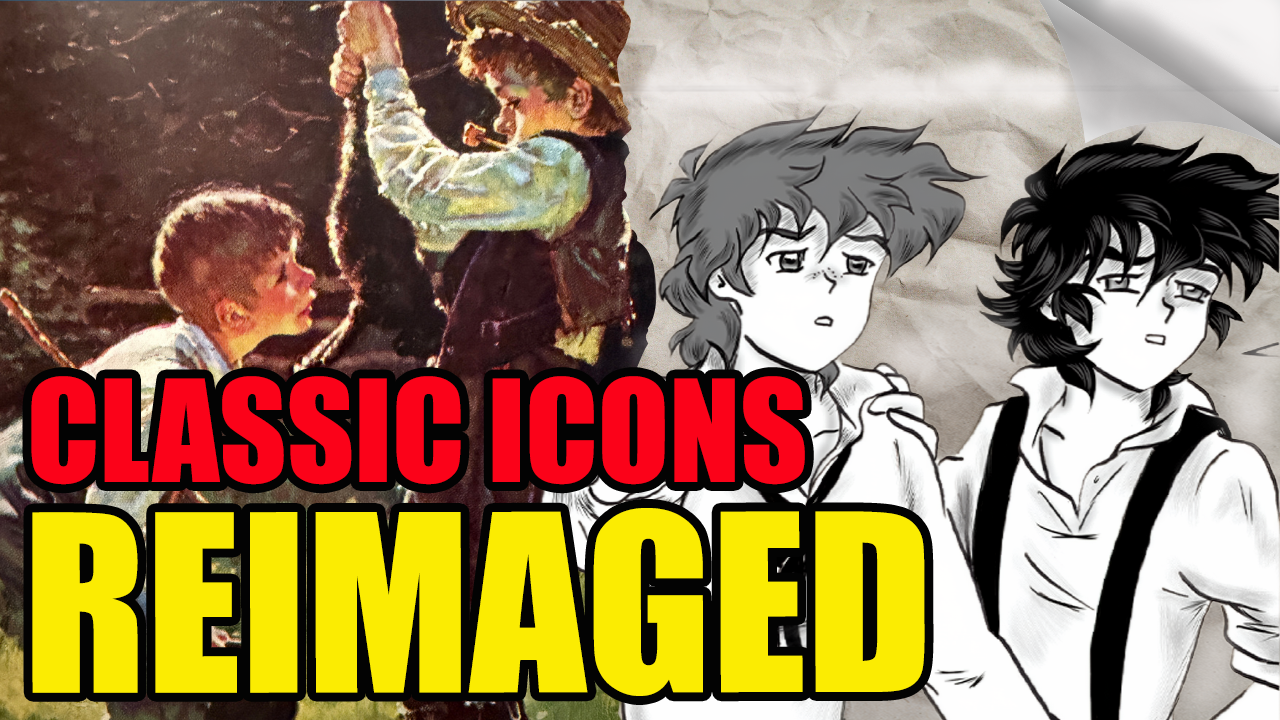
Reimagining Icons: How to Rewrite Classic Characters Without Ruining Them
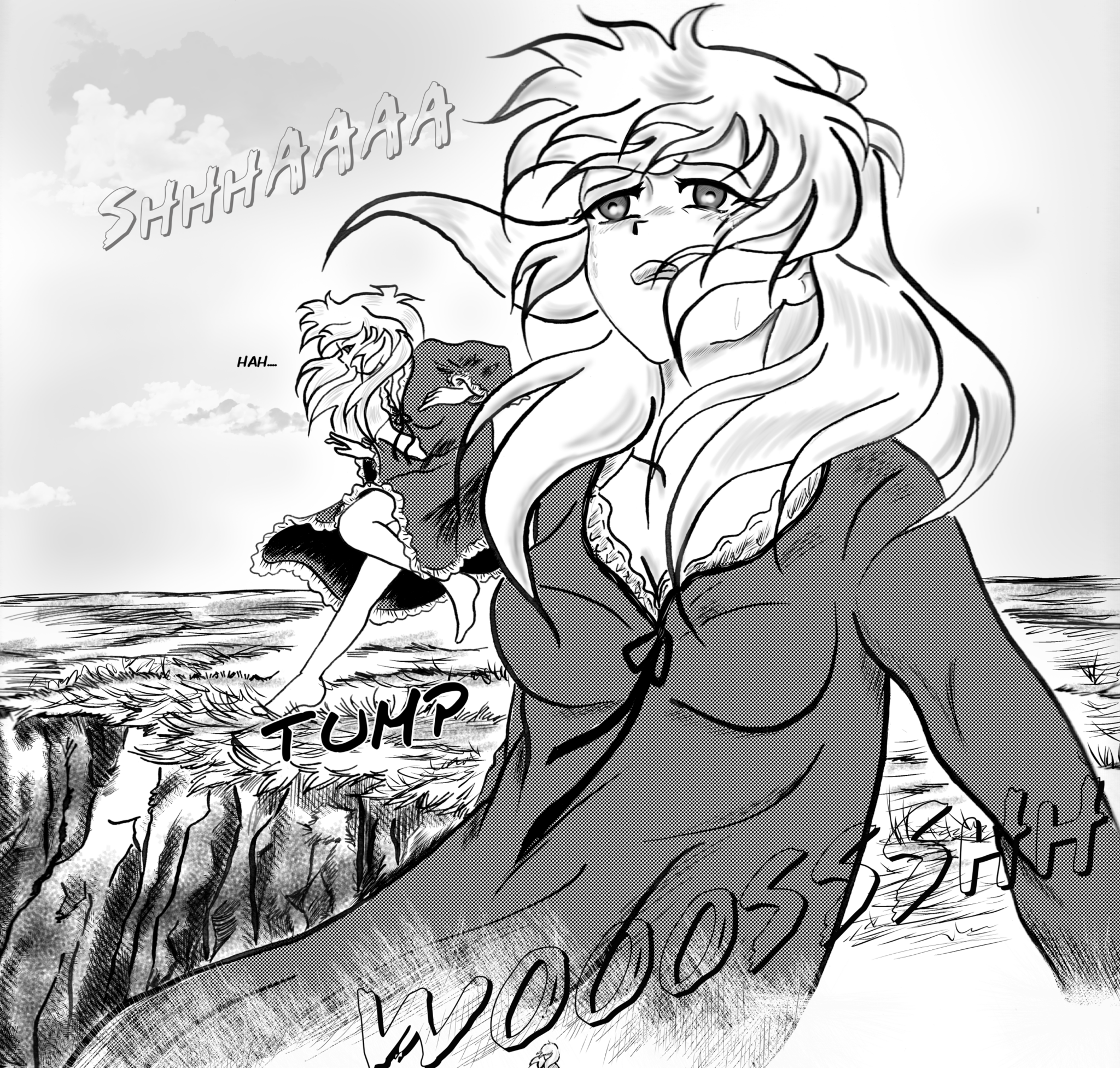
How to Write a Strong Female Character Without Creating a Mary Sue
From Joker to Darth Vader: What Makes a Truly Iconic Villain?