
HOW TO WRITE A COMPELLING STORY FOR COMIC BOOKS, MAGA, AND GRAPHIC NOVELS - THE HERO'S JOURNEY
The core of every novel, manga, comic book, movie, and play is the story and its characters. In this post, I talk about some of the basics for writing a story and the twelve stages of the Hero's Journey.
How have characters in stories developed? How do stories evolve?
Creating and developing stories and characters is a unique process for every artist.
Art, in general, does not have strict rules that everyone must follow or the project will fail. It's not like cooking. Your dish won't be good if you don't follow a recipe step by step.
Writing a comic book, novel, or movie for the public, however, requires some rules and knowledge. It's important to know the stages and structure to build a good story and interesting characters.
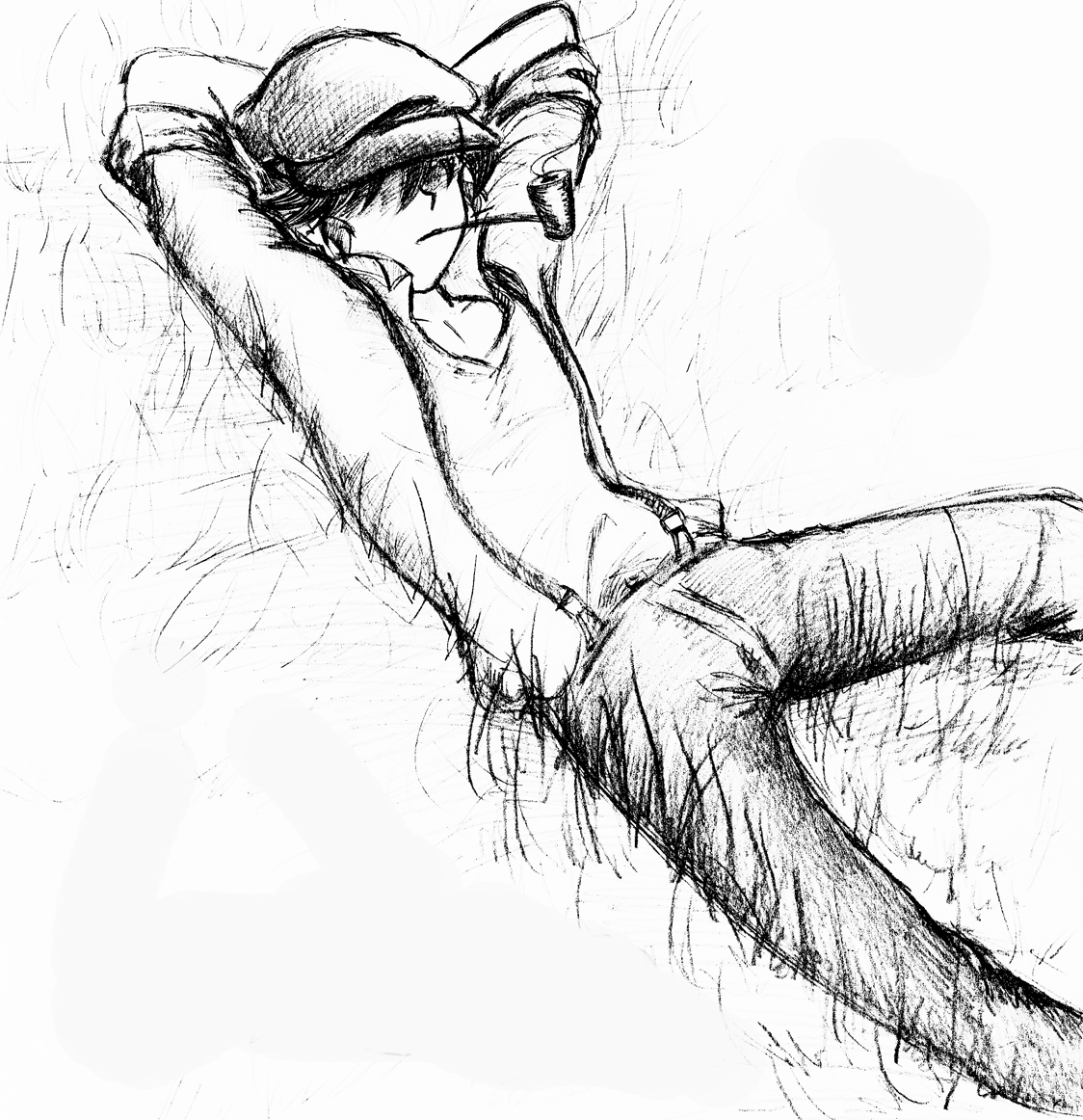
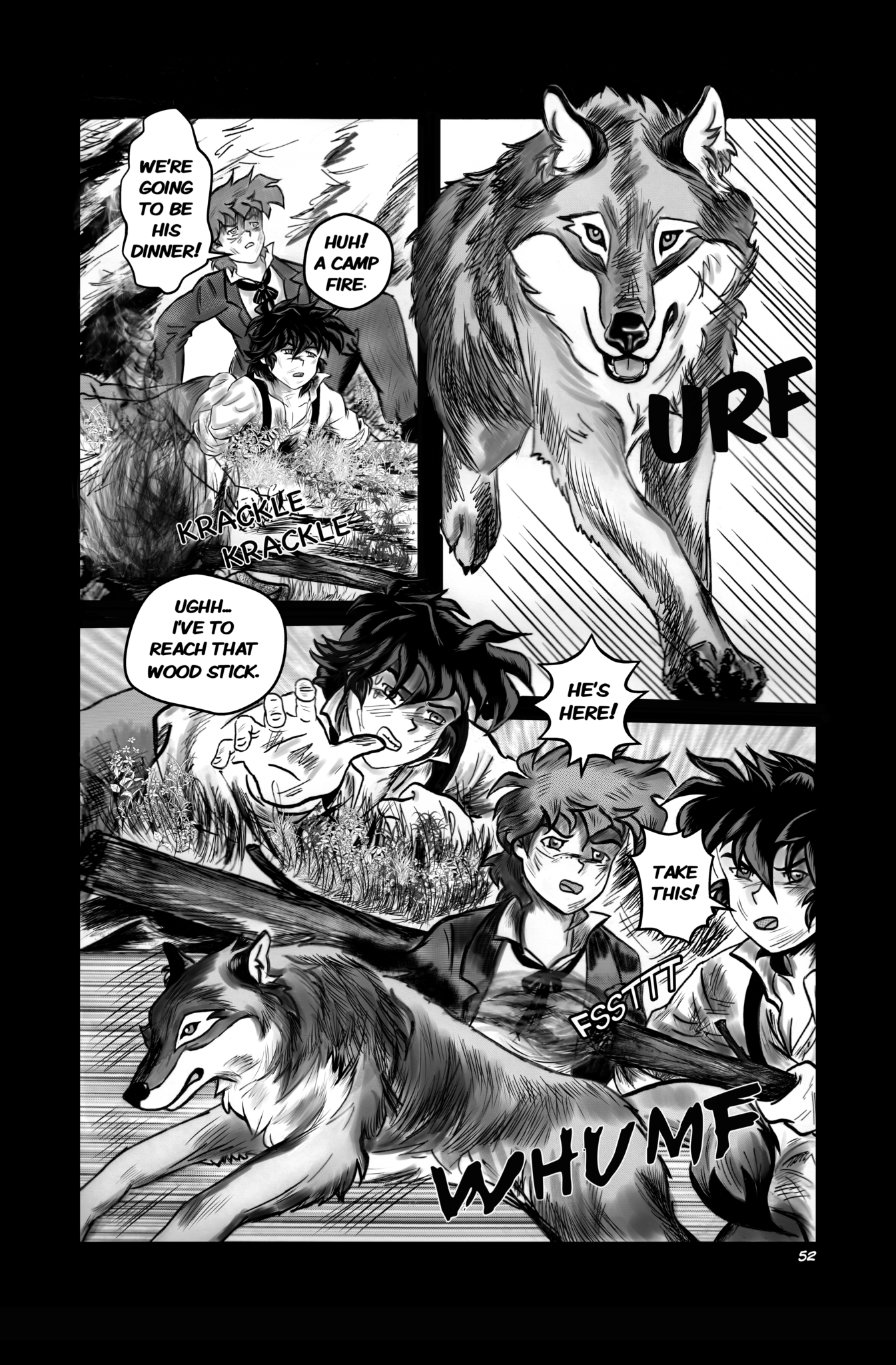
The easiest way to explain these basics is to talk about how I created my characters and the steps that I am following to write my graphic novel.
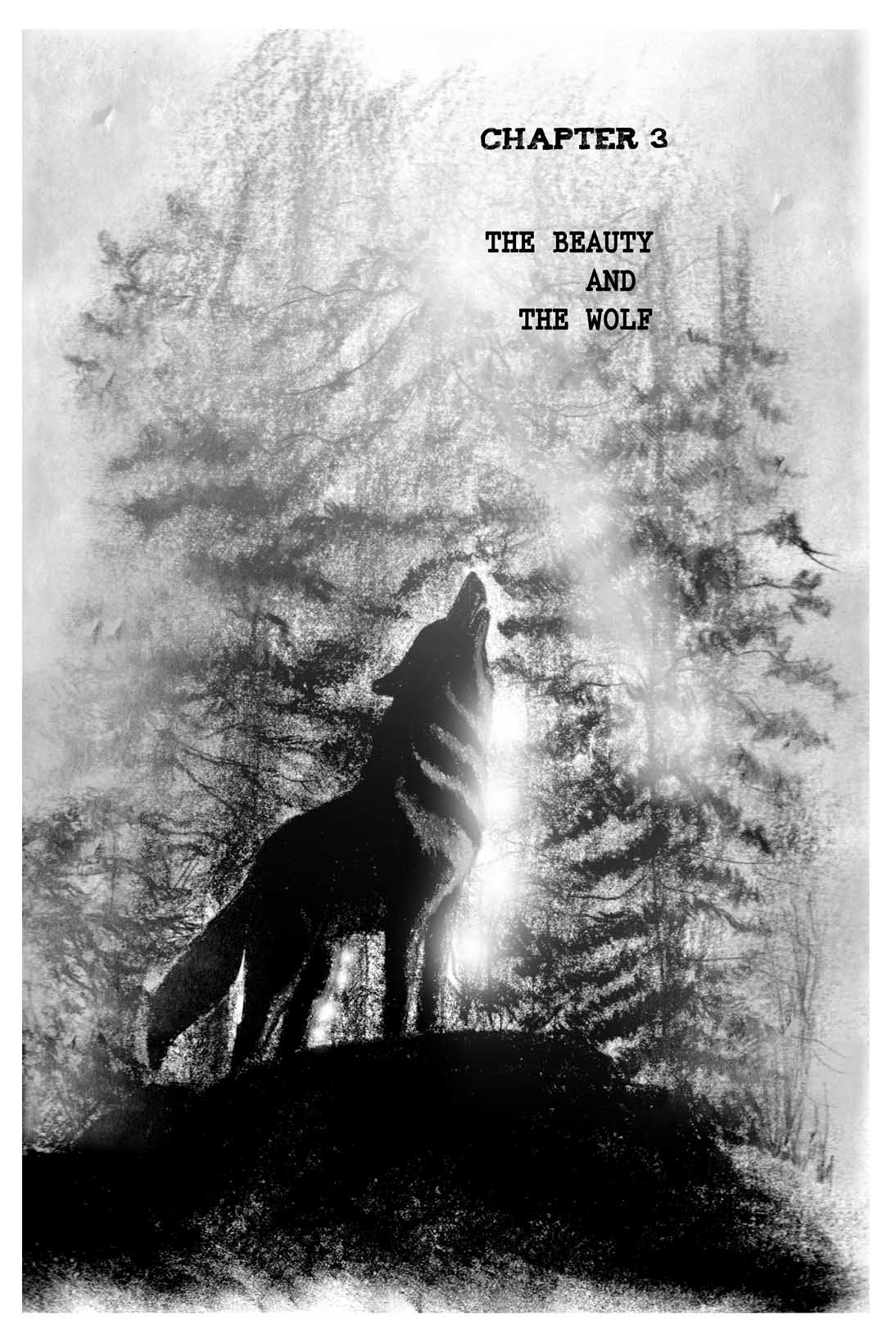
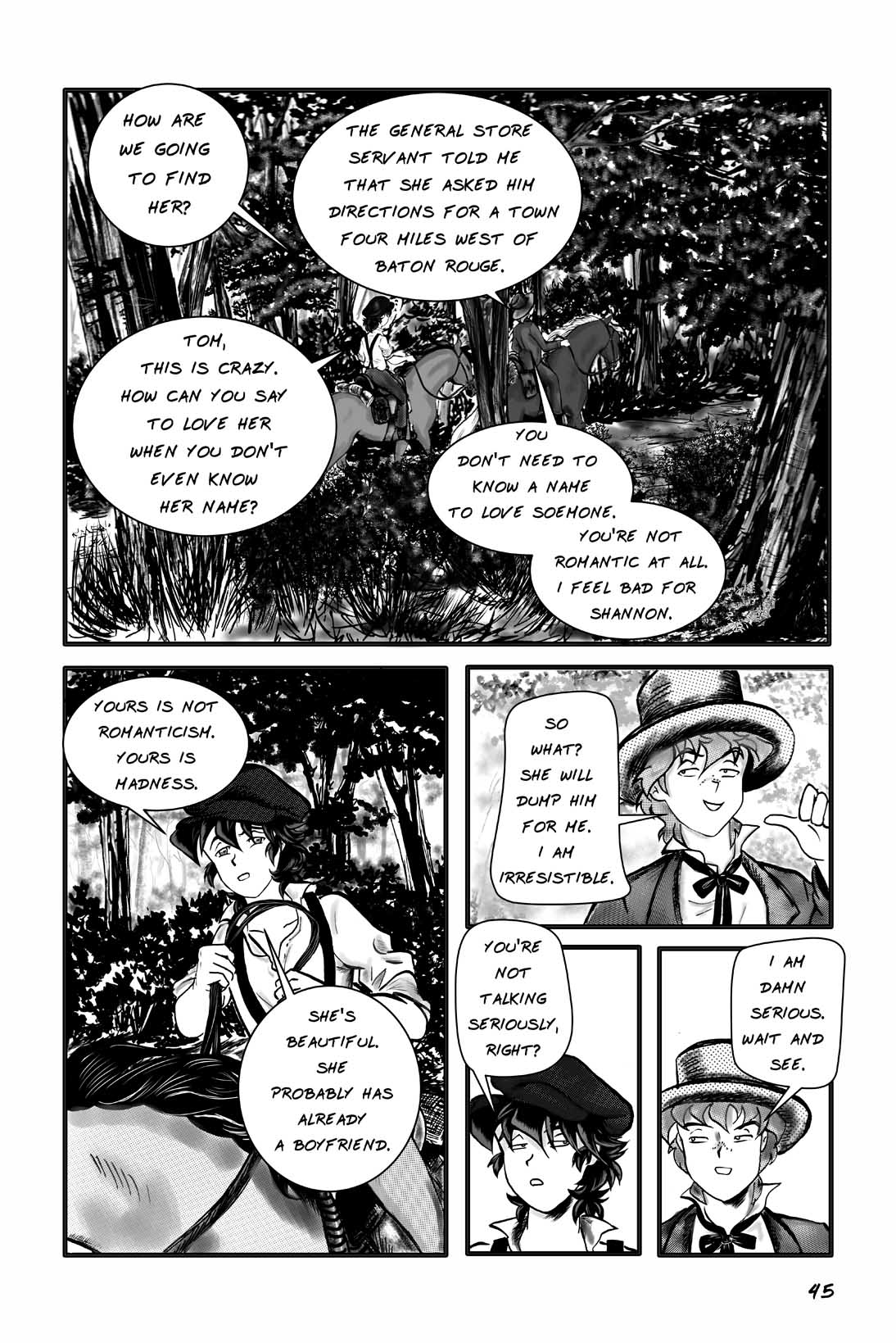
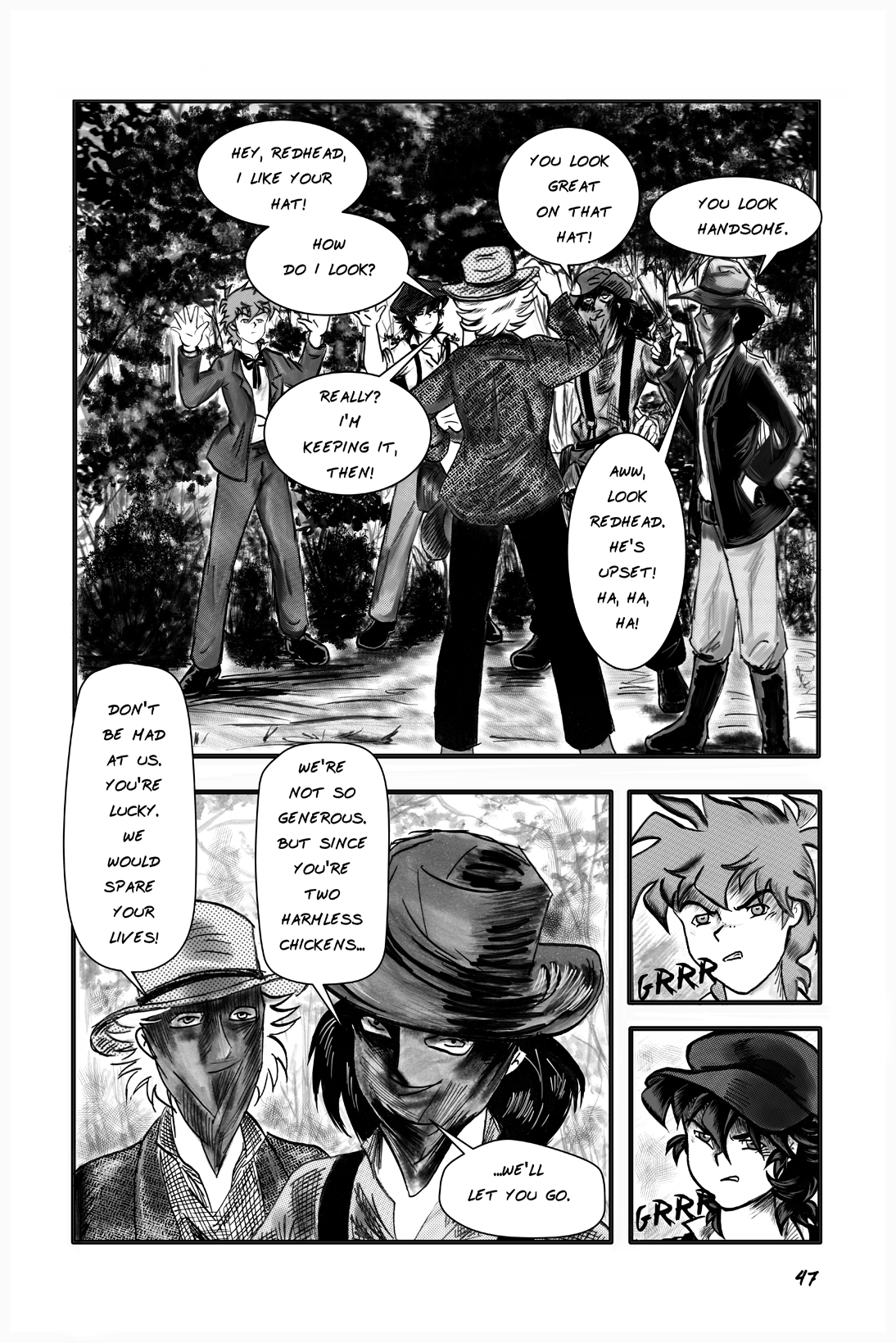
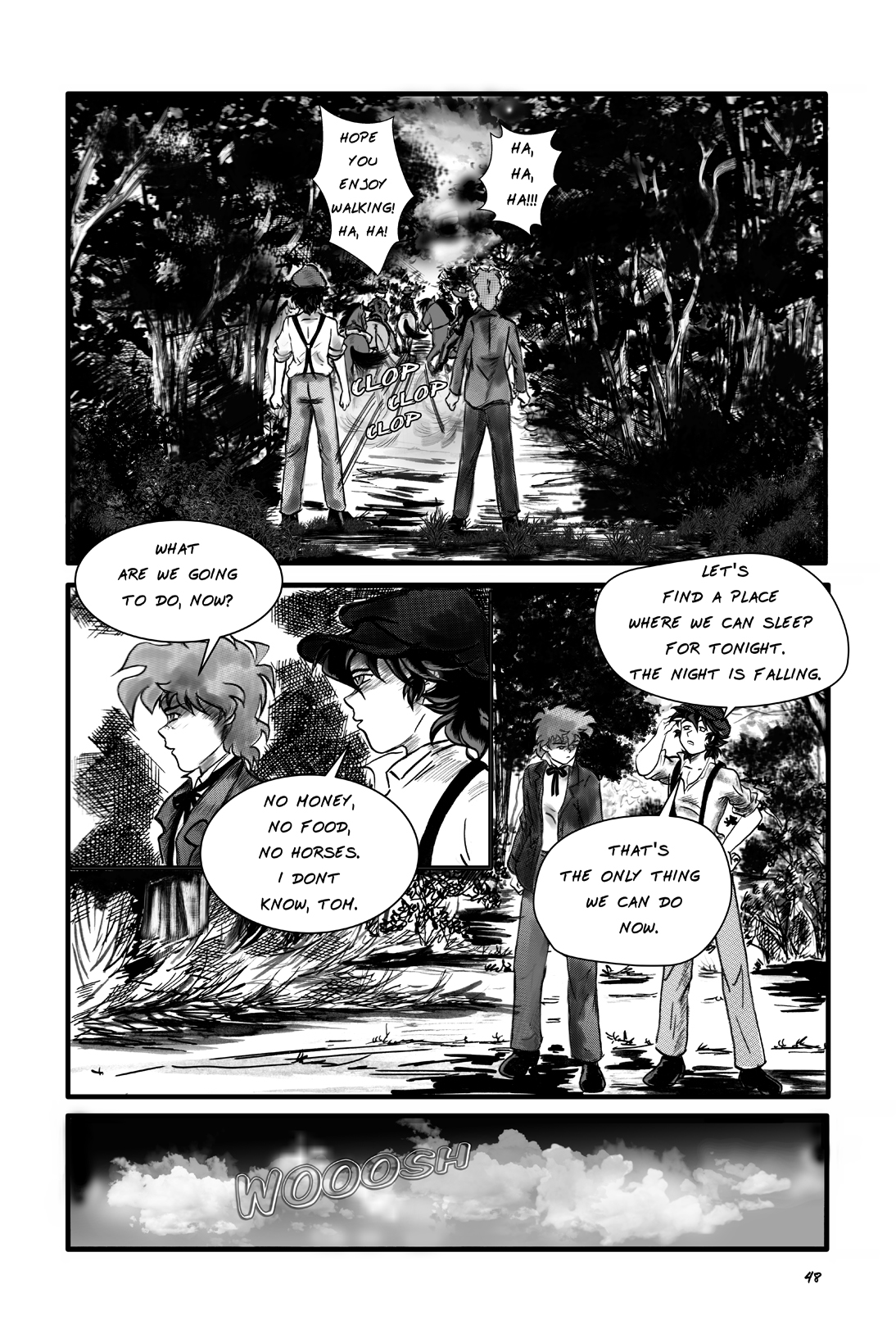
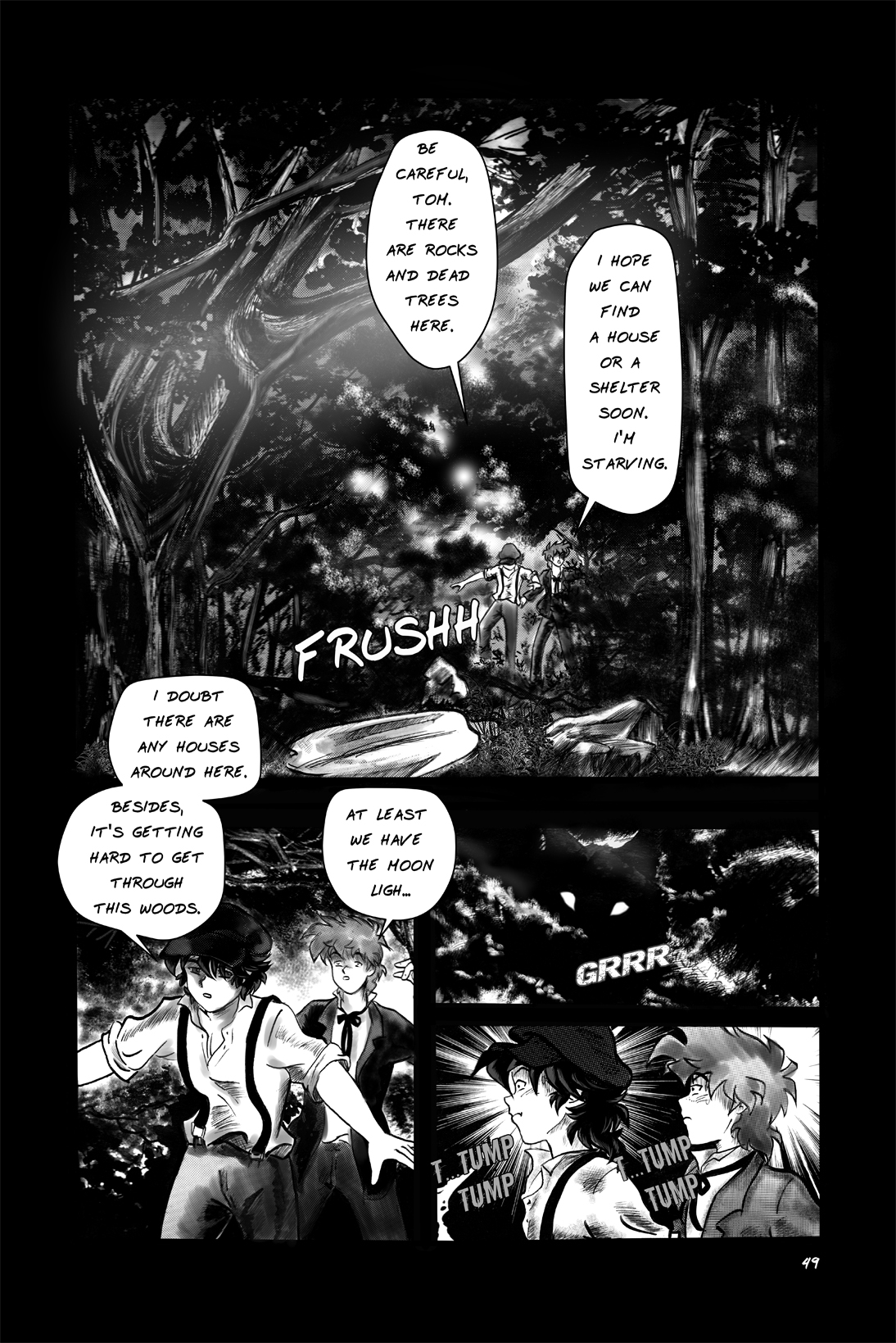
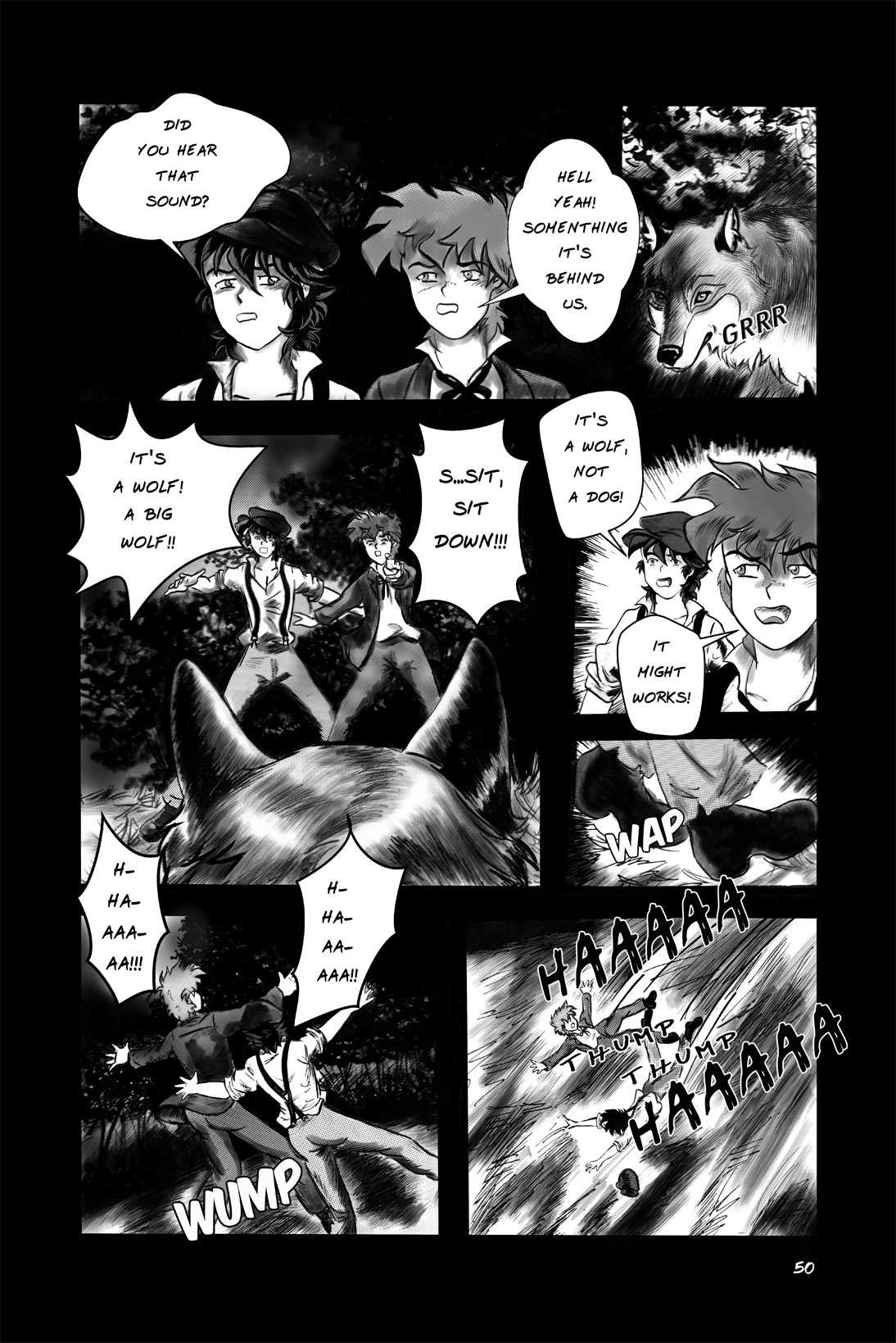
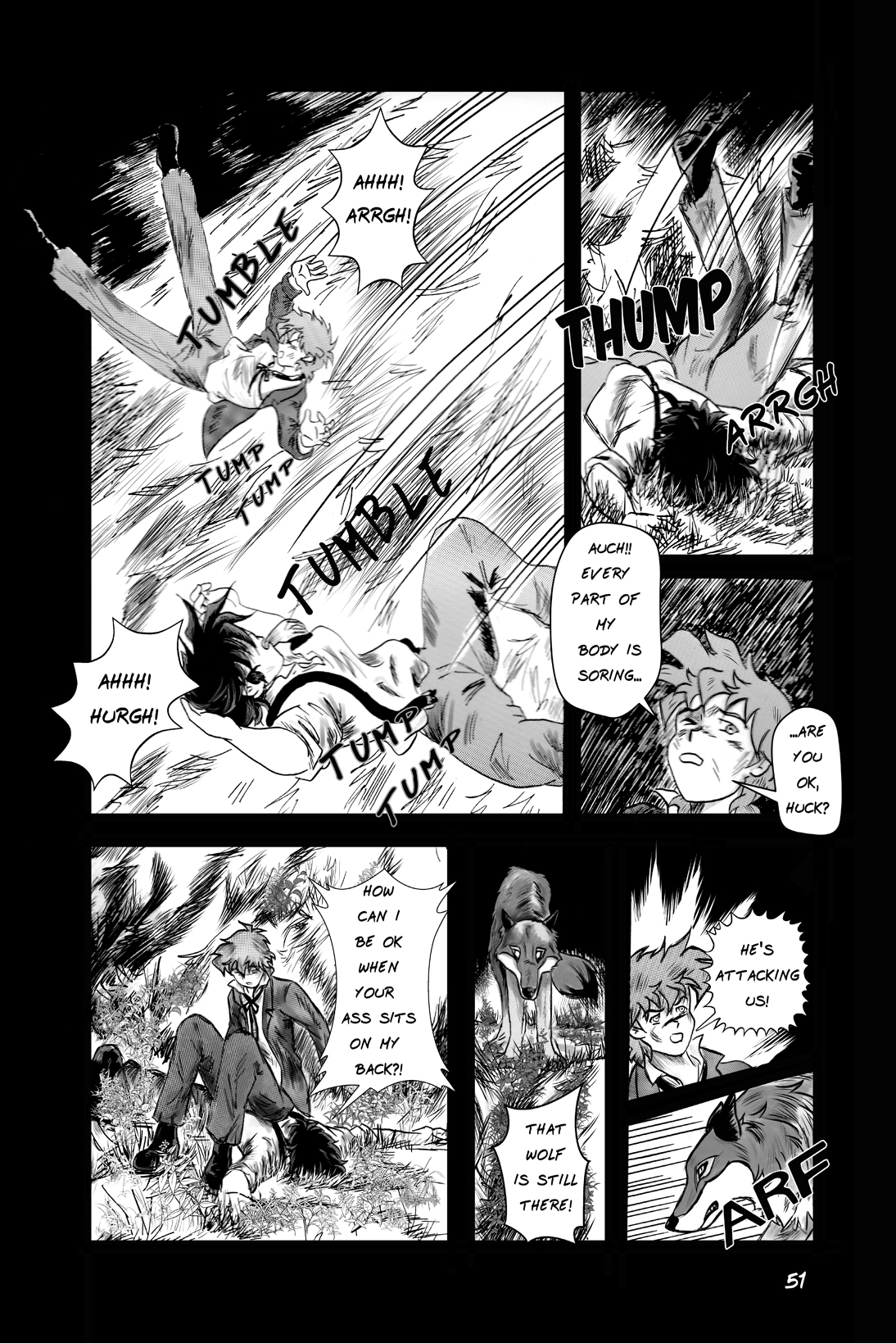
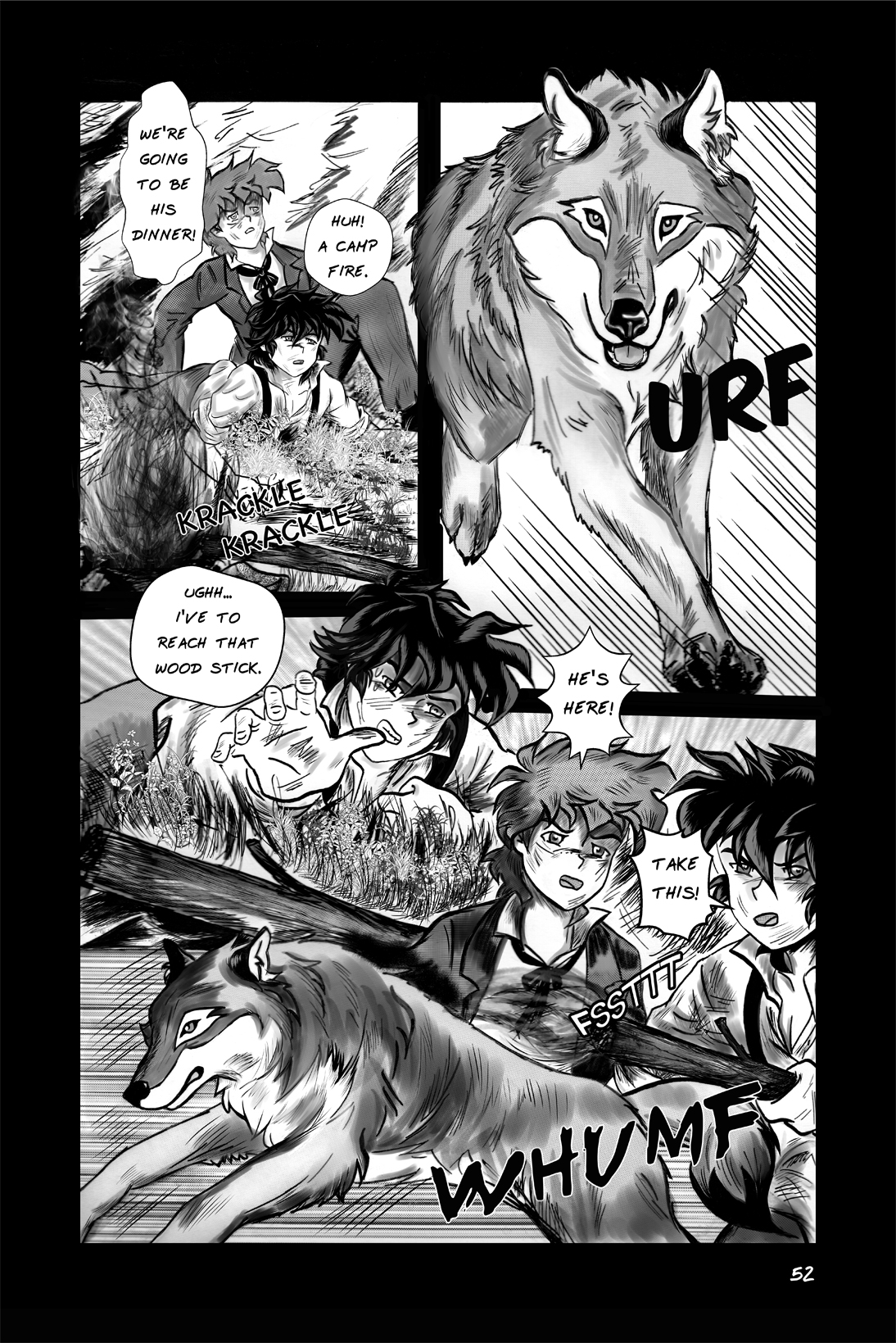
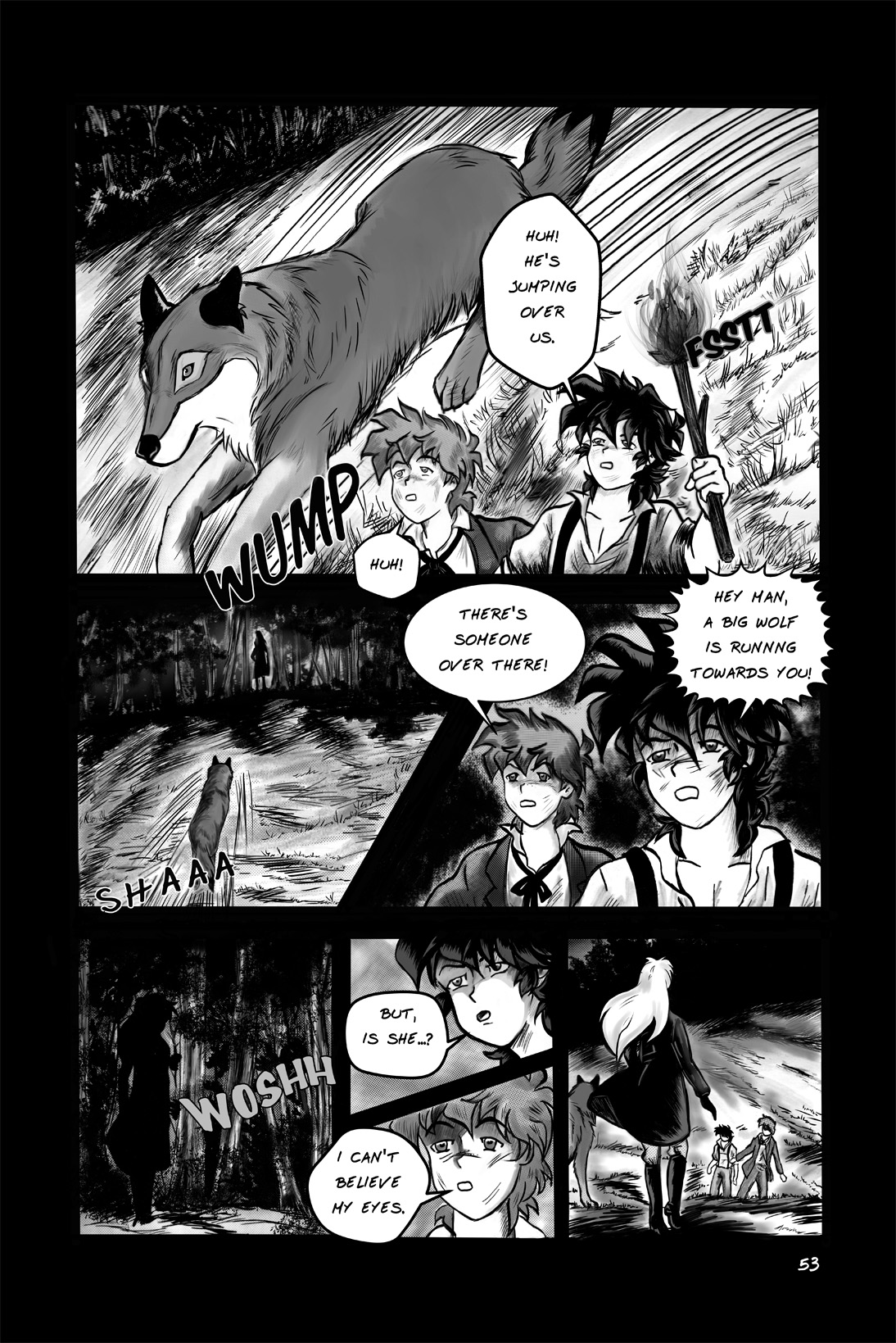
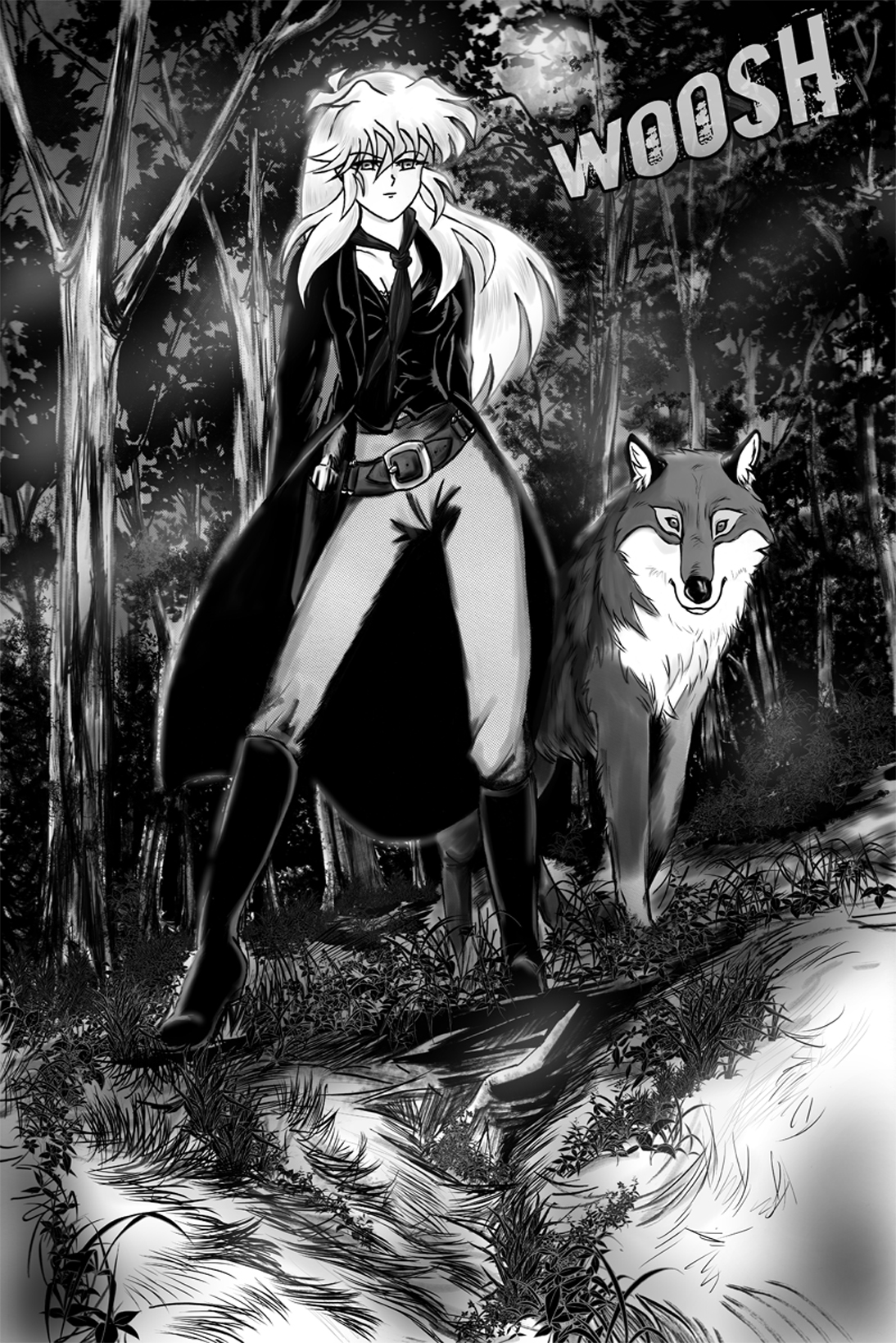
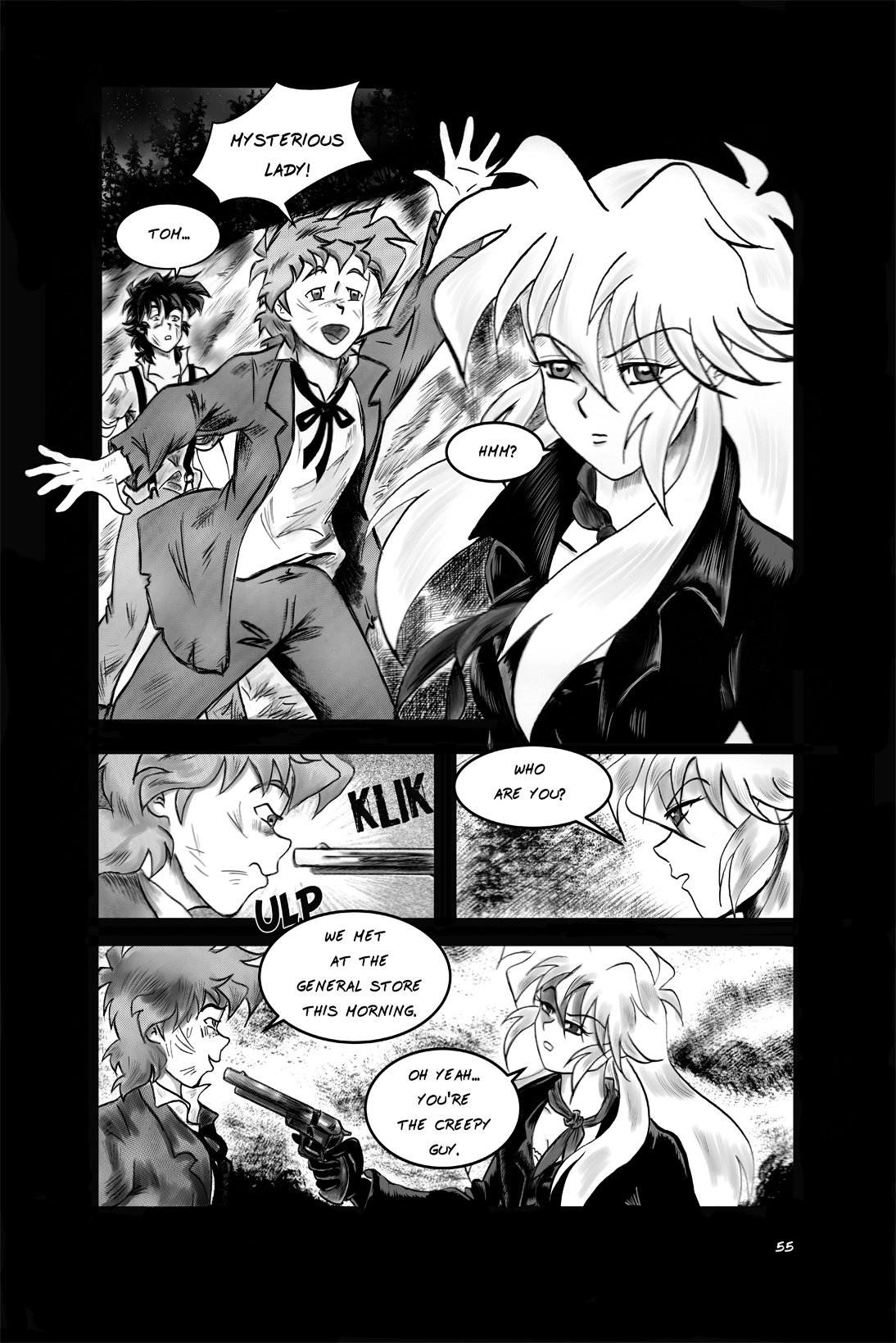
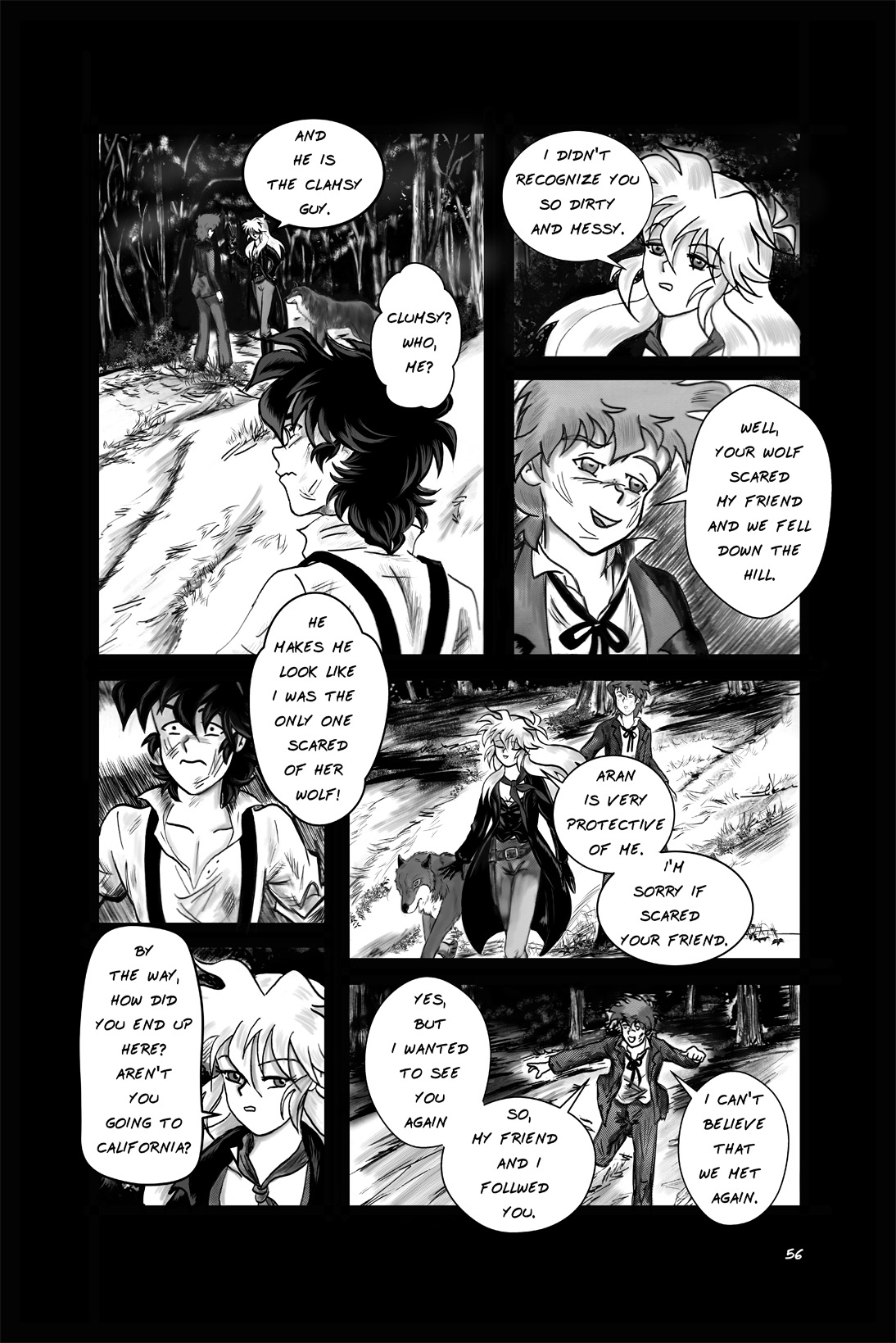
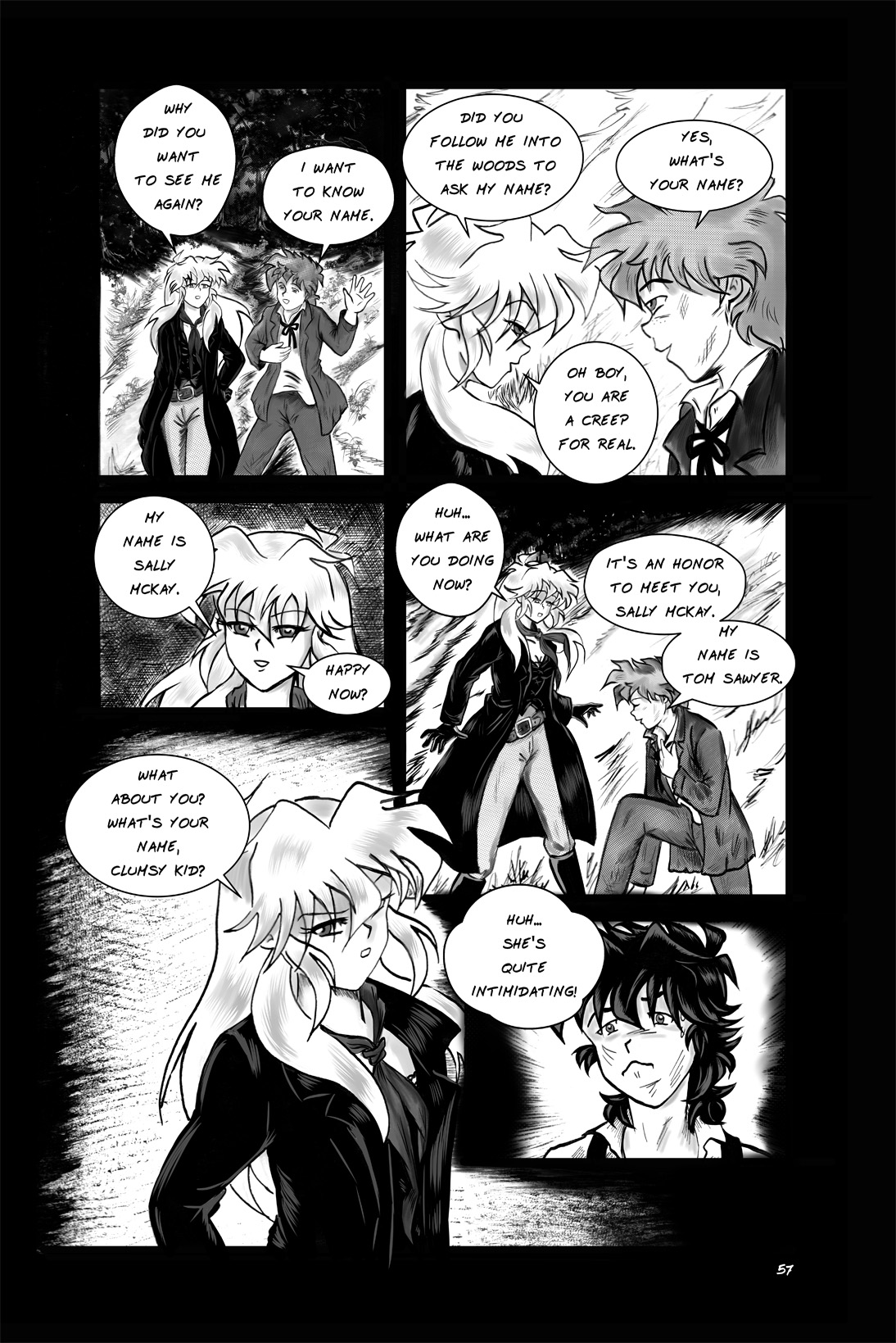
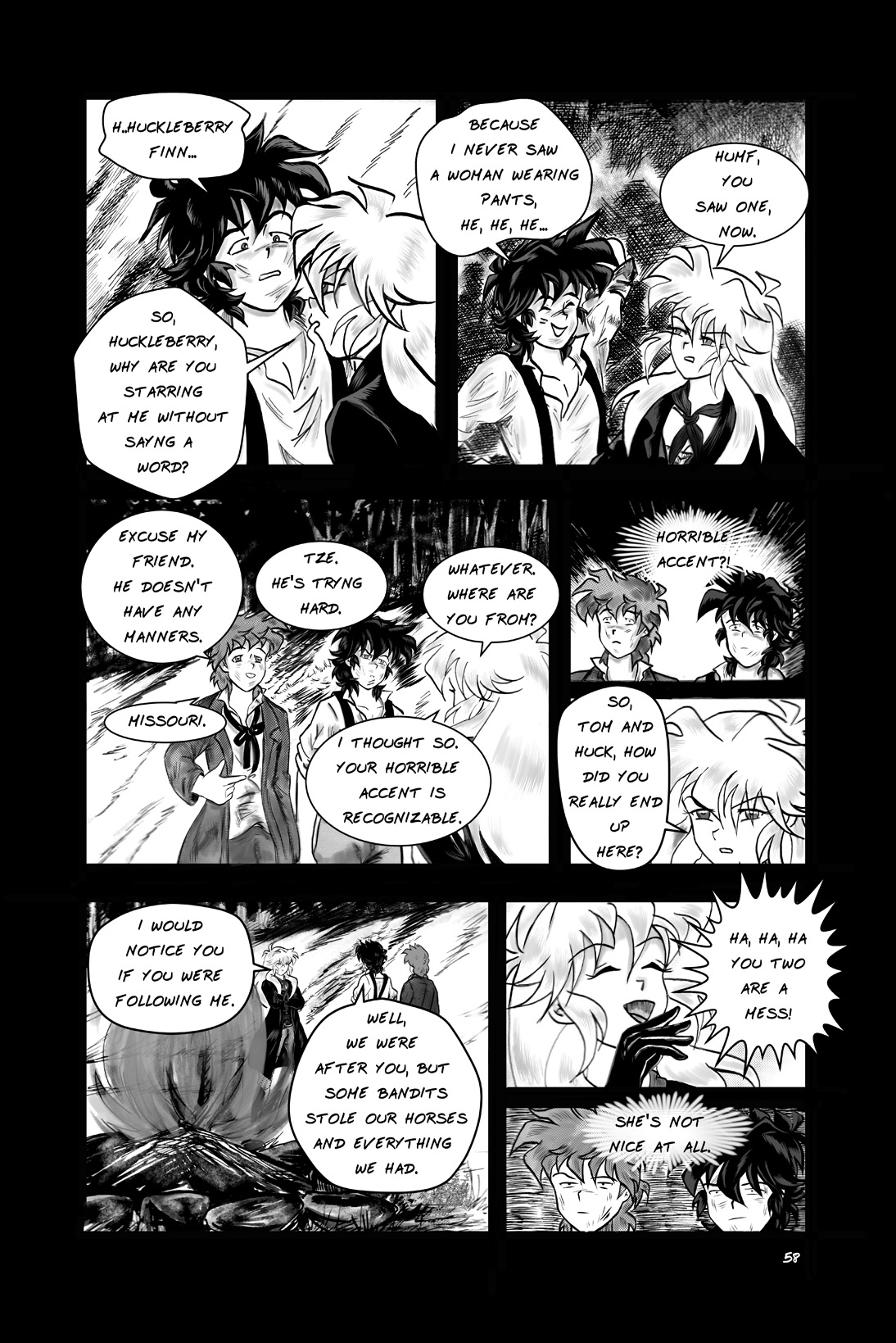
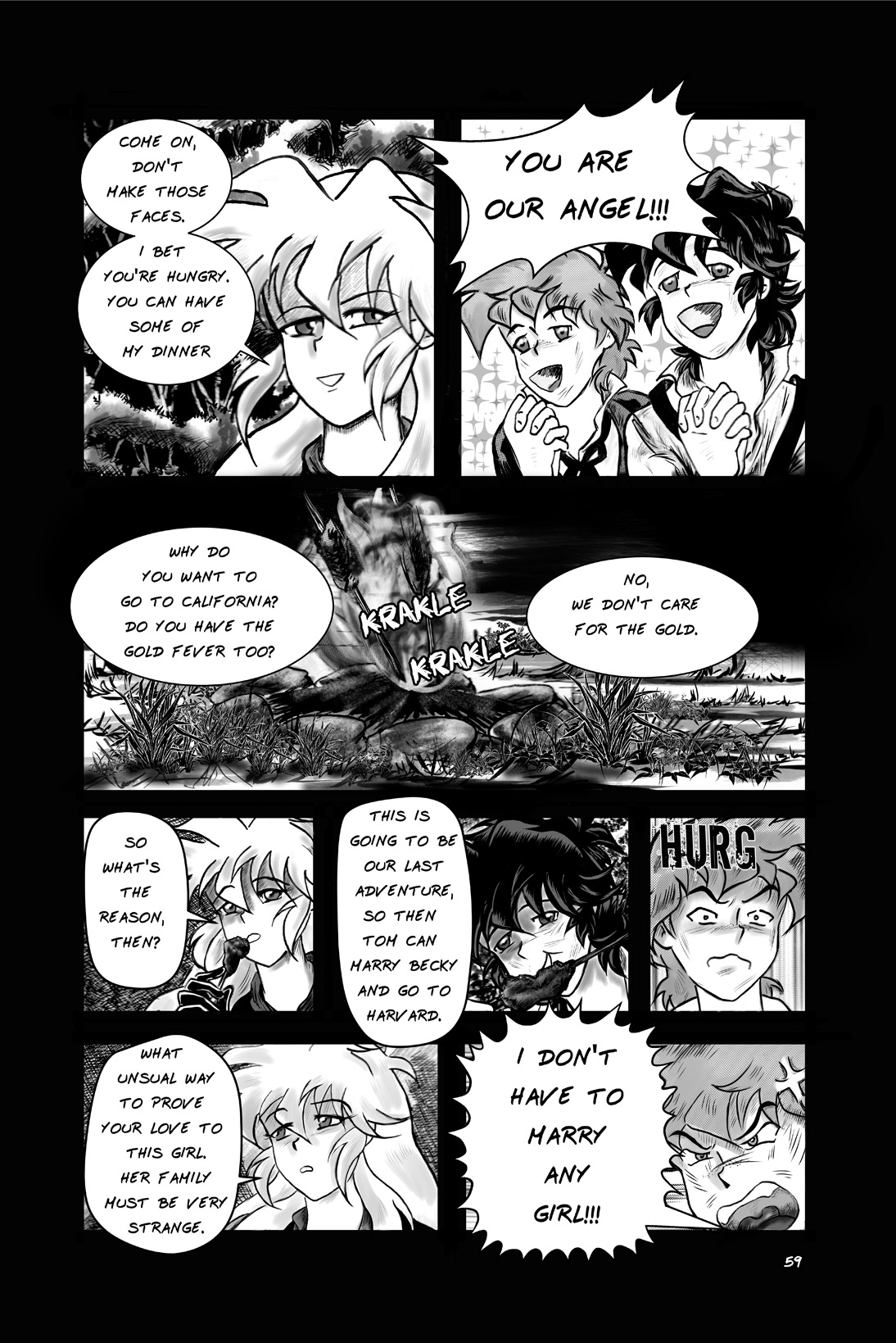
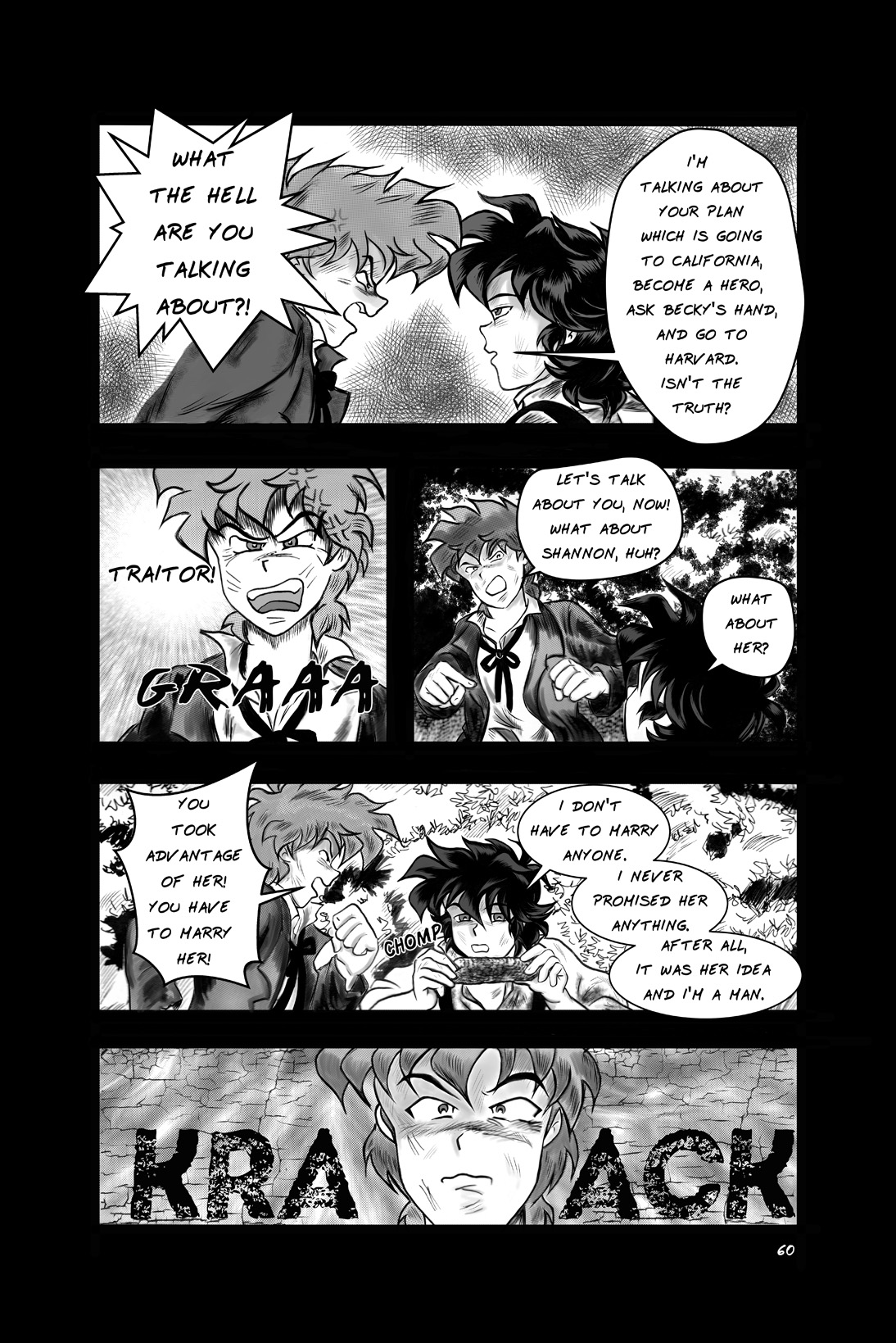
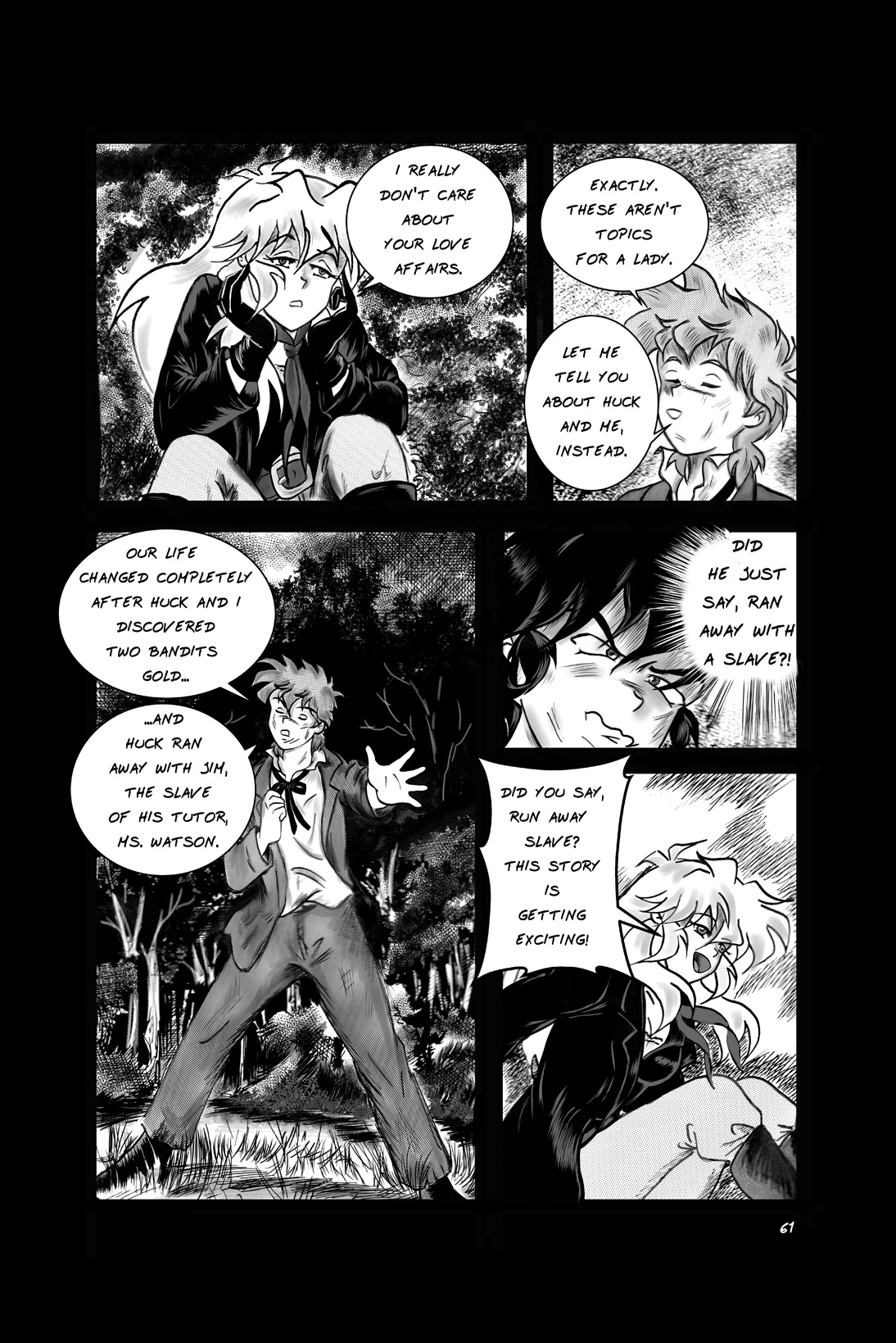
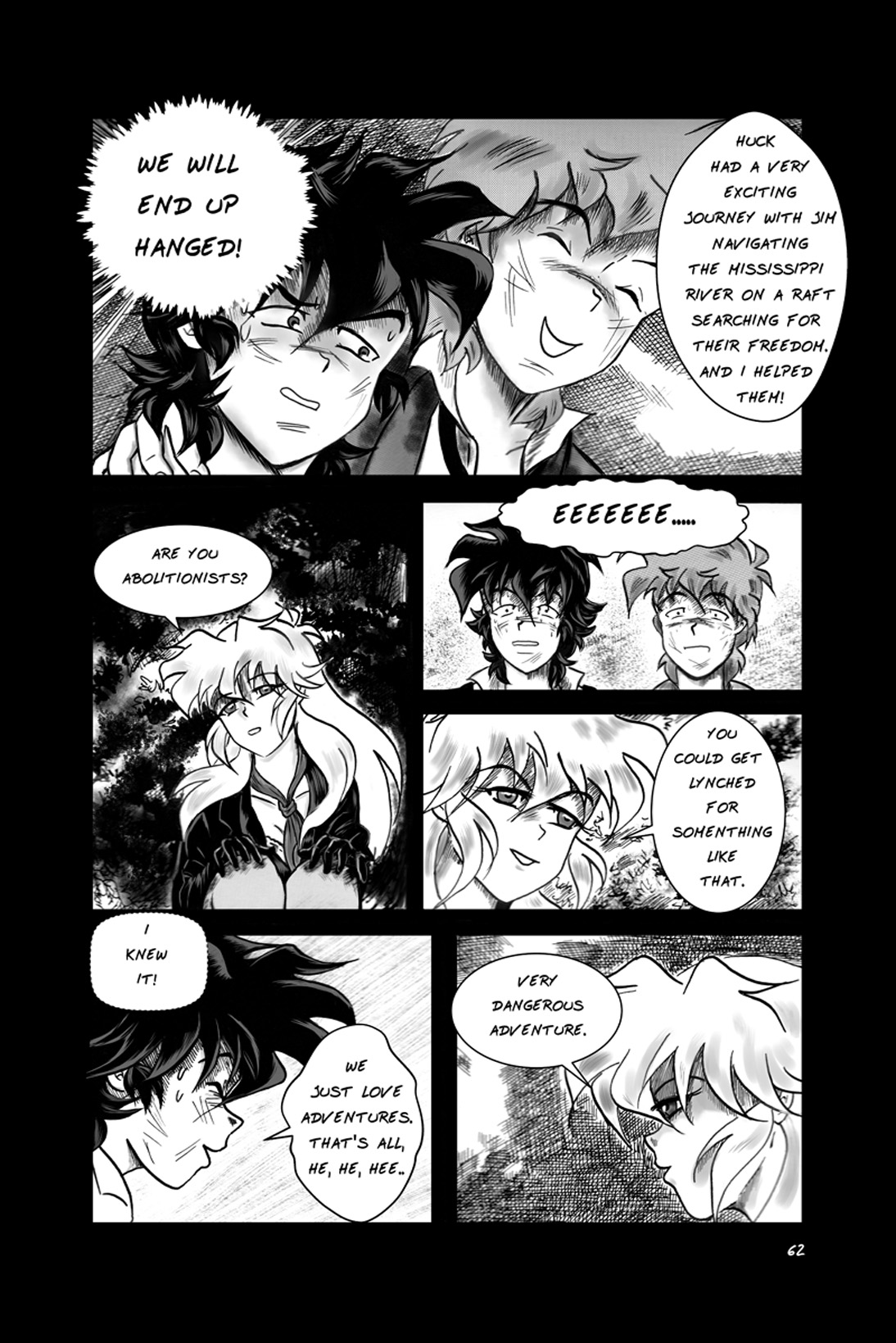
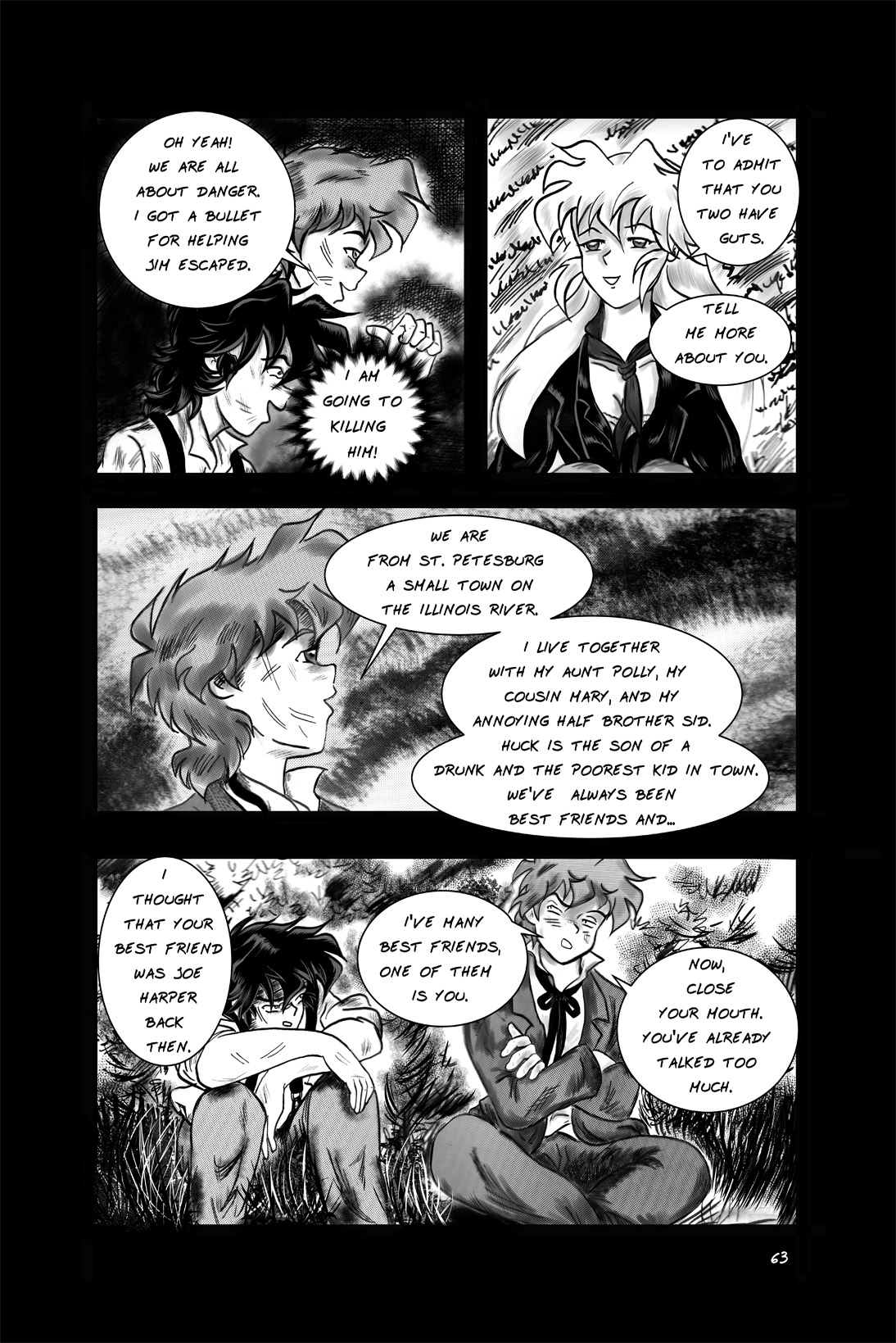
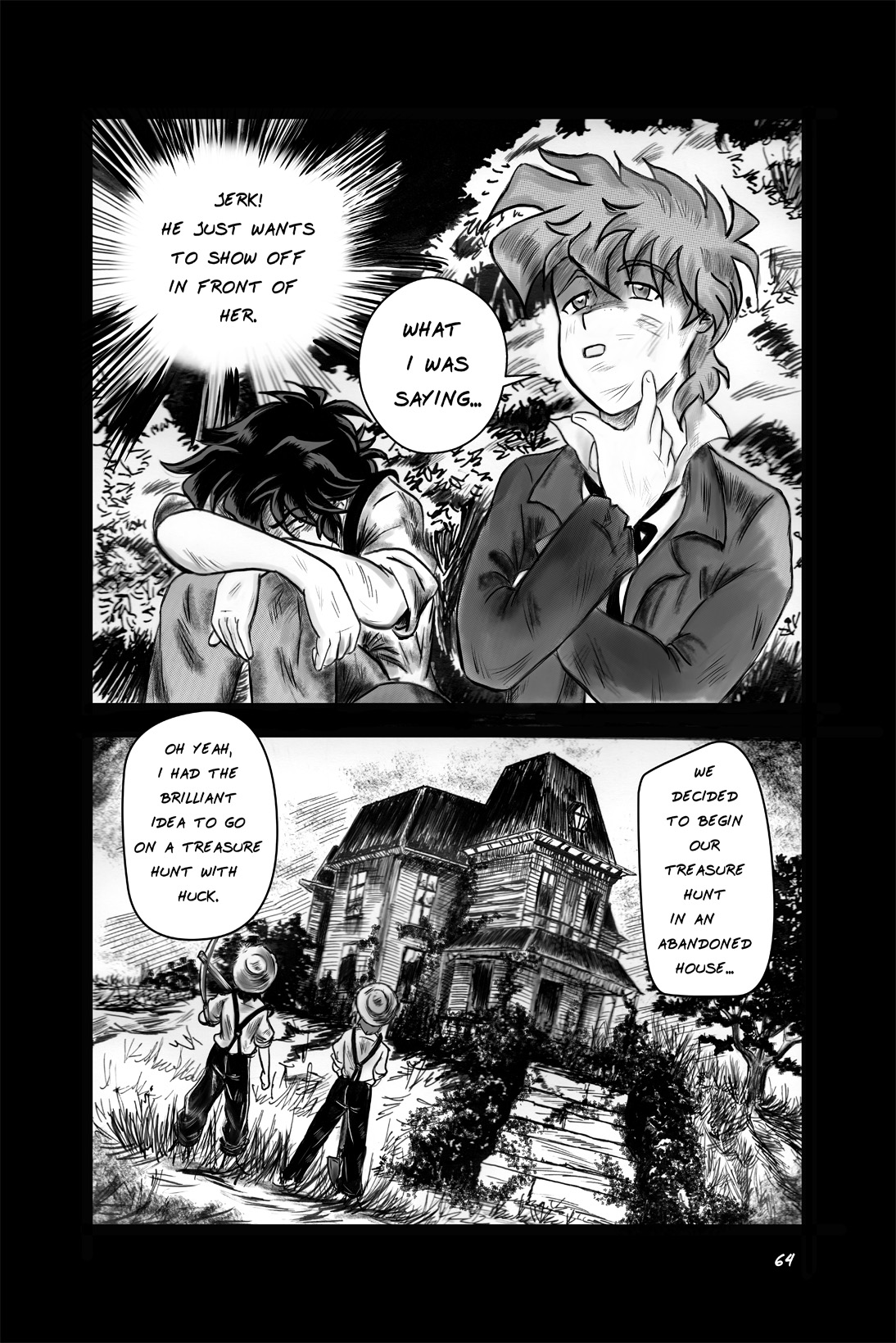
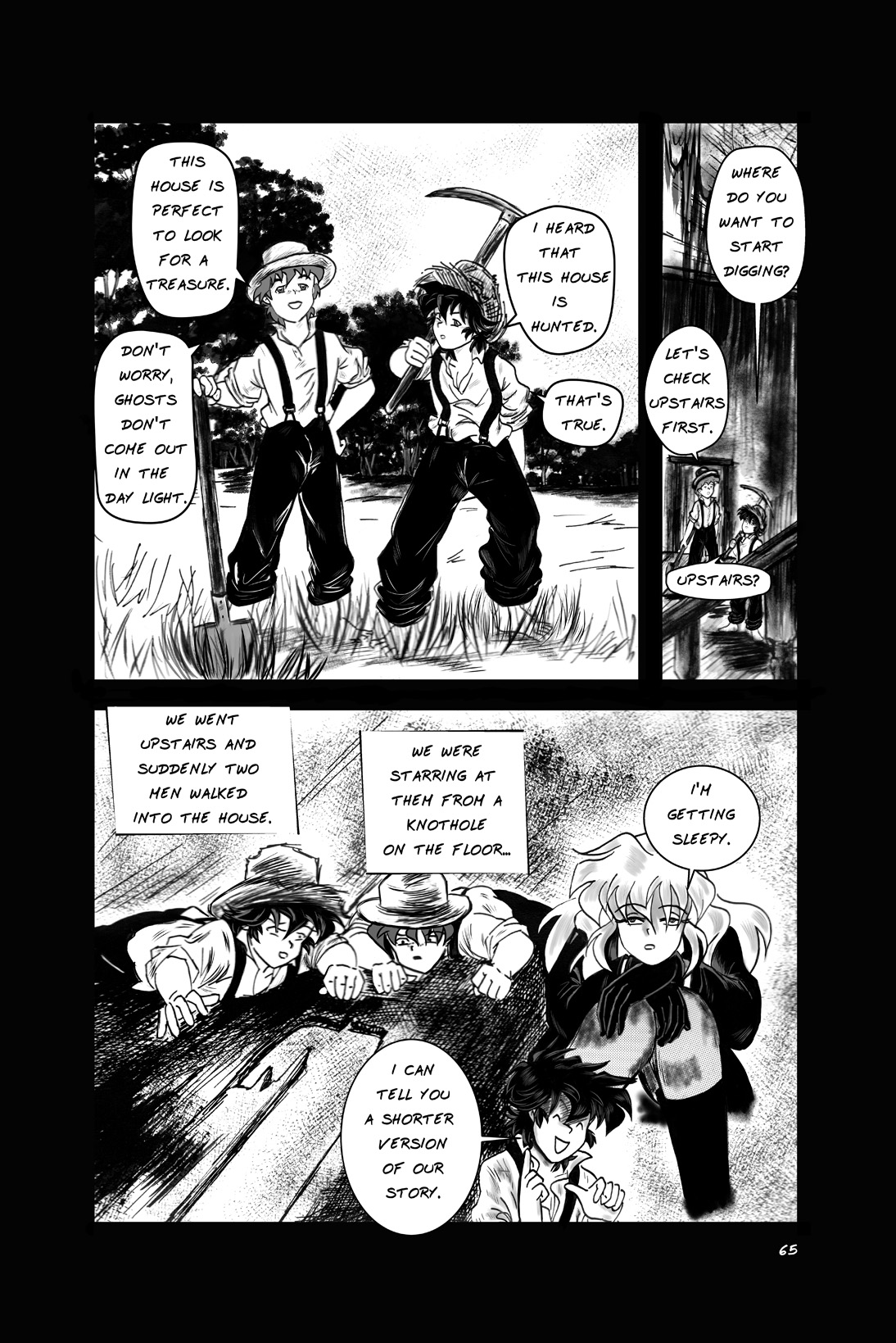
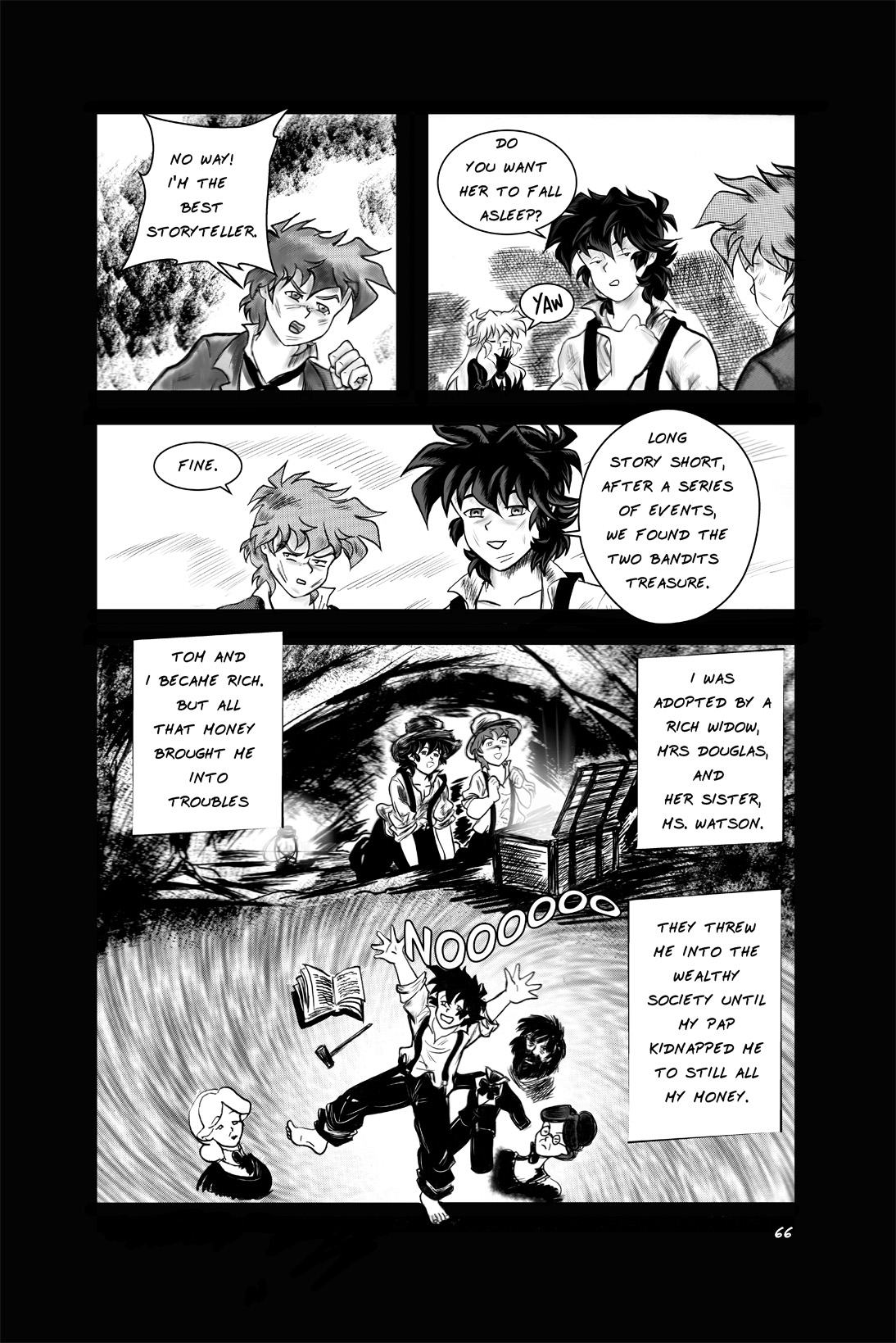
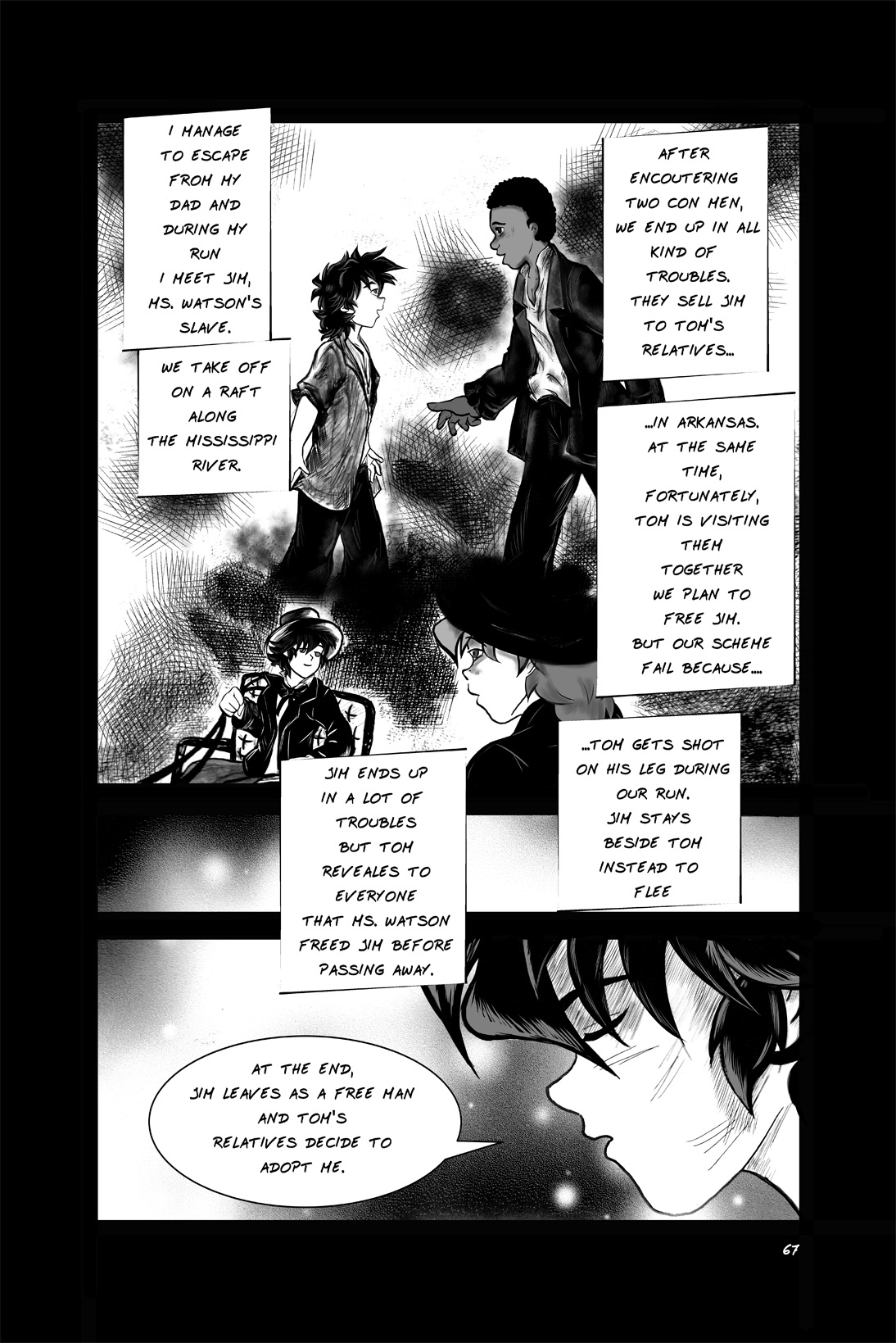
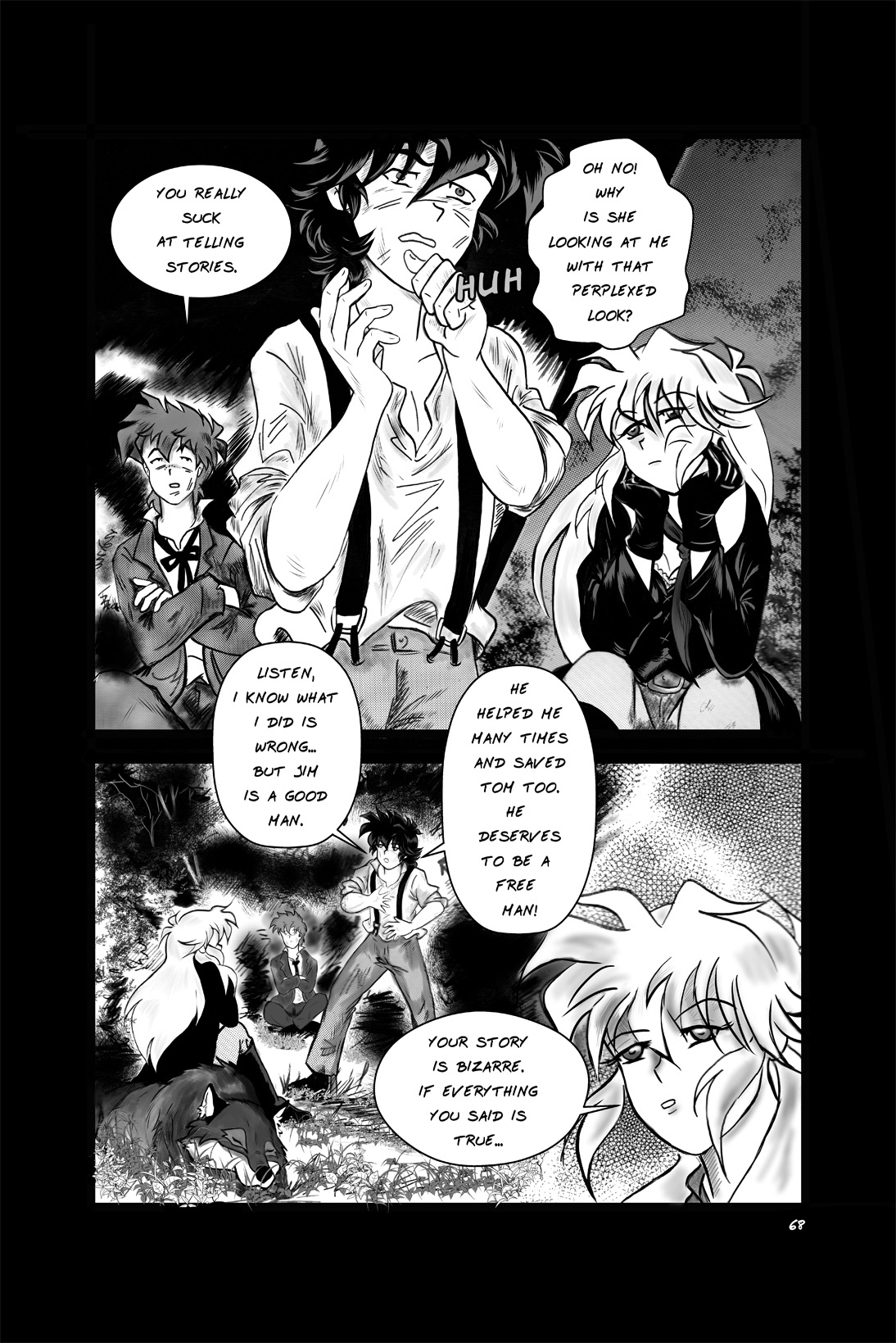
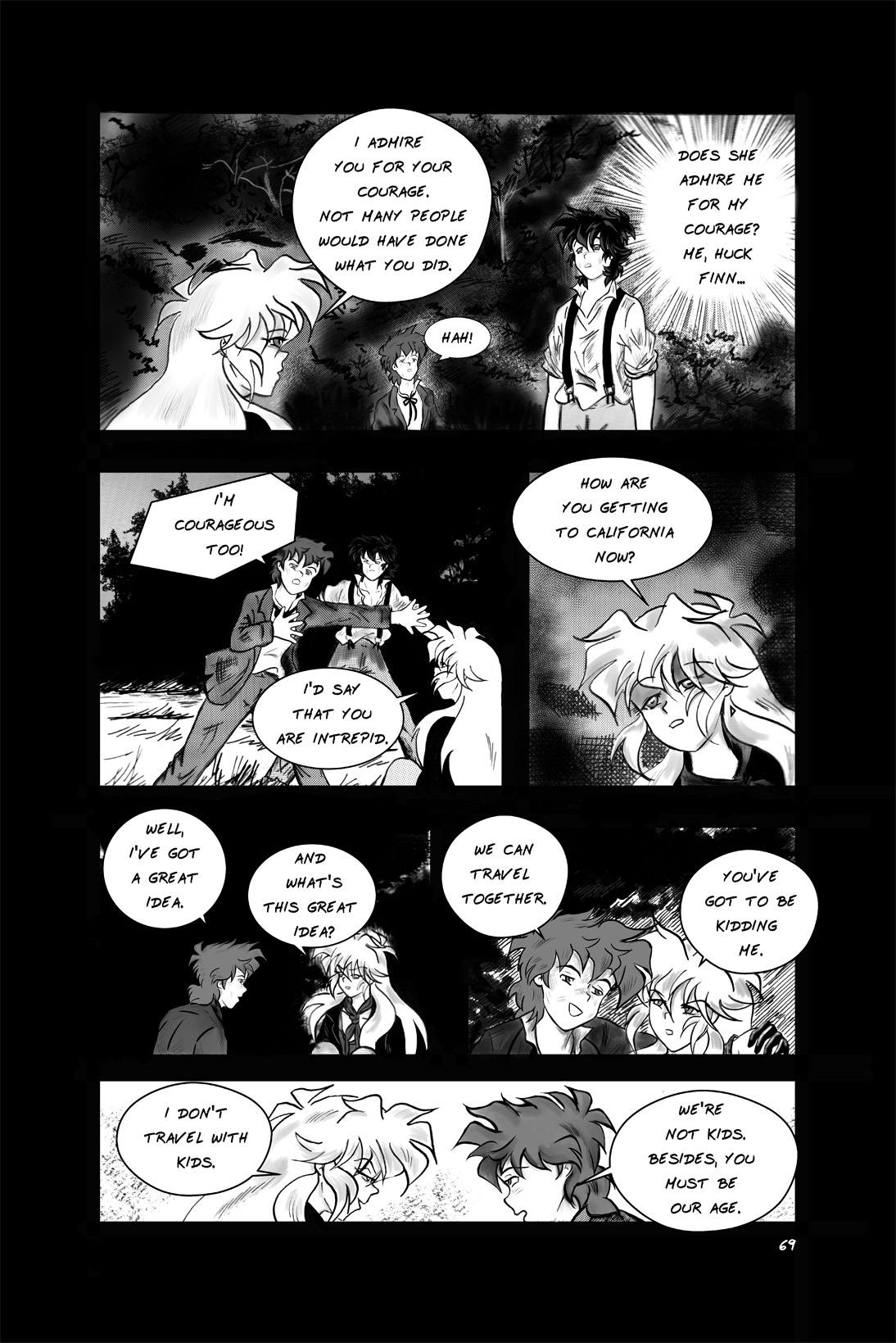
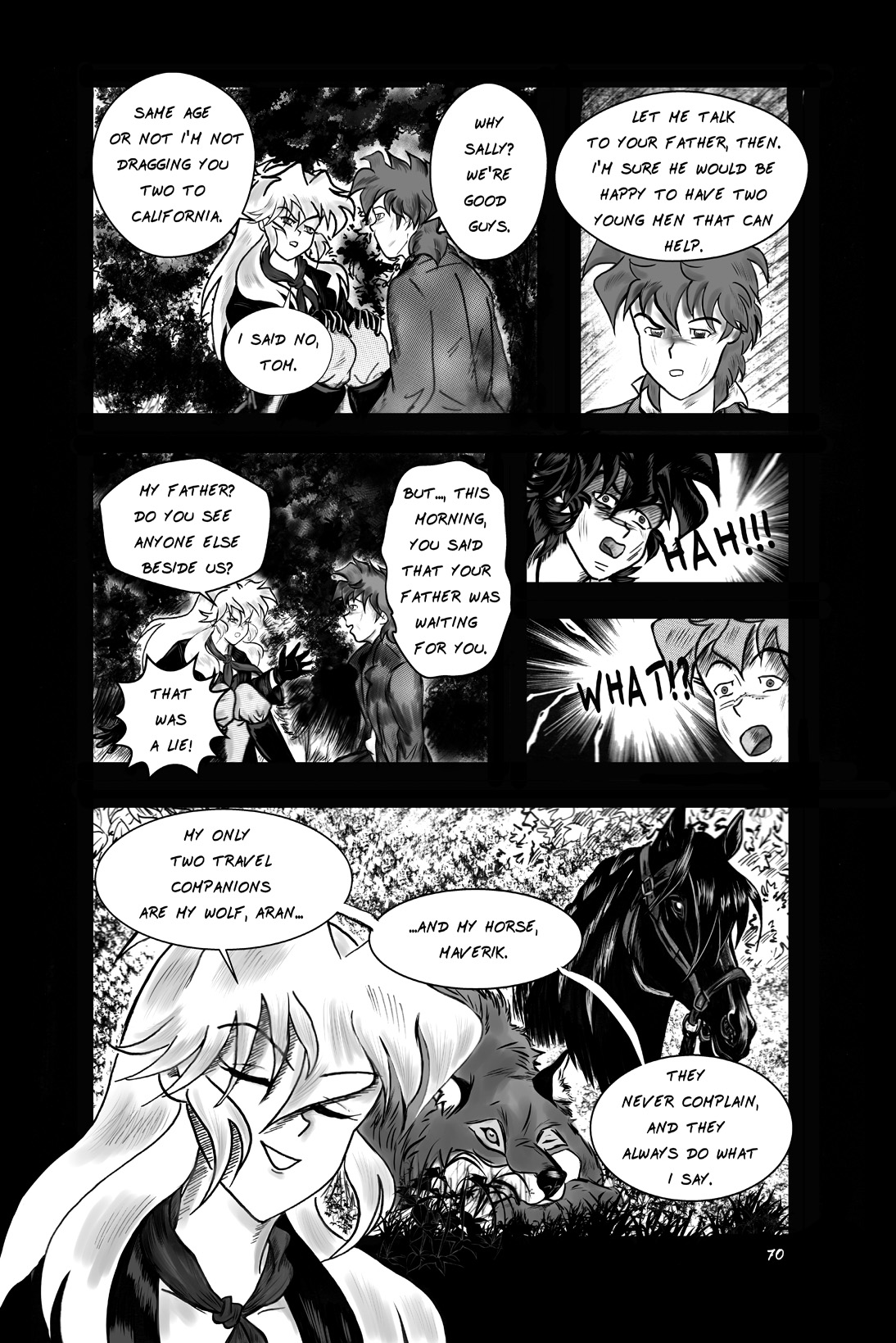
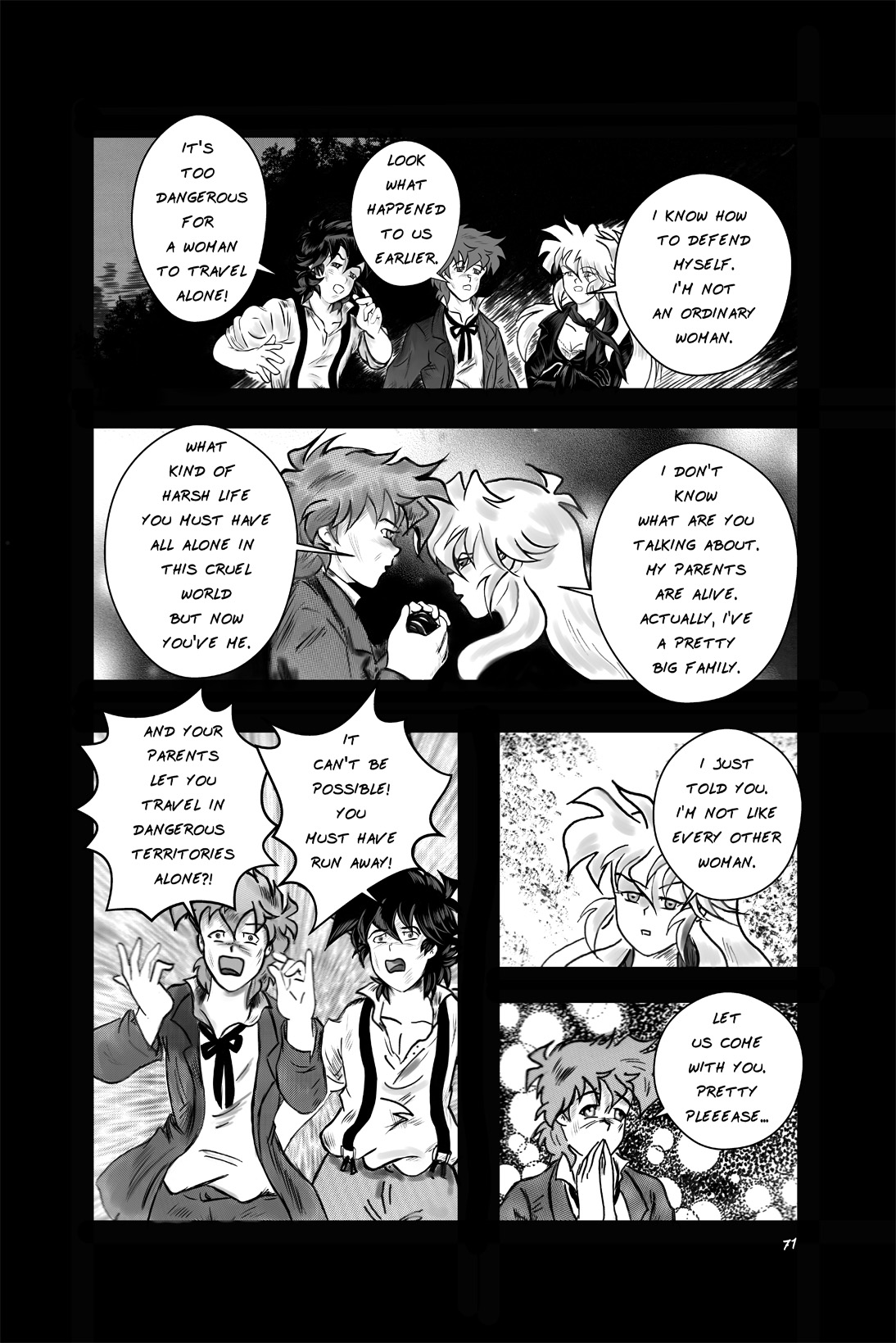
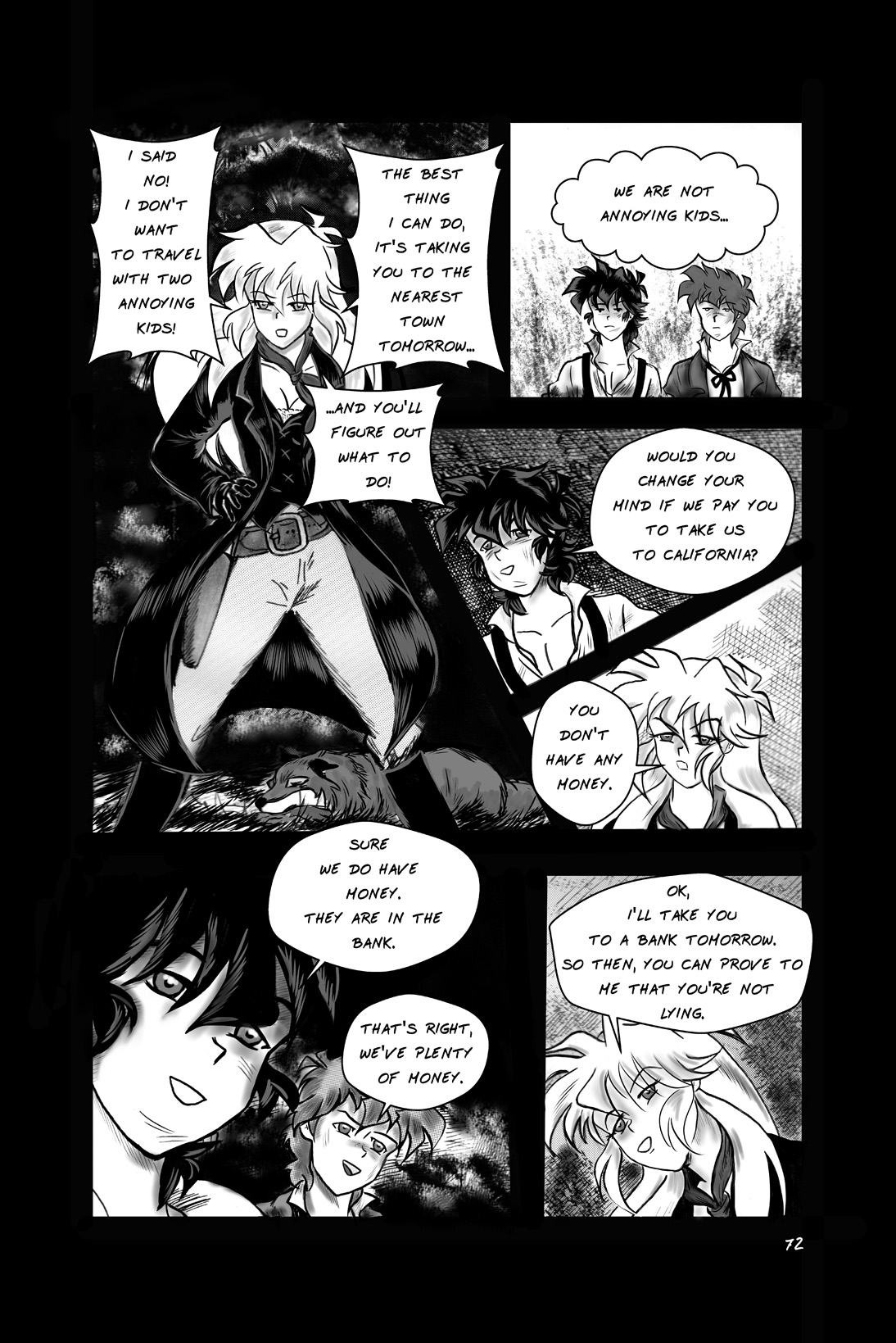
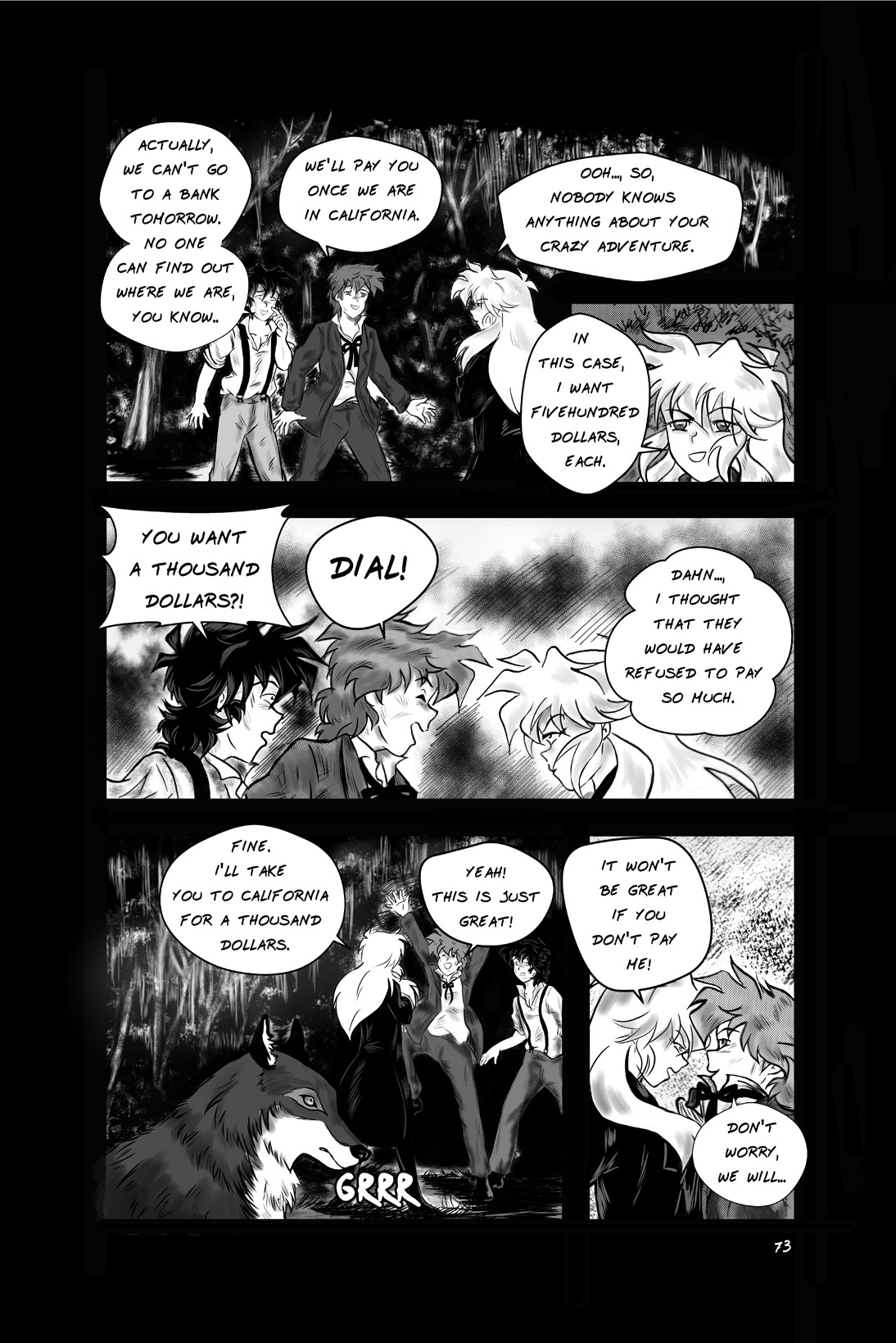
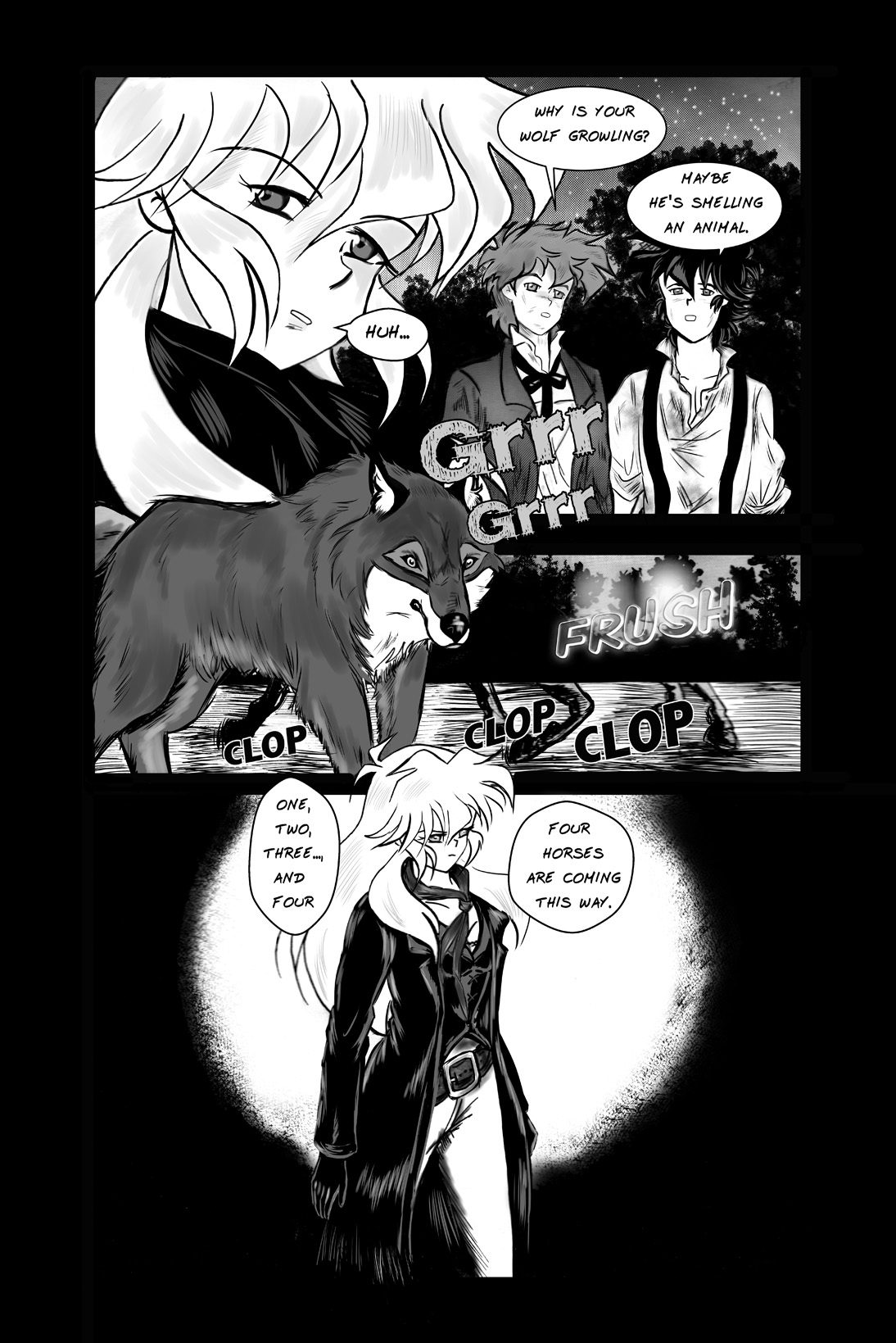
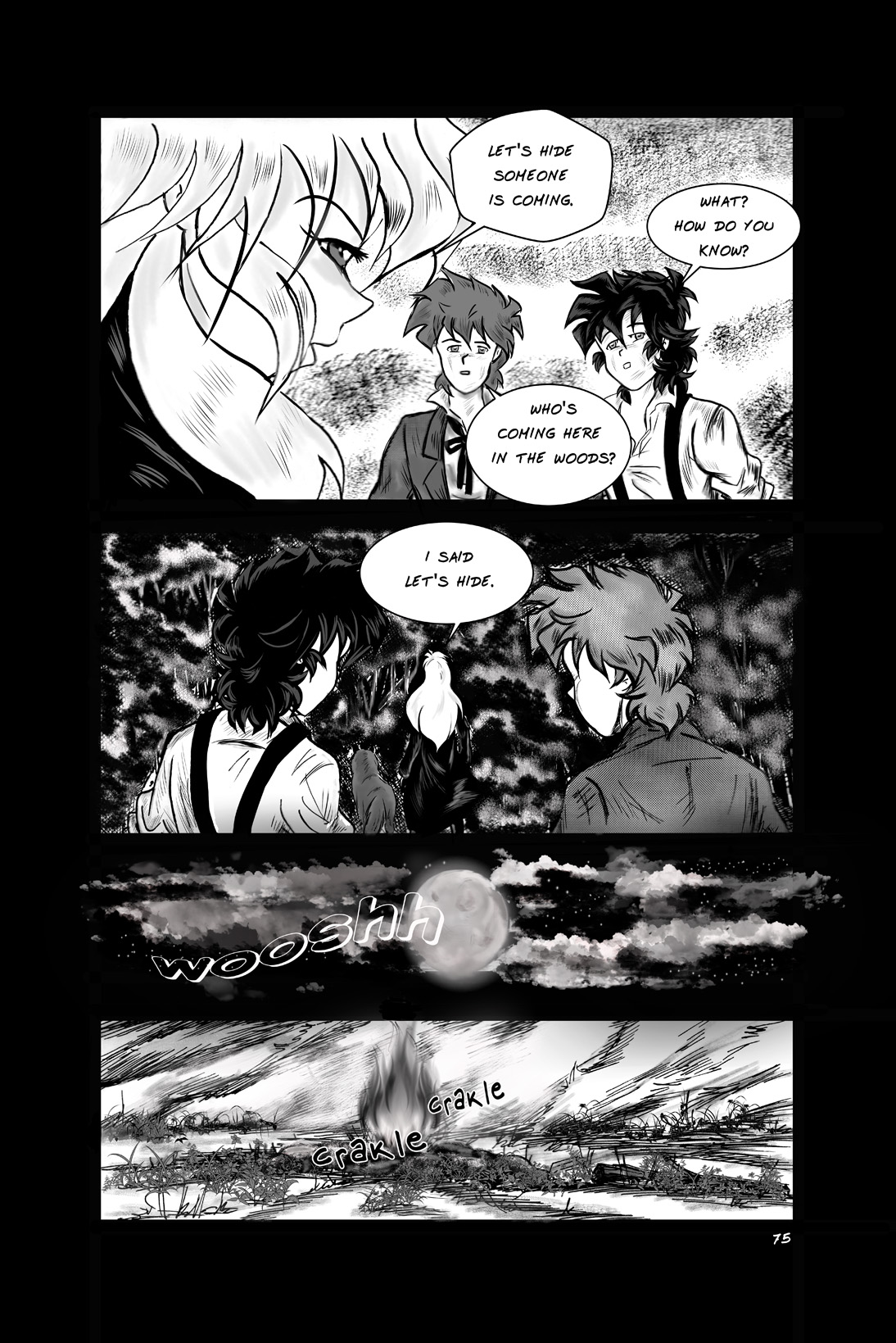
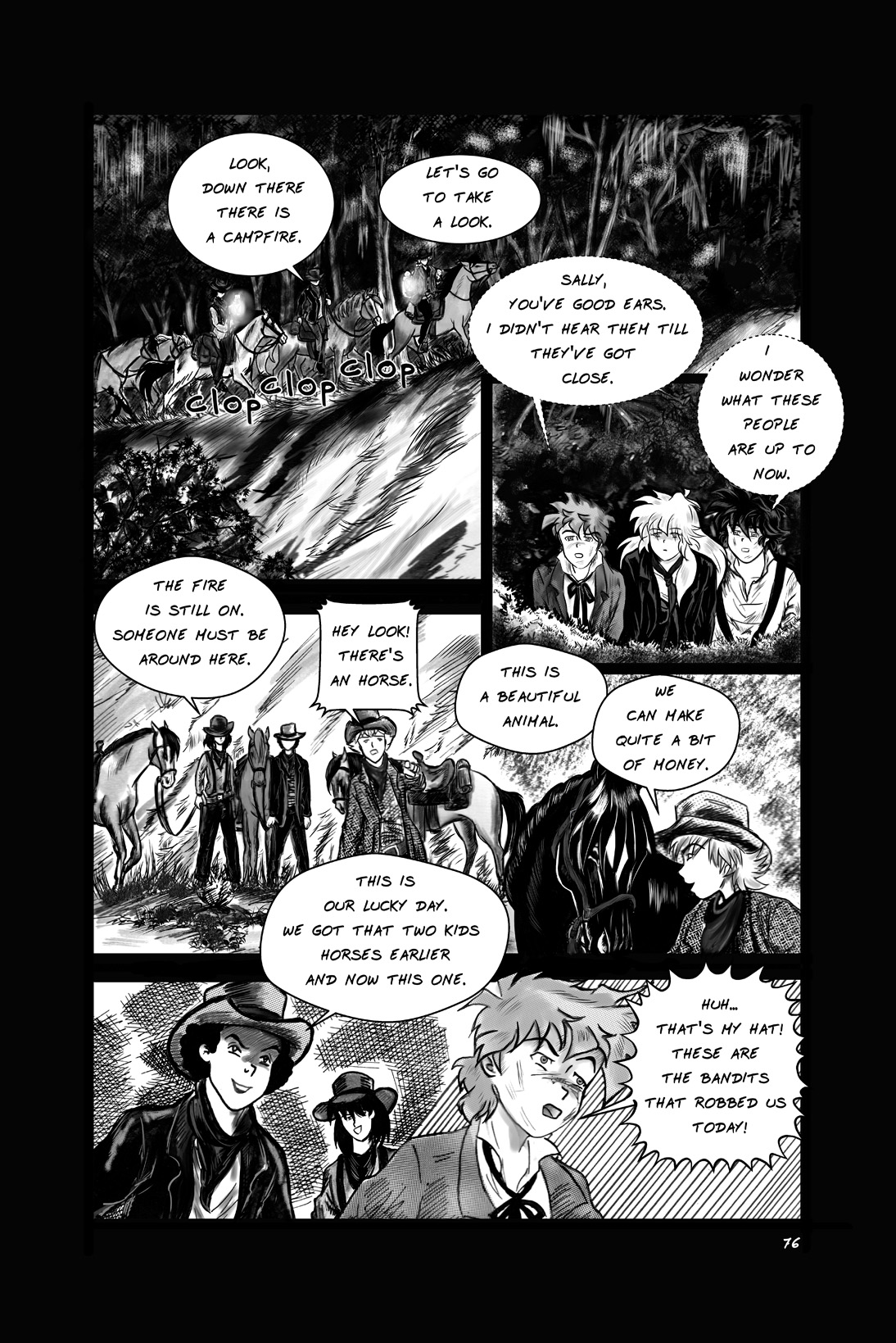
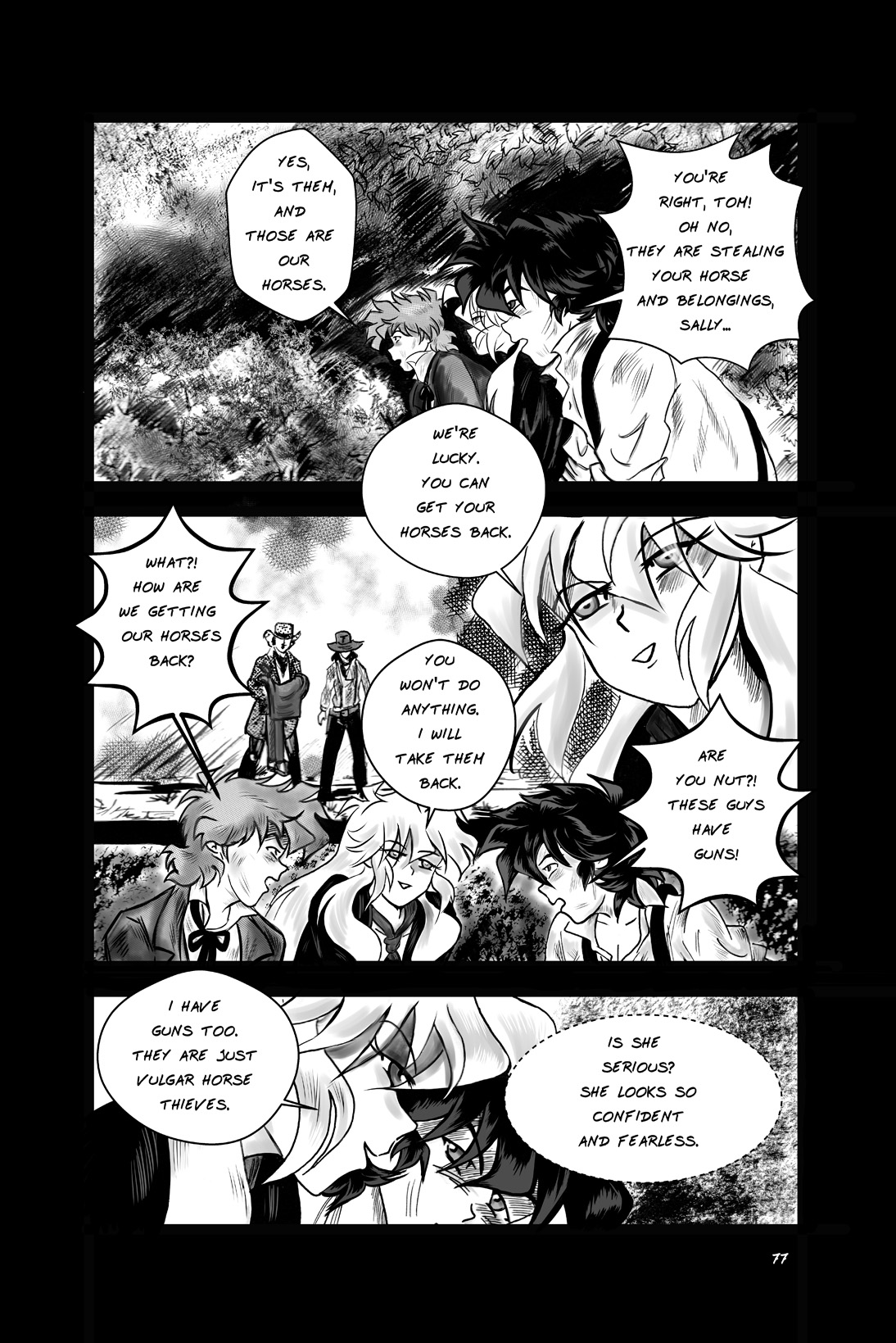
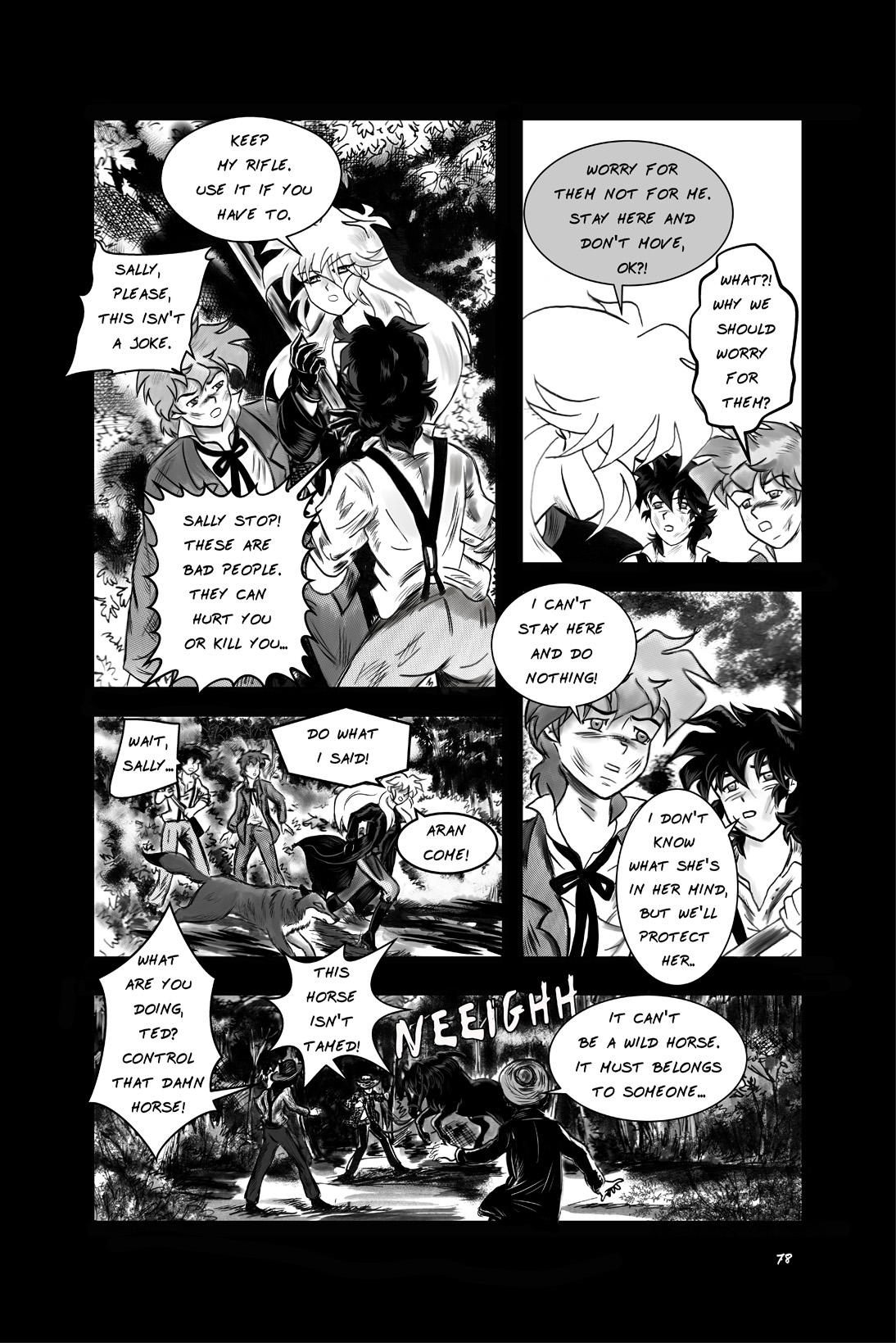
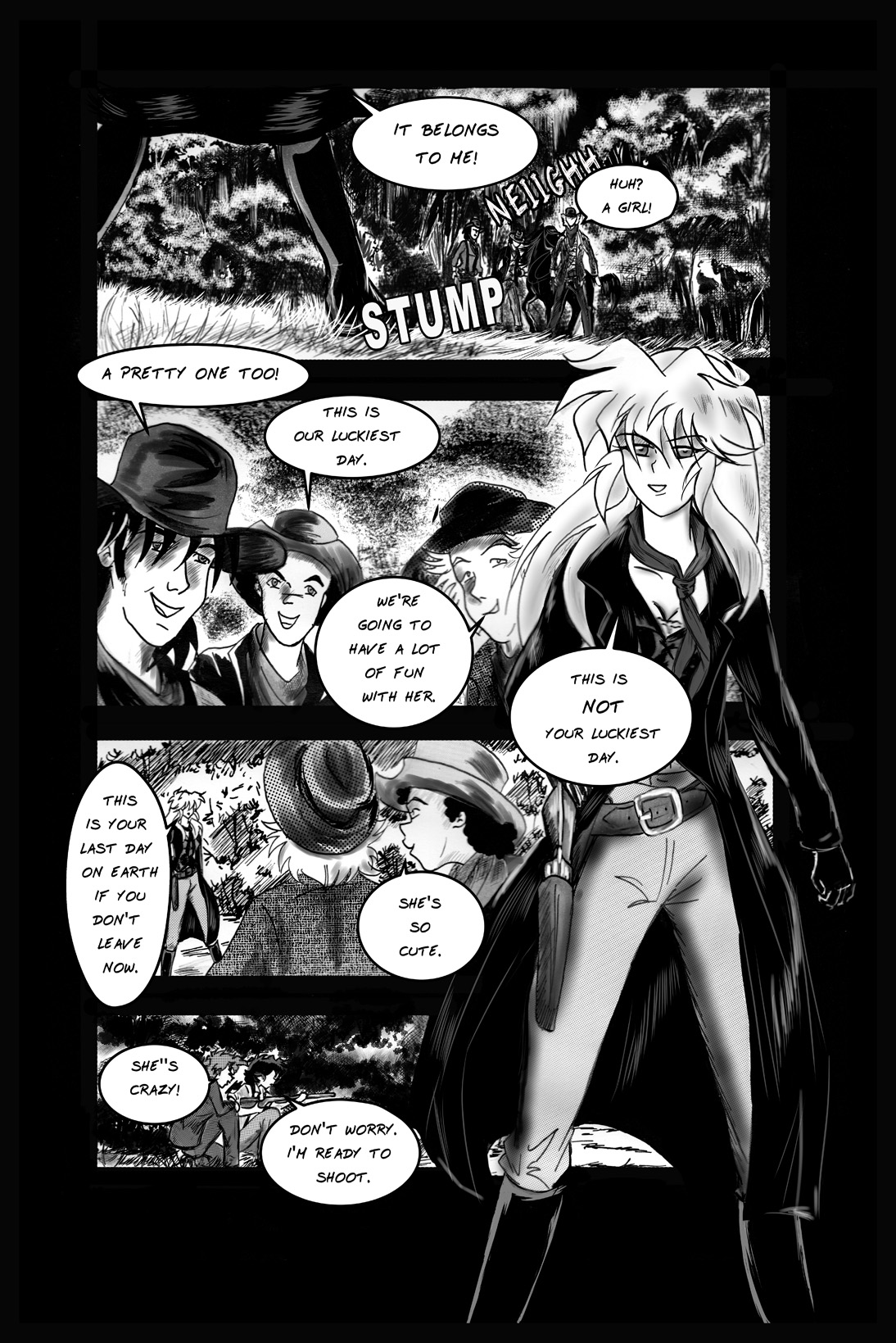
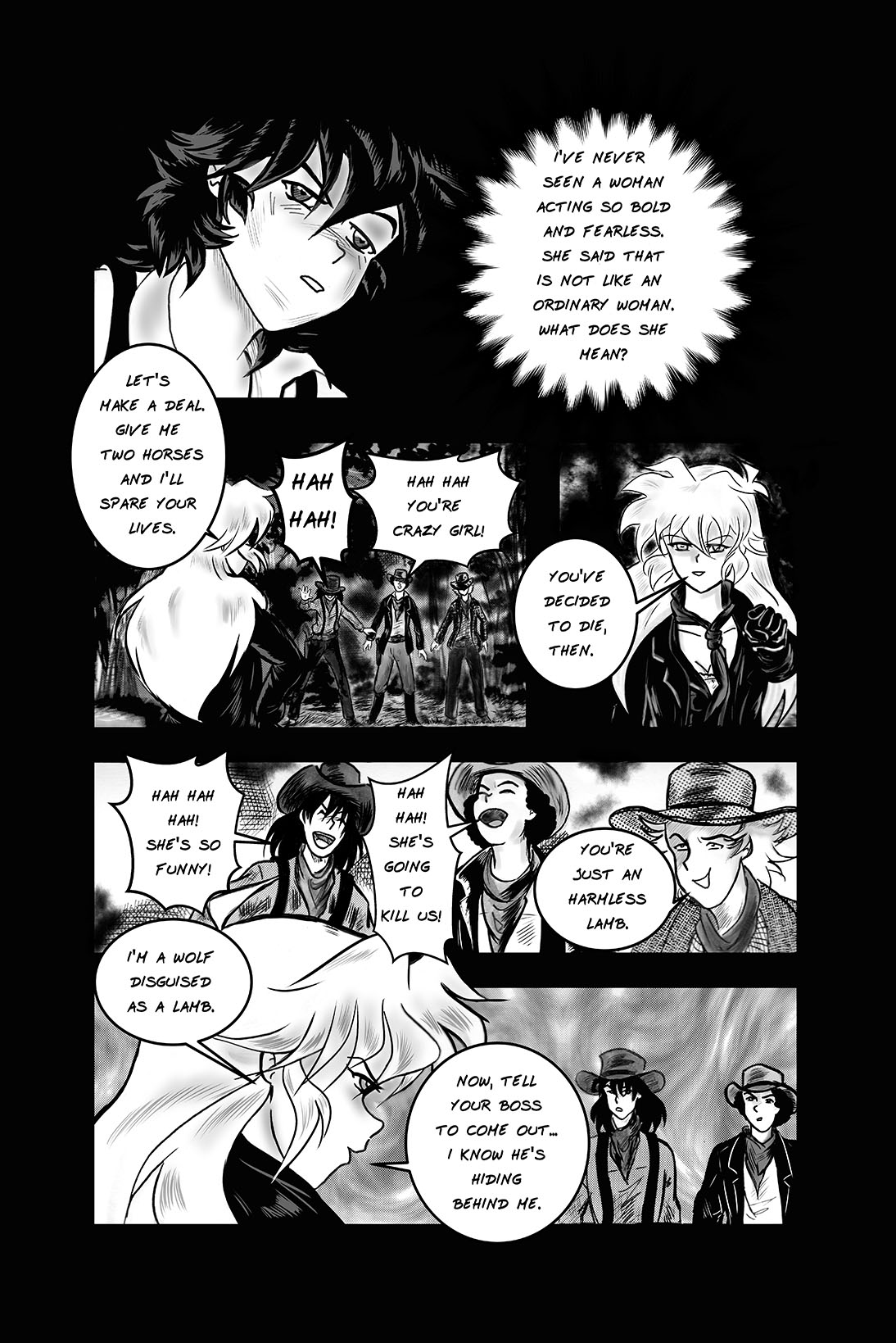
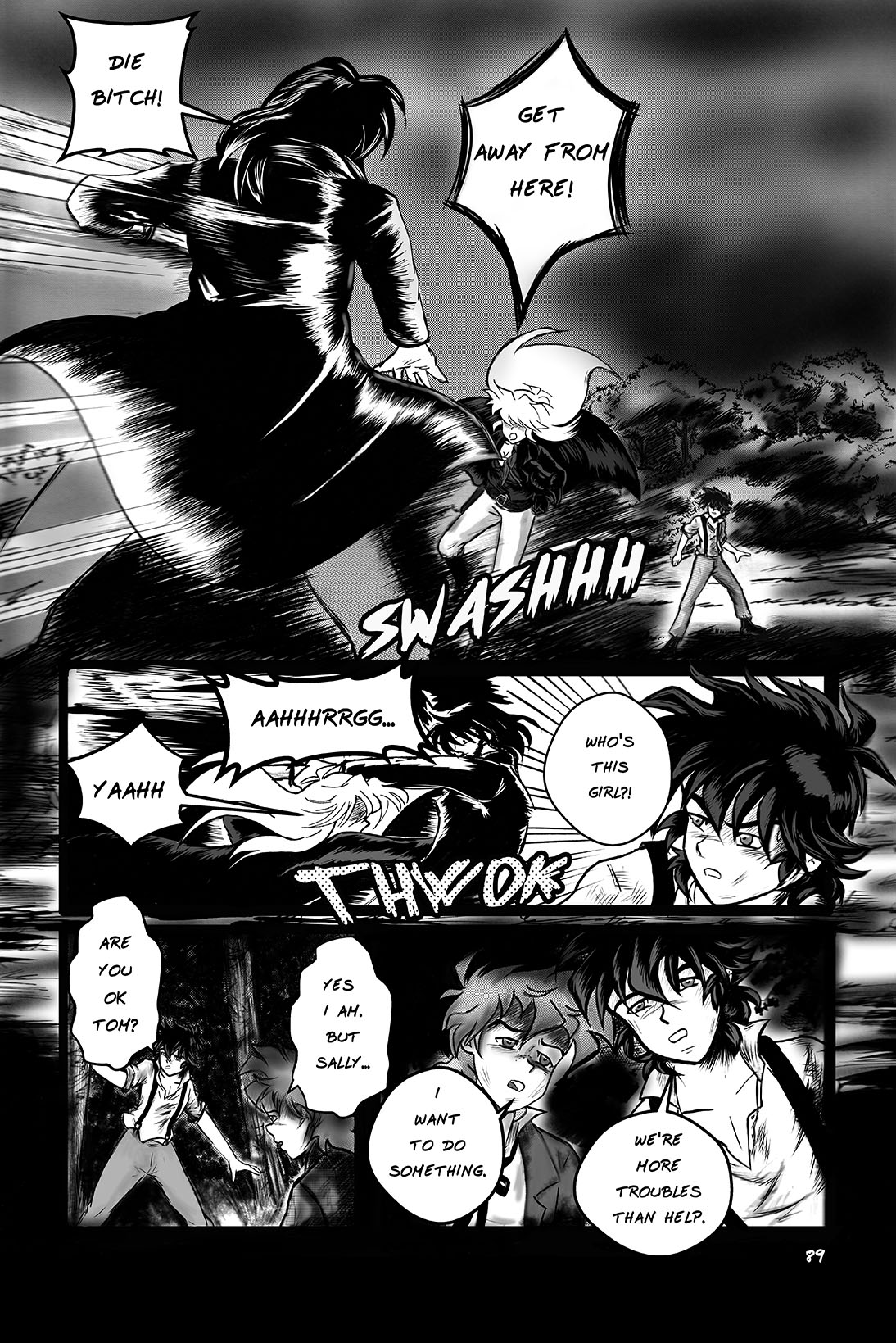
In Legends of the West, I created many characters. Two of them, however, are not coming from my imagination but from two famous novels, The Adventures of Tom Sawyer and The Adventures of Huckleberry Finn, written by my favorite American author, Mark Twain. Huckleberry Finn and Tom Sawyer are two of the main characters in my story.
It's easy to think that I stole these two characters from the famous novels and adapted them into my story, like many other authors have previously done for movies, cartoons, comics, and plays.
It comes naturally to believe that taking characters from someone else's work and fitting them into a new story is easier than creating your own. Actually, this process it's harder than anyone may think.
Mark Twain is my favorite author. I like all his novels, and I fell in love with Tom and Huck's adventures. I have a lot of respect for these two masterpieces and their author. When I decided to use Tom and Huck in my graphic novel, I promised to try to do my best to keep them as close as possible to the original books.
In order to achieve this goal, I have to constantly ask myself how Huck and Tom respond in situations happening in the manga. Researching and studying the original characters and their environment helped me to achieve this challenge. At least, I hope that (I can't ask Mark Twain to review my story, unfortunately).
RESEARCH
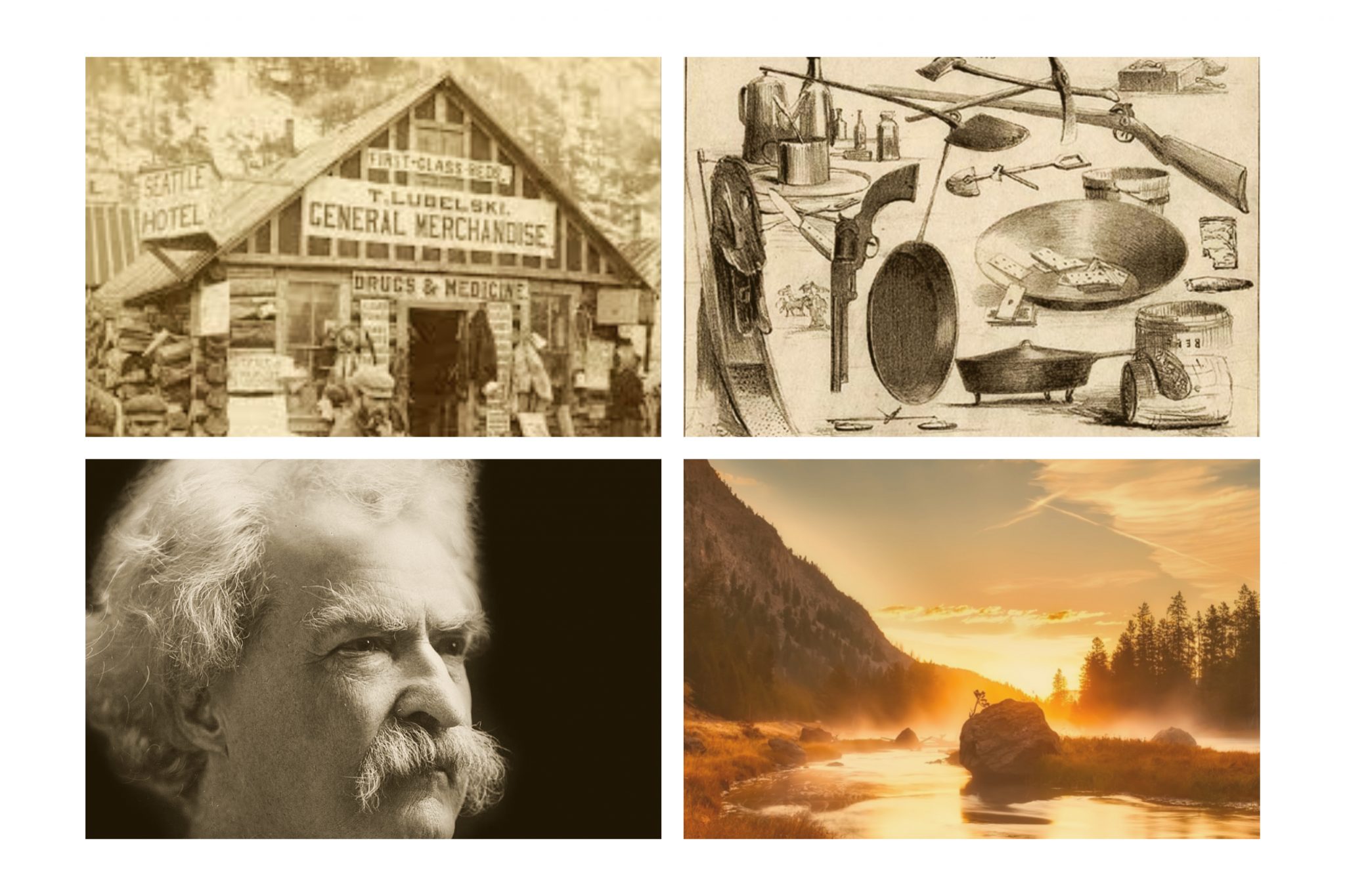
Writing a story requires a lot of work and involves a lot of research. Wherever a story is set in a particular time of History, in a futuristic period, in an imaginary world, or in our present time, the author needs to know what he's going to write about it. The storyteller must research the landscape, the history, the costumes, and the way of life of a particular period or place. In my case, I learned about the Gold Rush era. I read an analysis about Tom Sawyer and Huckleberry Finn. I researched costumes, weapons, and the way of life of that historical period.
For me, all of this work is not a painful job, but the opposite. That's why I always recommend writing or drawing something that you are passionate about.
My research and digging about Mark Twain and American history helped me to understand the two characters and insert them into my story without going too far off from their own nature. Taking the time and the effort to know about your story theme is a good way to get inspired and generate new ideas for a story.
DO NOT TRY TO EMULATE AN ORIGINAL WORK
Another aspect of writing a story with non-original characters is not to try to emulate the original work. Hollywood, plays, books, and even cartoons tried to rewrite a masterpiece, adapting the two famous characters into something for a younger audience. It didn't happen only for Mark Twain's work, but for other novels too.
The result is not always great. Sometimes the story and characters change so much that they no longer relate to the original work.
Before I knew about Mark Twain and his two novels, I watched an anime. Its title is My Friend Huck. I was still living in Italy at that time. I enjoyed the anime so much that I decided to read the two novels. You can't imagine my surprise. The cartoon and the books were completely different. The only common thing was the characters' names. Just to give you an example, in the anime, Jim was the adoptive son of the Widow Douglas, and he was the same age as Tom and Huck. Jim and Huck run off on a raft, but the reason was to visit Jim's mother, who was recovering in a Cairo hospital.
Yep. That was a great surprise.
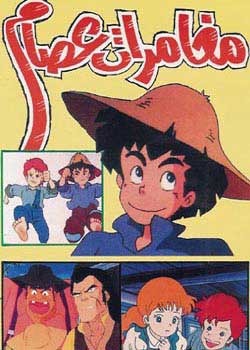
I didn't want to make drastic changes like that. I think that the beauty of Tom and Huck is their story. The two novels are masterpieces of American Literature.
I wanted to use Tom and Huck in my comic book. But how could I use them without destroying their beauty? Definitely, I didn't want to rewrite the two novels. It's already been done too many times.
I thought that writing about Tom Sawyer and Huckleberry Finn when they are still 13, 14 years old, like in the original novels, would be quite difficult. After all, Mark Twain already told us about Tom and Huck's adventures in their preteen years.
It came to me the idea that now it is time to tell their tale as young men.
To begin my graphic novel, I started from the ending of The Adventures of Huckleberry Finn book and narrating their new adventure as teenagers in the wild American Frontier.
In Legends of the West, Huck and Tom are sixteen years old. Three years passed before the two buddies met again.
How can I write about the two young men without changing their nature?
A way to accomplish that is to think about their environment. I asked myself a question: Did Huck and Tom's environment change in the past three years?
THINK ABOUT THE CHARACTER ENVIRONMENT
The environment in a story can impact a character. Just like in the real world, it can affect a person, causing them to change mentally and physically.
At the end of the Adventure of Huckleberry Finn, Tom Sawyer dreams of a new adventure in the Indian territory; meanwhile, Tom's relatives decide to adopt Huck. The ending is left open, letting the reader imagine what the two kids are going to do next.
At this point, in my thoughts, Tom went back to St. Petersburg together with his Aunt Polly, while Huck was adopted by the Phelps and was living with them in Pikesville, Arkansas.
When the two friends meet again, Tom is still the same old Tom. The same kid who dreams of adventures and wants to be a hero. Tom hasn't changed because his environment has not changed. He went back to the same familiar town, friends, and family. Nothing really impacted his personality.
The situation is different for Huck. He didn't go back to St. Petersburg like Tom. He's in a new and unfamiliar environment. New home, new town, new people, and new friends. Moving from a native place to a new one is difficult for everybody, especially for a child.
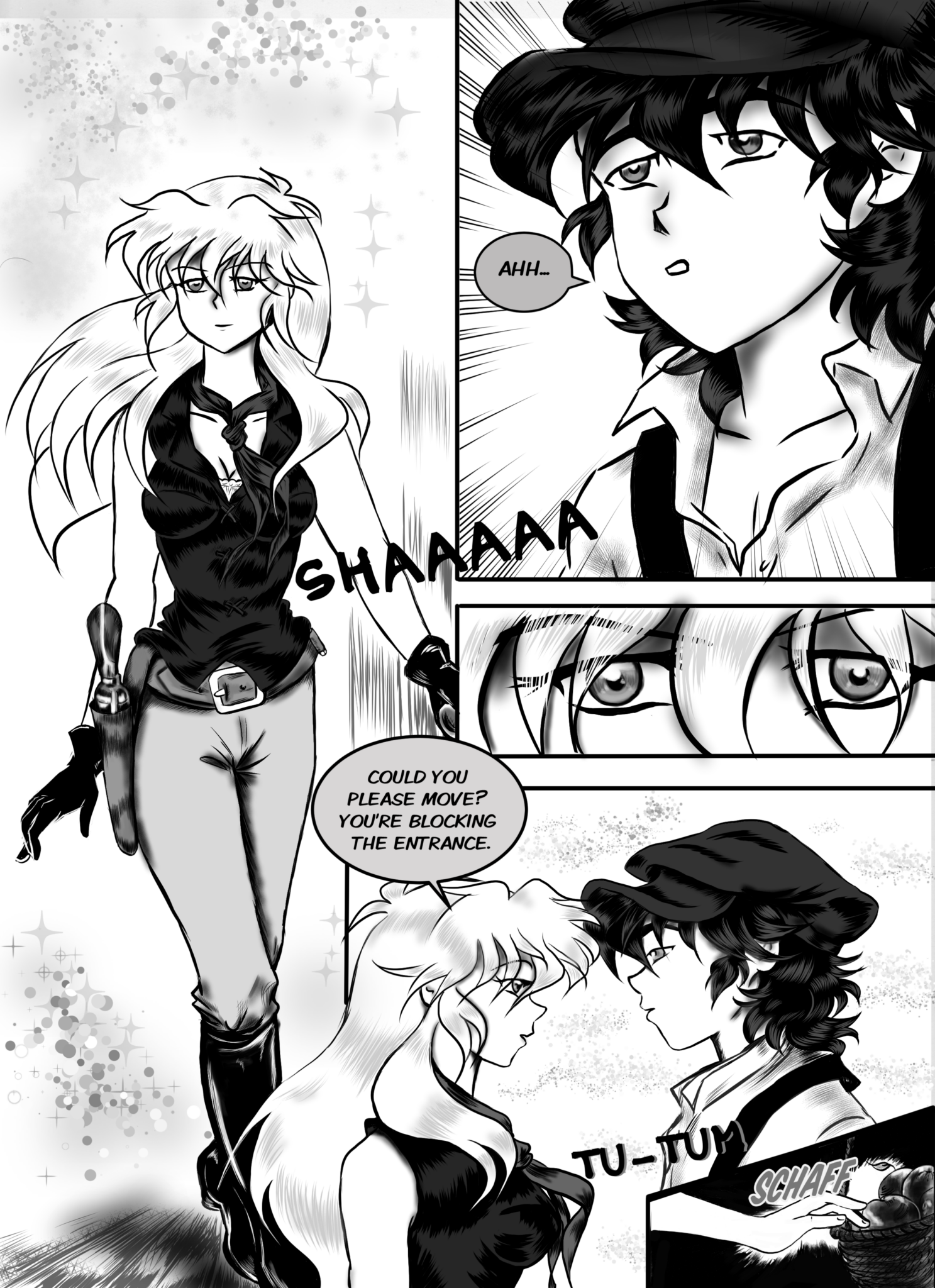
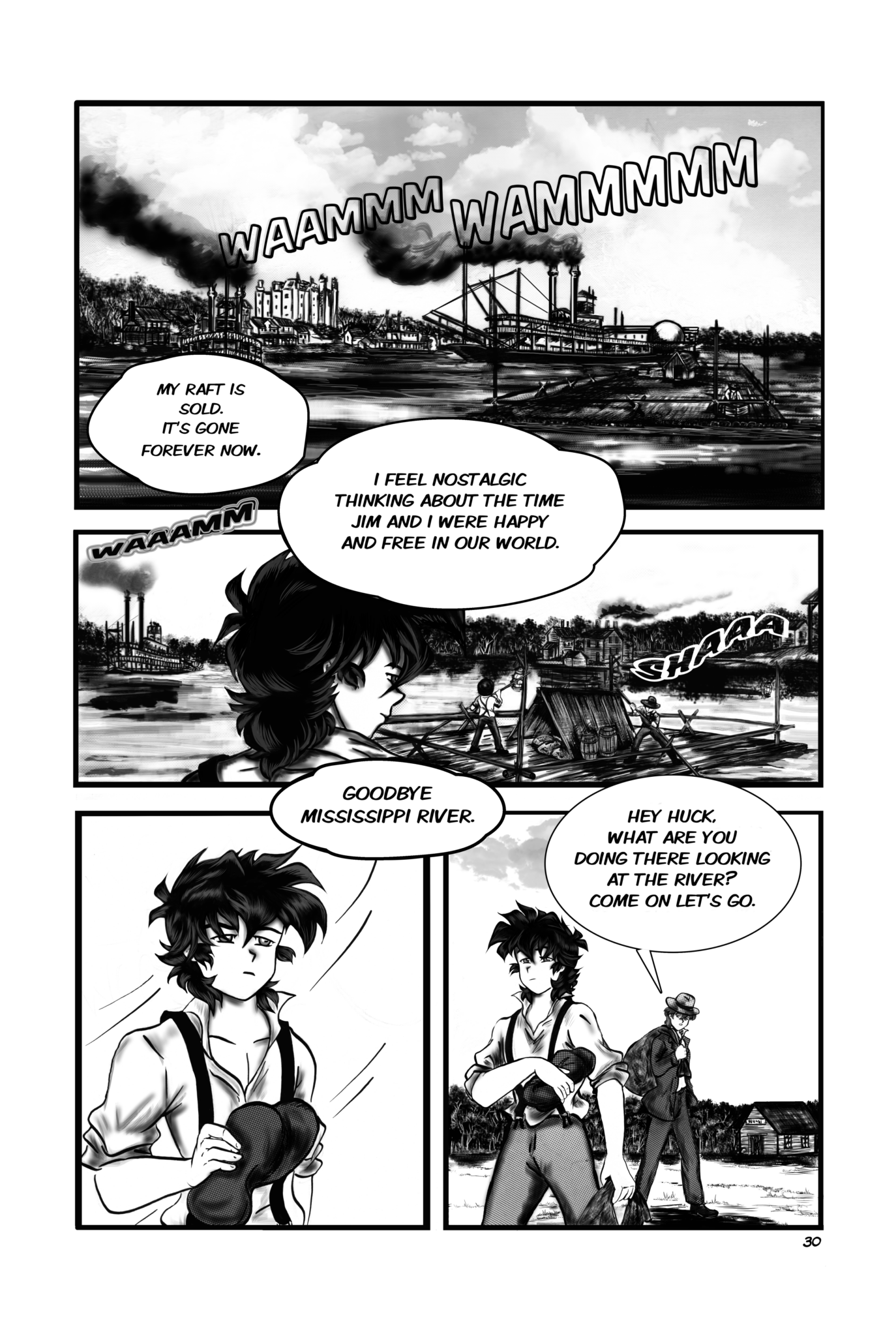
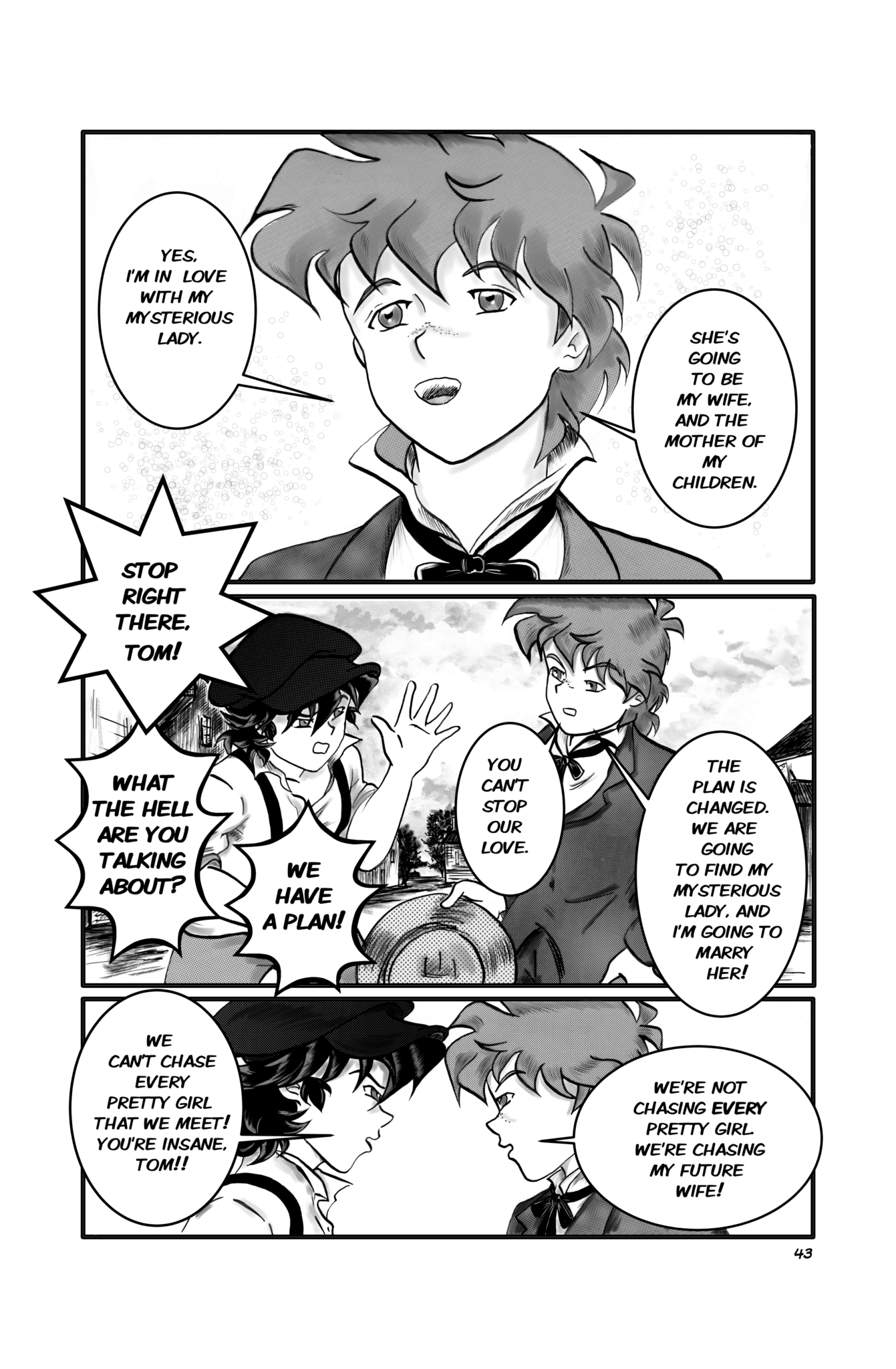
Huck had to cope with the fact of being away from a familiar place and people who more or less knew about him and his story. In the new town, he has to make new friends and meet new people. No one knows about his past and his adventures with Tom. Now, he's living with the reputation of helping a runaway slave. Jim was indeed a free man, but Huck didn't know it till Tom revealed it at the end. It is not a breeze for him to get around the new town and make new friends with such a reputation in a slave state.
This new situation impacted Huck and changed him. Now, he's more mature with his feet on the ground. Even if he lets himself get dragged into nonsensical arguments by Tom, he has a better view of the world that surrounds him.
In the graphic novel, Aunt Sally mentions that she never saw him smile. He seems annoyed by his girlfriend, too. Huck is melancholy indeed; nothing really makes him feel happy. That's why he decides to join his best friend's dangerous adventure, not just because Tom asked him, like in the past, but because Huck wants to get away from that place and finally find himself somewhere else.
During their adventure, they will meet new people and face new challenges never faced before. Thus, make them change again and grow as the story progresses.
This is an example of how the environment is a fundamental part in the creation of a character and developing a story. It's one of the most important basics that a storyteller should always keep in mind. Ask yourself how the world around your hero in the story impacted him. These thoughts can really help to analyze and grow a comic book.
KEEP THE CHARACTERS RELATABLE TO THE AUDIENCE
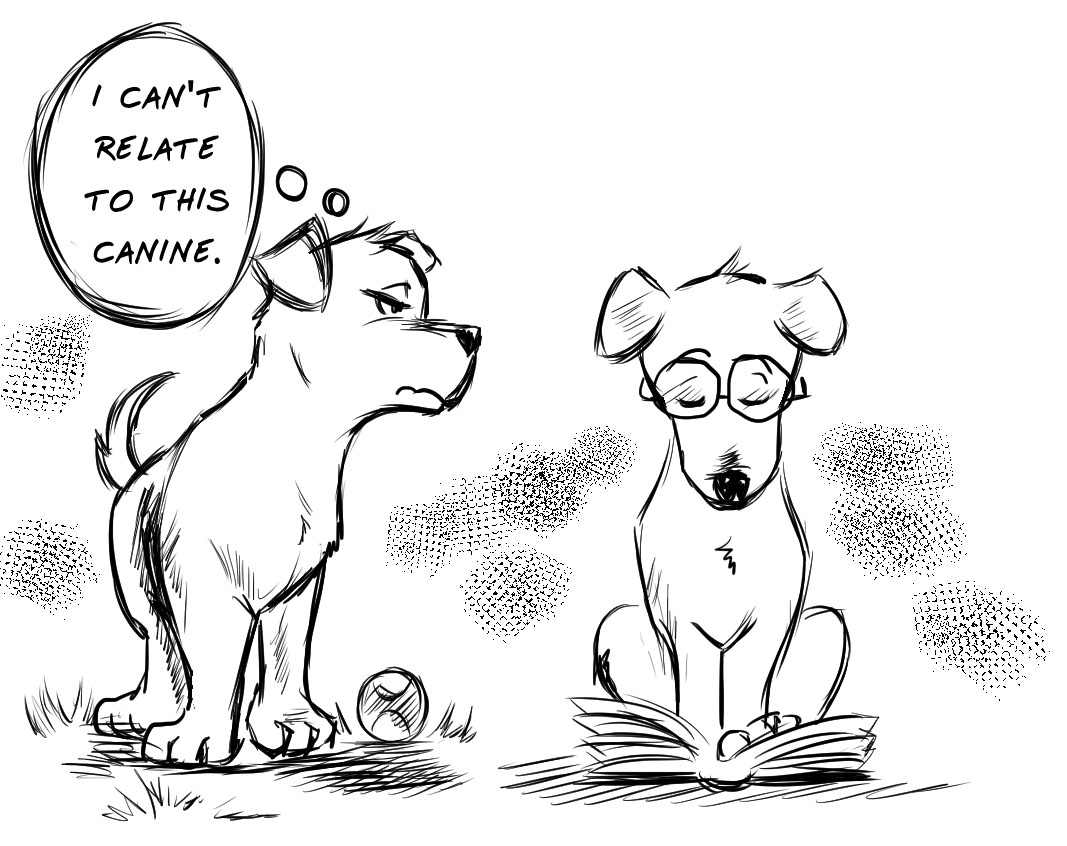
Another important basic to keep in mind is that characters in a story must be relatable to the audience. People are not perfect. All of us have positives and negatives. We have obstacles in our life to affront, decisions to make, failures, rejections, deal with the unexpected. Sometimes we are winners, sometimes we are losers. This is the same for our characters. A storyteller must be able to evoke emotions in viewers or readers. No matter if you write a novel, a movie, or a comic. An audience must feel involved in the story and relate to the characters.
Creating a character that is perfect in everything is a big mistake. A hero that is always right, with no fears, does the right thing all the time, gets the woman or man that likes, and everybody loves him or her, is not a great character and is not realistic. The story ends up being predictable, boring, and hard to develop. There is not much to write about someone who wins all the time and is perfect. It would be a story with no emotions and no audience.
THE HERO'S JOURNEY

JOURNEY,...LIFE IS A JOURNEY. THE 12 STAGES OF THE HERO'S JOURNEY
Life is a journey. Just like in real life, characters in comics, novels, and movies go through a journey both physical and mental. Since the day we are born, we embark on a journey without knowing the destination. And just like us, our characters are going to face challenges and cross the unknown that will change them forever. Some of you may know about the Hero's Journey by Joseph Campbell.
Every story has common structural elements. The ancient Greeks used this structure in their mythology, like in The Odyssey. Fairy tales, Disney is a good example, and movies adopted this universal structure, divided into stages.
Joseph Campbell divided these elements into twelve stages called The Hero's Journey. An example of movies that adopted this format is Star Wars, The Wizard of Oz, Harry Potter, The Matrix, The Lord of the Rings, and the list goes on and on. It's right to say that every great story uses the Hero's Journey elements.
The 12 Stages of the Hero's Journey:
Ordinary World
1. Ordinary World
2. Call to Adventure
3. Refusal of the Call
4. Meeting the Mentor
5. Crossing the Threshold
Secondary World
6. Tests, Allies, and Enemies
7. Approach the Inmost Cave
8. The Ordeal
9. Reward
10. Road Back
11. Resurrection
12. Return with Elixir
A story doesn't have to follow to the perfection these stages. However, it's important to know what every single step means and understand the structure for writing a good story. Sometimes, it might be challenging to follow these elements, especially with short stories, but the effort could be worth it.
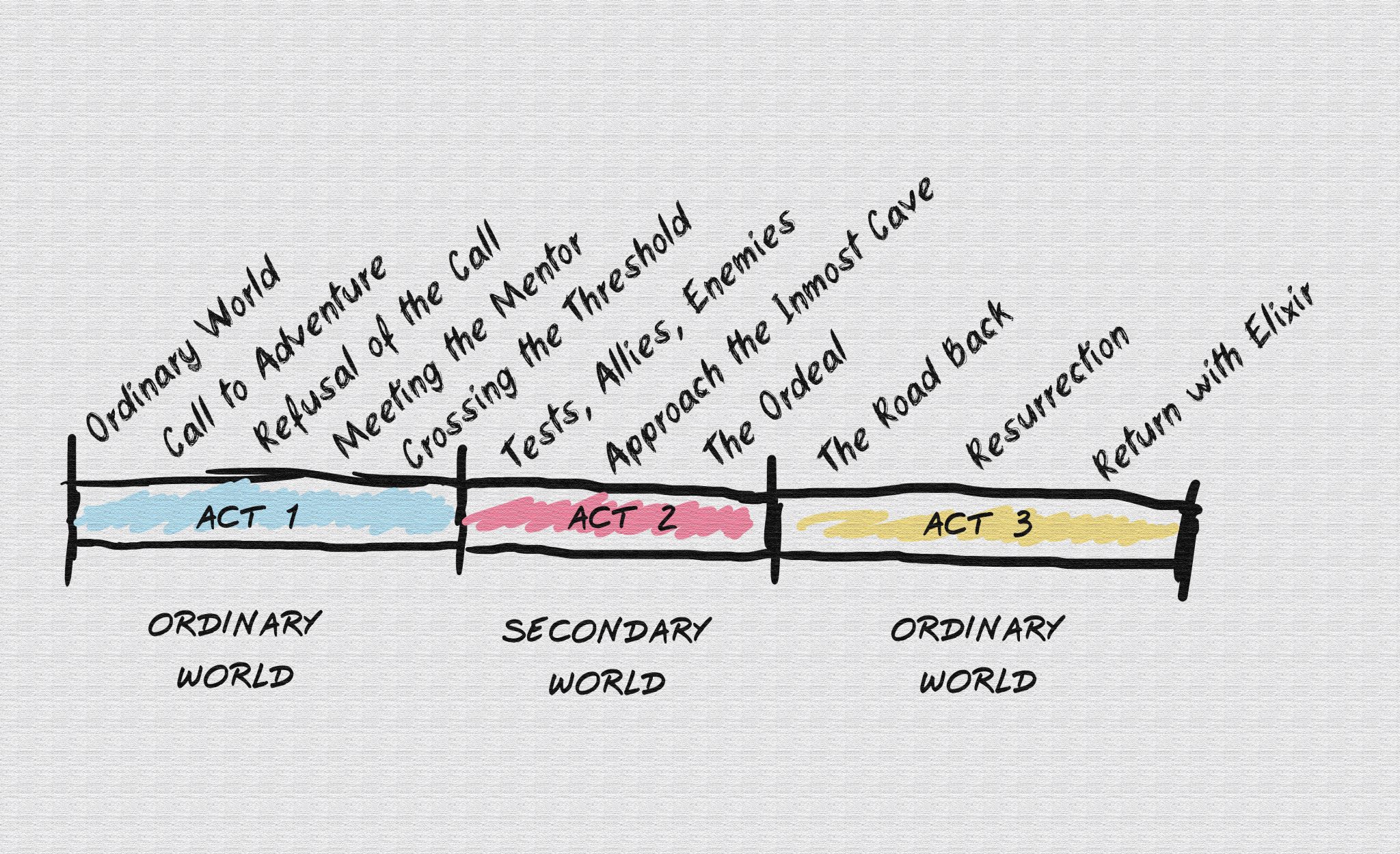

The Ordinary World.
The Ordinary World is the Hero's safe place. It's the first place where the audience meets the main character for the first time. This is the stage where the storyteller has the opportunity to introduce the Hero's flows, emotions, urges, and environment to the audience. It's the part where the Hero finds the reasons to walk through the Secondary World. Writing a story is like building a house, and the Ordinary World is the foundation of a story.

The Call to Adventure
The Call to Adventure is the reason why the Hero begins the Journey. The Call to Adventure has multitude forms. A sudden death, a message, a natural event, an abduction, someone's words, a villain, a discovery, and the list can go on and on. In some cases, the Hero needs a second Call to Adventure before deciding to embark on the Journey. Sometimes the Hero must choose between two conflicting calls.

Refusal of the Call
The Hero refuses the Call to Adventure because of insecurities, fears, danger, and uncertainties, which make it hard for the hero to leave the haven of the Ordinary World. Even for us, at least once in our lives, we didn't take on some challenges for fear of change. In this stage, it's important to underline the conflict between the security of the Ordinary World and the danger of the unknown Secondary World.
Meeting the Mentor
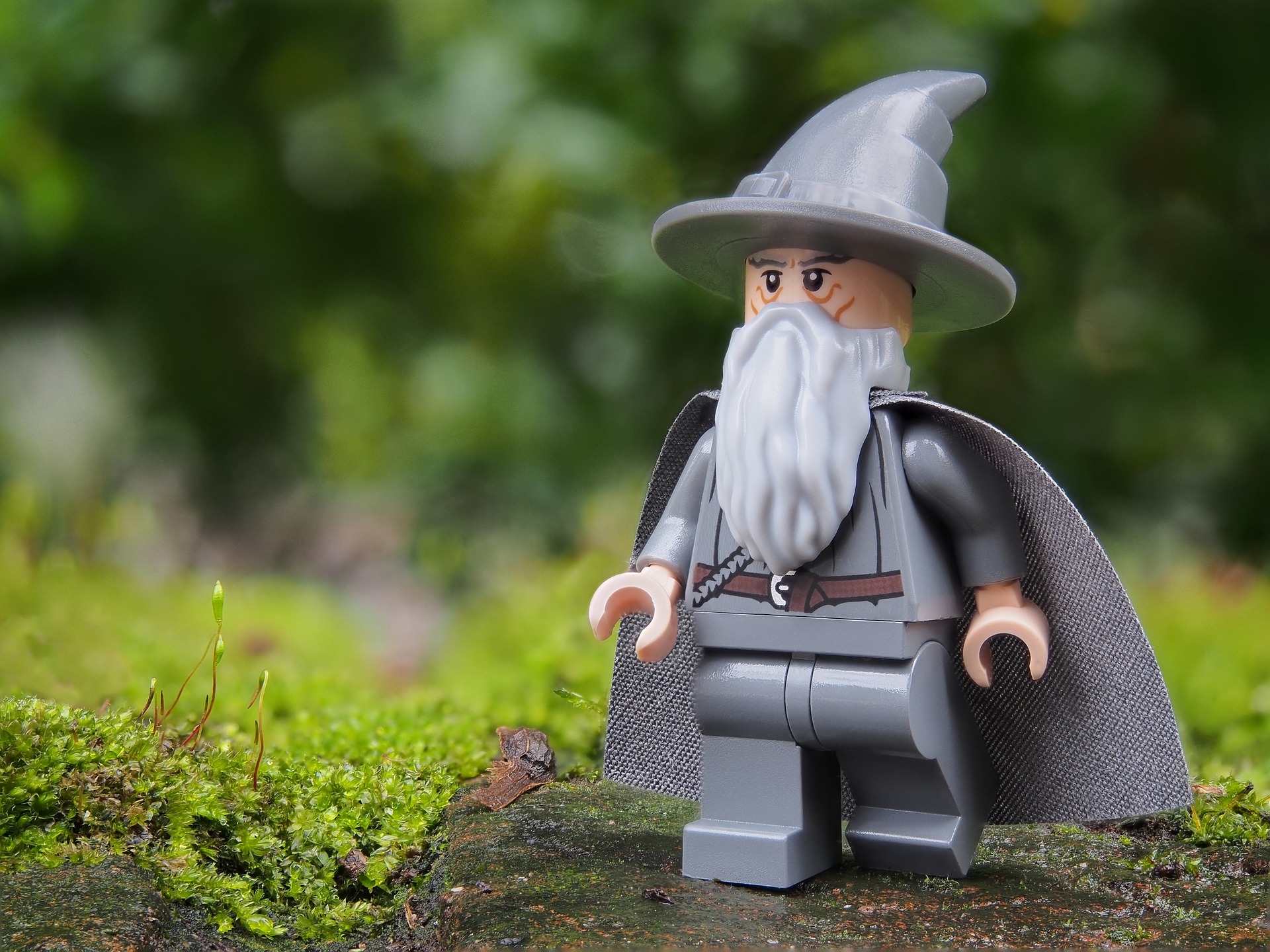
The Mentor is not necessarily a human. Like for the Call to Adventure, the mentor can be in any form. It might be an animal, an object, a signal, a message, etc. For example, in Legends of the West, Huckleberry refuses his call to adventure for fear of the dangerous voyage that could lead to his death. However, when Shannon tells Huck about her Uncle living in California and describes that land as a wonderful place full of opportunities, Huck rethinks his decision and joins Tom. In this case, the Uncle is the mentor, even if he never appears physically in the scene.

Crossing the Threshold
Crossing the Threshold is the step where the adventure truly begins. Everything starts at this point, and nothing will be the same as before. Once the Hero crosses the Threshold, there is no turning point. The Hero's Journey has begun.

Tests, Allies, Enemies
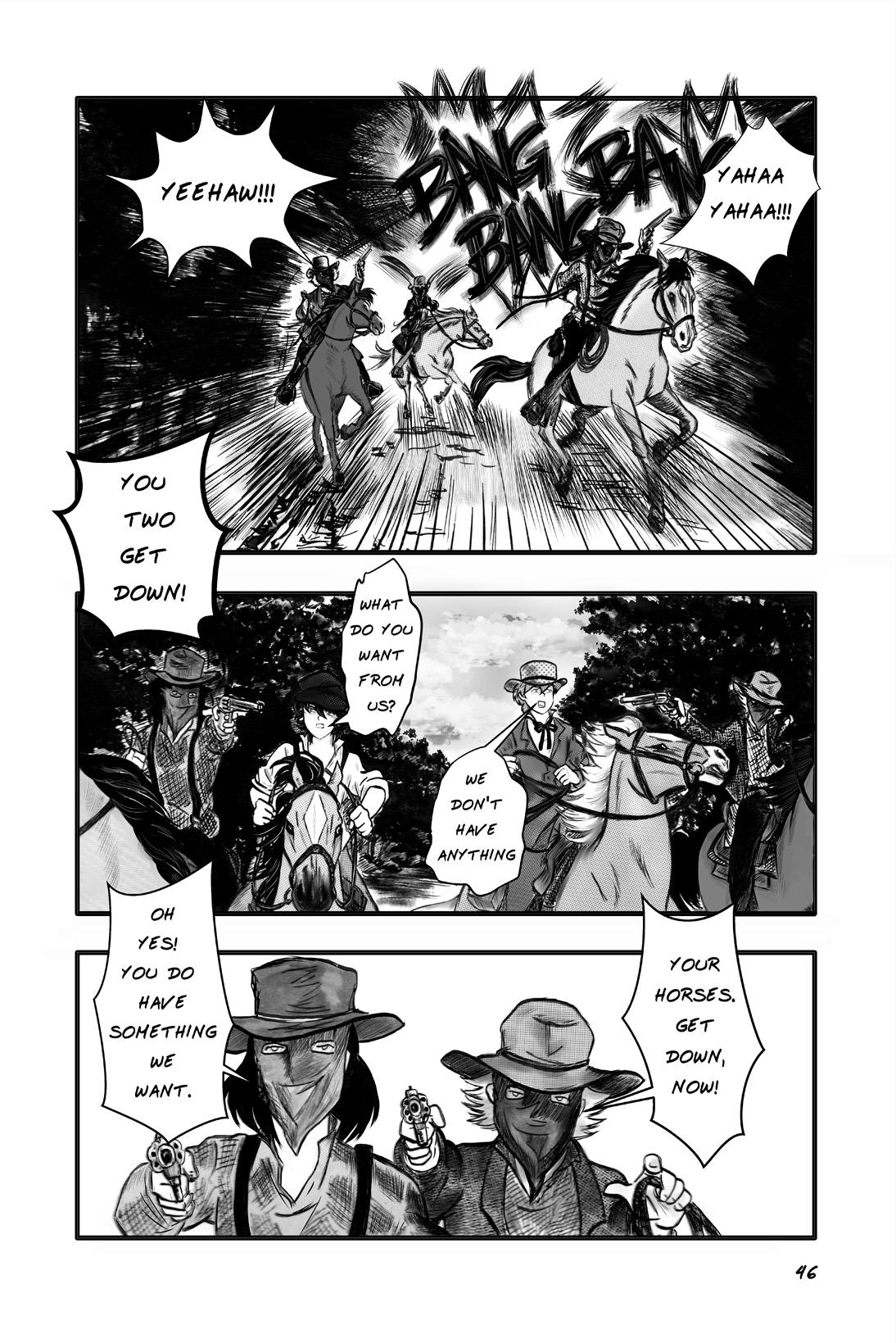
This is the stage where the Hero, together with the audience, steps into the Secondary World and learns its rules. He's preparing himself for greater conflicts. He meets allies, enemies, or forges a team of Heroes. Usually, this is the part where a sidekick appears. The hero begins testing his capabilities. For example, in Legends of the West, Huck and Tom meet Sally and join her to reach California. They encounter some enemies, and the first conflicts arise.
Approach the Inmost Cave
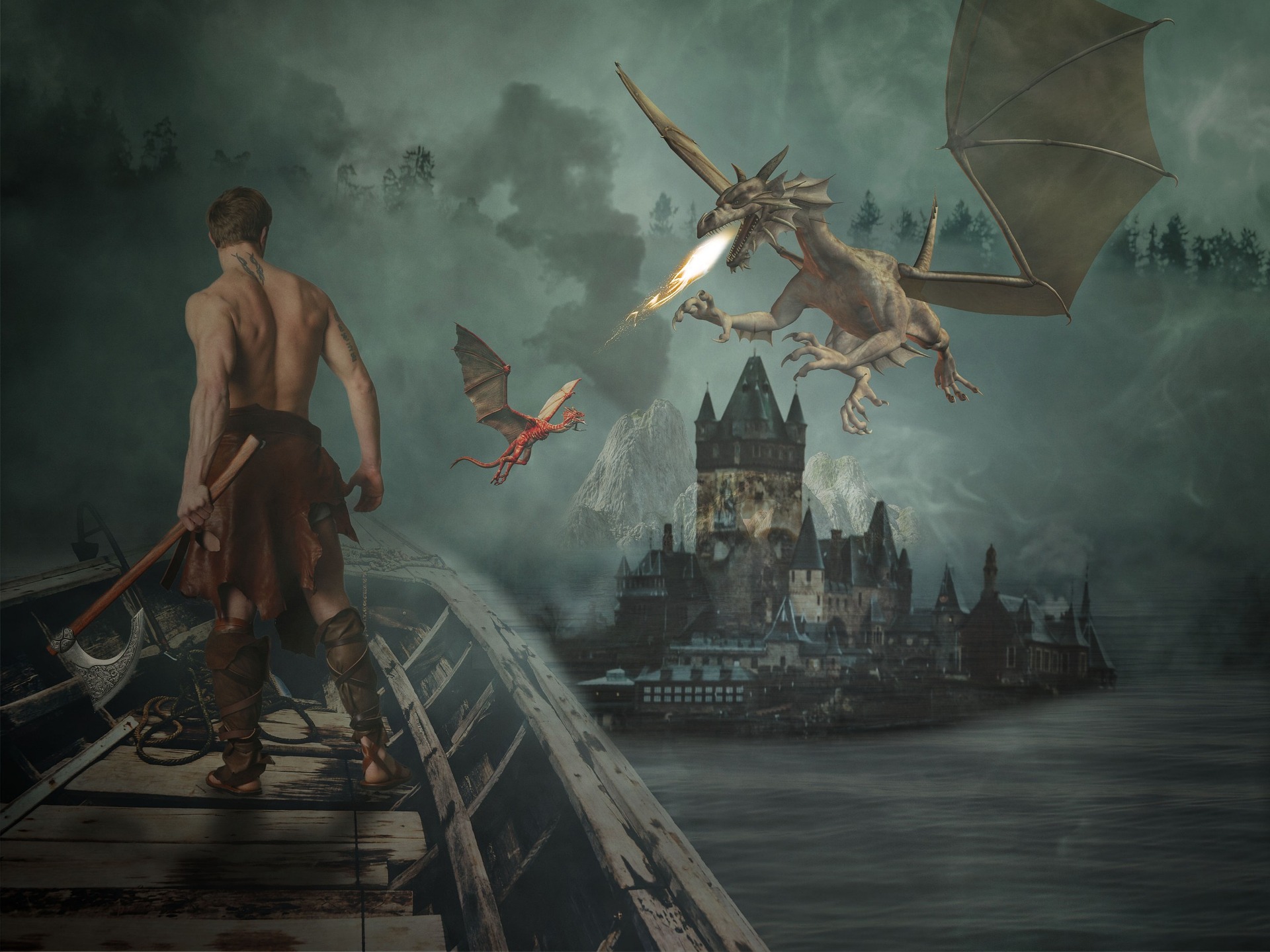
The Inmost Cave is the representation of inner fears. It can be a dangerous location, a fearful creature, or an inner stage of the Hero. He must overcome this challenge to face the Ordeal. This is the stage where the Hero must prepare to approach the Inmost Cave that will lead into the heart of the Central Ordeal.
Planning an attack, training before a battle, questioning feelings of a lover, or weakening an enemy are just a few examples of the many possibilities in this stage.

The Ordeal
The Ordeal is the highest point of the Hero's Journey. The Hero encounters difficult challenges and conflicts. He's battling with his innermost fears. In this stage, everything seems lost, and the Hero is falling apart. In this phase, the death of a friend, a mentor, or a breakup with a loved one. At this point, the audience looks at the hero with suspense. The Hero is touching the bottom, and the viewer is wondering if he or she will survive and stand up again. If he fails, nothing will ever be the same.
The Reward
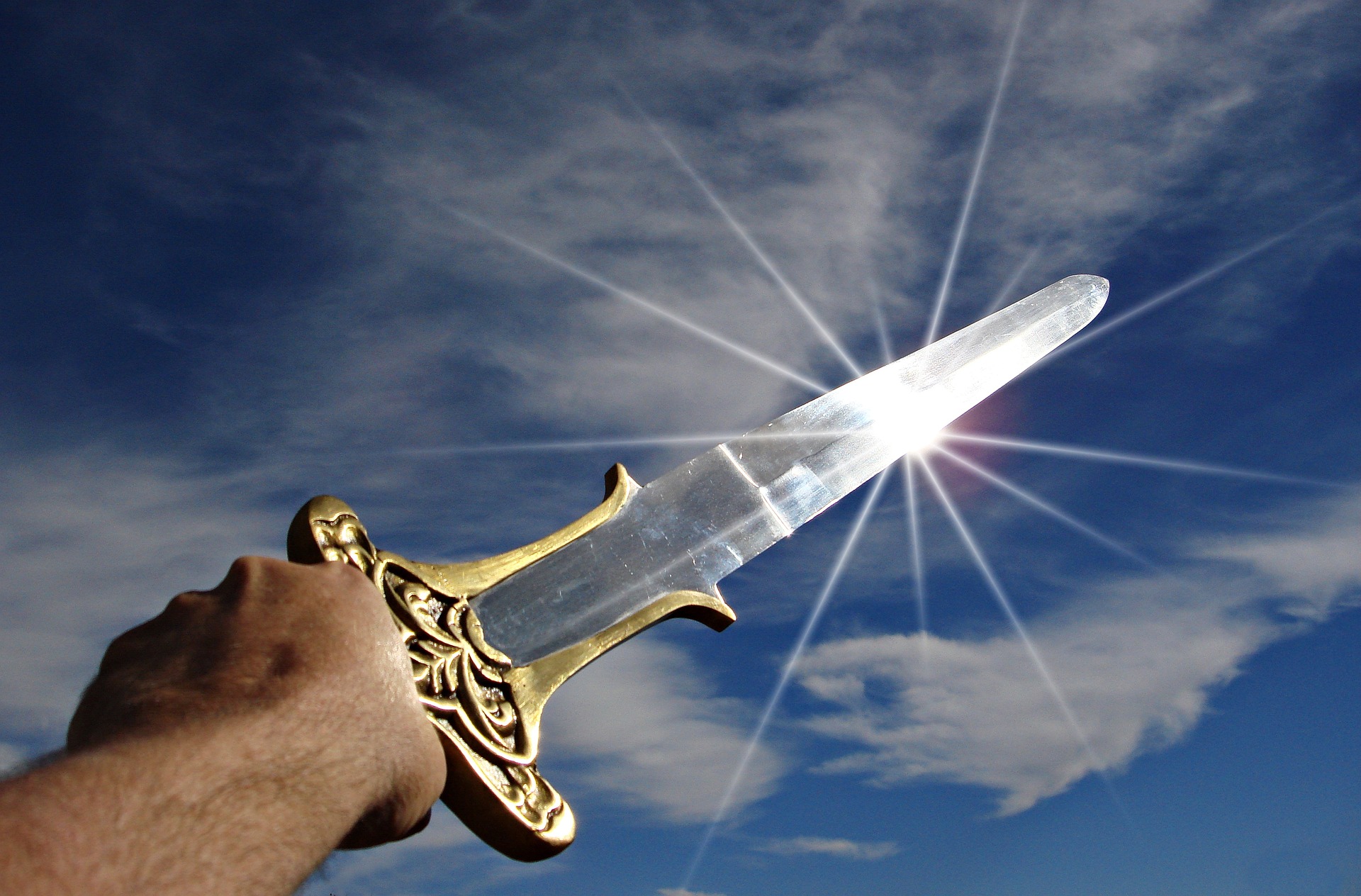
The Hero survived the Ordeal. He earned the Reward. The Reward has different forms. It could be the return of a loved one, a friendship reunited, an object, a treasure, the conquering of a person, or a throne. Anything can represent a Reward for the Hero. The Hero is celebrating his victory, and there is a sort of peace. The Audience can relax and catch their breath before the Journey resumes to its climax and resolution. The Journey is not over yet.

The Road Back
The Hero must return to the Ordinary World. Like for the Threshold, the Hero might need to be pushed back into the Ordinary World and leave the Secondary World. A threat to the Ordinary World might cause the Hero to take the Road Back. A villain may regain forces and search for revenge. Sometimes, the Hero must choose between an internal and an external decision.

Resurrection
This is the highest stake of the Hero's Journey. The Hero resurrects from the "death" and is reborn. He uses everything that he learned during his Journey to fight his final battle.
The Hero's last battle is no longer for his life but for everything dear to him. If he fails, nothing will be the same anymore; he will lose everything. The Hero must prove that he conquered his fears and learned his lesson; now he's ready to fight one more time for the benefit of the Ordinary World.
Return with the Elixir
The Return with the Elixir is the final stage of the Hero's Journey. The Hero resurrected and fought his final battle. He won, and the Ordinary World is safe again. He defeated the enemy and conquered his love. He overcame his fears, insecurities, and obstacles. He crossed the unknown, the danger, and now he is back into the Ordinary World with knowledge and everything that he learned in the Secondary World. Now, he can apply his new abilities to embark on a new journey and help others forever influenced by his adventure.
The Hero's Journey is not a straight line that begins and ends. It's a circle where everything gets repeated over and over till the Hero learns a new lesson. Just like in real life for all of us, there are many lessons to learn and journeys to embark on.
GREAT STORIES SHARE EMOTIONS WITH THE AUDIENCE
The Hero's Journey stages are a good reference point to keep in mind for writing a story. A good story that keeps the audience entertained. A storyteller must produce emotions and relate the characters to the audience. Readers or viewers share together with the Hero the same feelings; fall in love with the girl or boy, despite the enemy, feel joy, and sadness.
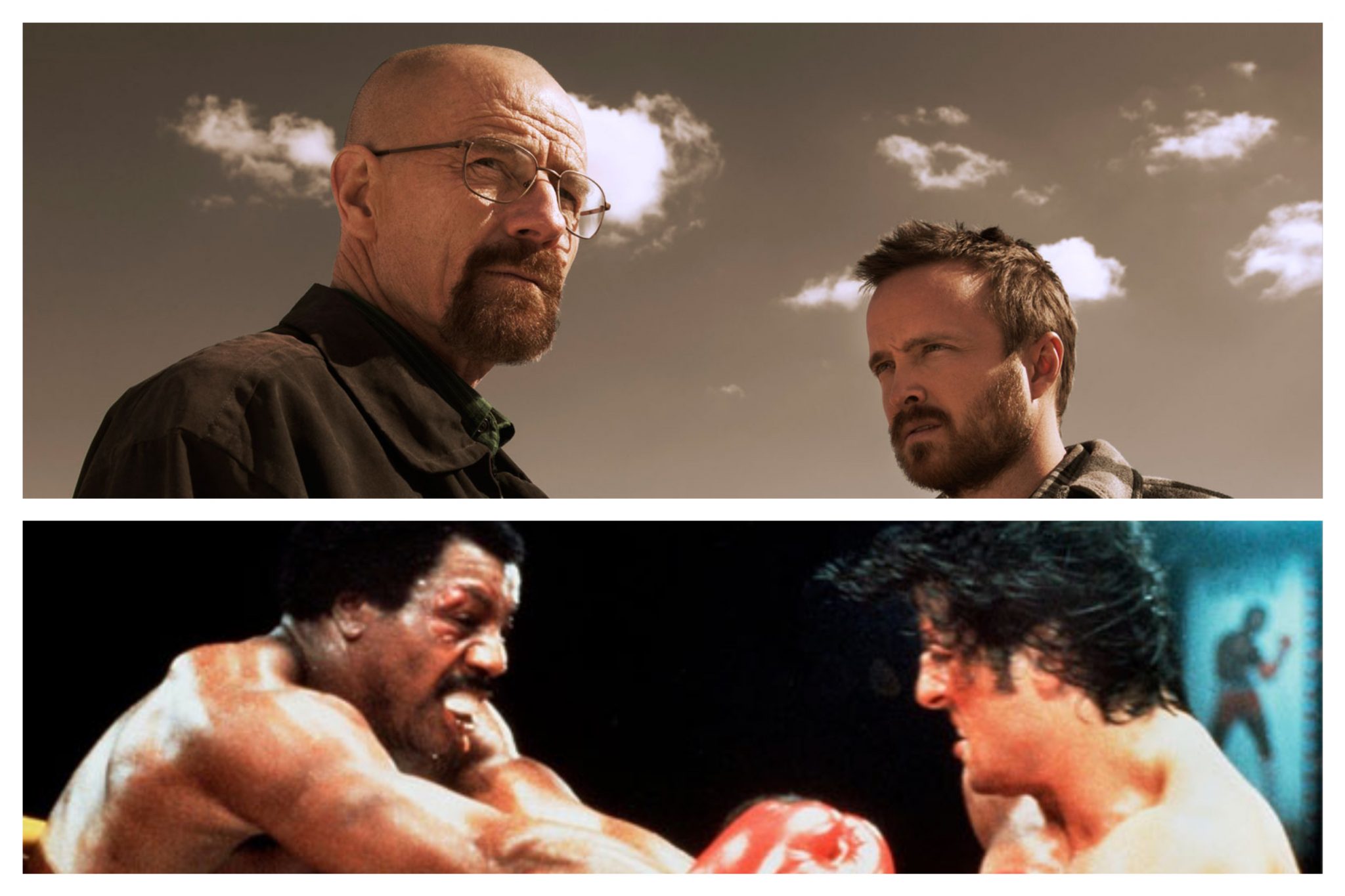
Some of the most acclaimed TV series on the screen have appealing characters and stories that transfer emotions to the public. Who didn't feel anything for Walter White and Jessie in Breaking Bad? Who wasn't shook when Ned Stark died in Game of Thrones? Who didn't suffer together with Rocky Balboa? There are many good books, movies, and comics out there that became part of our society and make us feel joy, fear, anxiety, love, and hate. These storytellers delivered us a great story.
THE END
In conclusion, whatever story you decide to create, remember the Hero's Journey stages. Think about the character's environment. Keep them relatable. Write a story that makes feel emotions and transfers your feelings to the audience. Your readers don't know what you have in your mind. They can't figure out what you want to express with your story. That is your job as a storyteller. Take time, don't rush the story, forcing the audience into confusion and emotionless. Don't try to emulate others. Do your homework, research everything related to your tale. Study the history, the era in which the comic book is set, costumes, and the way of life. If it's a story set in the present day, learn about the country and the city where it takes place.
Writing a good story requires time and a lot of work. But as you should know, Rome wasn't built in a day.
YOUTUBE CHANNEL


8 Comments on “How to Write a Comic Book or Manga for Beginners”
Pingback: Create Your First Comic Book: A Beginner's Guide
Awesome post! Keep up the great work! 🙂
I spent a lot of time to locate something similar to this
So happy that you find my post helpful. Thanks for your comment 🙂
This is really helpful, thanks.
It works very well for me
Thanks to the terrific guide
Thank you! Hope it can help 🙂