ARE MANGA PEN NIBS PART OF THE PAST, OR DO ARTISTS STILL LOVE THEM? A REVIEW FROM A PEN NIB LOVER
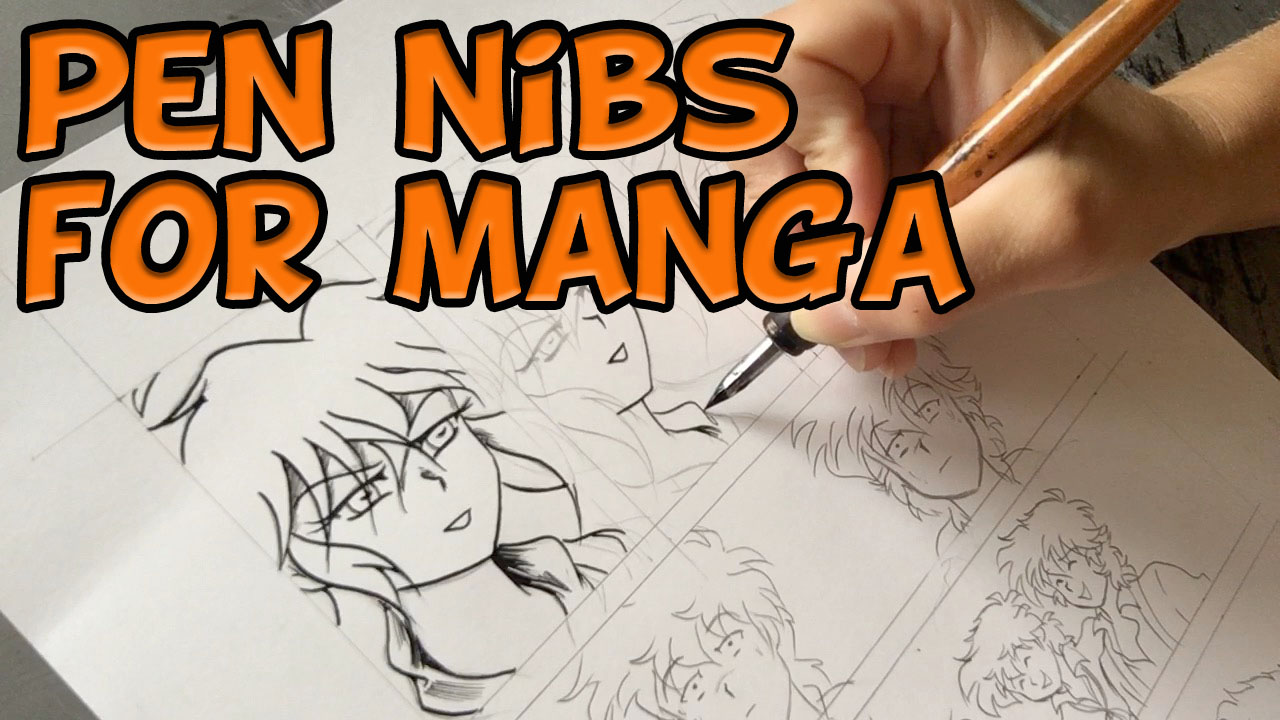
There are different manga pen nibs available with a specific design for drawing different subjects. From drawing action lines to small details, Japanese pen nibs have been a part of a cartoonist's life for many years.
However, in the digital era is getting rare to see comic artists inking comic pages with pen nibs. Some artists still love inking with pen nibs because of their flexibility and personal touch. Other artists hate them because inking with pen nibs may result in a big mess. If you are a beginner, pen nibs may be difficult to manage, and you need to replace the nib often.
Better inking with an easier drawing pen or just using software for drawings.
If pen nibs are so much trouble, why do some Japanese comic artists still use them? Are manga pen nibs better than drawing pens? How many different manga pen nibs are there?
Here are my thoughts, review, cost, care, and art supplier sites on pen nibs for drawing manga.
INKING WITH JAPANESE PEN NIBS; GREAT MANGAKA STILL LOVE THEM.
Once upon a time, a comic book artist was inking a comic page with an art tool called a pen nib and a black liquid in a small bottle called ink. Ha, ha…, it sounds like a nice old tale, but comic book artists don't use paper and ink as much as in the past.
I personally love drawing and inking by hand. It gave me a sense of control over my illustrations. However, a large number of artists don't use them anymore.
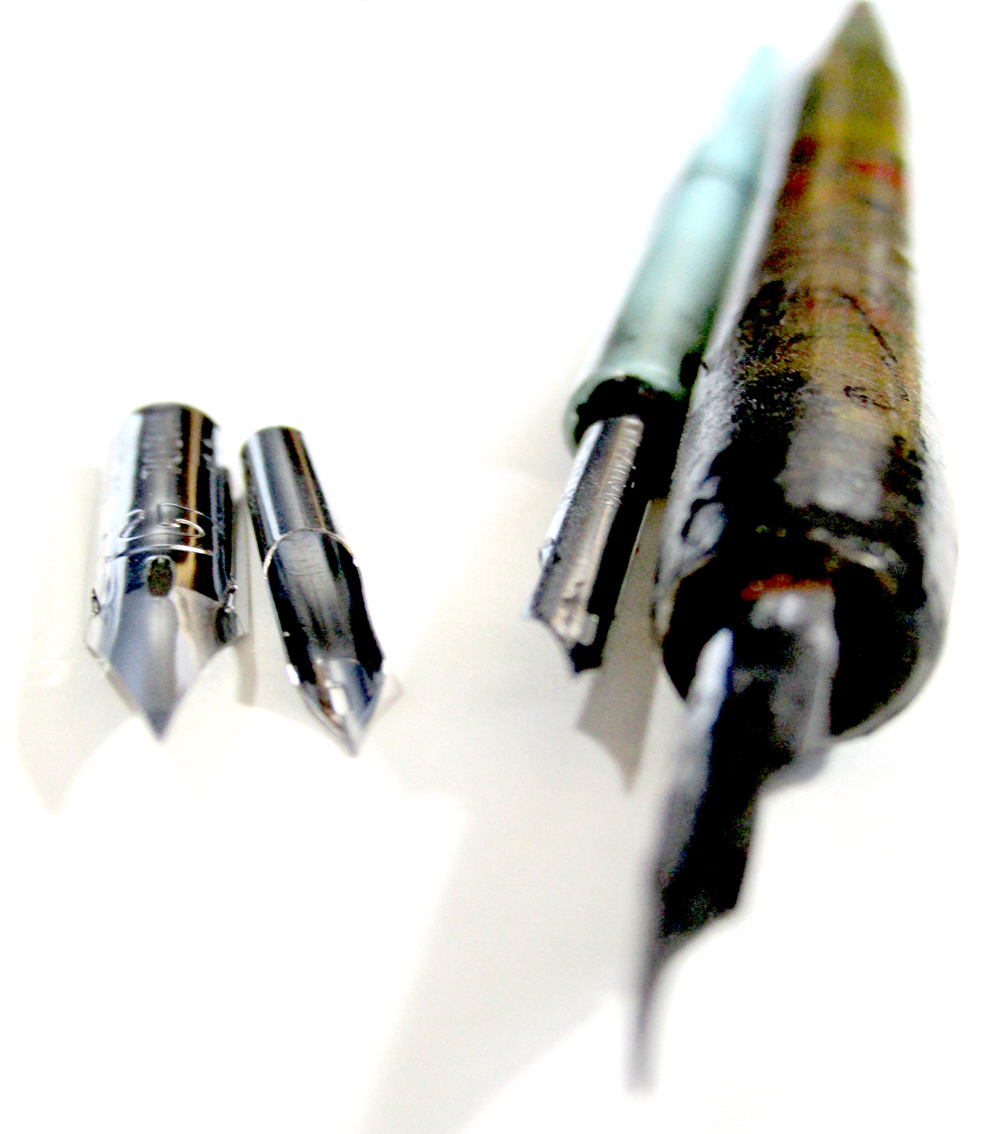
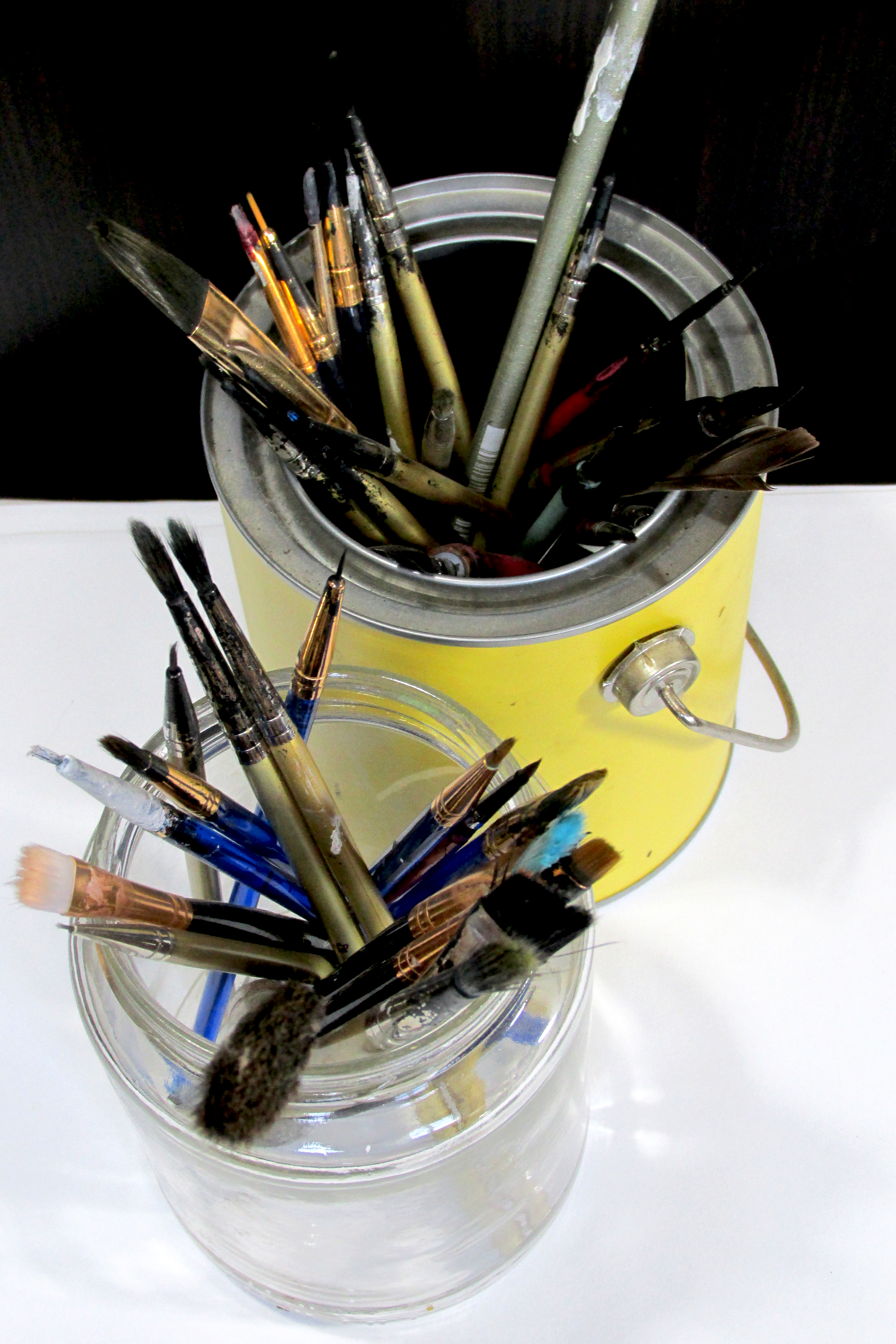
European and American artists pretty much abandoned brushes and ink for the newest and fastest art tools. There’s nothing wrong with that. Artists are adapting to the digital era. Photoshop, Clip Studio, drawing pens, pen tablets, and Cintiq make it easier to speed up the workflow.
I did adapt too. Yes, I still draw by hand, but I use Photoshop and now Clip Studio Paint to finish my pages. I have a pen tablet too!
What about Japanese comic book artists or also known as mangaka? Do they still use paper and ink? Surprisingly, they still do.
Many mangaka and even the famous ones working in big production companies like Hayao Miyazaki, creator of Princess Mononoke, still draw by hand. I watched a documentary on Netflix about Miyazaki's movie, "The Wind Rises". It was amazing to watch all these animators working so hard, drawing every single detail with such precision and doing it over and over, each frame. If you get a chance, watch this documentary; it's really interesting.
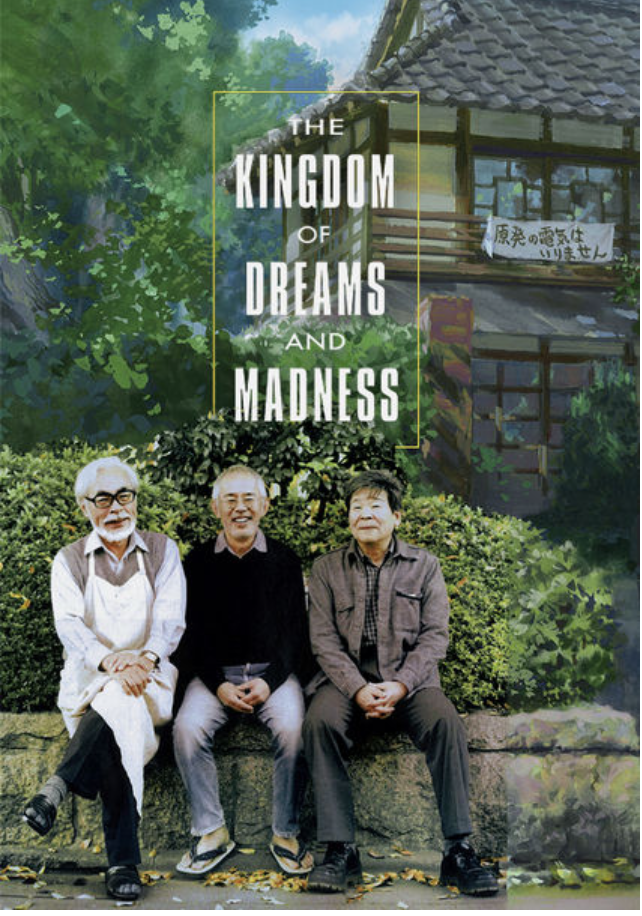
Available on Amazon-Click Image to know more
Another interesting video to watch is the interview with Inio Asano.
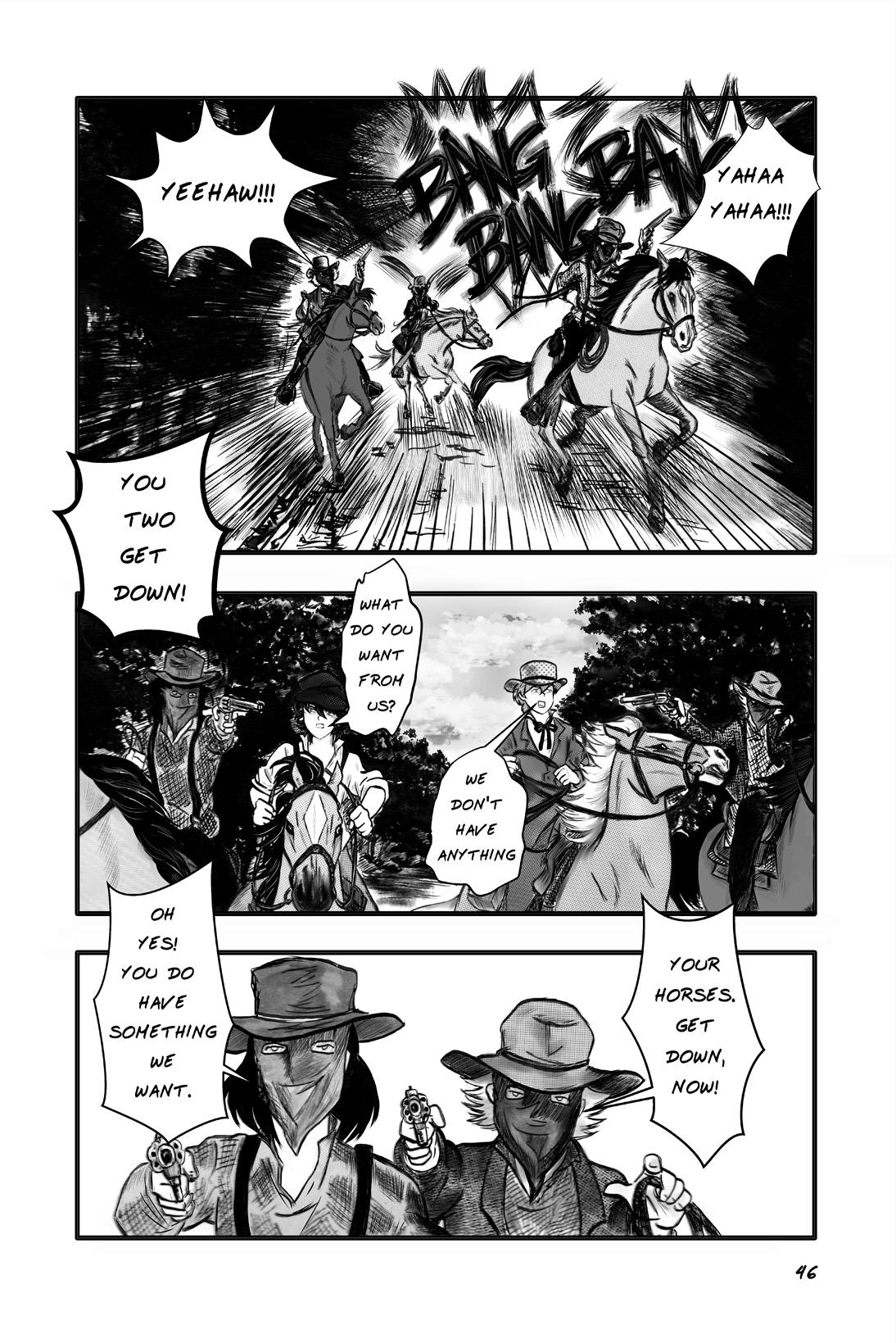
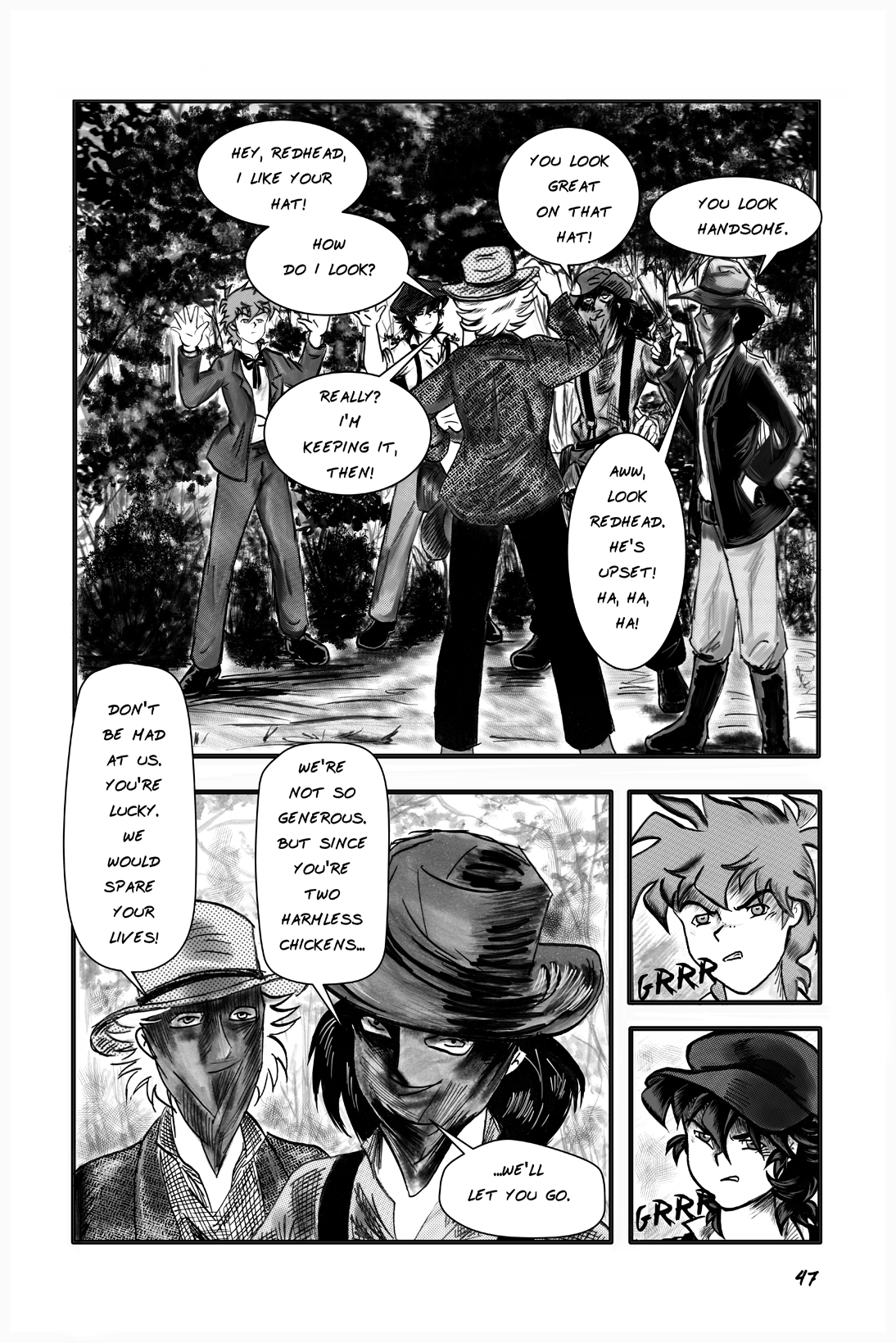
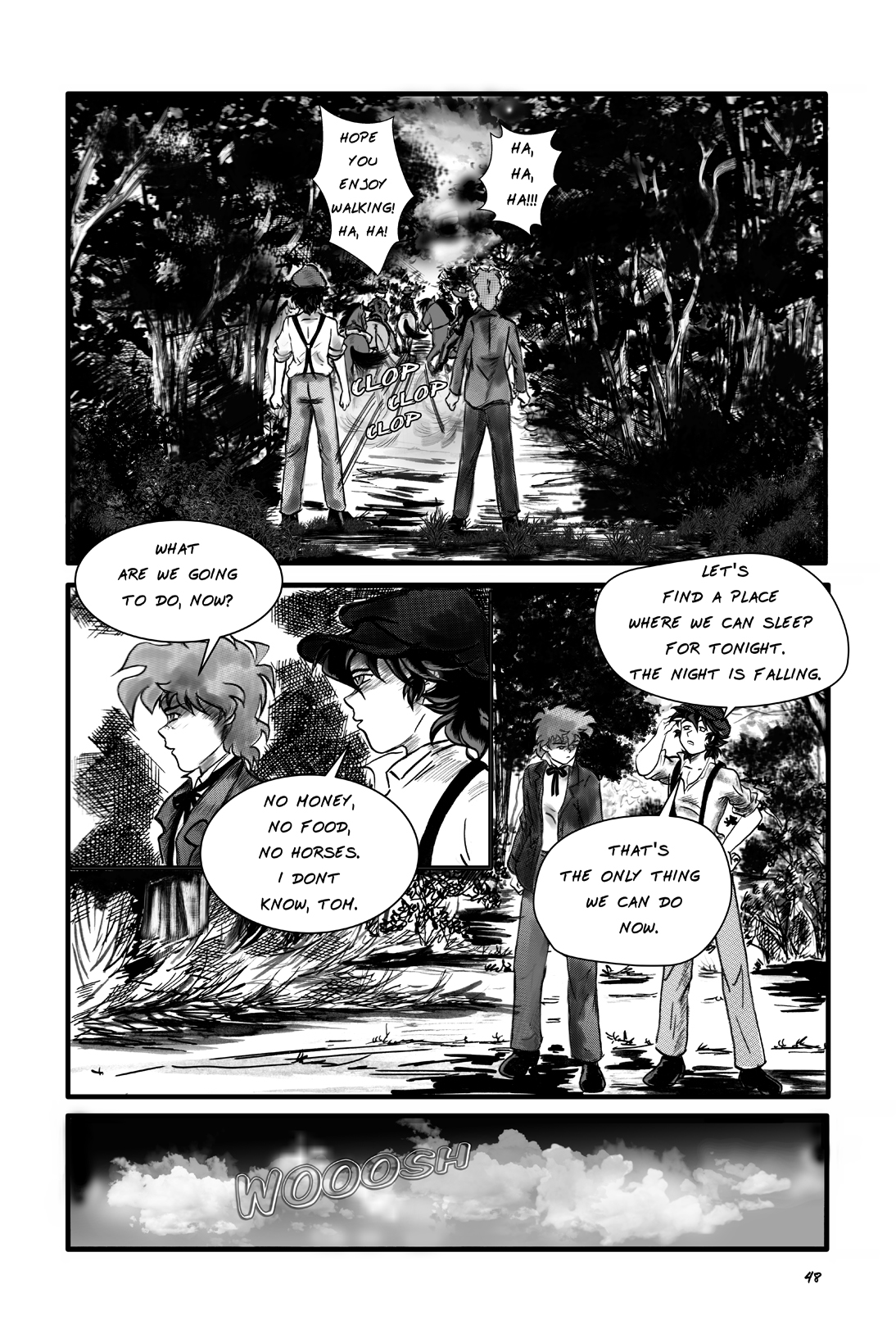
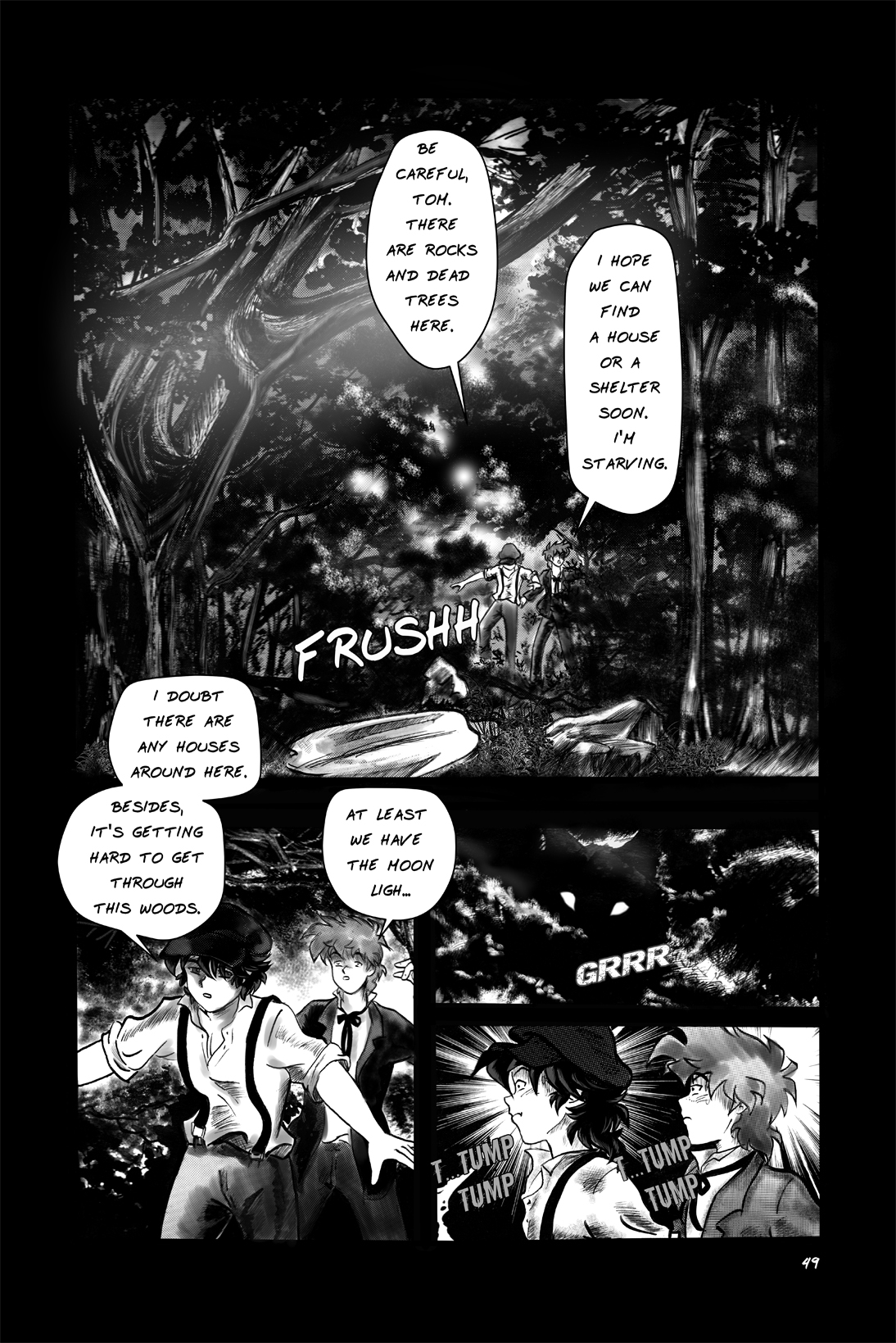
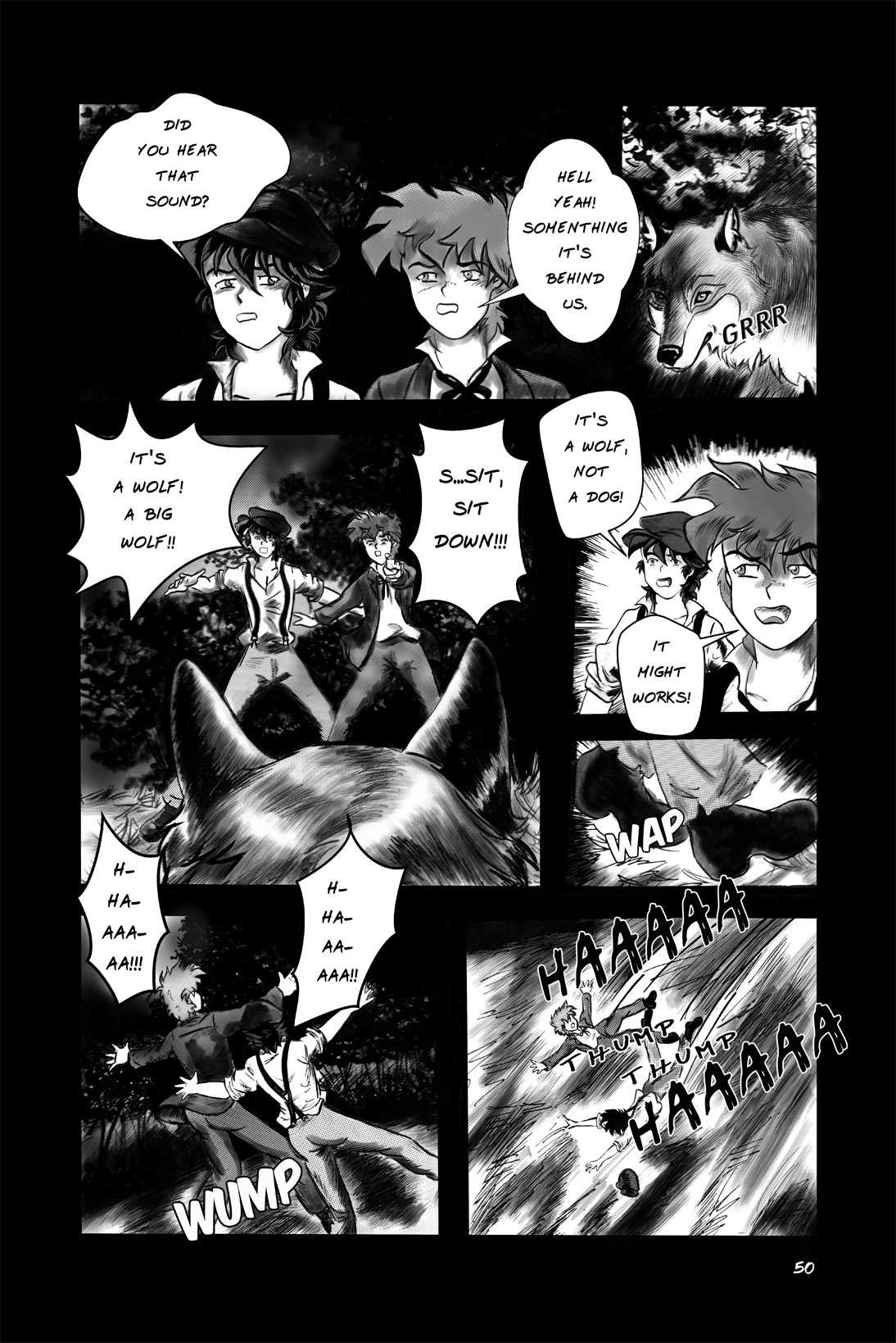
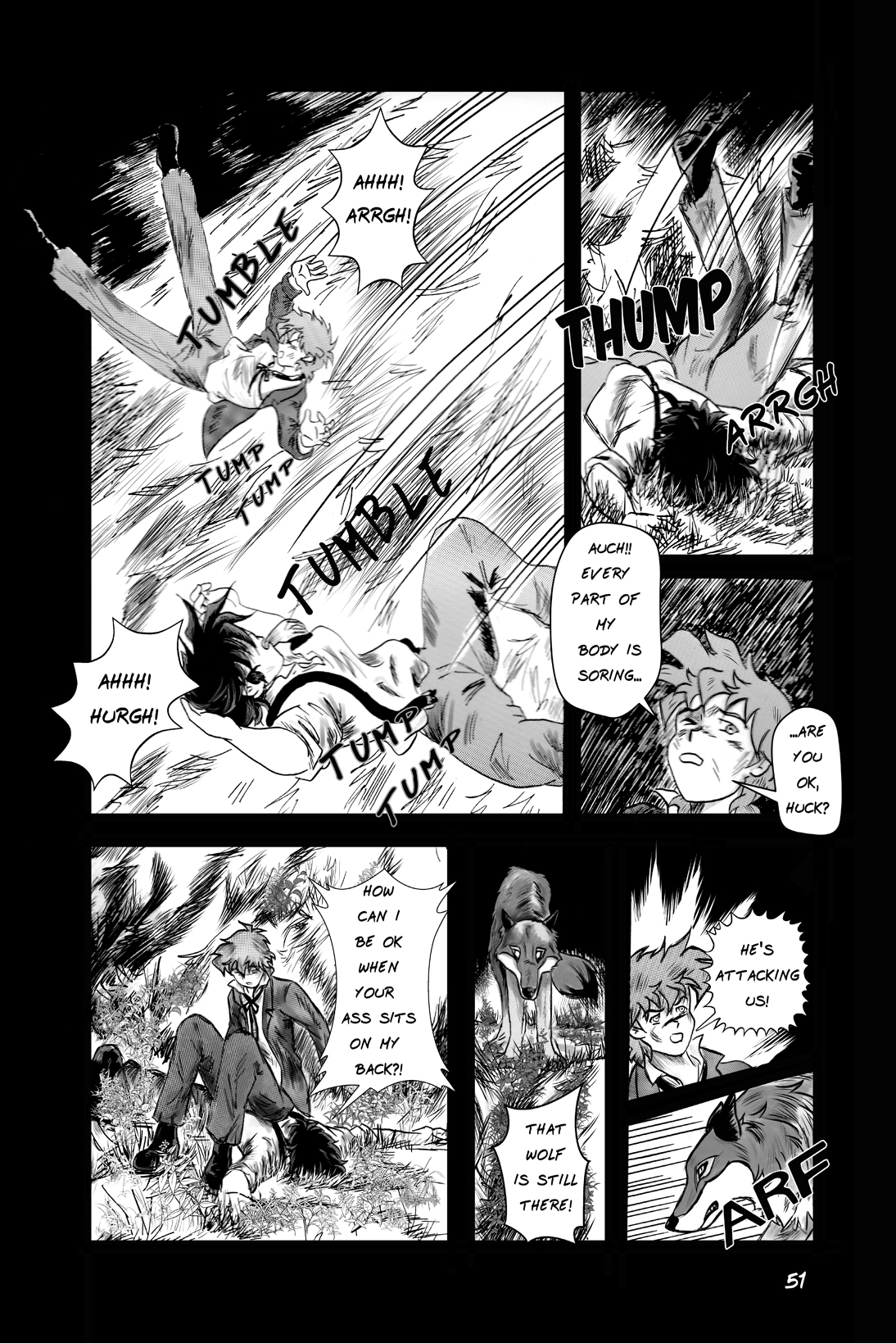
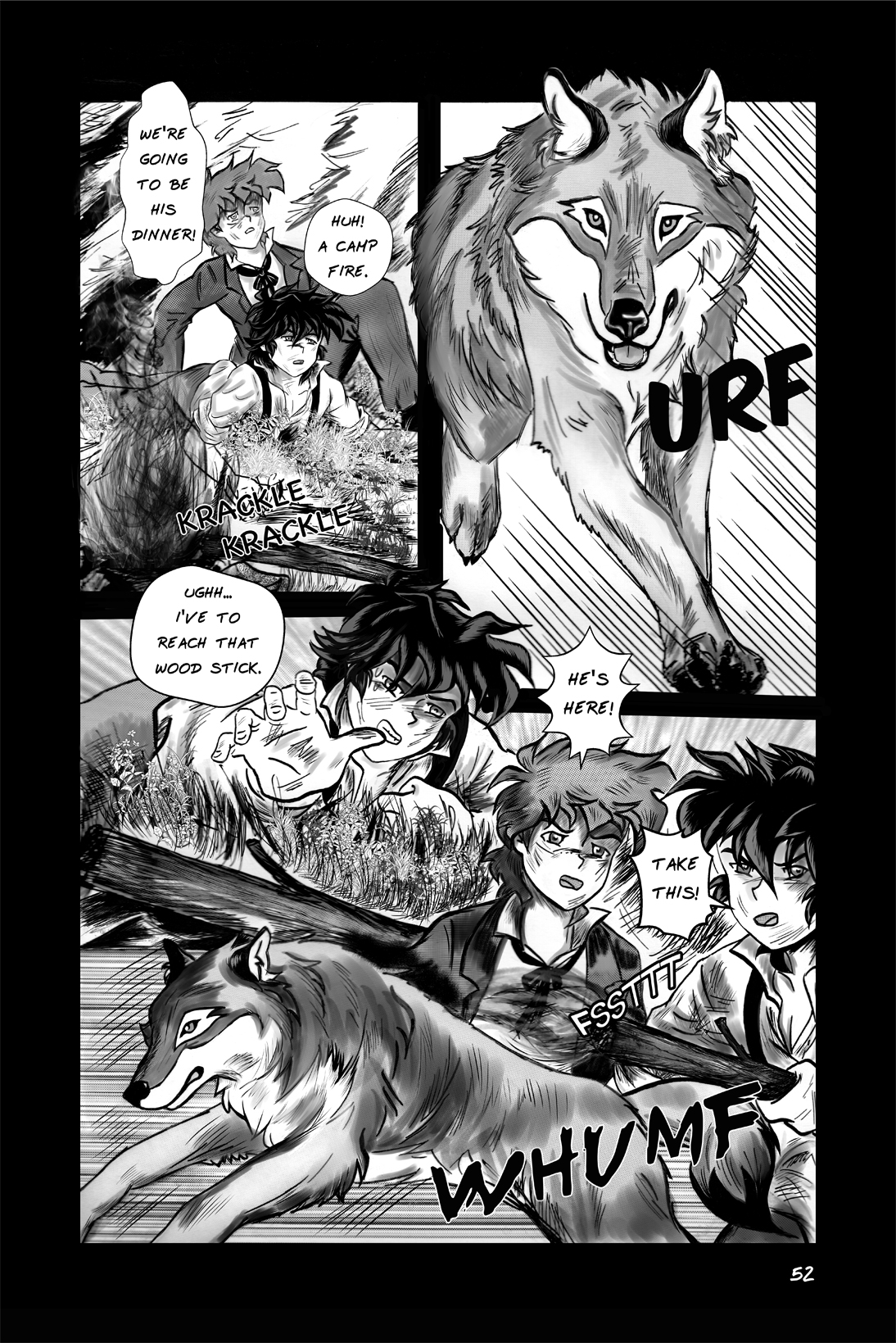
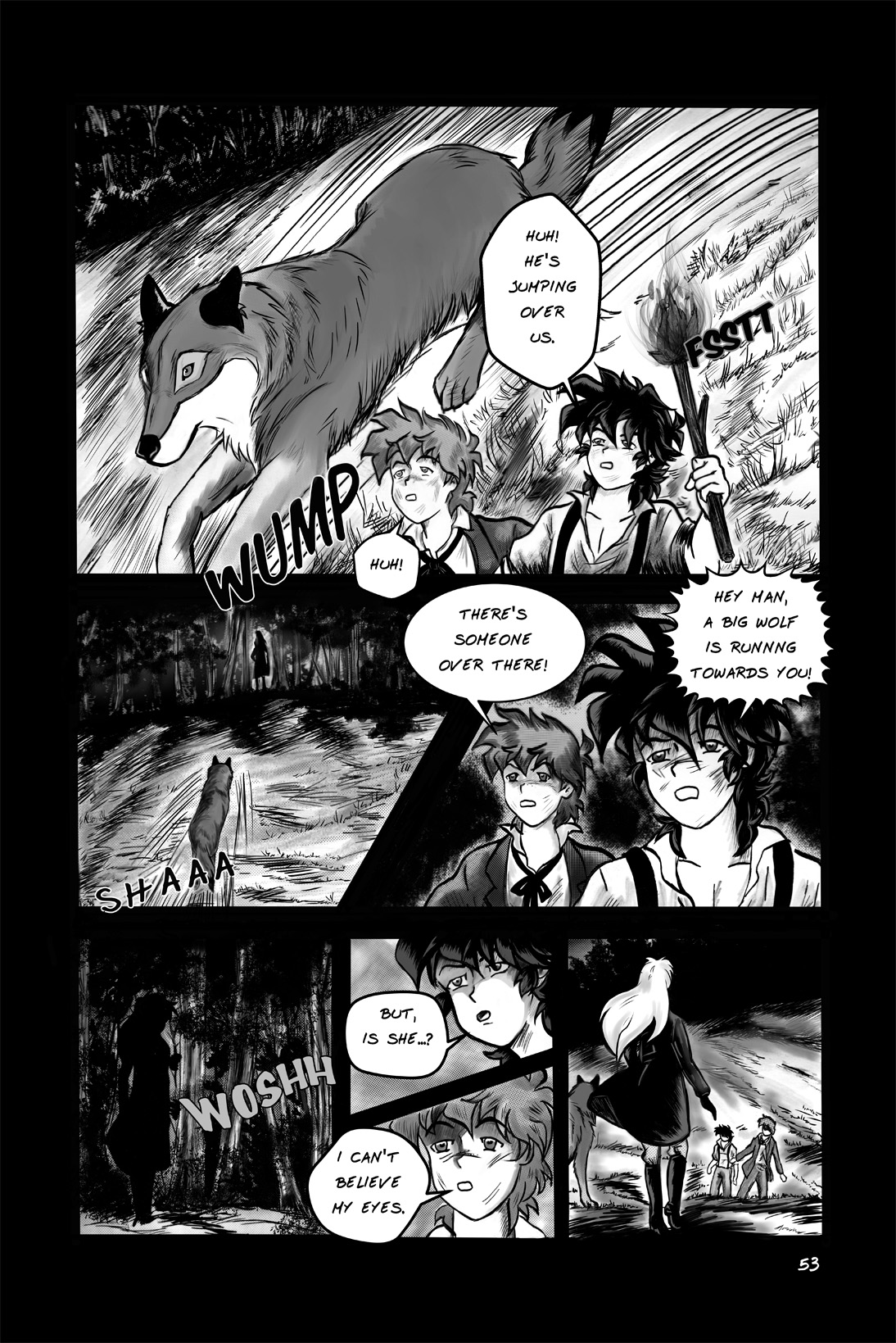
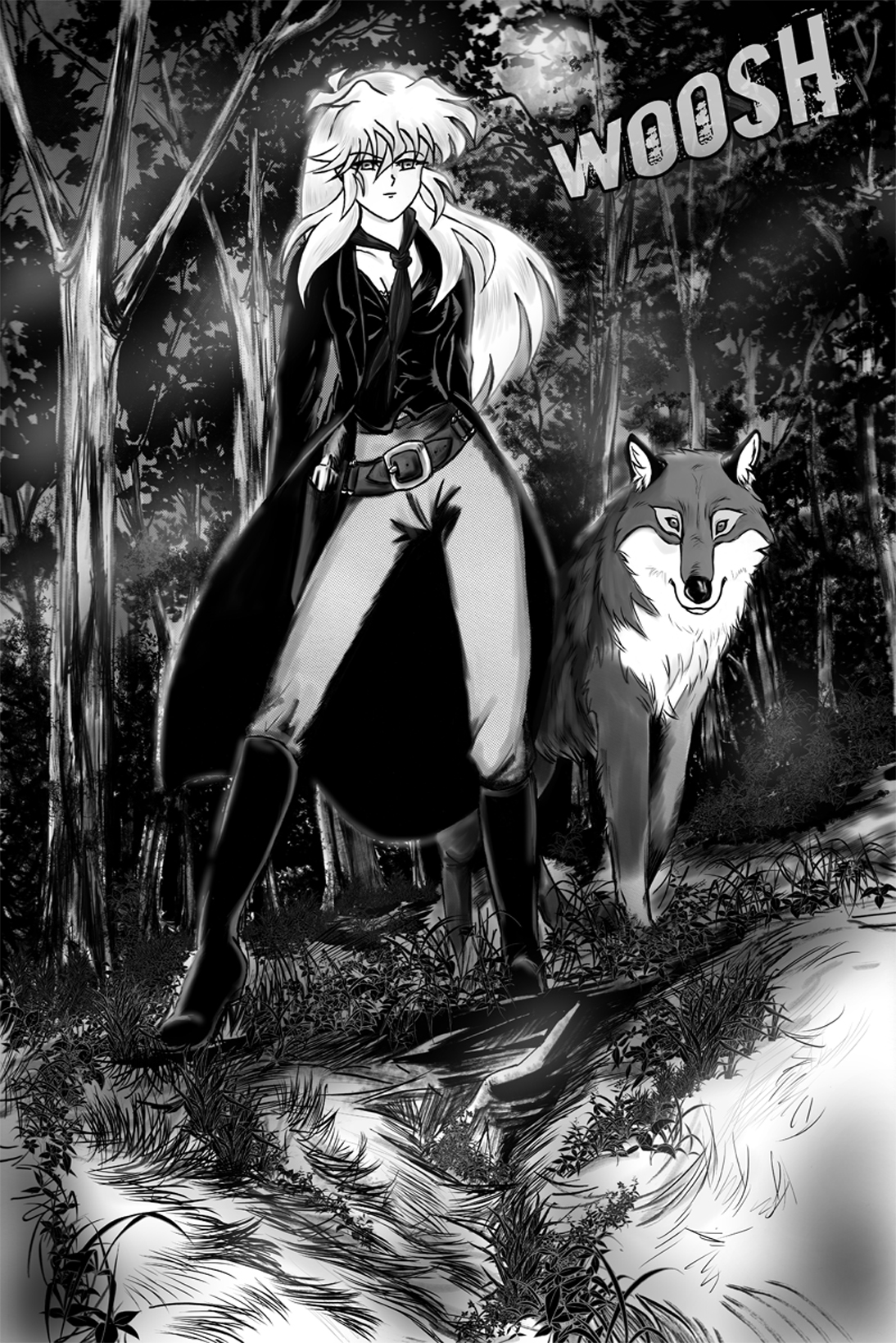
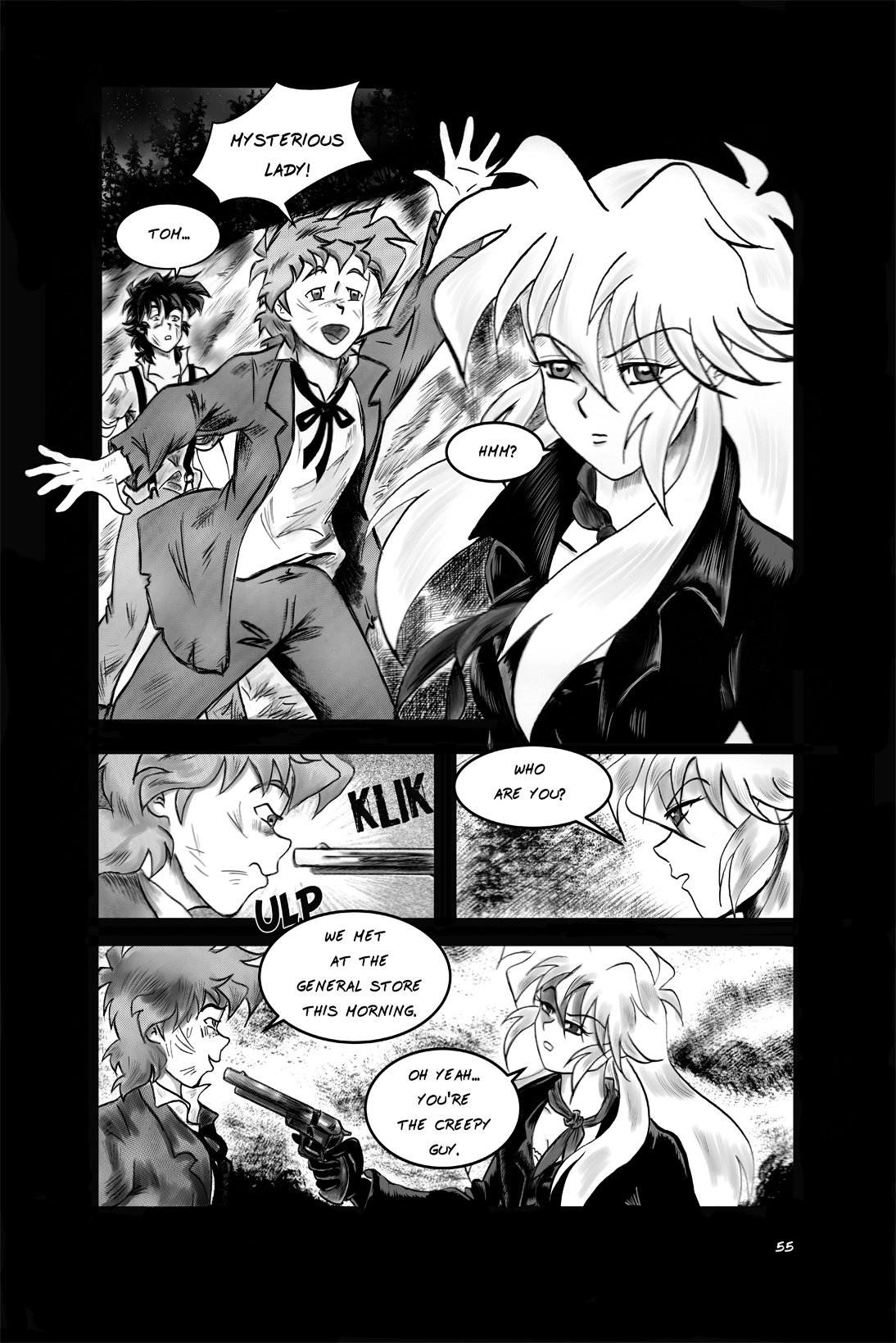
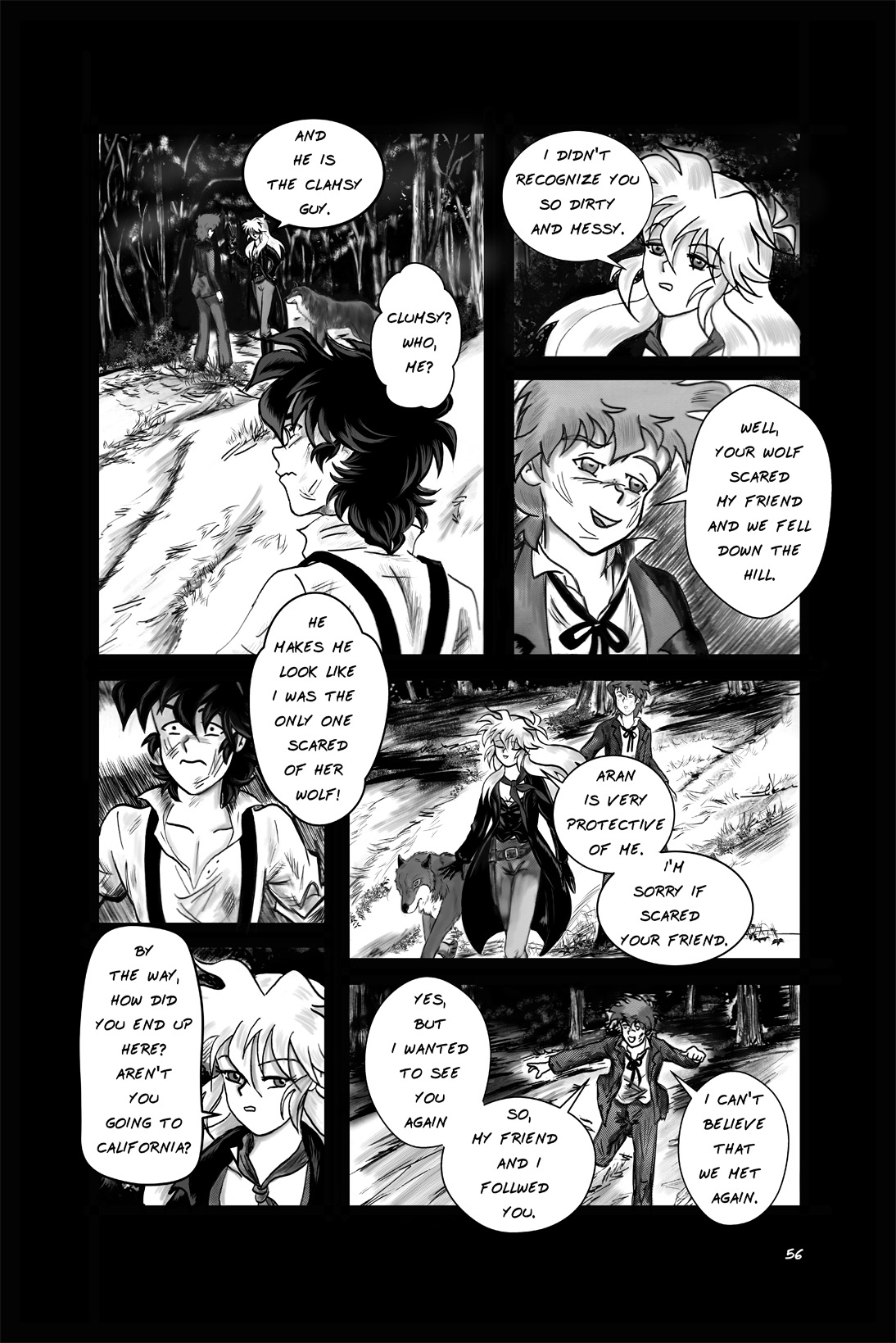
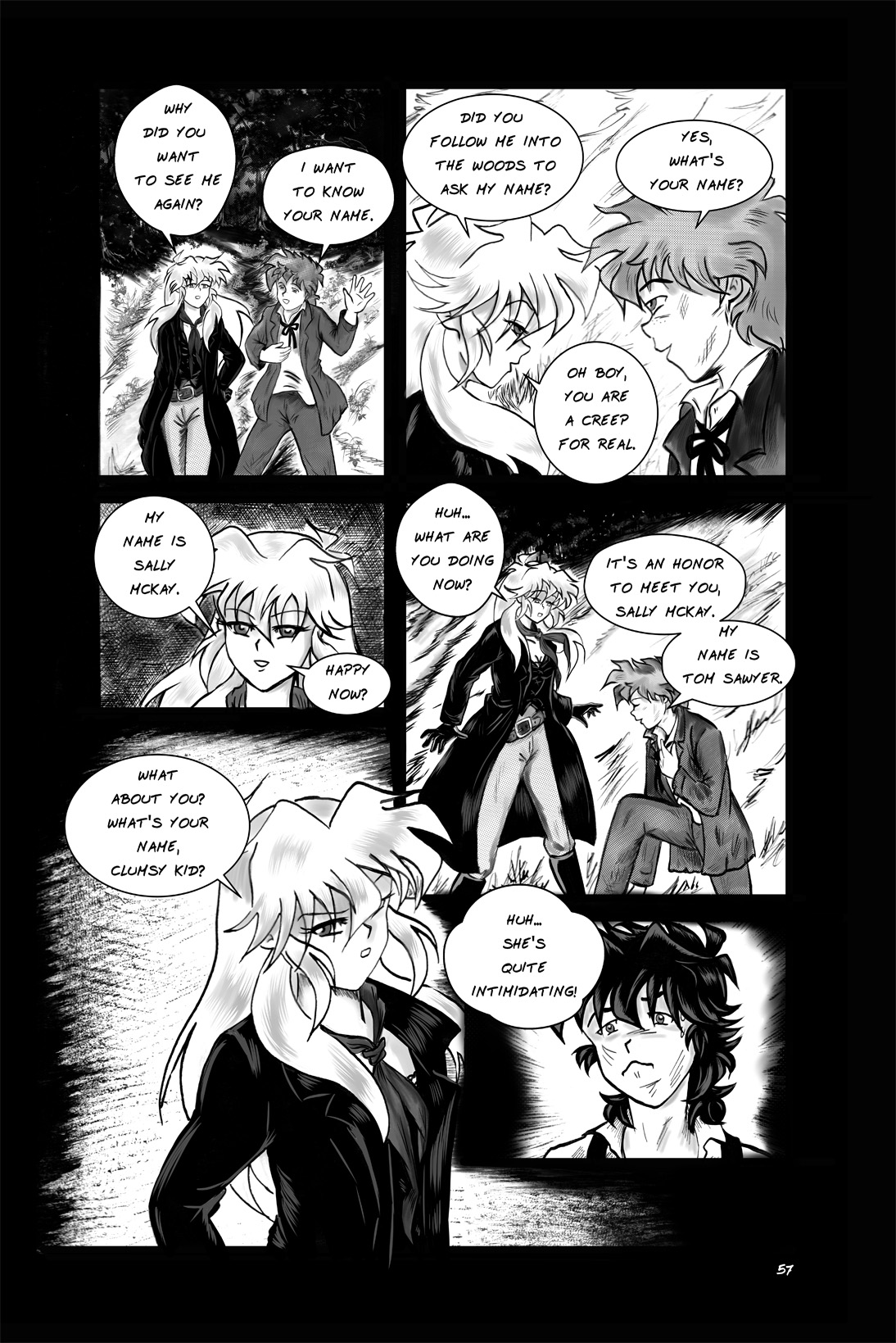
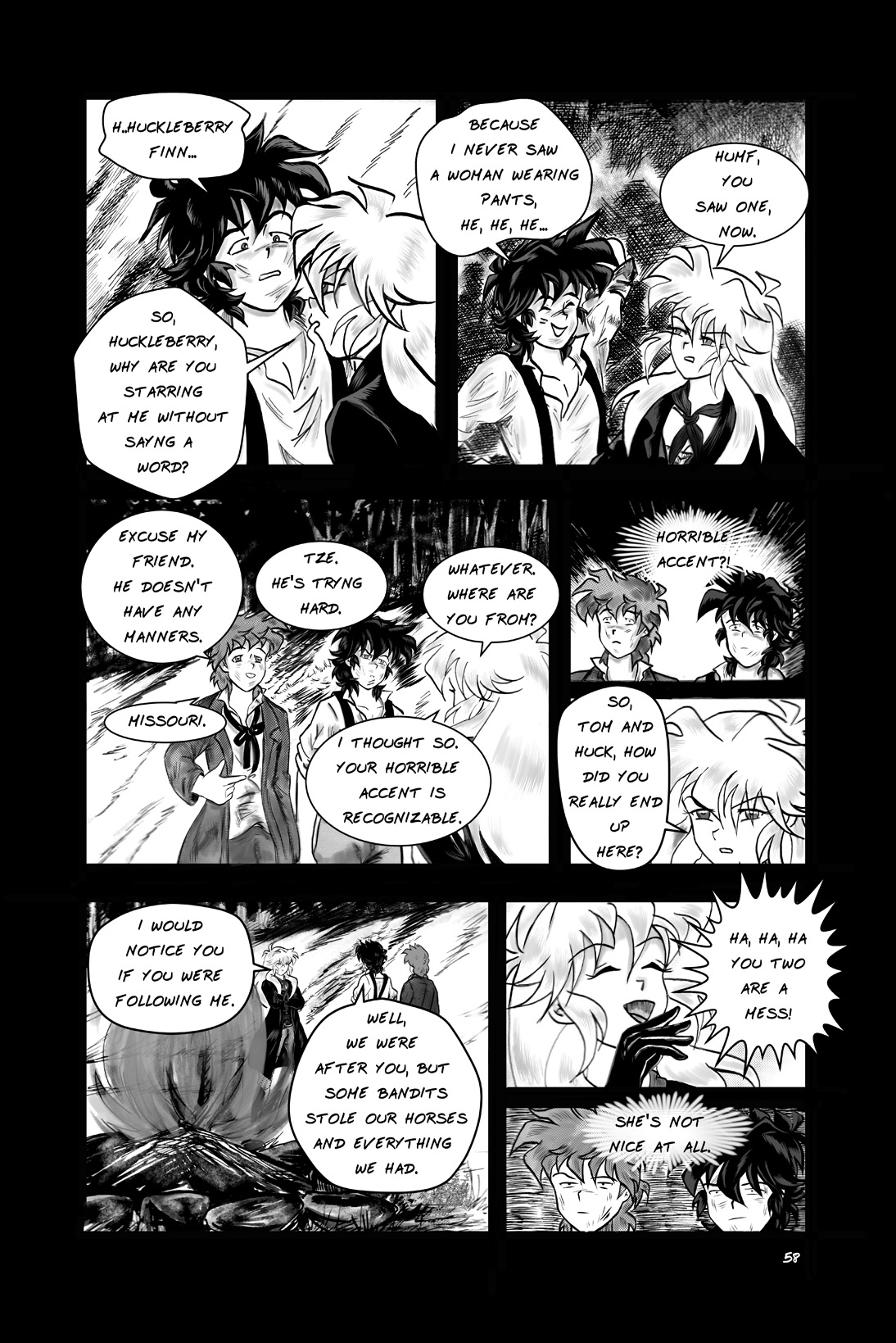
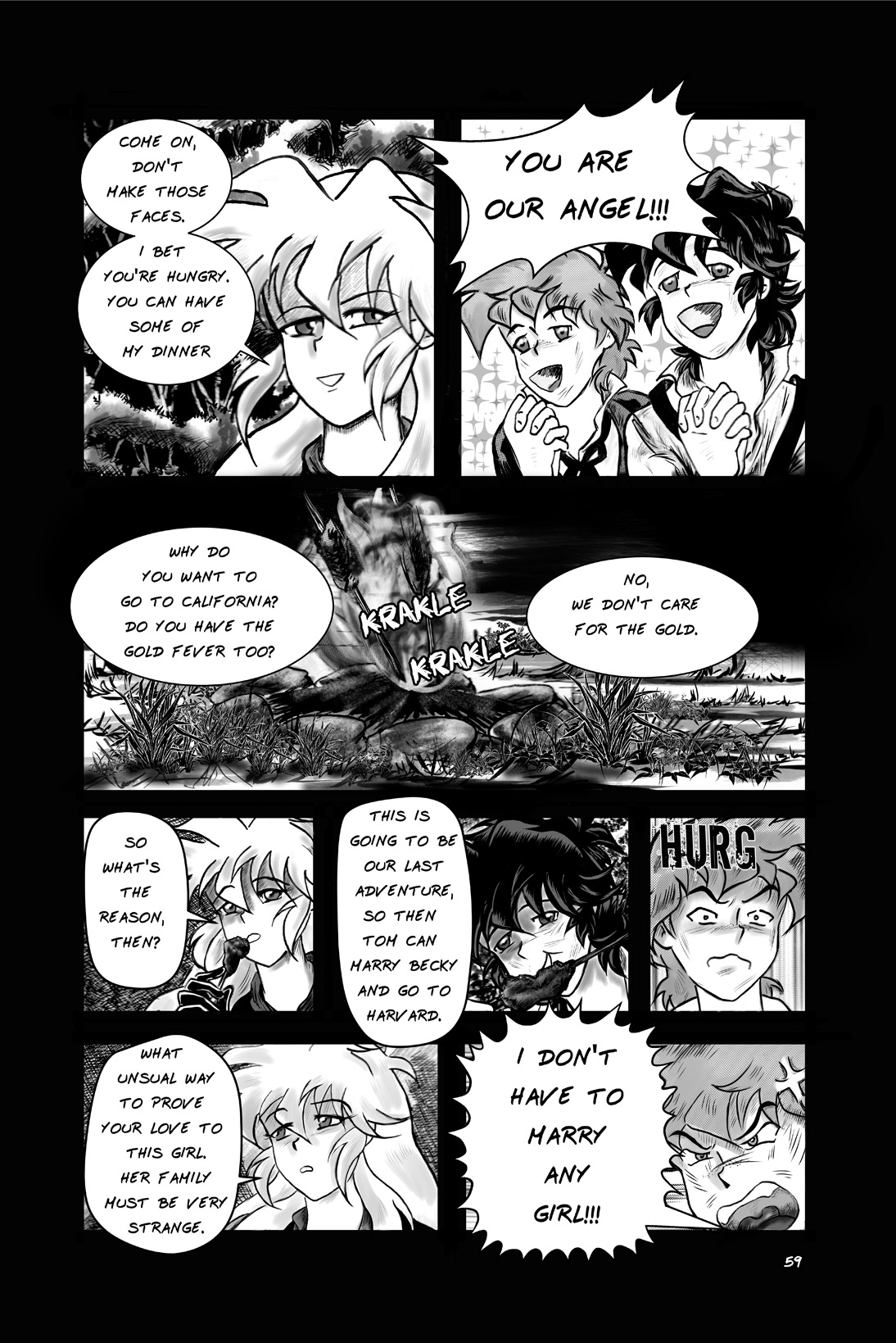
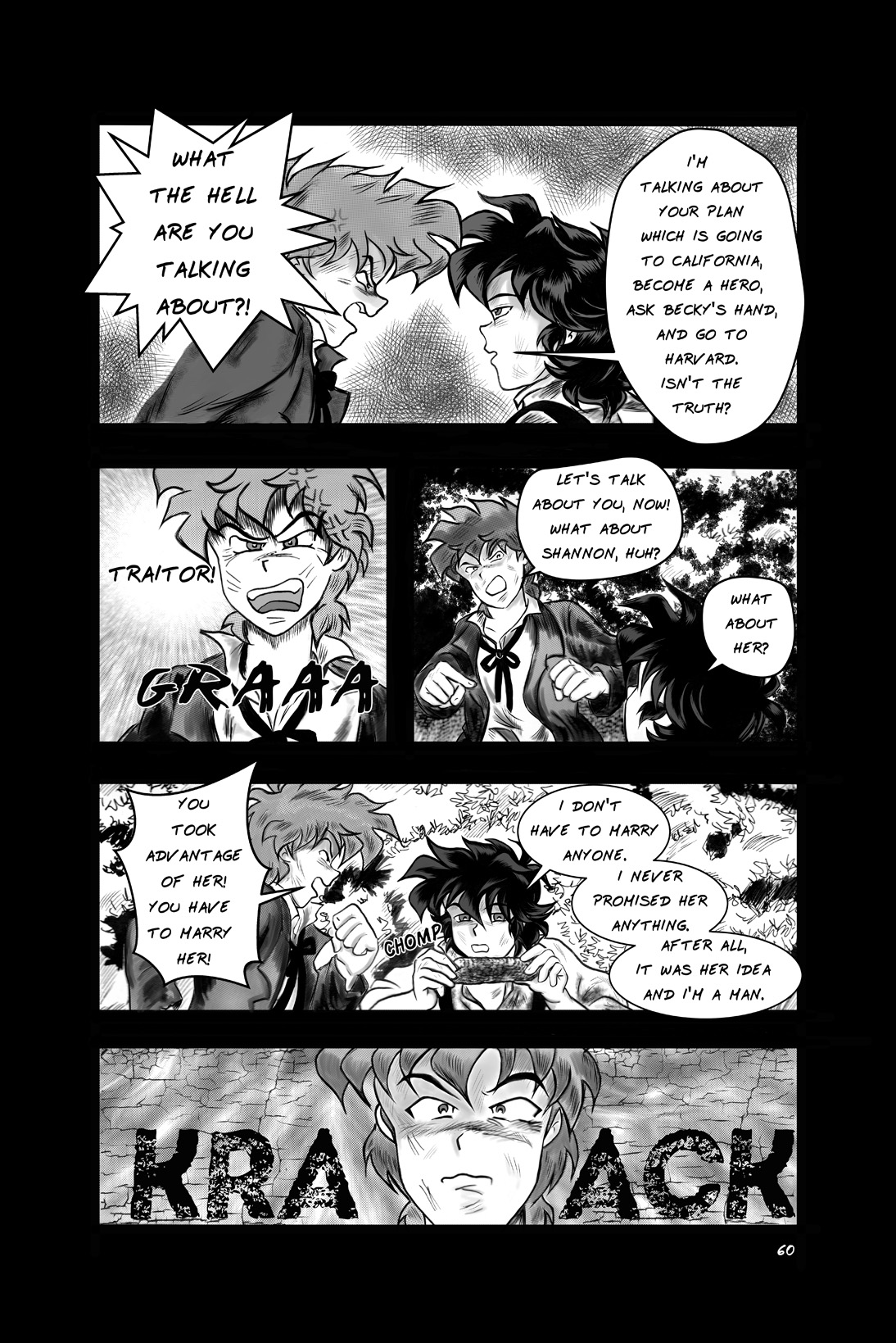
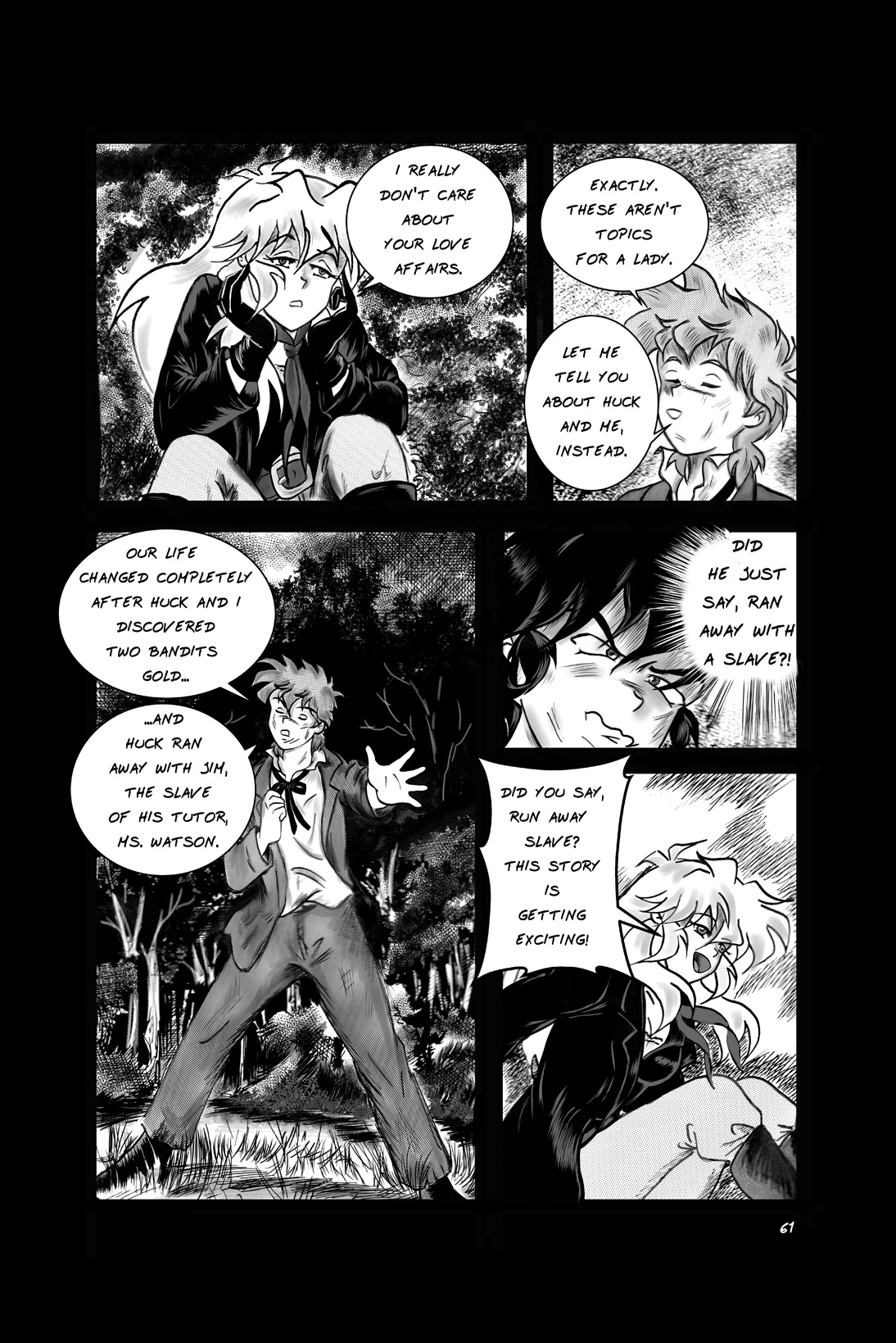
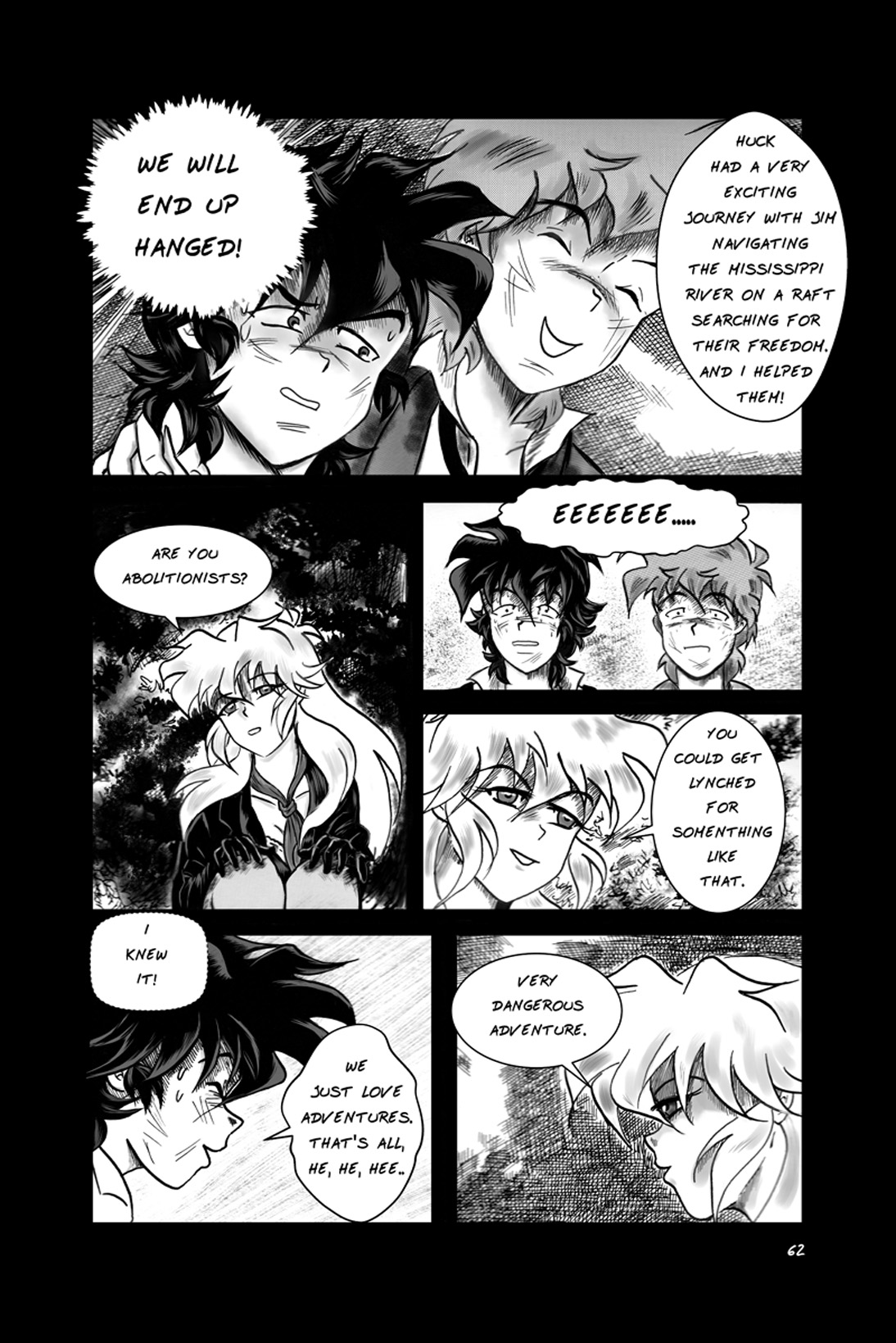
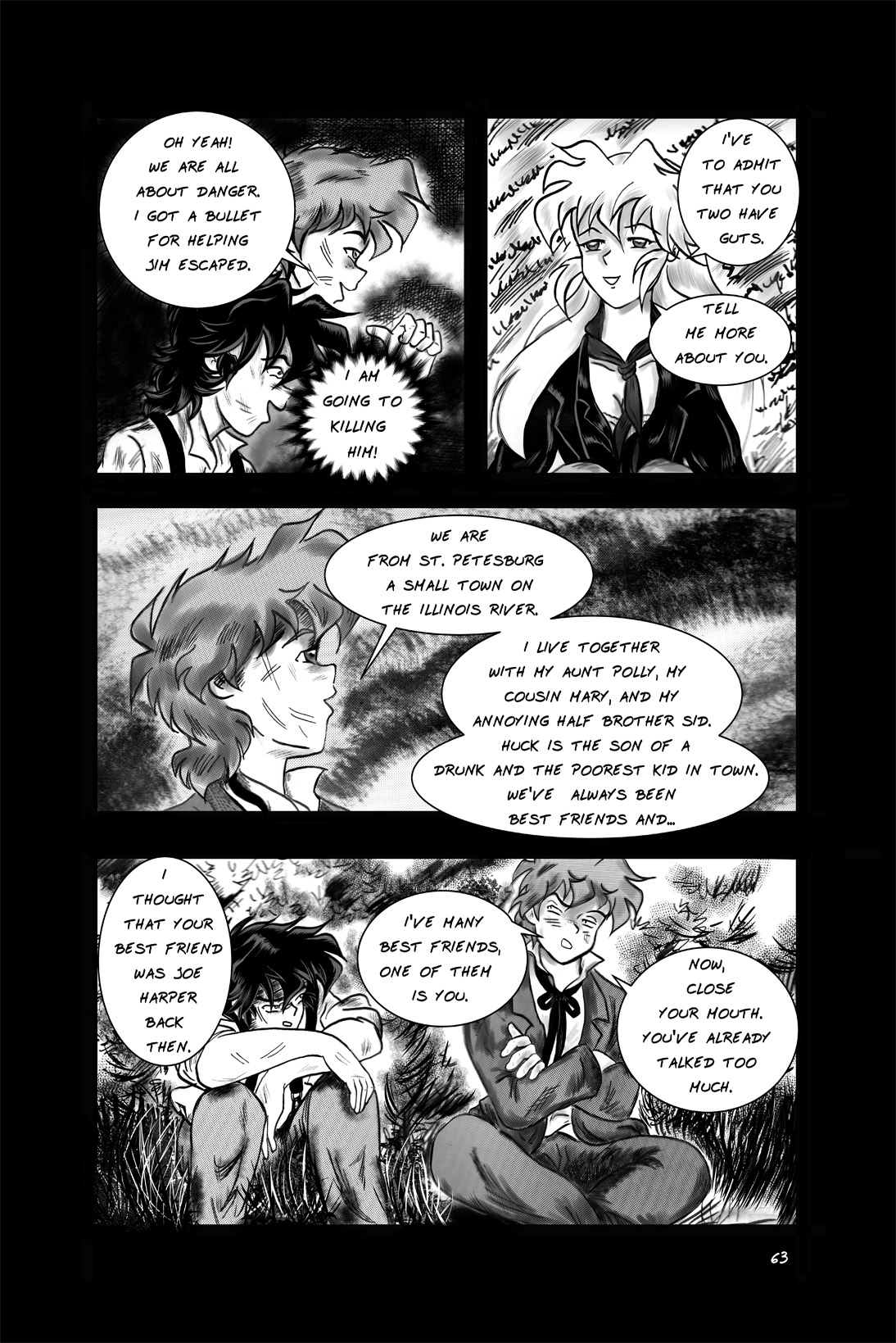
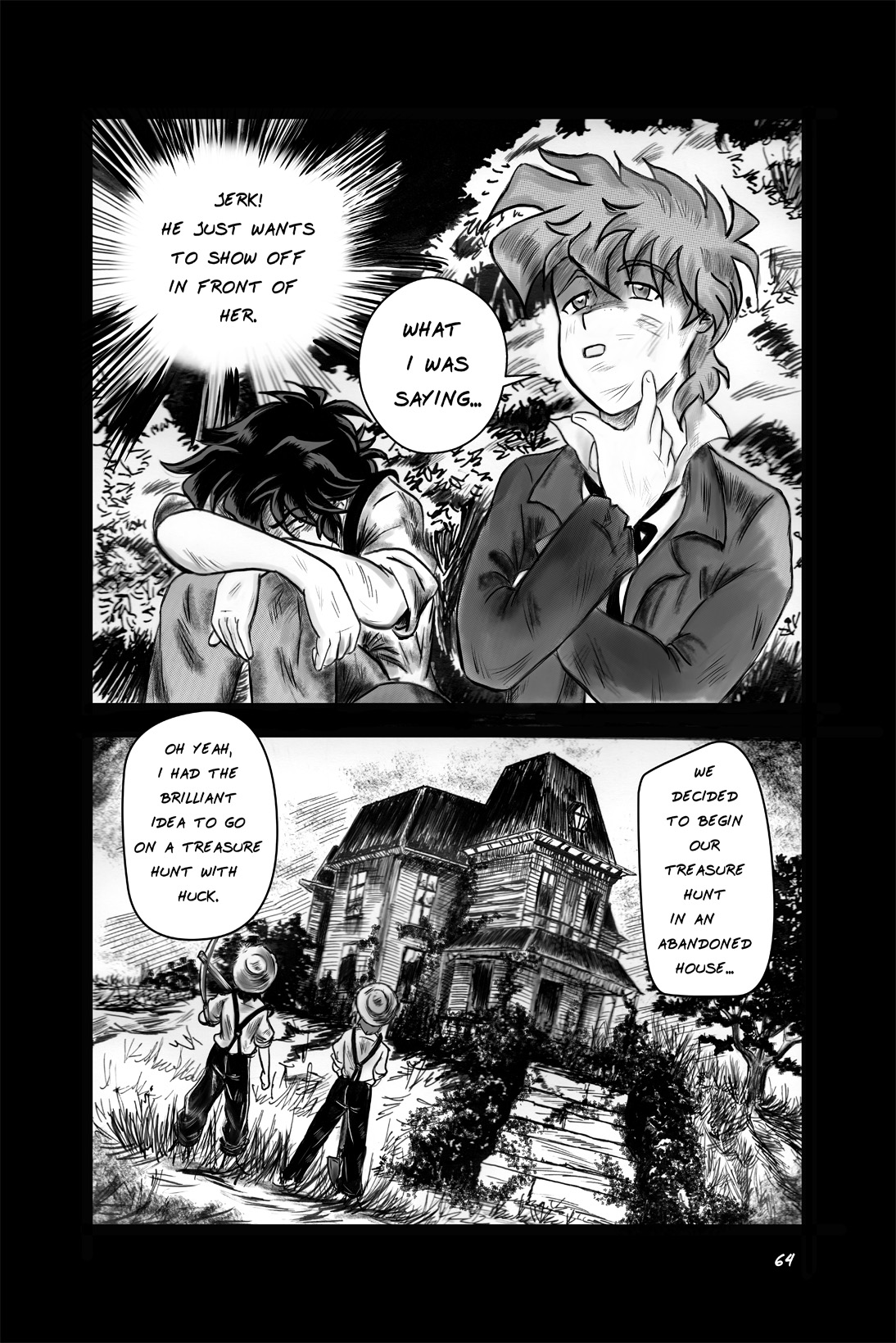
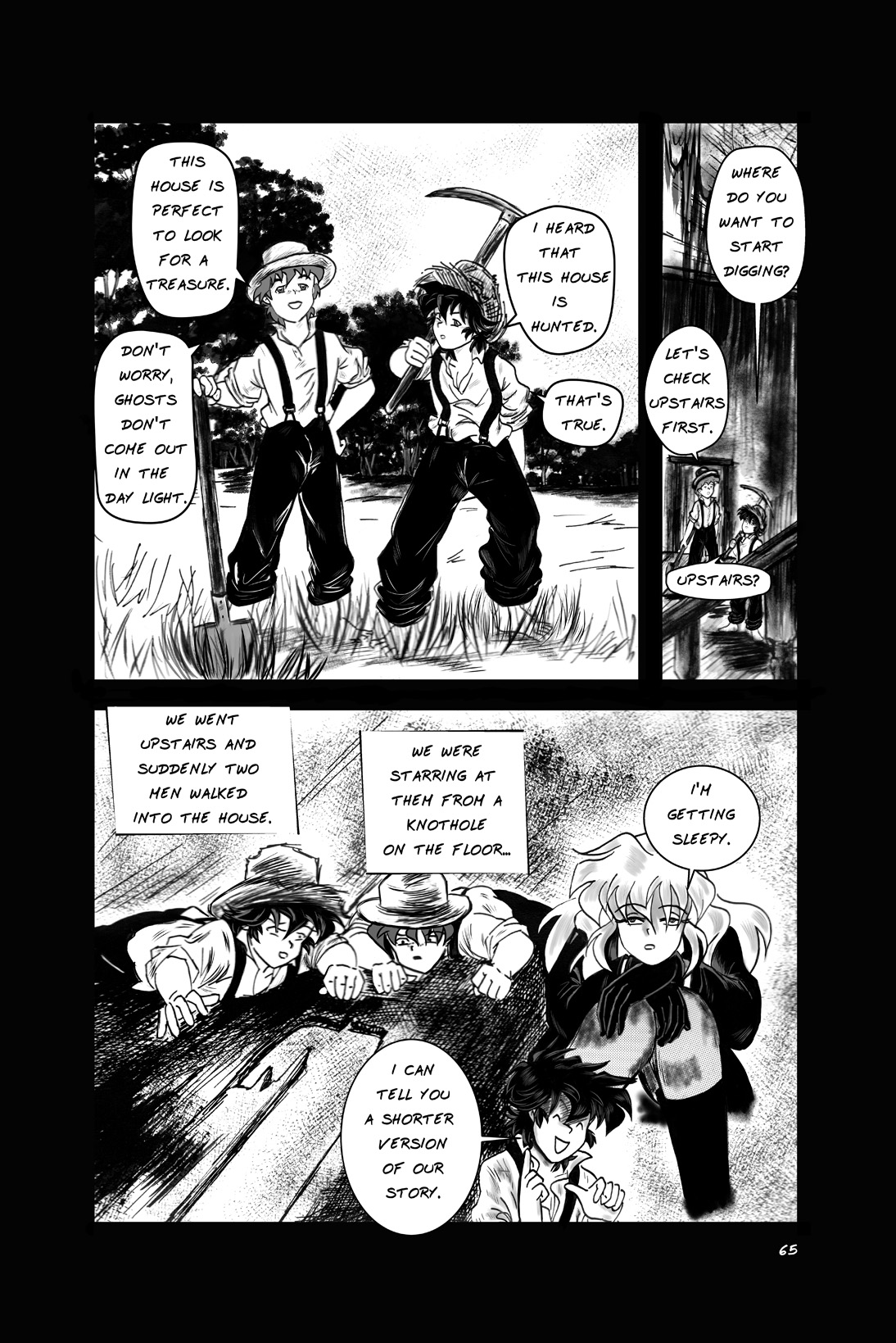
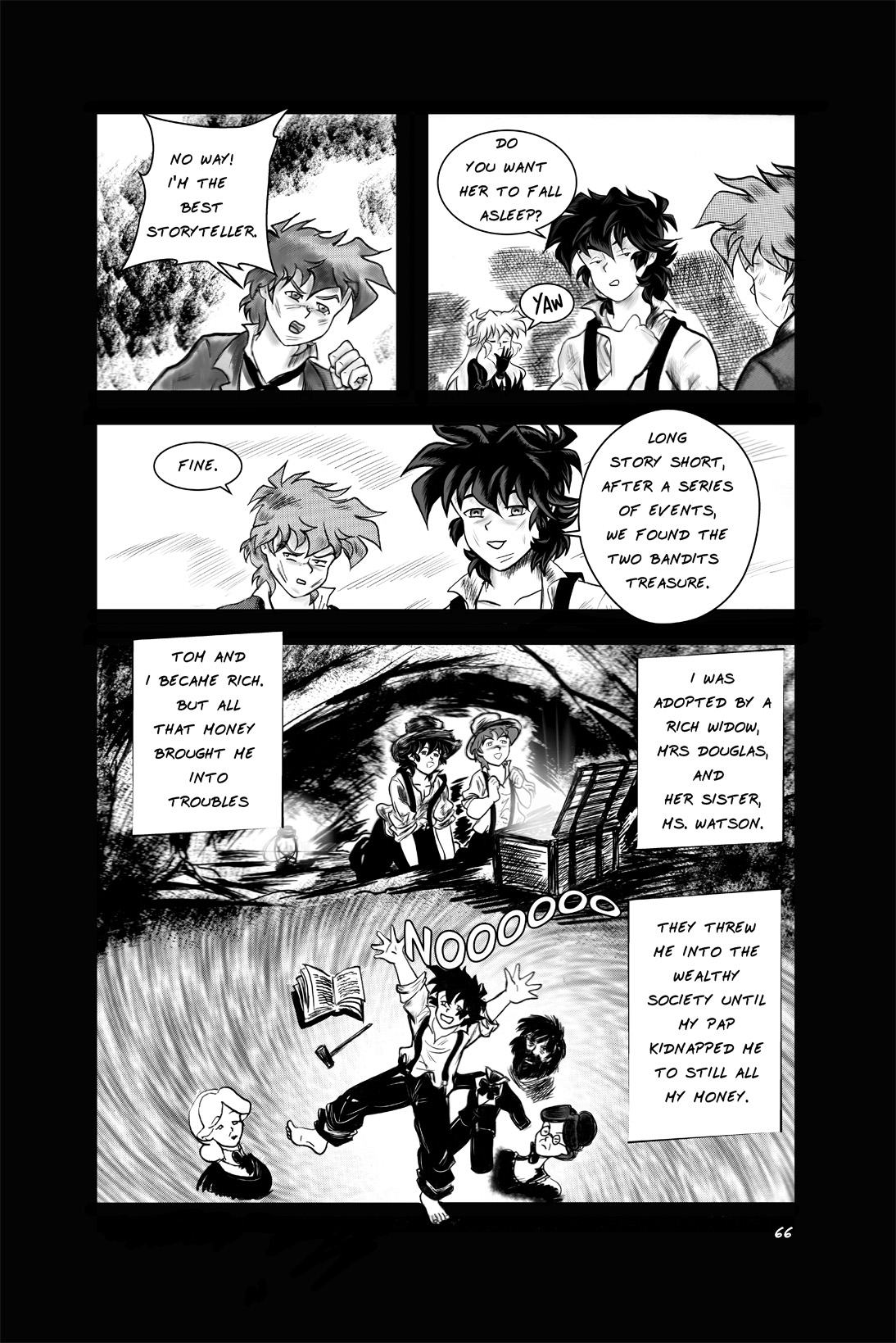
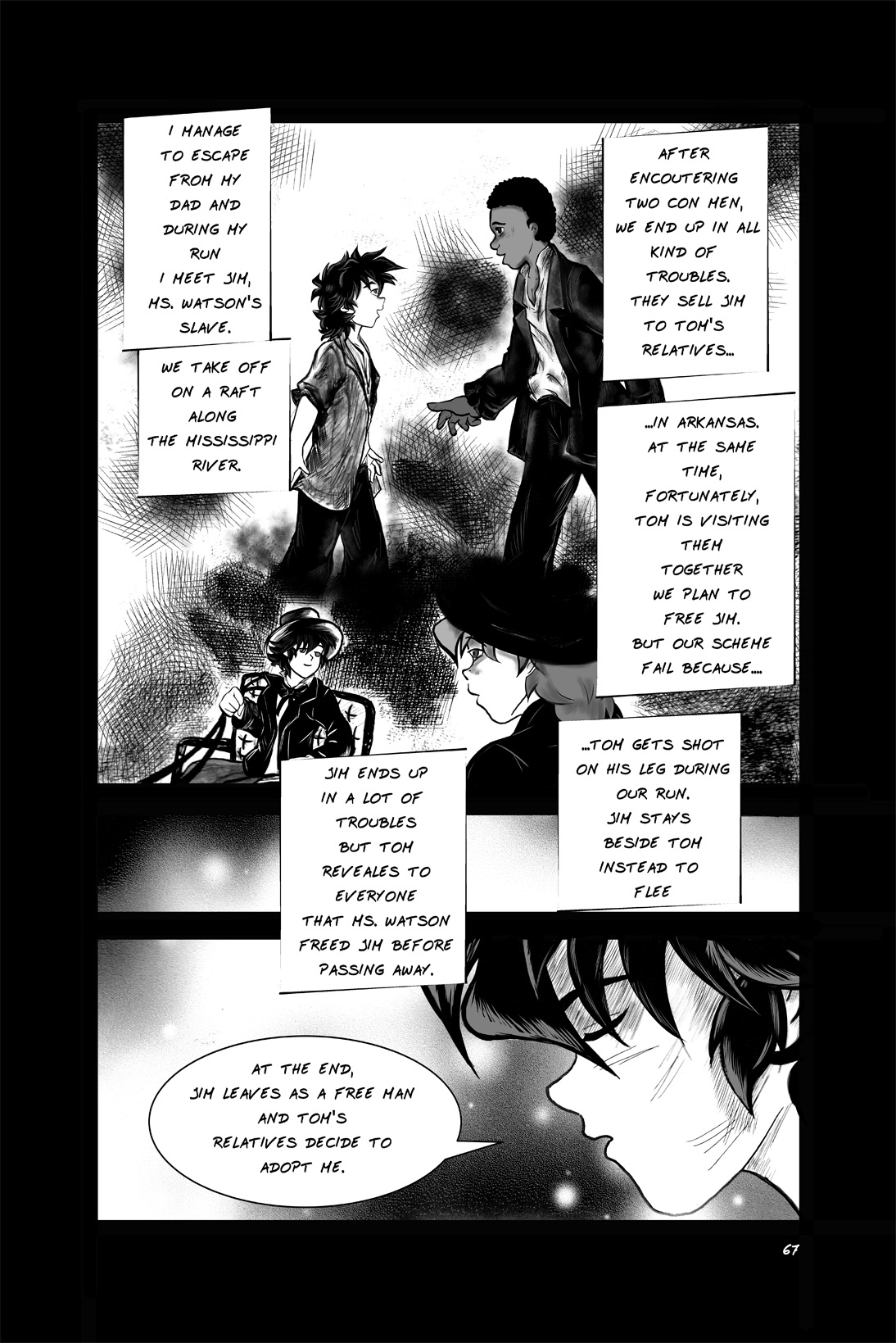
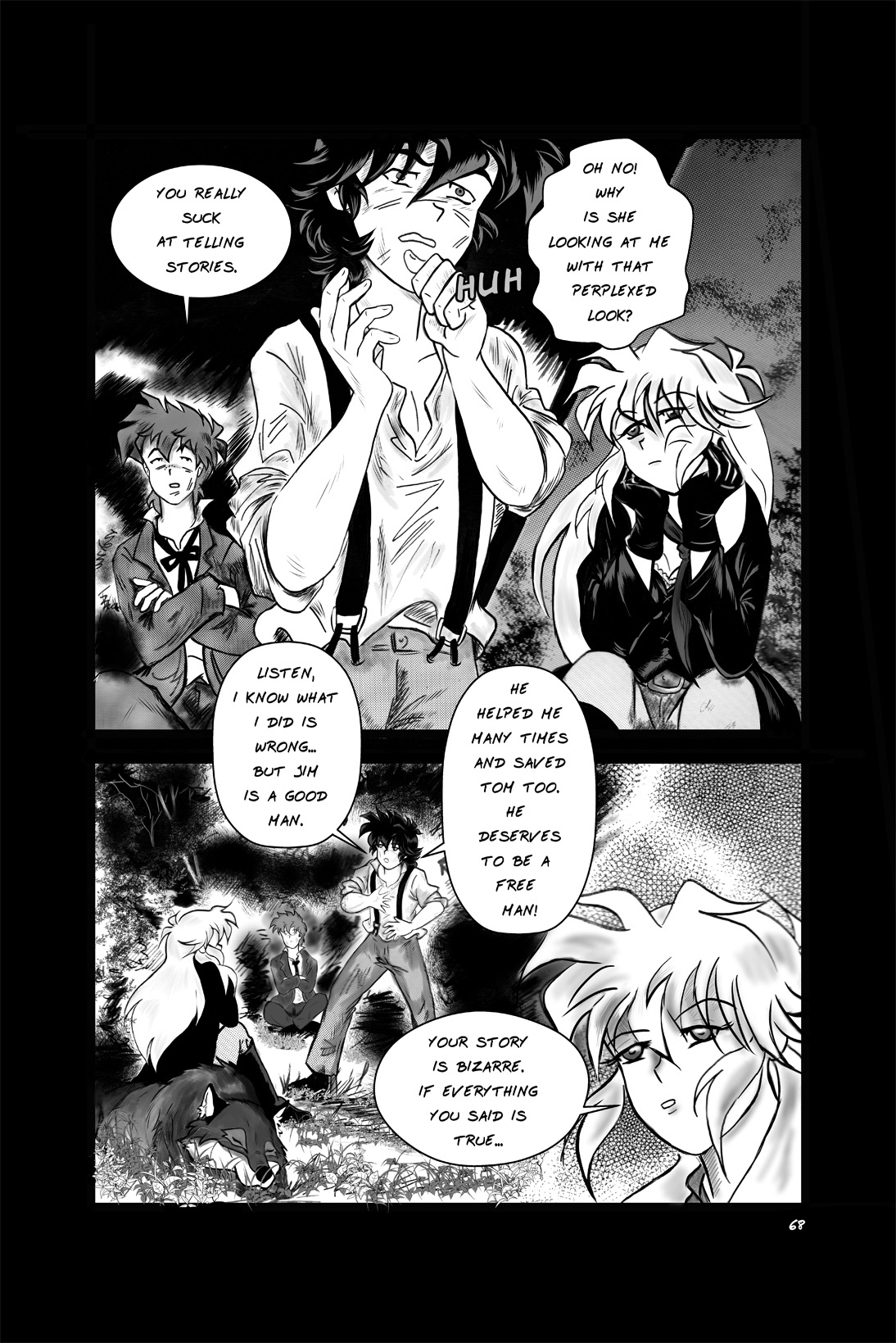
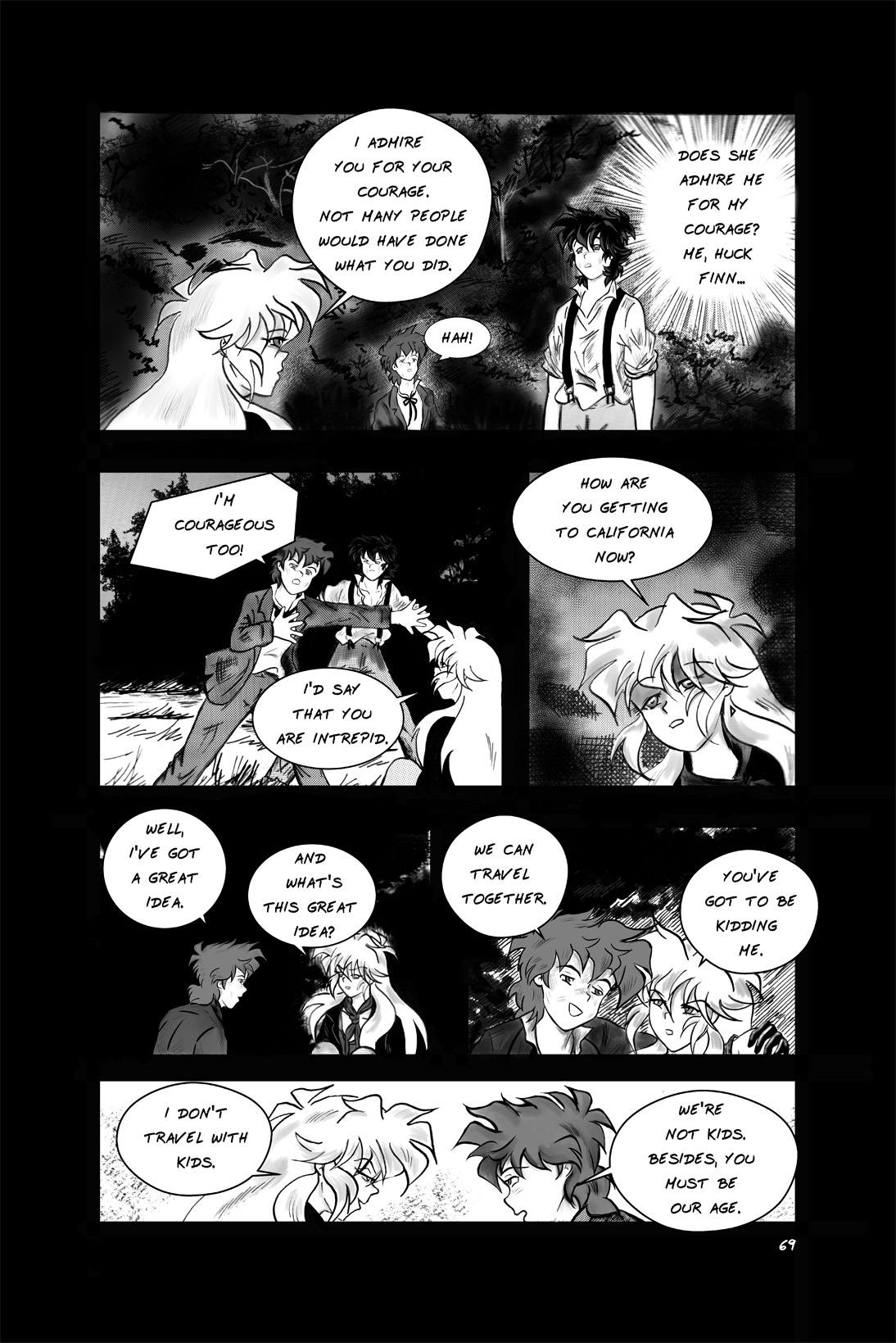
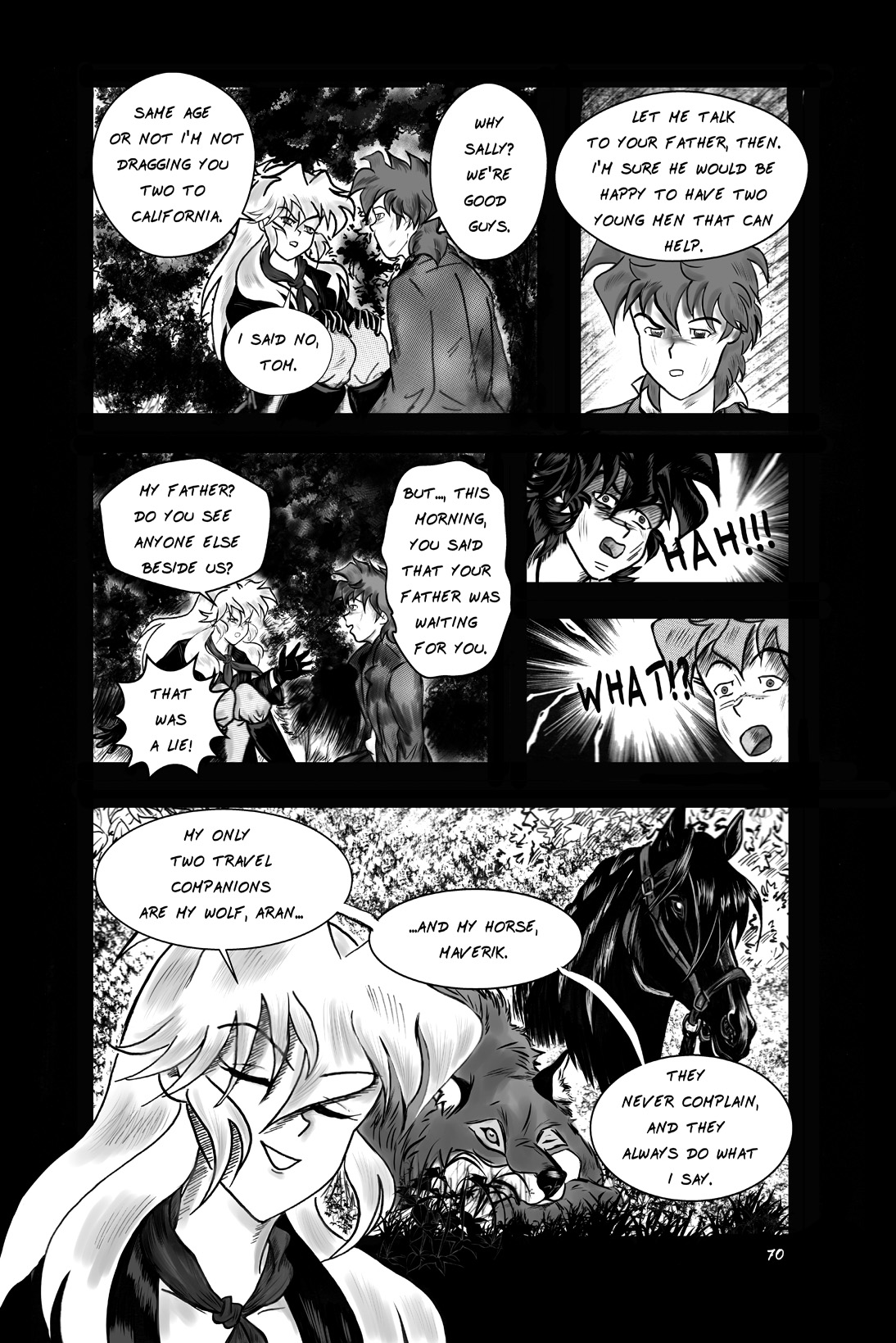
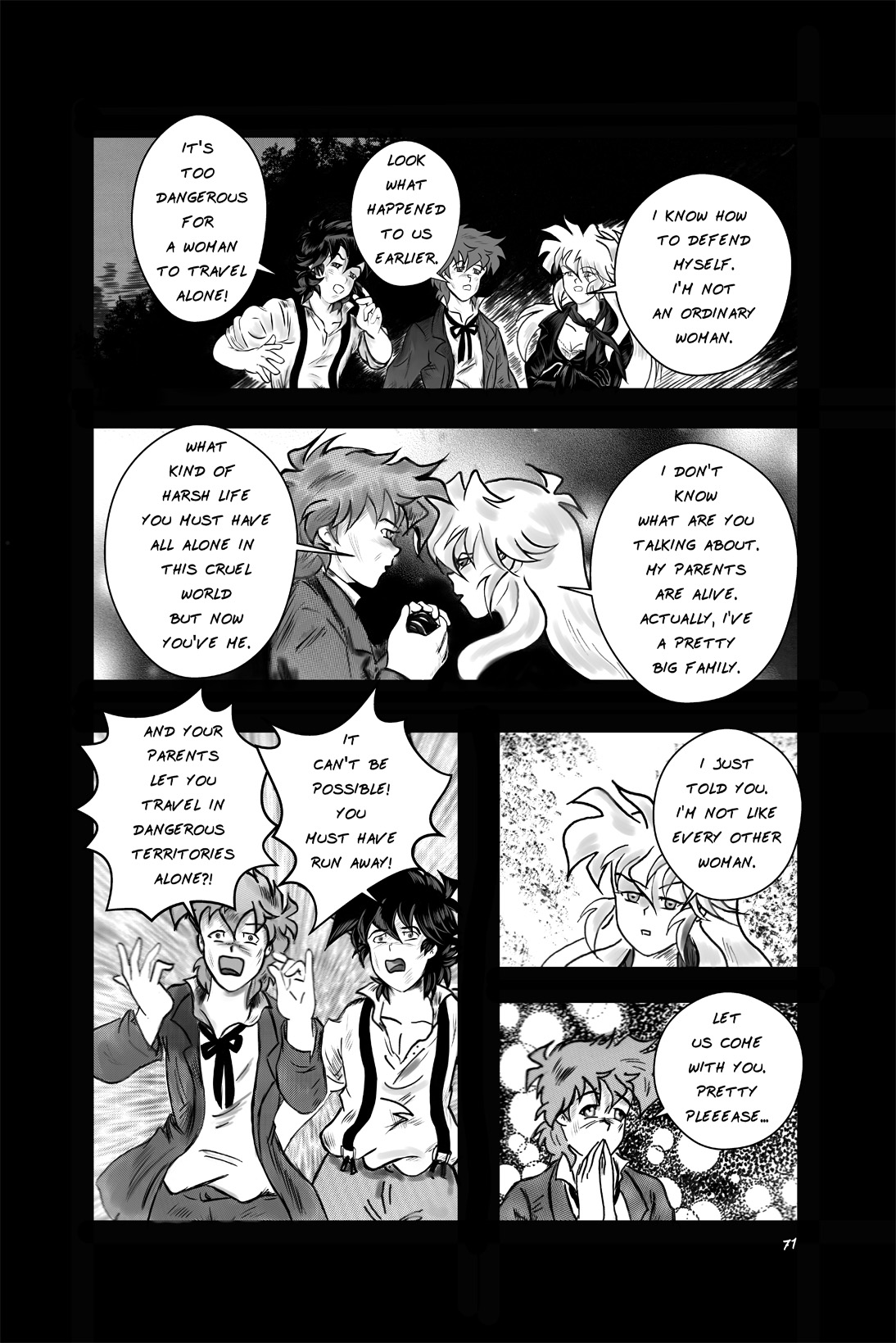
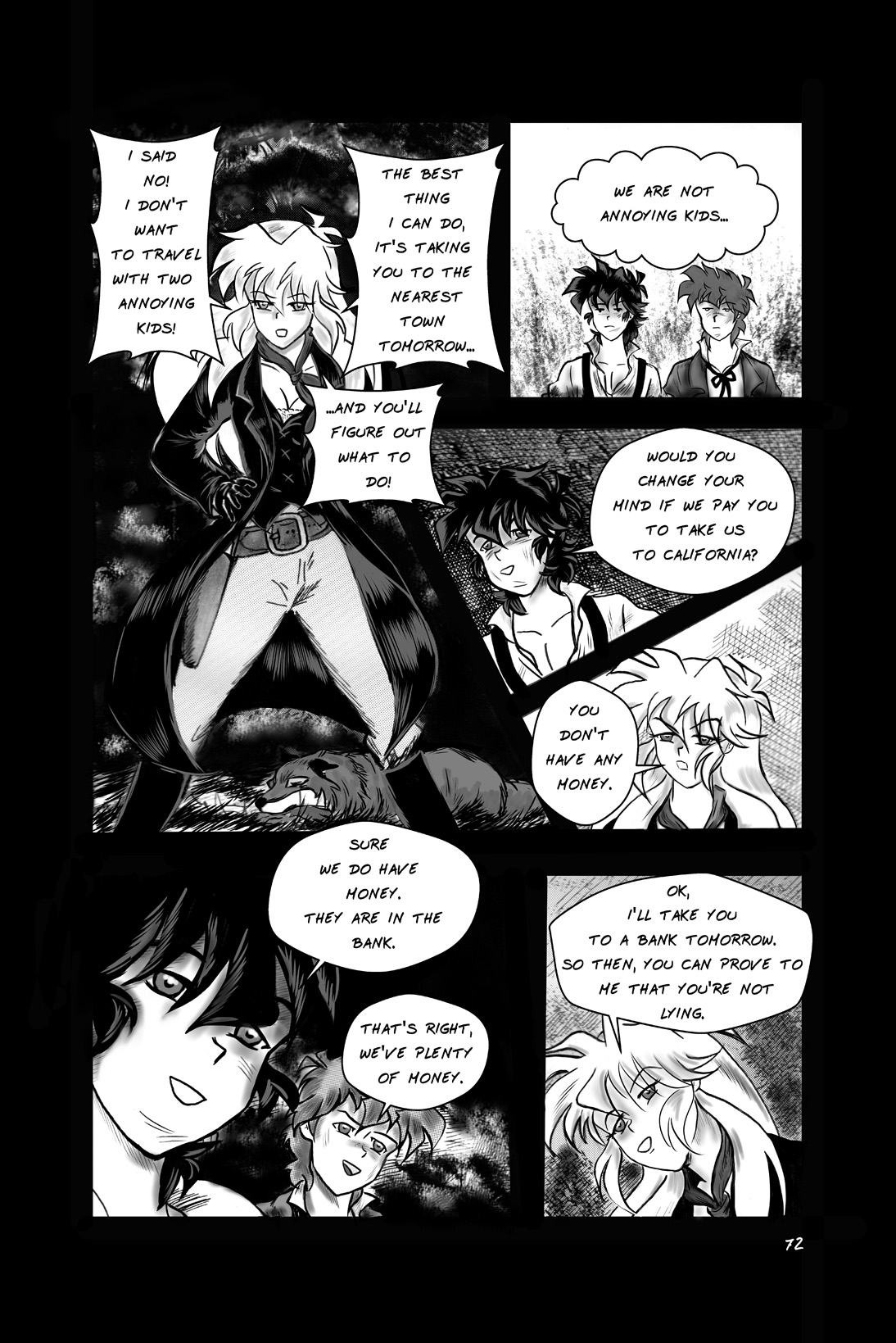
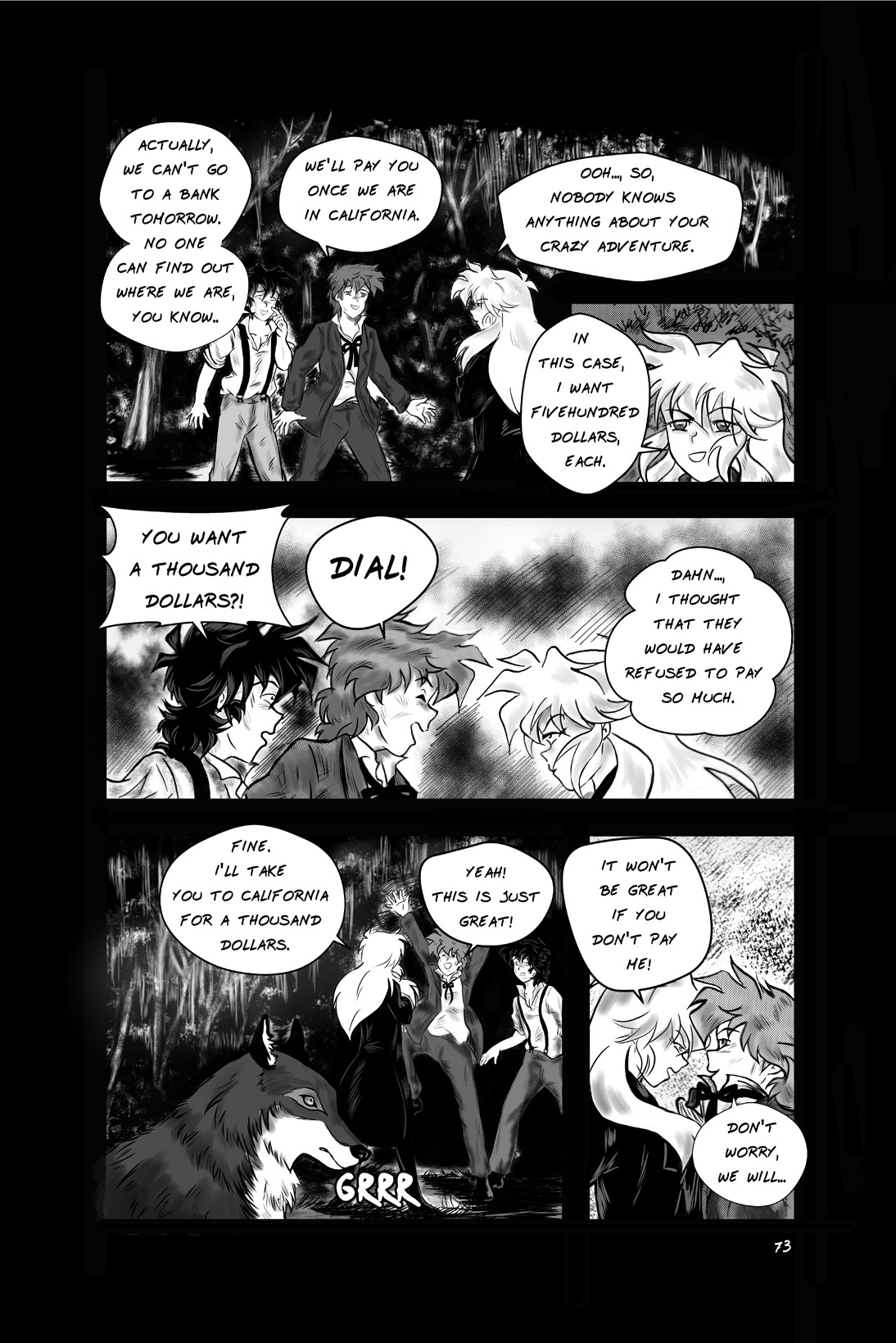
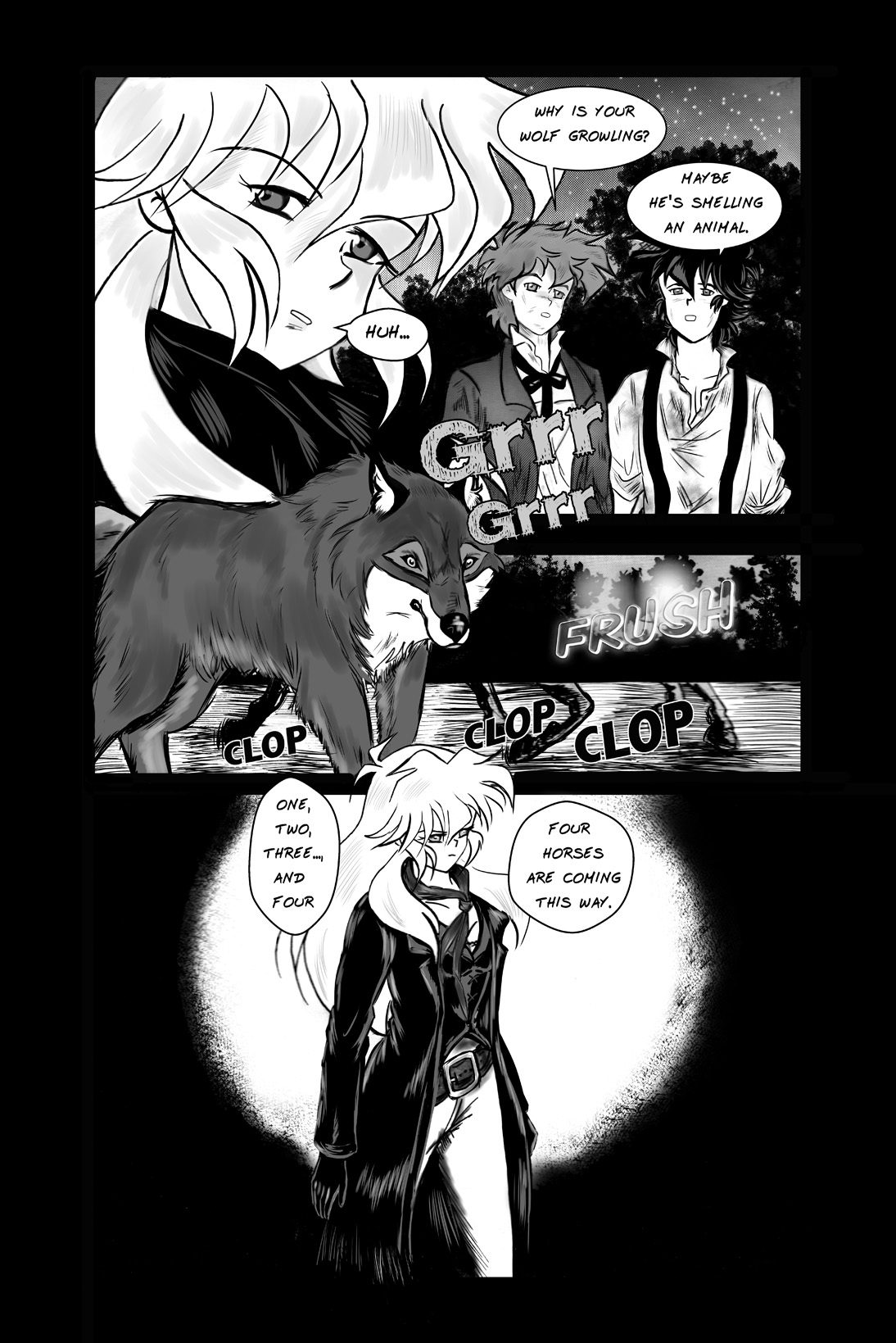
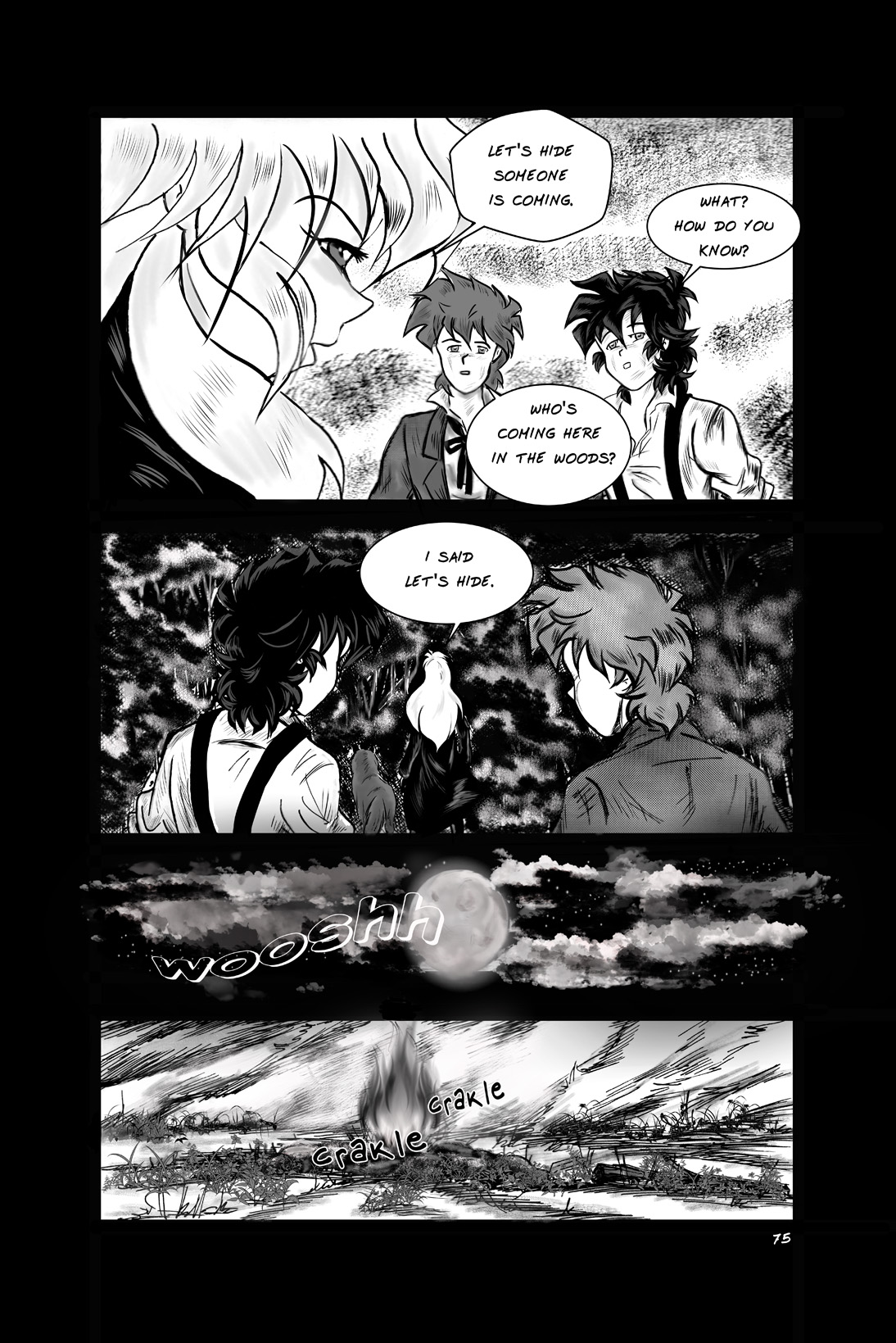
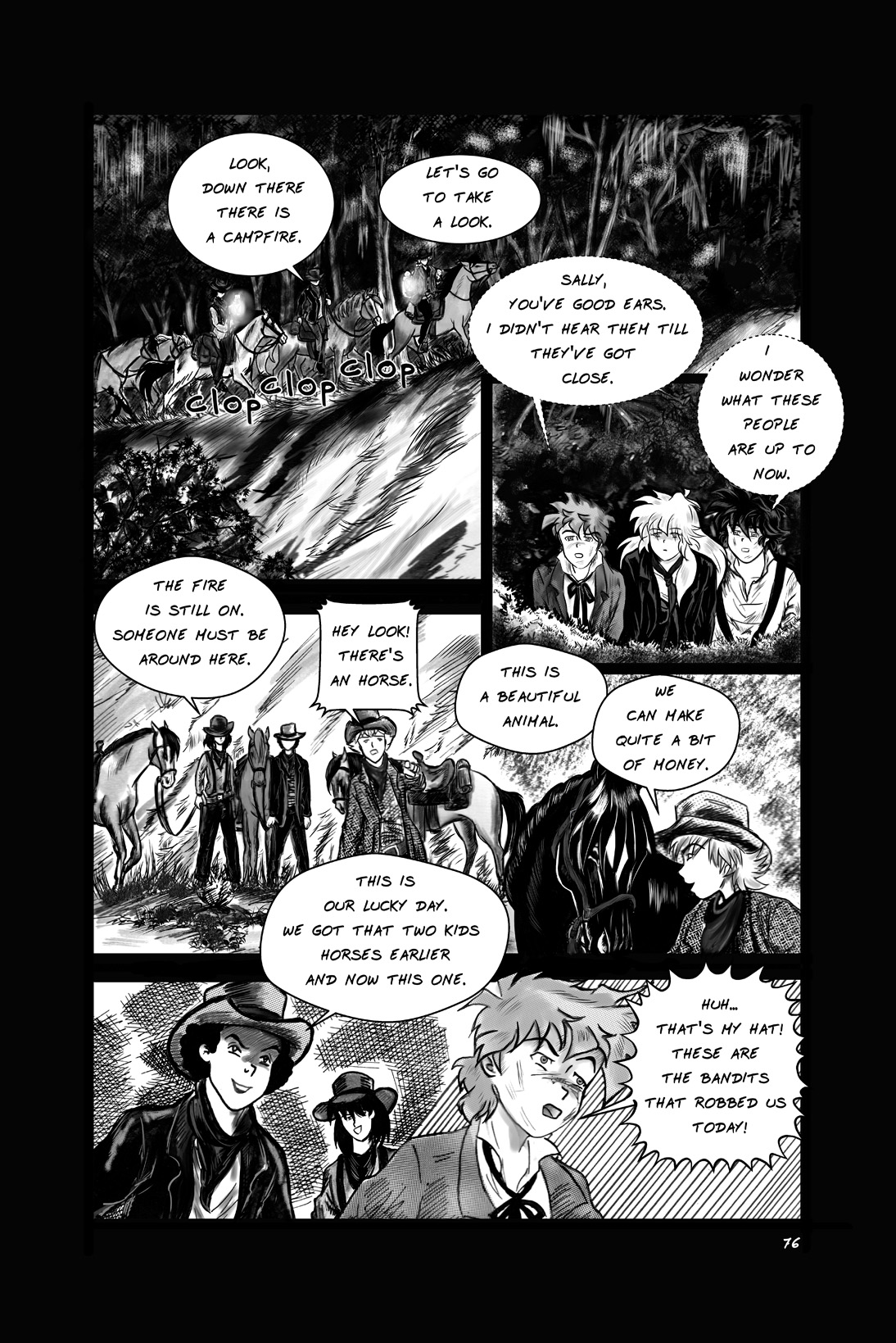
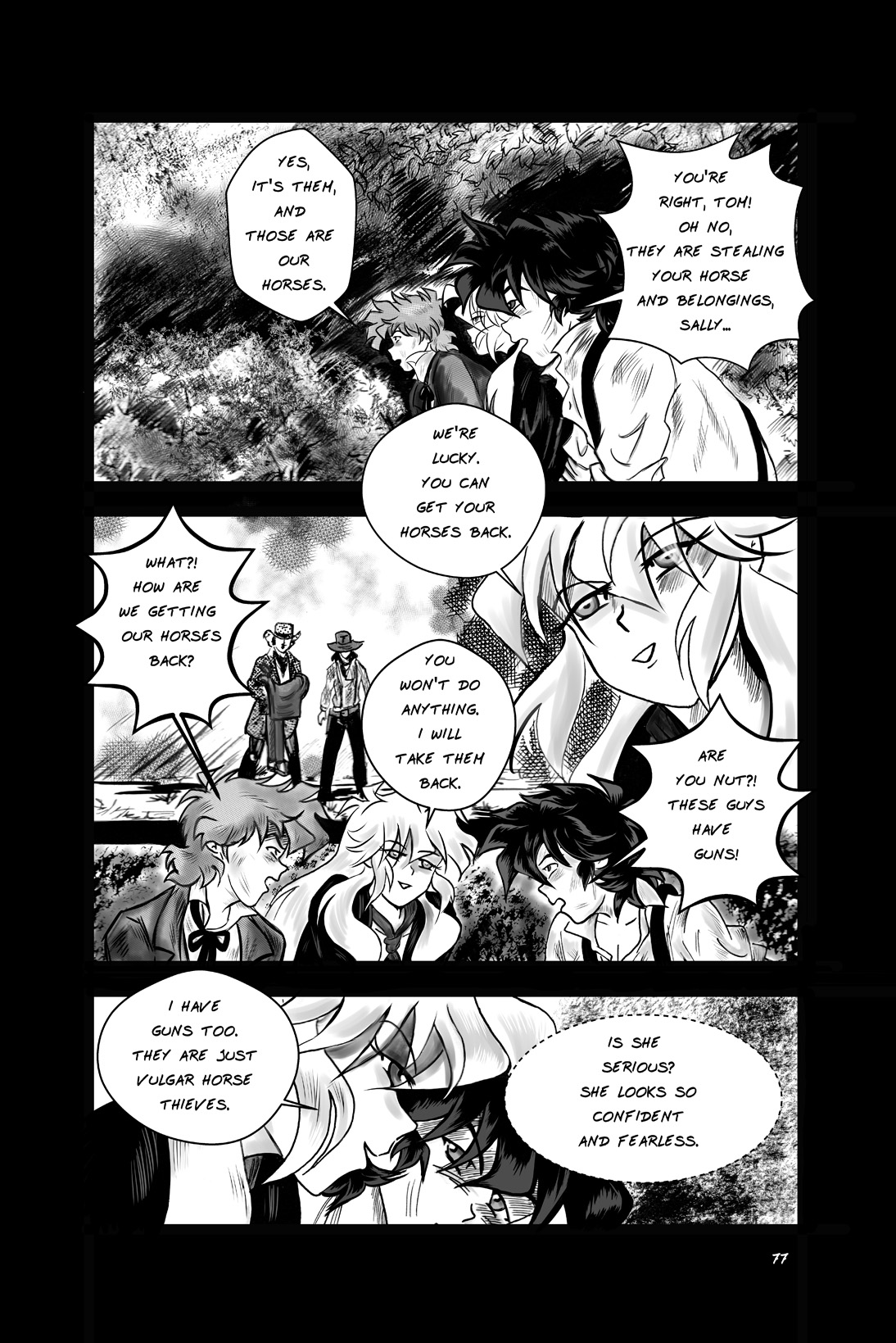
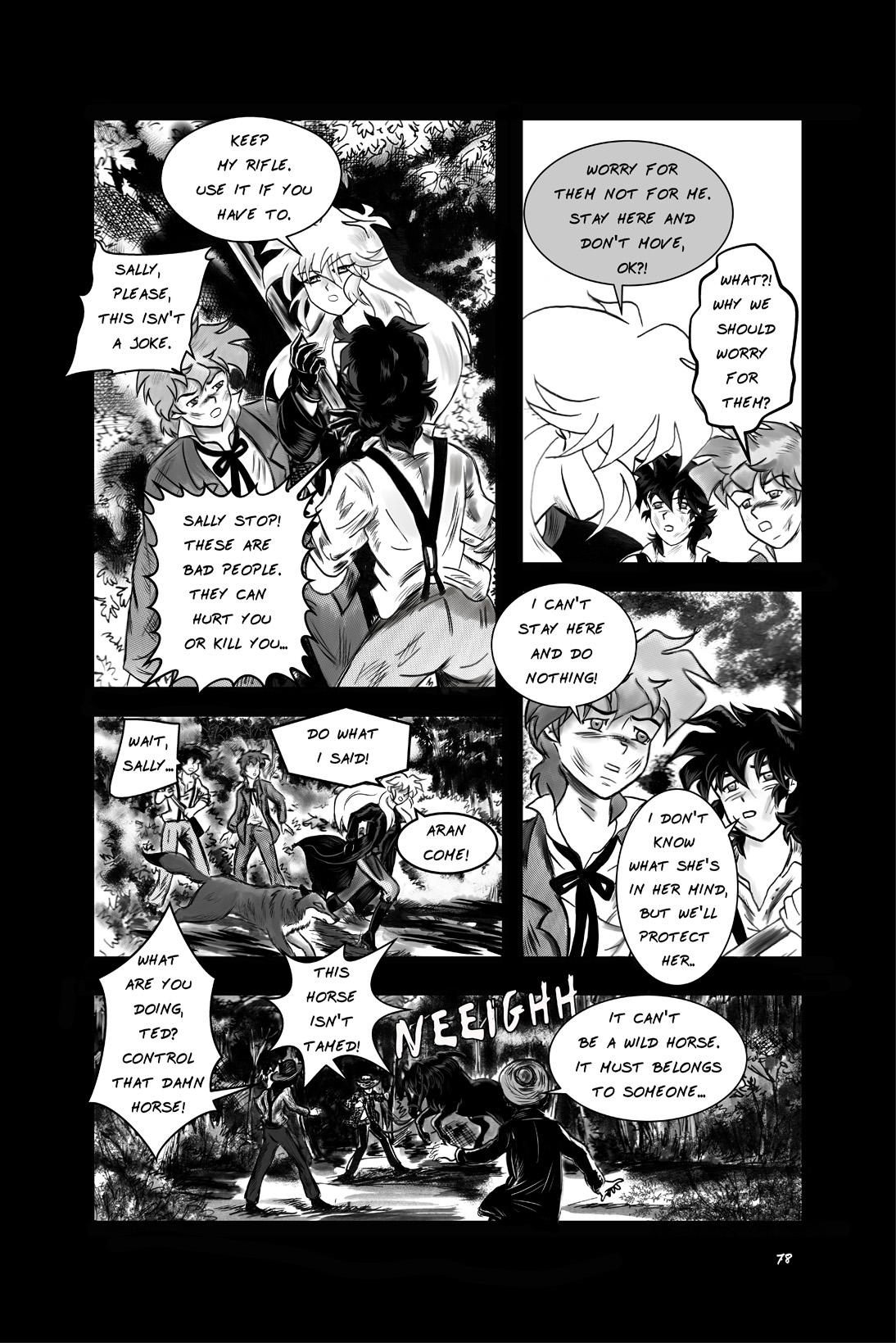
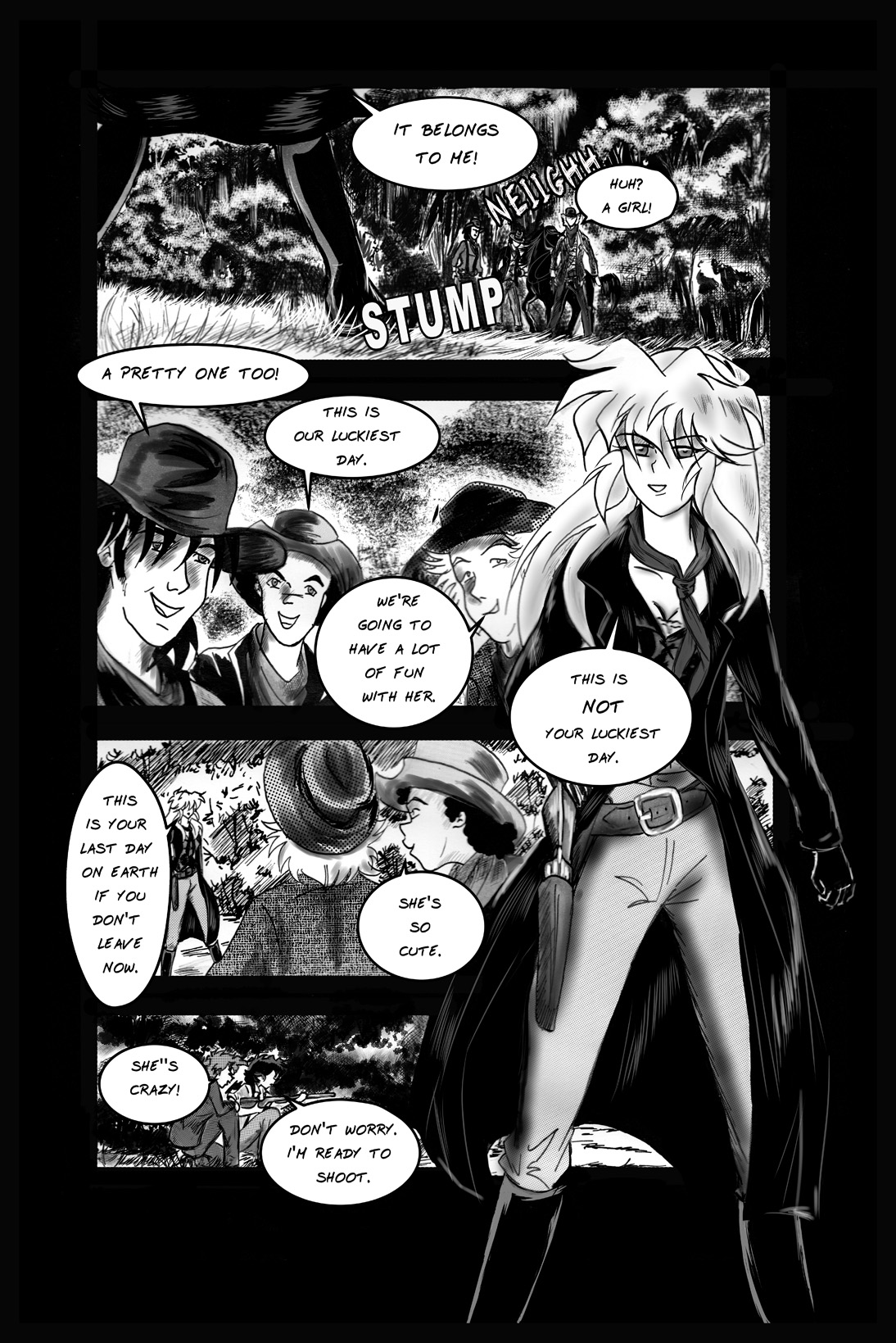
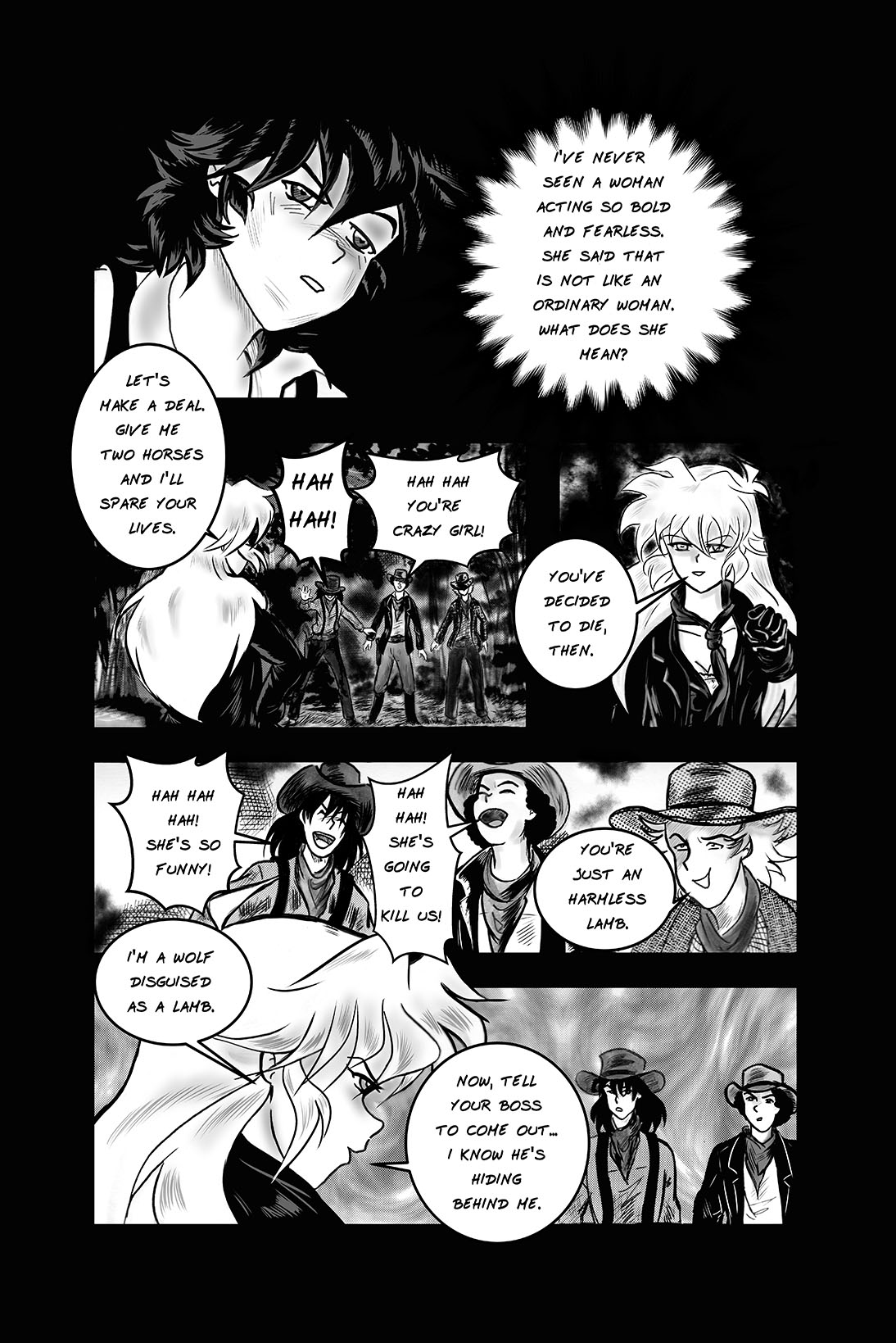
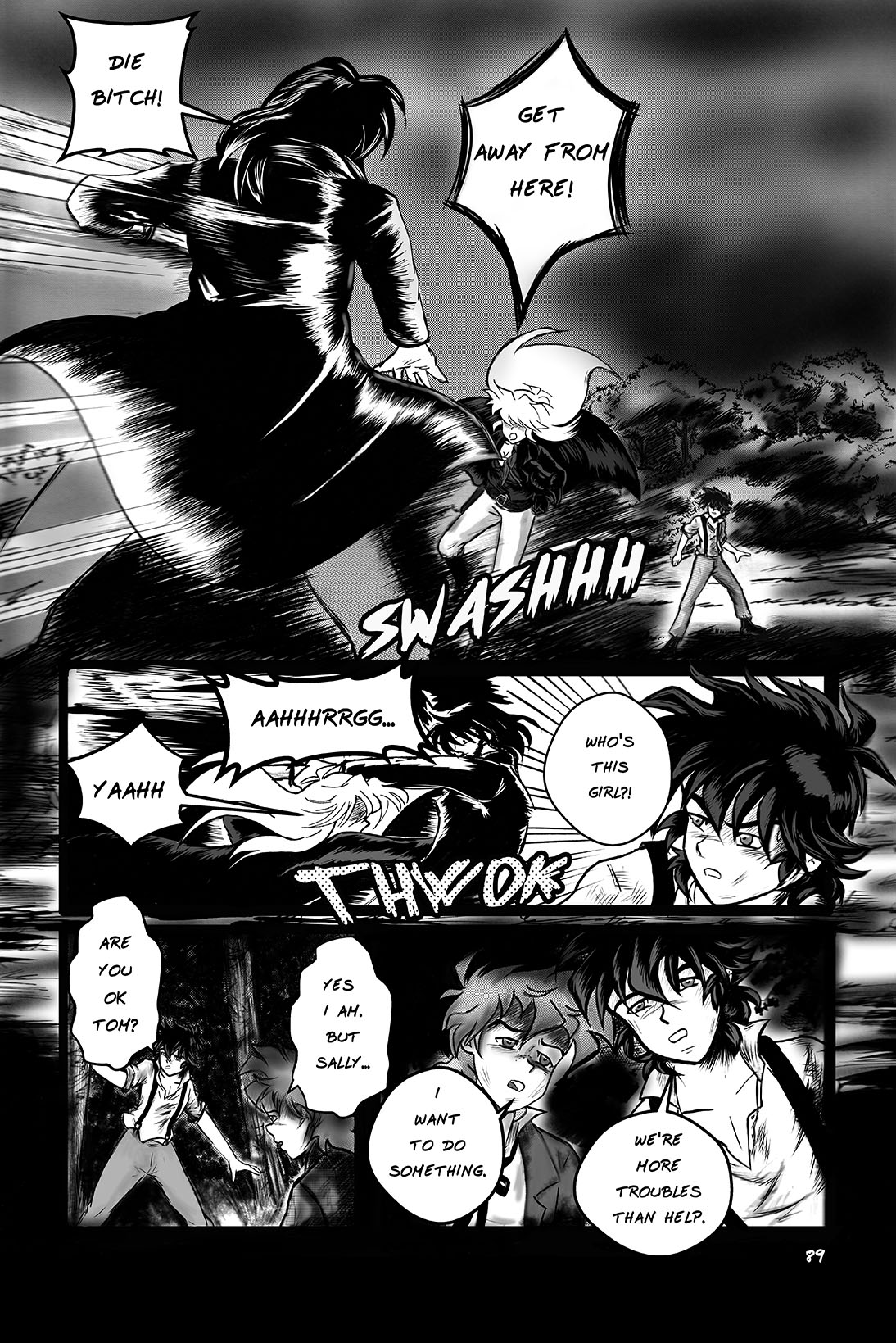
He draws by hand using real photos and edits the manga pages in Photoshop and Clip Studio Paint. He is really good. It gave some ideas for my Legends of the West.
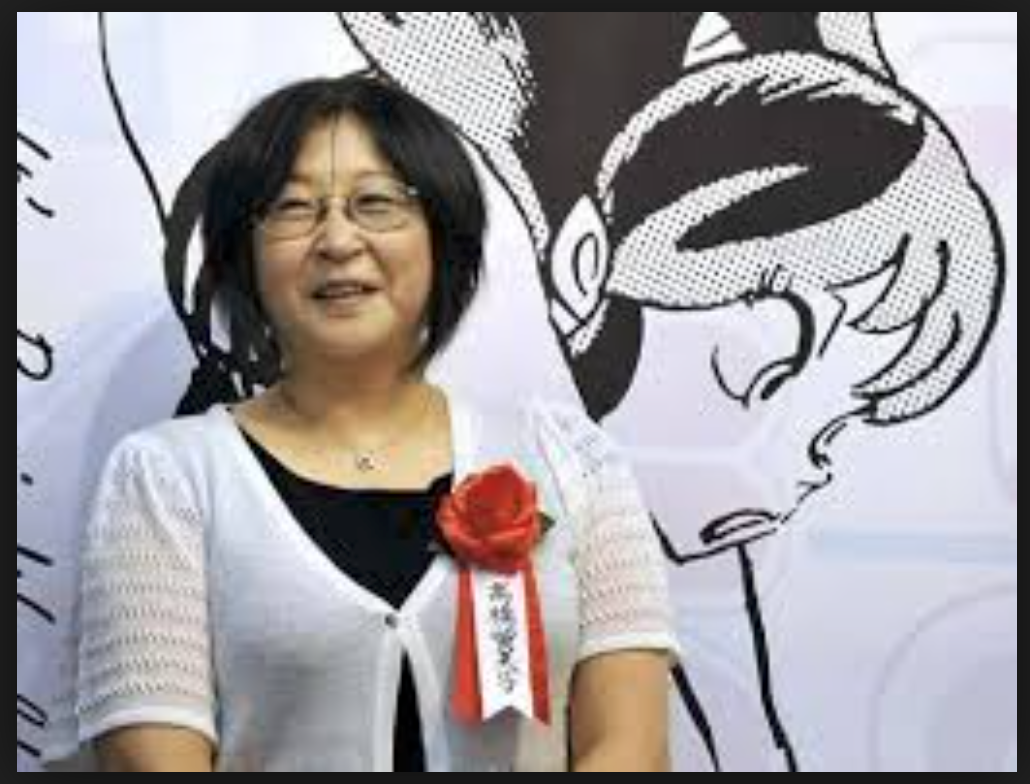
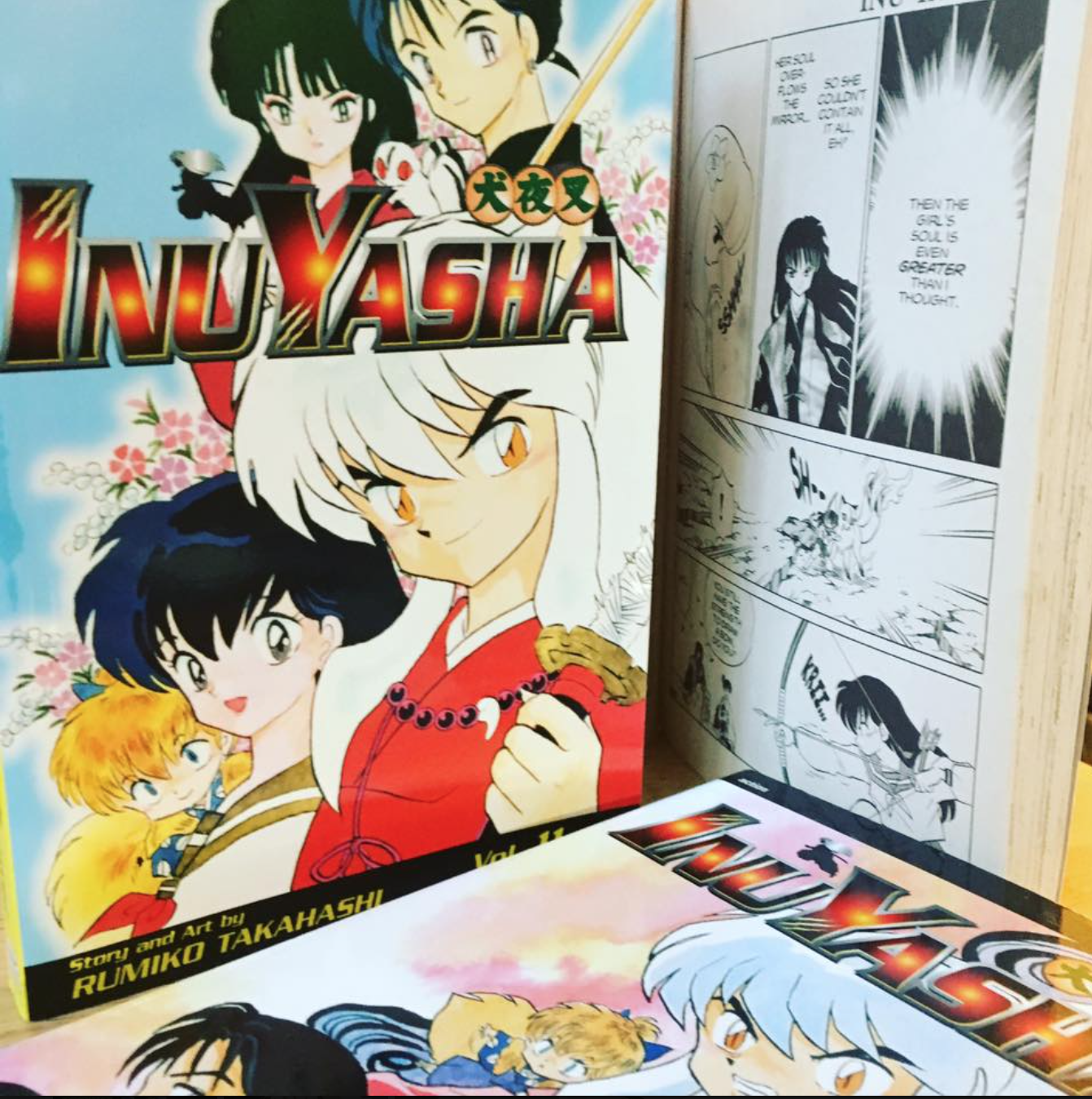
How a great artist like her doesn't use digital technology for her manga stories. Here, there might be one possible reason; she is from a different generation.
When she started her career, comic book artists drew entirely by hand. There were no Photoshop or Cintiq available. Only ink and paper. If you made a mistake, you restarted all over again.
Do you remember the old classic Disney movies like Bambi and Snow White? Disney animators drew and painted every single frame by hand.
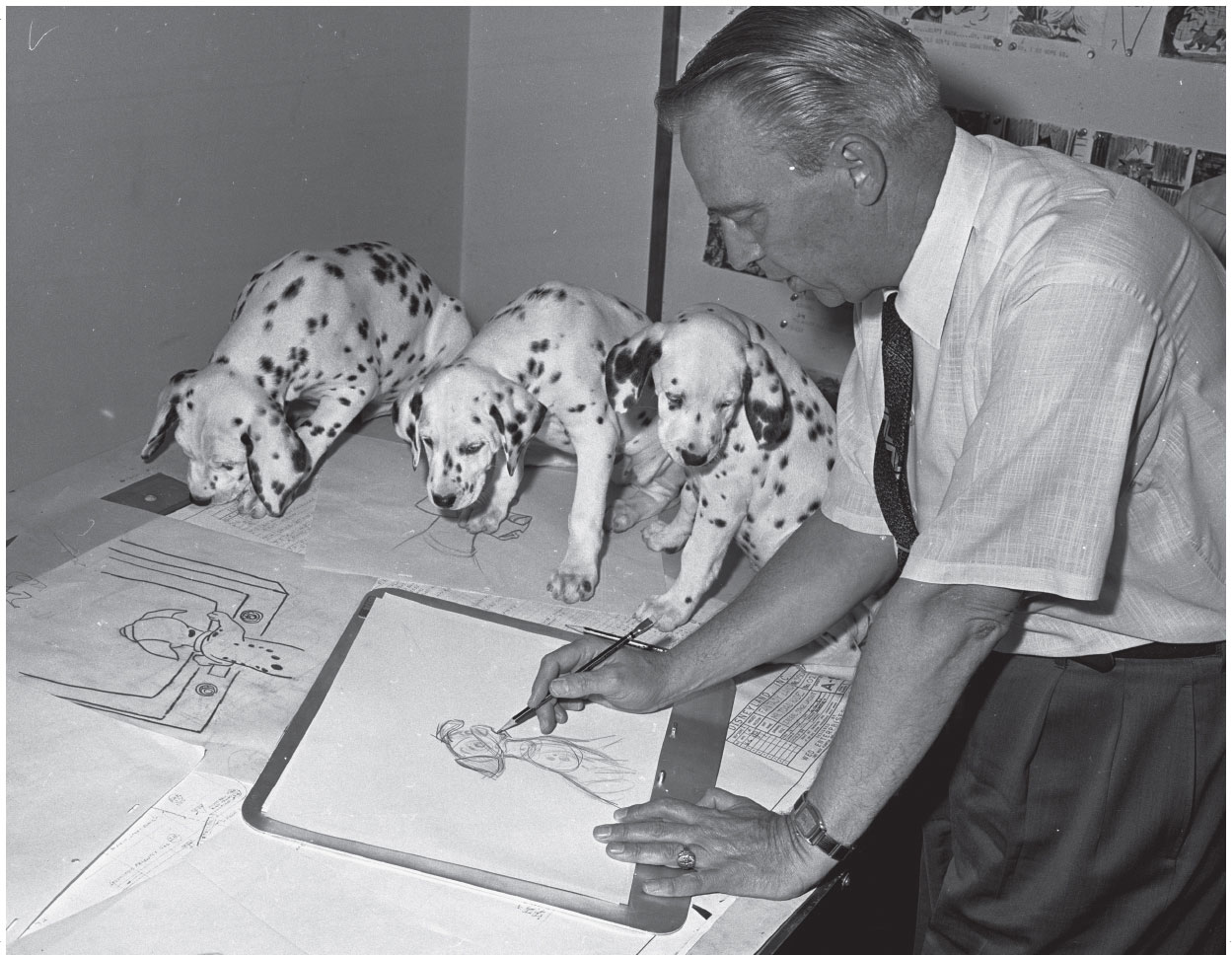
For many artists is hard to leave old ways to learn new ones. And some people are just not tech-savvy.
I have a hard time putting pencil and paper away and replacing them with the computer, too. When I was going to the Art School back in Italy, Photoshop was quite new, and only big graphic design agencies used it. We learnt to draw everything by hand, even lettering. I remember this big Letraset font book, making copies of the selected font and drawing it freehand.
Now, it's enough to go to Dafont.com and download as many fonts as you like. Thank God!
Everything changed completely in the last decades. Digital art has made enormous steps, and its related products are getting more affordable and friendlier to users. That made it easier for younger artists to quickly adapt and learn new techniques with technology.
YouTube changed the game, too. There are plenty of tutorials for every subject. And most of them are really good. Back in my days, you had to take a course or go to the library.
A Generation thing might be one of the reasons why older Japanese artists still use pen nibs. Maybe, but it's not completely true. Some young Japanese artists use pen nibs to draw their manga, too.
Some may say that mangaka have assistants who help them, while American and European comic book artists work by themselves, so mangaka have more time to apply in drawings with traditional art materials than Western artists.
I would say no. This is not a good reason. Mangaka indeed have assistants, but that's because in Japan, publishing deadlines are insane.
Manga are published weekly in magazines. When a manga gets popular, the publisher publishes the story in volumes for selling all over Japan and other countries.
In Japan, every mangaka assistant has a specific role. Some assistants may draw just the backgrounds for a page, another one may just ink the page and so on. It is practically impossible to finish a chapter ready for publishing by yourself in a week. I can’t even finish a page in a week!
So, why do some Japanese artists still use pen nibs?
The truth is that drawing with a pencil and inking with a pen nib creates unique lines different from one to another that only your hand with a pen nib can create and cannot be duplicated over and over like in a computer, so the image that you just created is unique. For this reason, your drawing has personality and has your style, which is your signature.
Now, I know some of you may disagree. But if you really pay attention to most of the manga and Western comic styles out there, you will notice that they are almost alike. Drawing on the computer is nice and faster, but sometimes I see these beautiful artworks look too similar to one another. There are great drawings, but with no personality.
I follow several artists on Instagram. They create amazing drawings with the computer, no doubt. But honestly, if I don't read the name of who posted the artwork, I can't recognize who drew it because they all look the same.
I don't blame the use of computers. Art schools teach students to draw manga in a certain style because it sells. So they learn to draw in that way from school, and these young artists won't find their own style. DC and Marvel comics are not an exception. There is a mass production of anime and manga, and comics in general. Stories are shorter and pretty much similar to each other.
I might be wrong, but I grew up watching anime. They were different styles, and you could recognize who drew it. Miyazaki, Takahashi, and Monkey Punch are great Japanese cartoonists, and you can tell the difference in their style and stories. You don't need to figure it out. Their drawing style is their signature. Unfortunately, it's getting lost.
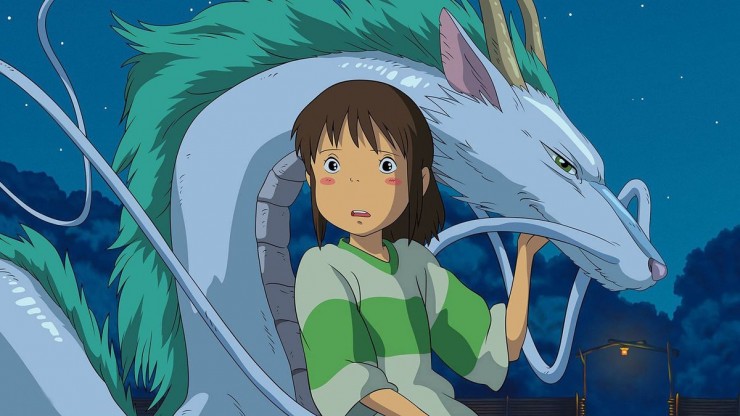
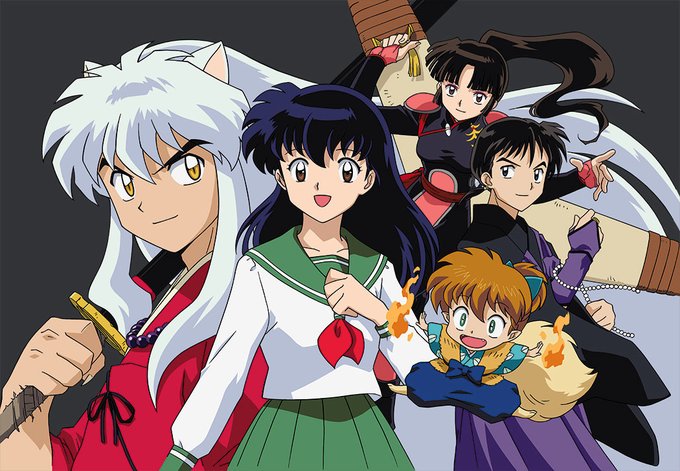
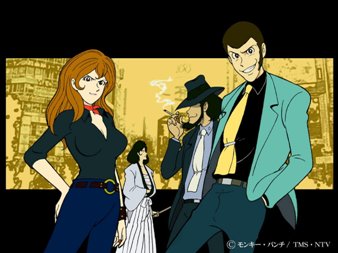
There are still good and original stories in the comic book market. They are getting rare because, like for everything else, profit is more important than quality. It's like the music industry. Once in a while, you get a really good son, but for the majority, they are pretty much the same.
At the end, every artist uses whatever art tools they prefer. There is no real rule to follow. But it is important not to forget that we are artists and creating our own personal style is vital not only for ourselves but for the art in general. Comic books are an expression of art, no matter what some people say. There is nothing more artistic than creating a story with characters and describing it with images. So, for all the newbies who want to create comics, I give you some advice.
Begin to draw with traditional art materials. Learn as much as you can. Don't just draw comics. Buy some good art books or watch some tutorials and learn how to draw in different styles with different materials. Charcoal, pastels, acrylics, etc. Draw everything: animals, inanimate objects, natural elements, and landscape. Learn the perspective and the human and animal anatomy. How to create shadows and lights. Learn the basics and then improve your skills by watching other artists and learning from them. Remember that an artist never stops to learn, no matter how good he or she is. Once you know these basics, you are ready to draw a comic book, and you can apply your skills on a computer too.
Drawing is like learning a language. You can't start speaking a language without knowing verbs and basic grammar rules. You have to study and then apply what you learned.
DIFFERENT TYPES OF MANGA PEN NIBS
Let’s come back to talk about pen nibs. Japanese pen nibs are the ones on the market used for drawing, specifically manga. Obviously, you can use them for drawing anything else.
There are other types of pen nibs, these are for calligraphy and are not for drawing, so don’t waste your time and money.
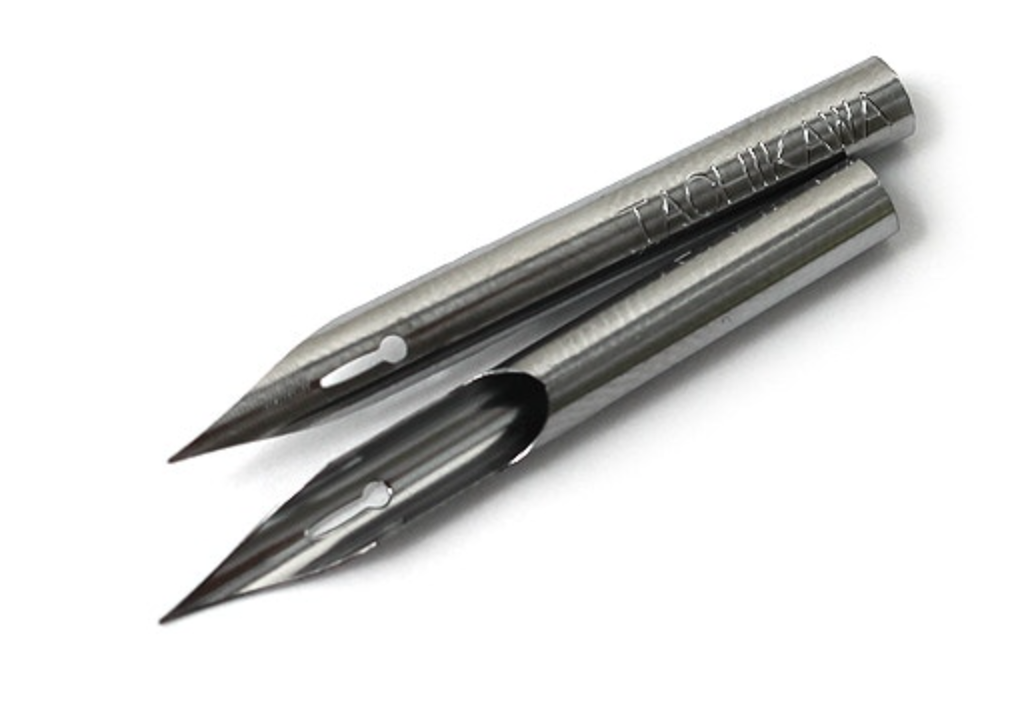
There are different types of pen nibs for manga. All of them have different drawing purposes.
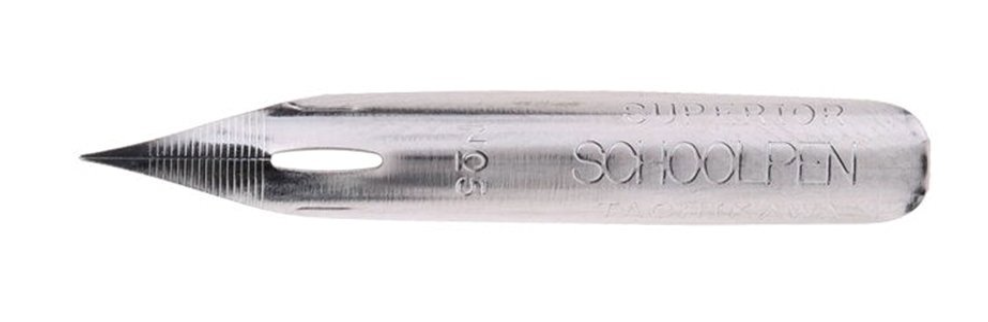
SCHOOL NIB
The School nib is the easiest one to use. It’s smaller than the other nibs, and it is slightly flexible, which makes it easier to control. These characteristics make the school nib popular among beginners. It creates fine but consistent lines. School nibs' main use is for drawing objects, buildings, cars, and architecture.
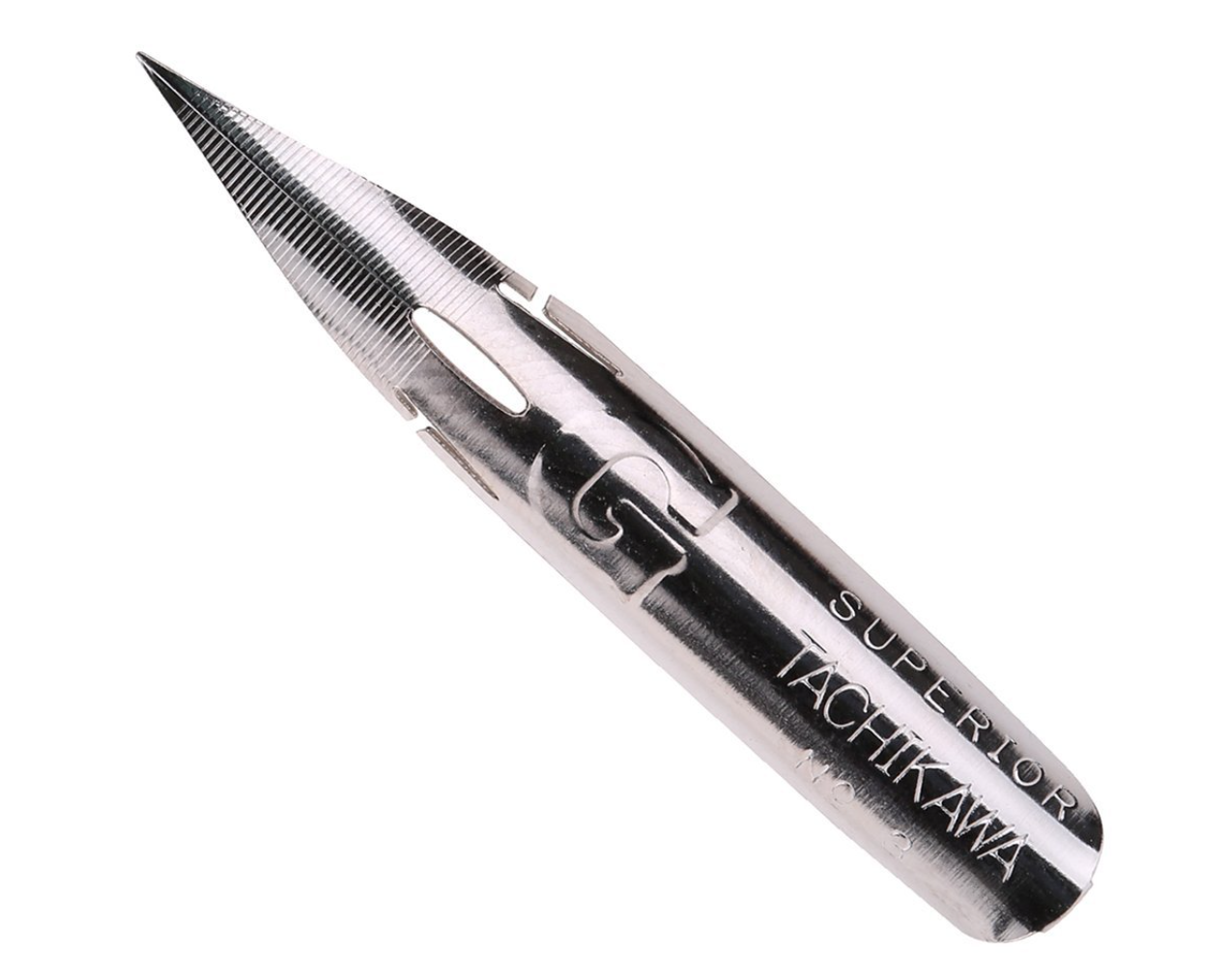
G-NIB
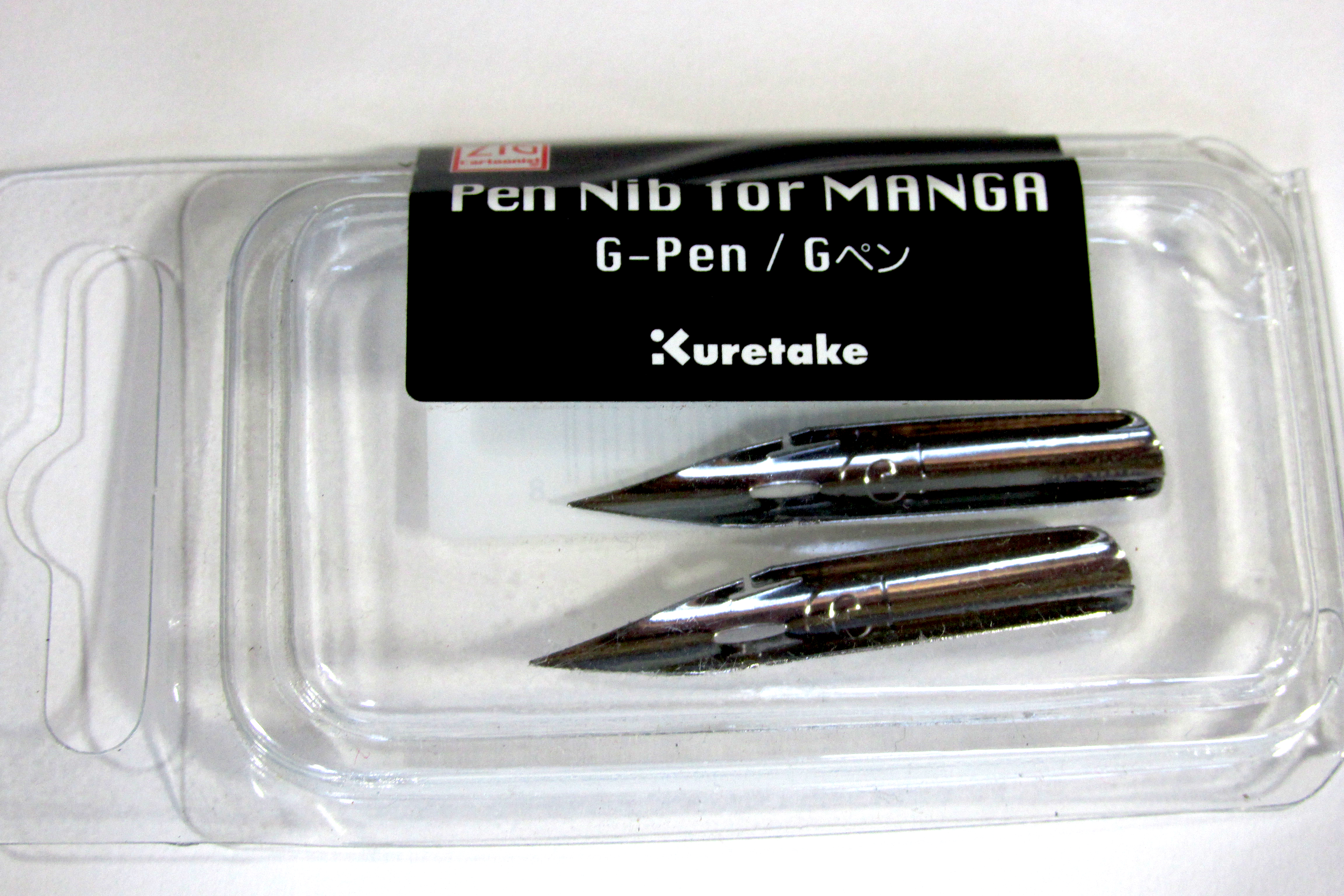
The G-nib or pen is one of the most used and popular nibs among manga artists. It's the most flexible nib. It creates bold lines depending on the amount of pressure used. For this reason, the G-nib is a little more difficult to use for beginners. The G-nib's main use is for drawing a variety of subjects, such as humans, animals, natural landscapes, action lines, and so on. The Zebra G-nib is slightly more flexible than the G-nib.
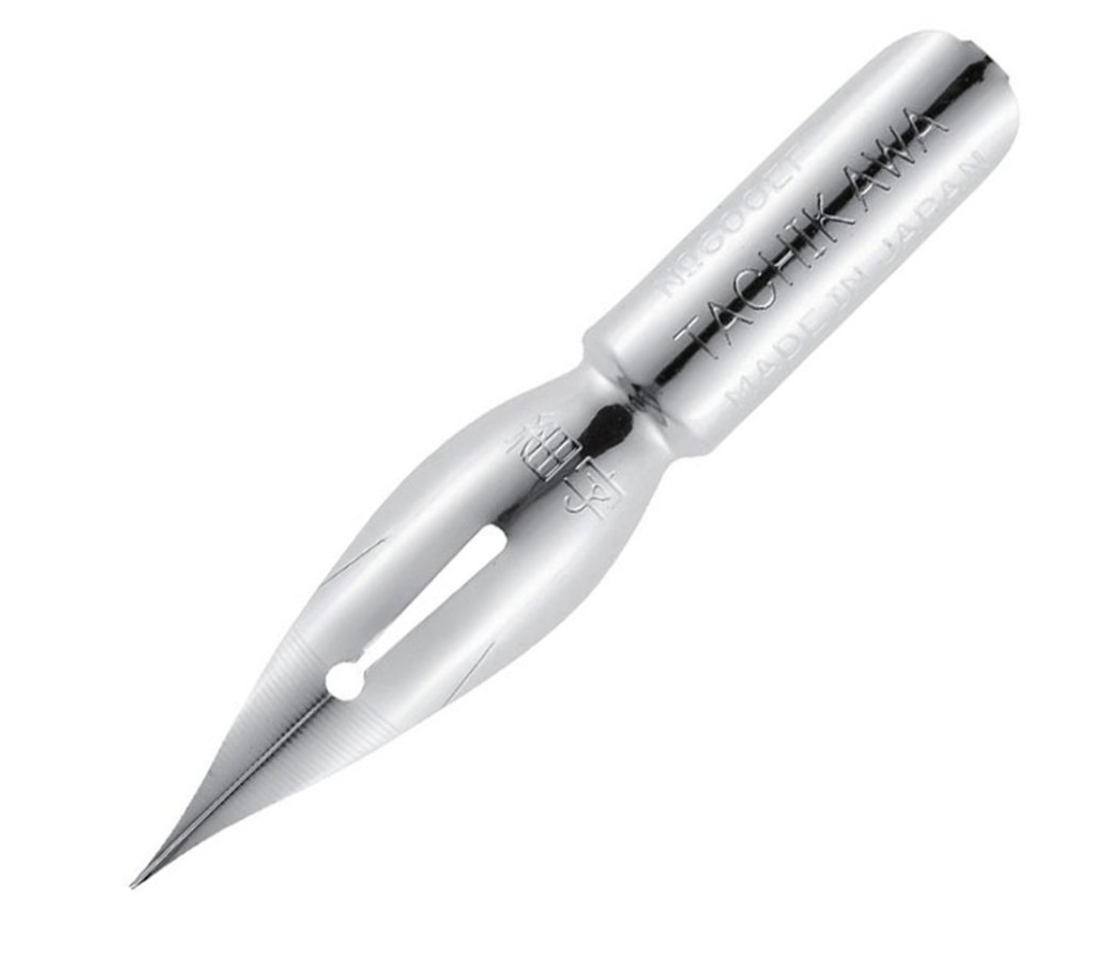
SAJI NIB
Saji nib or Spoon nib it’s easy to recognize due to its spoon shape. The Saji nib is a good choice for beginners not yet ready for the more flexible G-nib. The Saji nib creates fine, even lines, almost like a drawing pen, so be careful how much you use it in your drawings. Using too much Saji nib in a drawing may result in a flat and unexpressive illustration. This nib's main use is for drawing mostly inanimate objects and scenery.
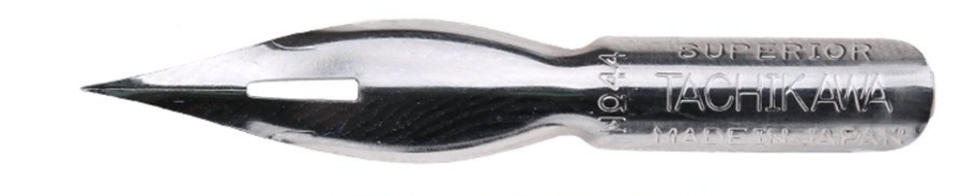
NIHONJI NIB
Nihonji or Japanese nib is the most versatile of the pen nibs. It was designed for drawing curved lines. However, the Nihonji nib has a general use for drawing pretty much anything you want. It has better flexibility and elasticity than the School nib, making it easier to manage.
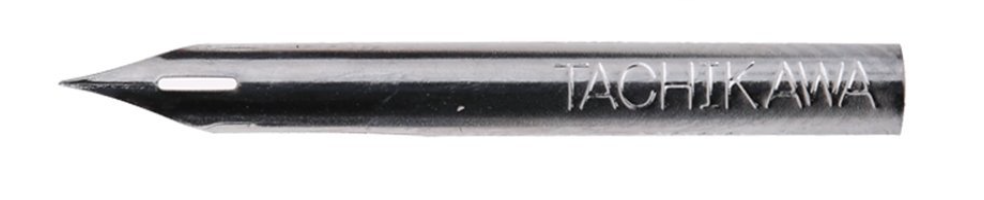
MARU NIB.
The Maru nib or mapping nib is the smallest of the pen nibs. It needs a specific pen nib holder, so be sure to buy the right matching one. The Maru nib creates very consistent fine lines. For this reason, the Maru nib is used for drawing small details like eyes and hair.
SOFT MARU NIB.
As indicated by the name, the soft Maru nib is the softer version of the Maru nib. It creates fine lines like the regular one, but has a little more flexibility. Usually, the soft Maru nib's main use is to apply details in long, curvy lines like long hair.
SCHOOL NIB
flexibility: moderate. Use: inanimated objects
G - NIB
Flexibility: High. Use: animated objects (humans, animals) natural elements.
SAJI NIB
Flexibility: Low. Use: inanimate objects, texture, even fine lines.
NIHONJI NIB
Flexibility: medium. Use: anything
MARU NIB
Flexibility: low. Use: small details like eyes, hair.
SOFT MARU NIB
Flexibility: medium. Use: small details like long curvy lines.
IS IT WORTH USING THE PEN NIBS FOR DRAWING MANGA?
Using the pen nib for drawing is not easy; it takes practice. Don’t get frustrated when you see a big drop of ink in your drawing. It happens, and you can fix it in Photoshop or whatever software you use (I do it all the time). First practice. Practice a lot and get confident in handling the pen nib. You need to learn how much pressure to put on the nib when you are inking. If you put too much pressure on it can result in a big messy ink drop on your drawing, or a larger line where you need a fine line, or even break the nib. At this point, you will say: “Oh, Anny, it’s too much trouble, I don’t want to waste time and play around with ink.”
Believe me, you should try it. Once you learned how to manipulate the pen nib, you will see the results, and it’s worth it.
Also, as an artist, be open-minded and try to develop different skills and techniques. As I mentioned before. Don’t stick with only one thing, and don’t be afraid to try new things.
That’s the beauty of being an artist and having this special mind and ability to be creative and see the world with different eyes. That’s why we are artists.
HOW TO TAKE CARE OF PEN NIBS
Pen nibs need some care. Wash them with warm water and hand soap after every use. So next time you use it, the ink will flow evenly in the nib. Don't let the ink dry in it. It can cause clogs, and it can damage the nib.
You need to change the pen nib every time you see the edge of the nib split (like split hair).
How long a pen nib lasts depends on the frequency you use it. If you use it every day, maybe it lasts a week or two. I can't tell you an exact time. But don't think to use the same nib for months.
ARE PEN NIBS BETTER THAN DRAWING PENS?
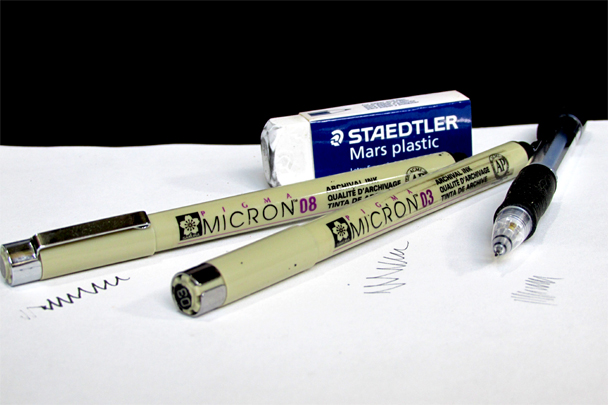
There a plenty of drawing pens out there, like markers, micro-pens. They are good and definitely easier to use than a pen nib. However, micro-pens are designed for calligraphy and technical drawings. Be careful, don't apply them to your comic page too much. Micro pens create fine, even lines. If you use them too much, your drawing will be flat and inexpressive.
I use them sometimes for really small details, drawing the panels in my comic page, or just for graphic design in general.
Sakura Pigment Liner Pigma Micron is the one that I use most.
Some micro pens have like softer type of brush or even a sorta of nib that is better suited for drawing manga.
HOW MUCH do pen NIBS COST, AND WHERE CAN I BUY THEM?
Pen nibs are very affordable. Their prices range from $3.00 to $10.00, depending on whether they are sold in a small bag of two nibs or more. There are available sets that include different types of nibs and pen holders. These usually range from $11.00 to $20.00
I usually buy them on Amazon because what doesn't Amazon sell? And I have Prime, so I don't pay shipping.
Another big website where you can find pen nibs for drawing manga is Deleter.com
Deleter is one of the largest suppliers of comic art in Japan. They ship all over the world. Shipping time may vary due to customs. They accept payments only through PayPal. I have never bought anything from them, so I can’t tell you my experience, but it is a legit site, and their prices are really good, and you'll basically find every material for drawing comics from paper to screen tones, etc.



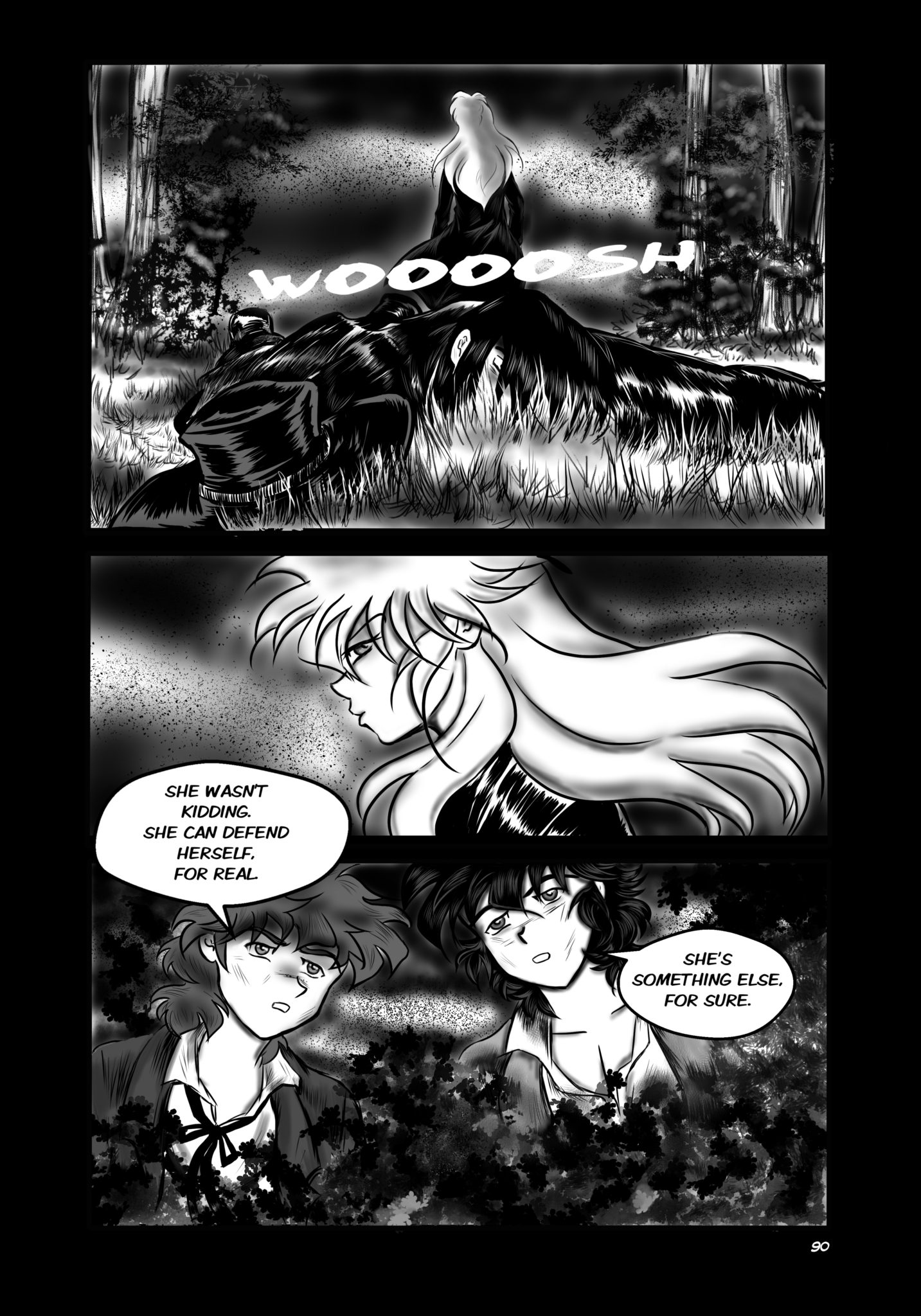
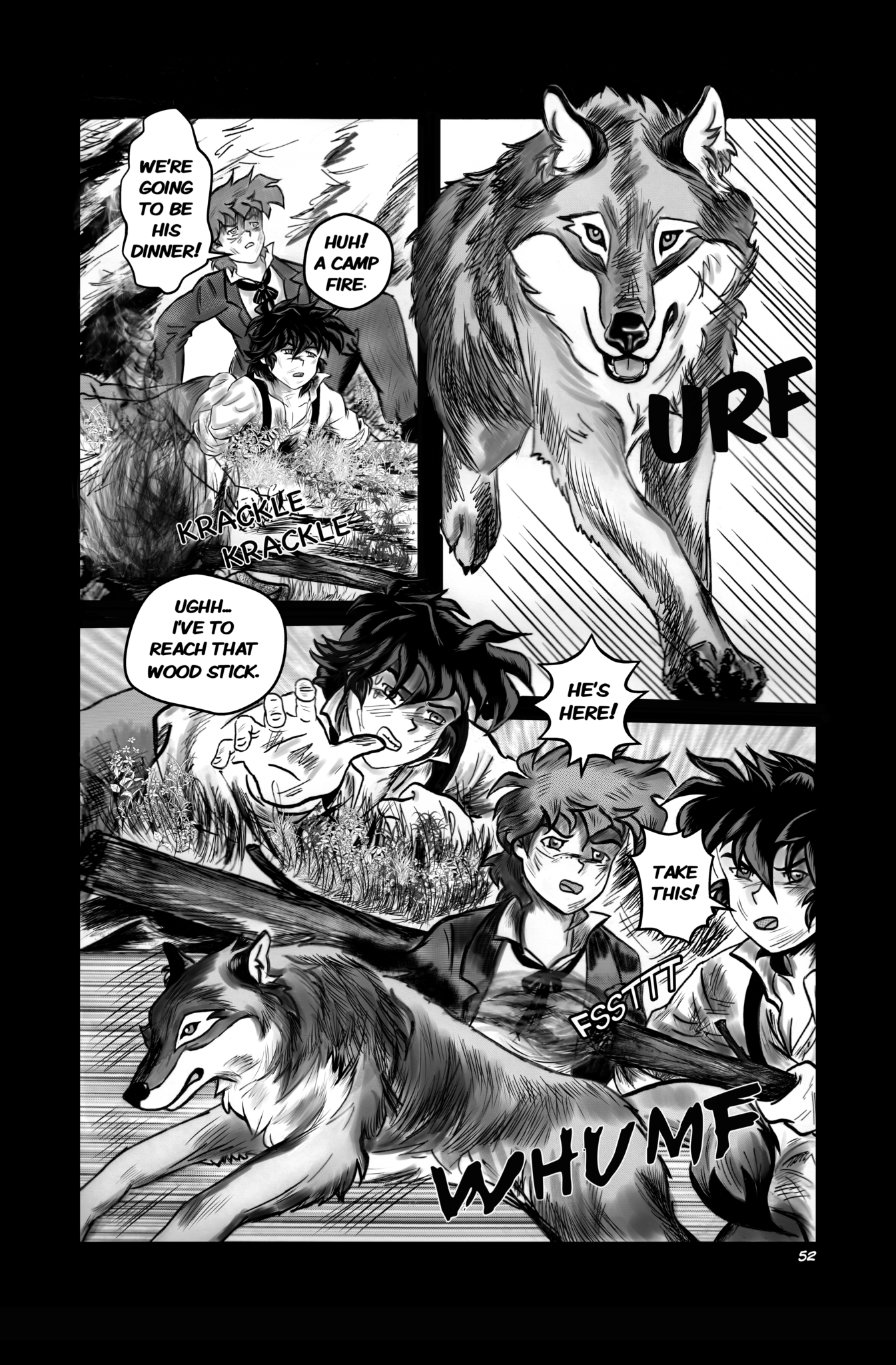
LEGENDS OF THE WEST GRAPHIC NOVEL - READ ONLINE
Short and Sweet Headlines are Best!
YOUTUBE CHANNEL
If you liked this post, share it 🙂

4 Comments on “Drawing comics with Japanese Pen Nibs; Love or Hate”
Thanks this was very helpful I just bought a set of nib pens and still didn’t know which was which so thank u this helped me a lot
Thanks for the excellent post
Thanks, it is very informative
Thanks, I’m happy that it can help. 🙂