How to Write a Character Backstory That Feels Real (And Avoid the Mary Sue Trap)
Great characters don’t appear out of nowhere. They are shaped by their past.
One of the most common problems in modern storytelling is characters who feel flat or unrealistic. They might look interesting, but something is missing. Most of the time, the issue is simple: their backstory doesn’t influence who they are in the present.
A strong backstory explains why a character thinks, acts, and makes decisions the way they do.
What Is a Character Backstory in Storytelling?
Many writers treat backstory like a biography, a list of facts about childhood, family, or past events.
But good storytelling goes deeper than that.
A character's backstory should answer one important question:
How did the past shape the character’s personality and choices?
The most effective characters are built through a chain of cause and effect:
Experience → personality → decisions → conflict.
When the past influences the present, the story feels natural and believable.
Why Character Backstories Are Important for Strong Stories
A well-written backstory gives a character emotional depth and motivation.
It helps explain:
-
What the character wants
-
Why do they behave the way they do
-
What they fear the most
-
How they react when things go wrong
Without this foundation, characters often feel generic or predictable.
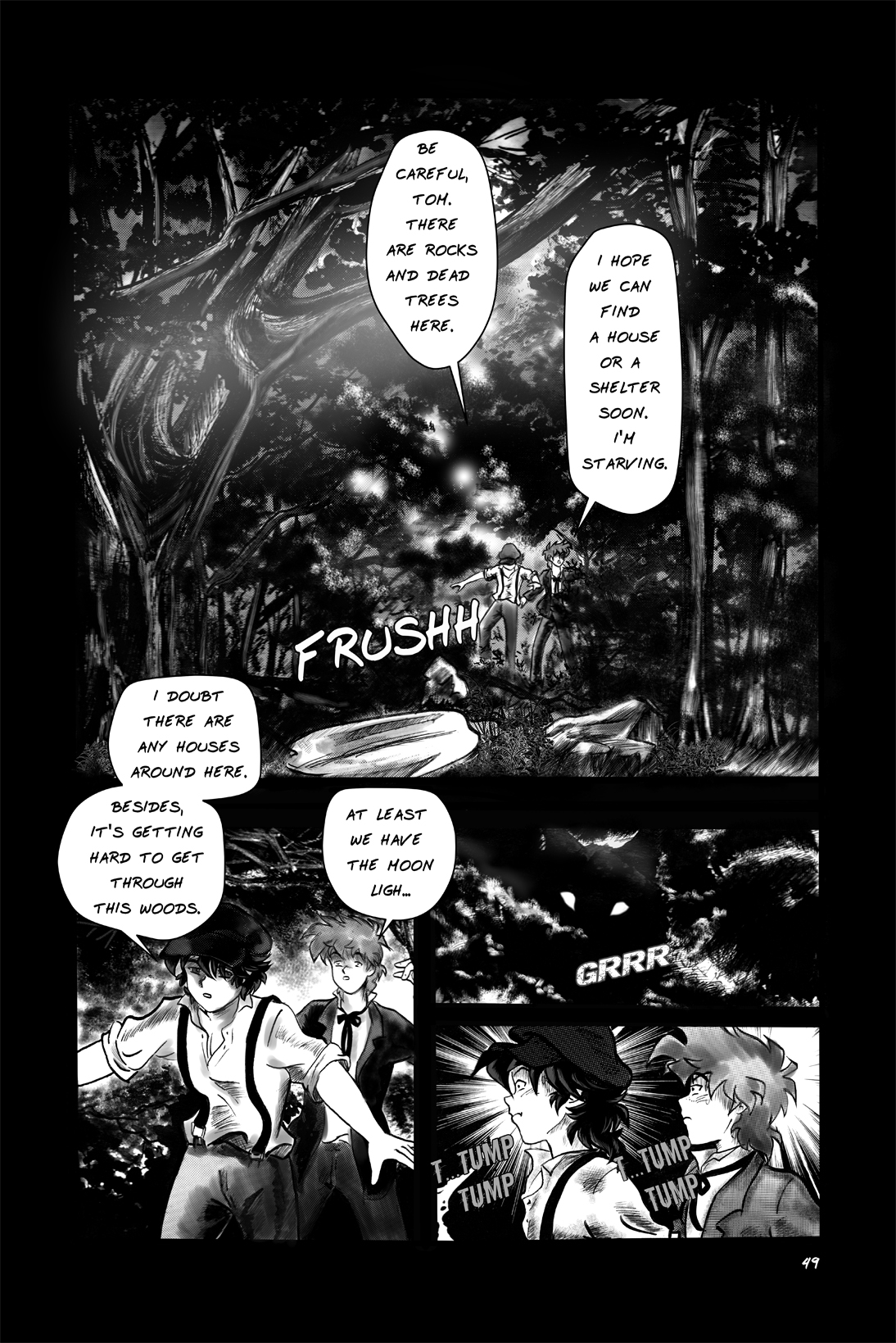
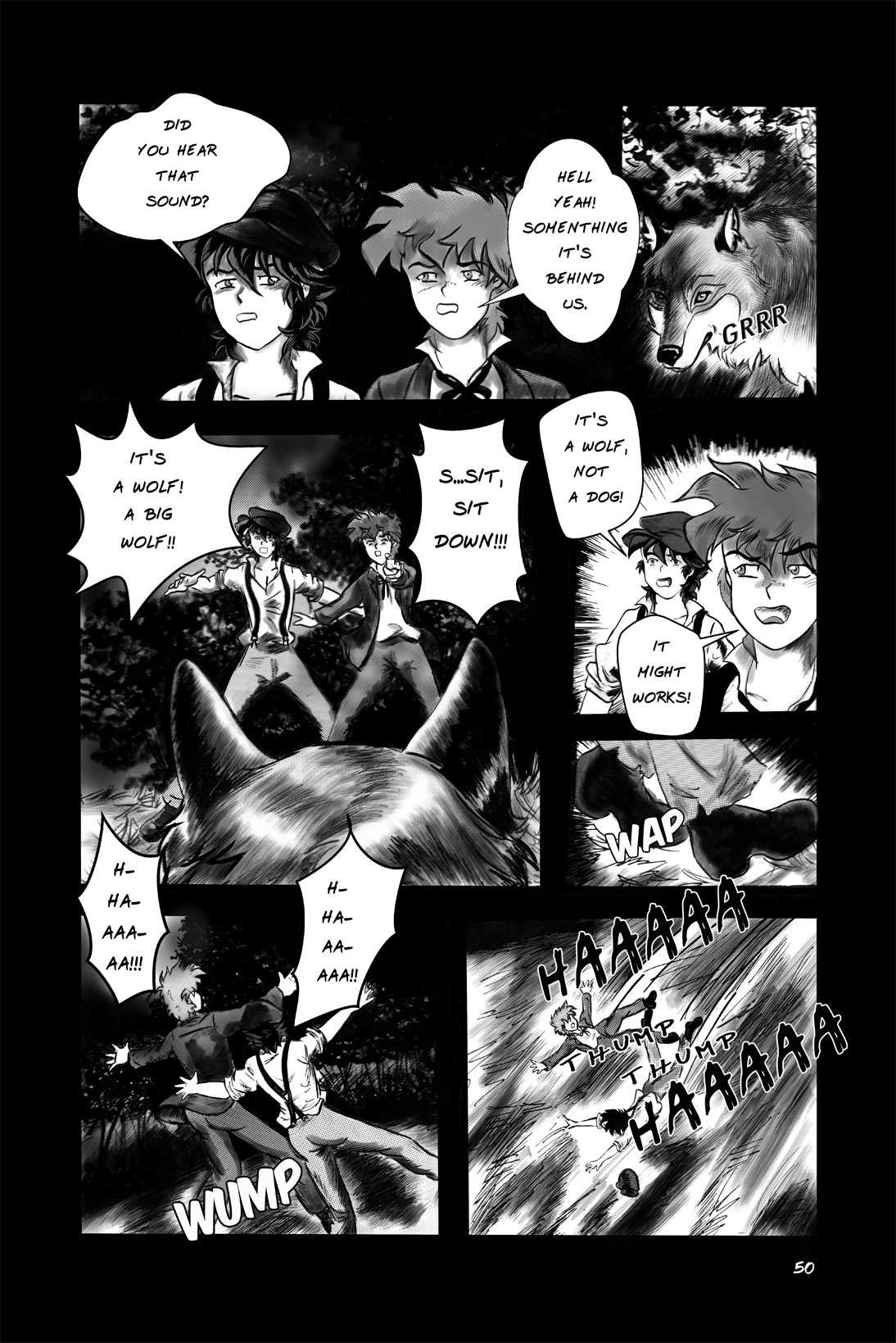
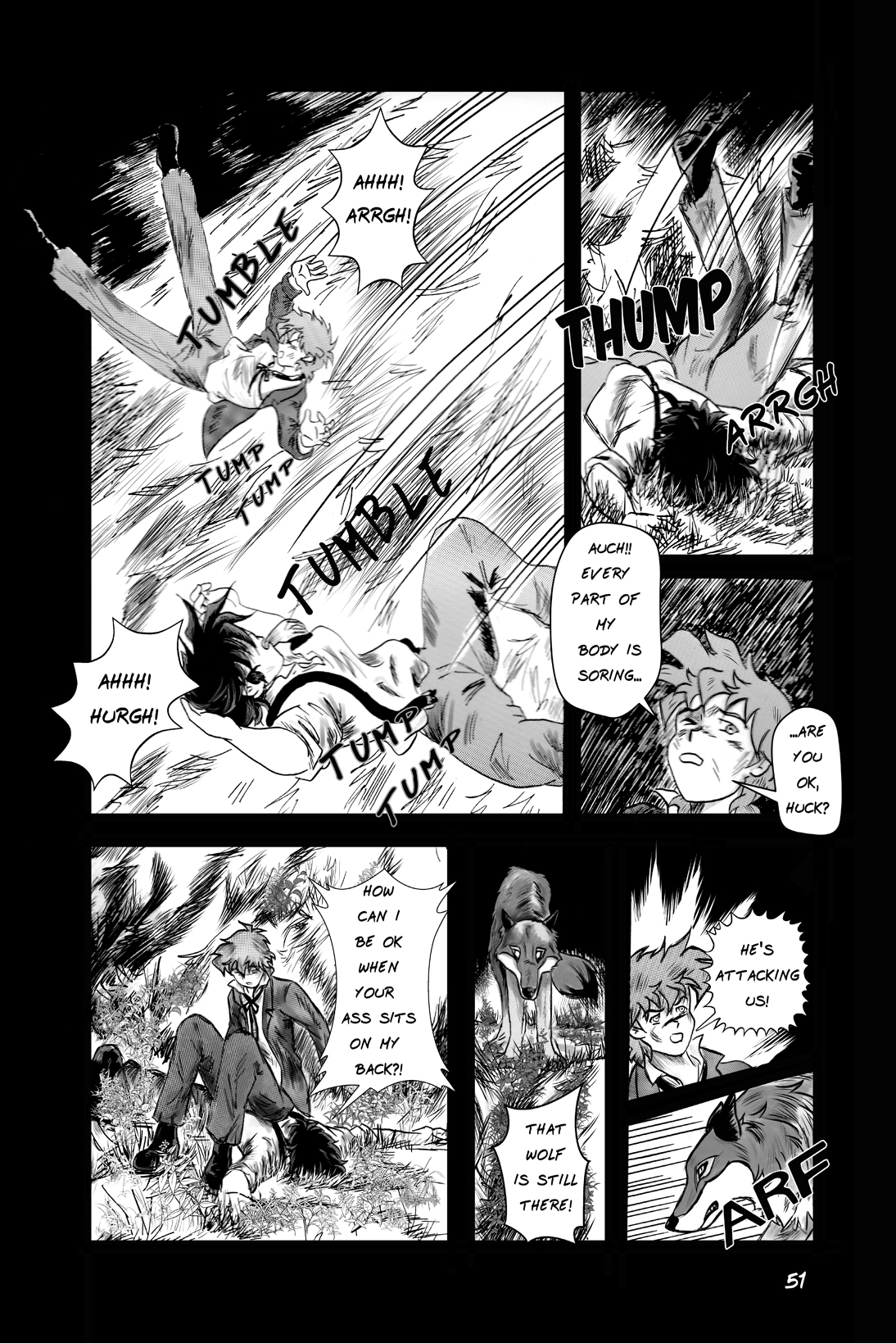
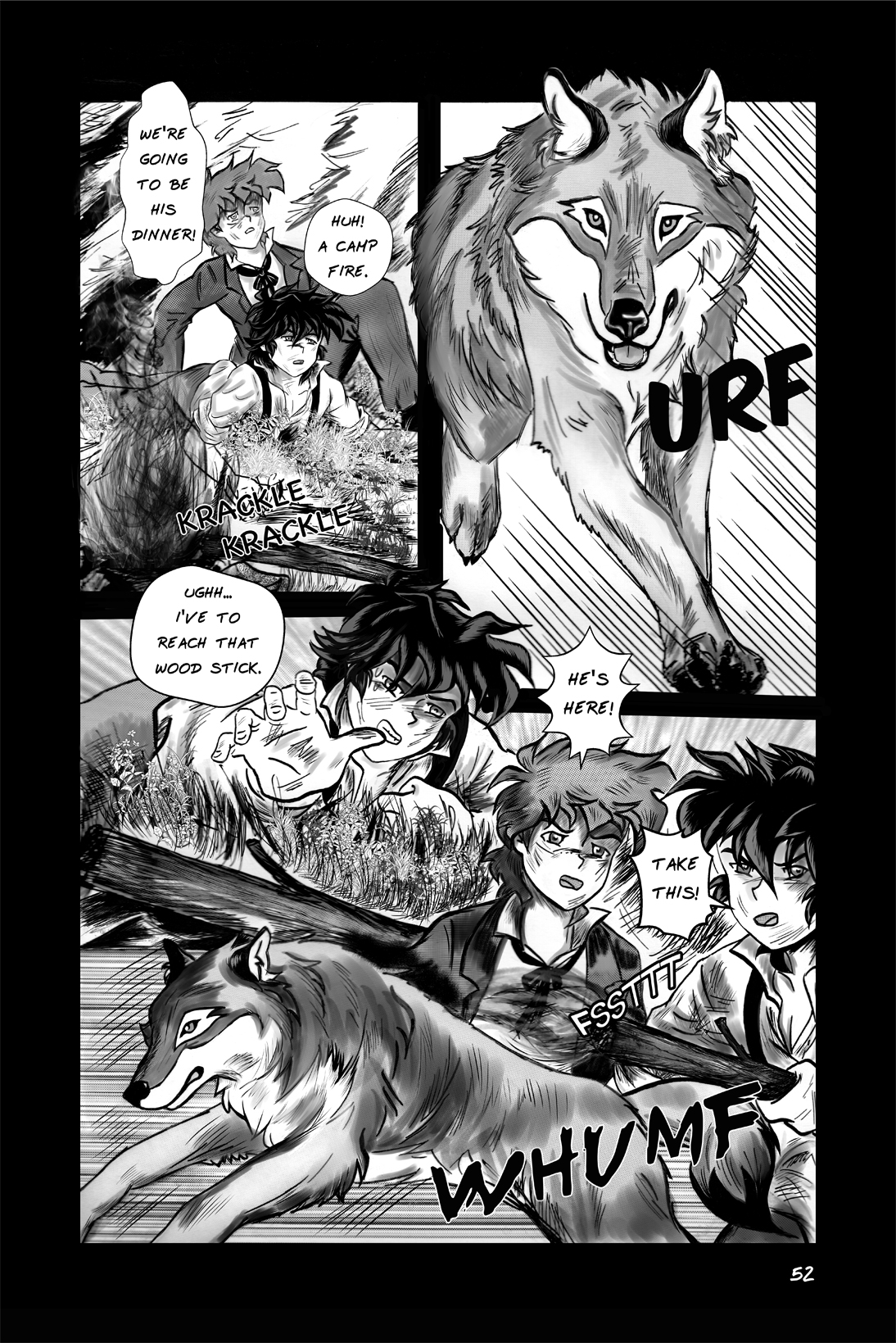
In comics, manga, and graphic novels, backstory is especially important because visual storytelling relies heavily on character behavior and expression.
Three Questions That Create a Powerful Character Backstory
1. What Does the Character Want?
Every compelling character wants something meaningful.
This desire might be independence, revenge, justice, freedom, recognition, or love. Whatever the goal is, it becomes the force that drives the story forward.
2. What Event Shaped Their Past?
Something happened that influenced how the character sees the world.
It could be loss, betrayal, injustice, or a defining moment of success or failure. This experience shapes their beliefs and personality.
3. What Is the Character’s Greatest Fear?
Fear is one of the most powerful motivators in storytelling.
A character who fears weakness might become overly proud. A character who fears abandonment might struggle to trust others.
When desire and fear clash, the character becomes more complex—and the story becomes more engaging.
What Is a “ Mary Sue ” Character?
A term often used in storytelling discussions is the Mary Sue character.
A Mary Sue is not simply a strong character. The problem is that they are too perfect.
Typically, a Mary Sue:
-
Succeeds at everything without real effort
-
Rarely struggles or fails
-
It is always proven right by the story
-
Has very few meaningful flaws
When characters are perfect, audiences stop believing in them.
Stories become interesting when characters struggle, make mistakes, and grow.

How to Avoid Writing a Mary Sue Character
The key to avoiding this problem is balance.
Every strength should come with a weakness or limitation.
For example:
-
Confidence can become arrogance
-
Intelligence can lead to impatience
-
Independence can create isolation
Flaws make characters human, and humanity is what makes audiences care about them.
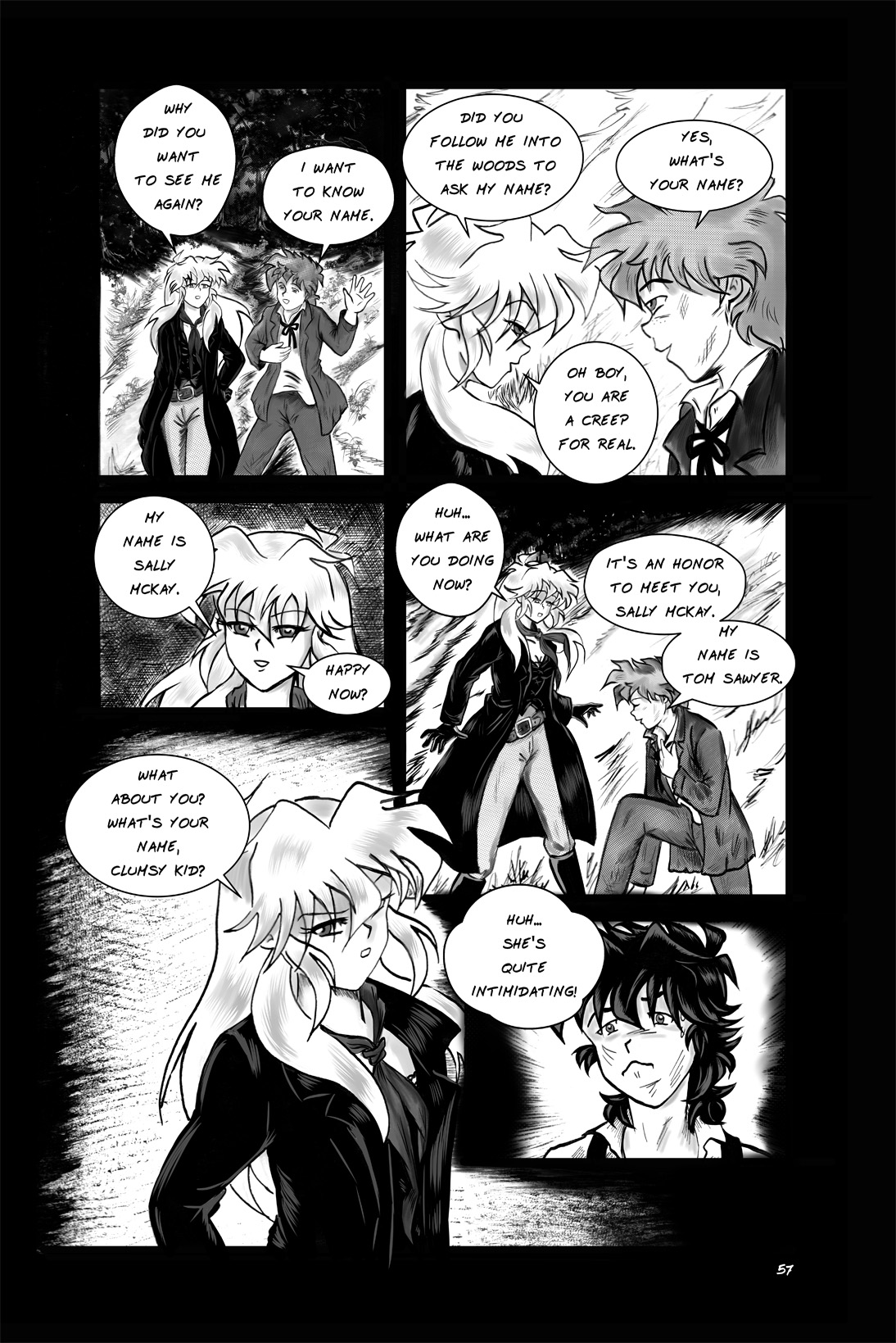
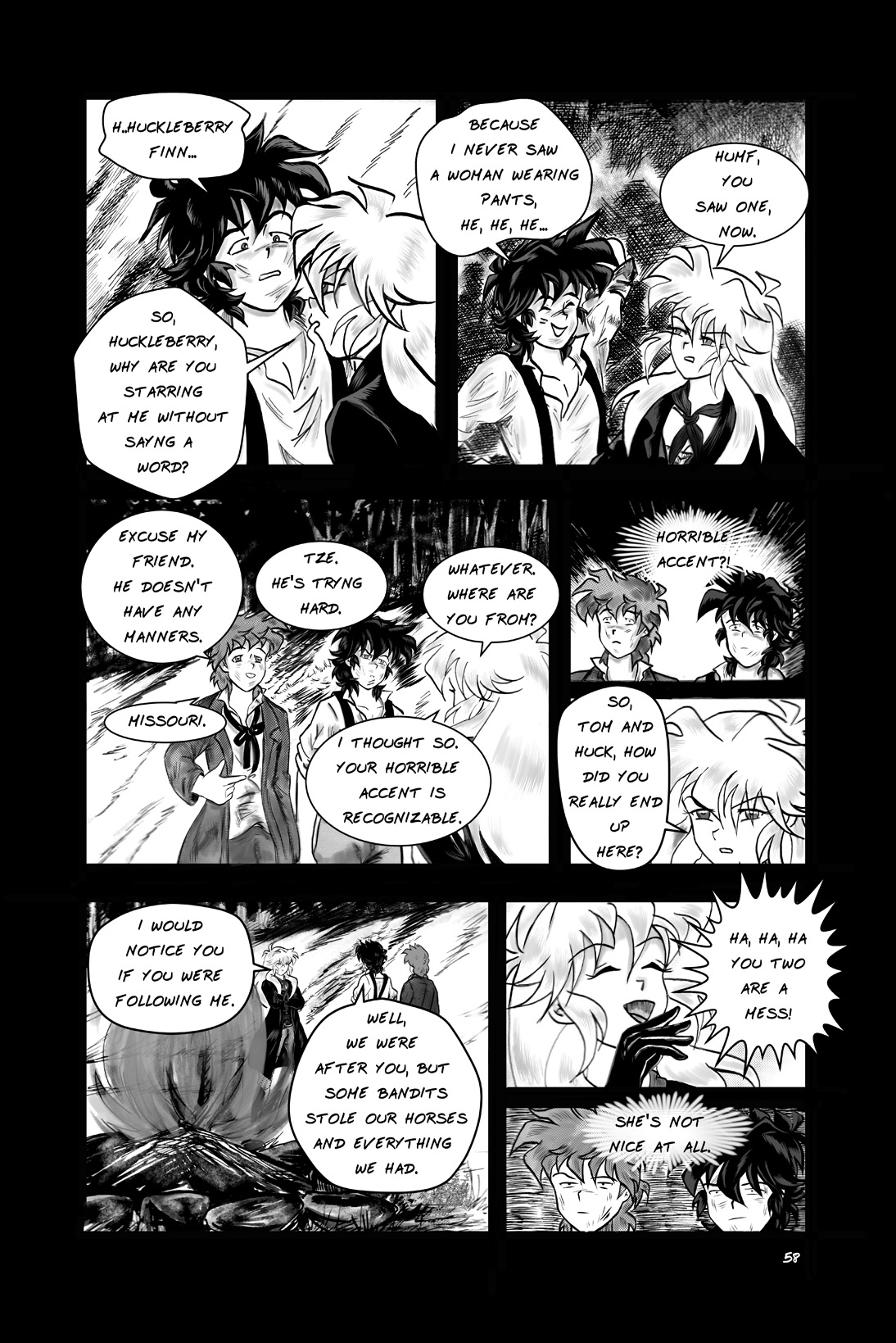
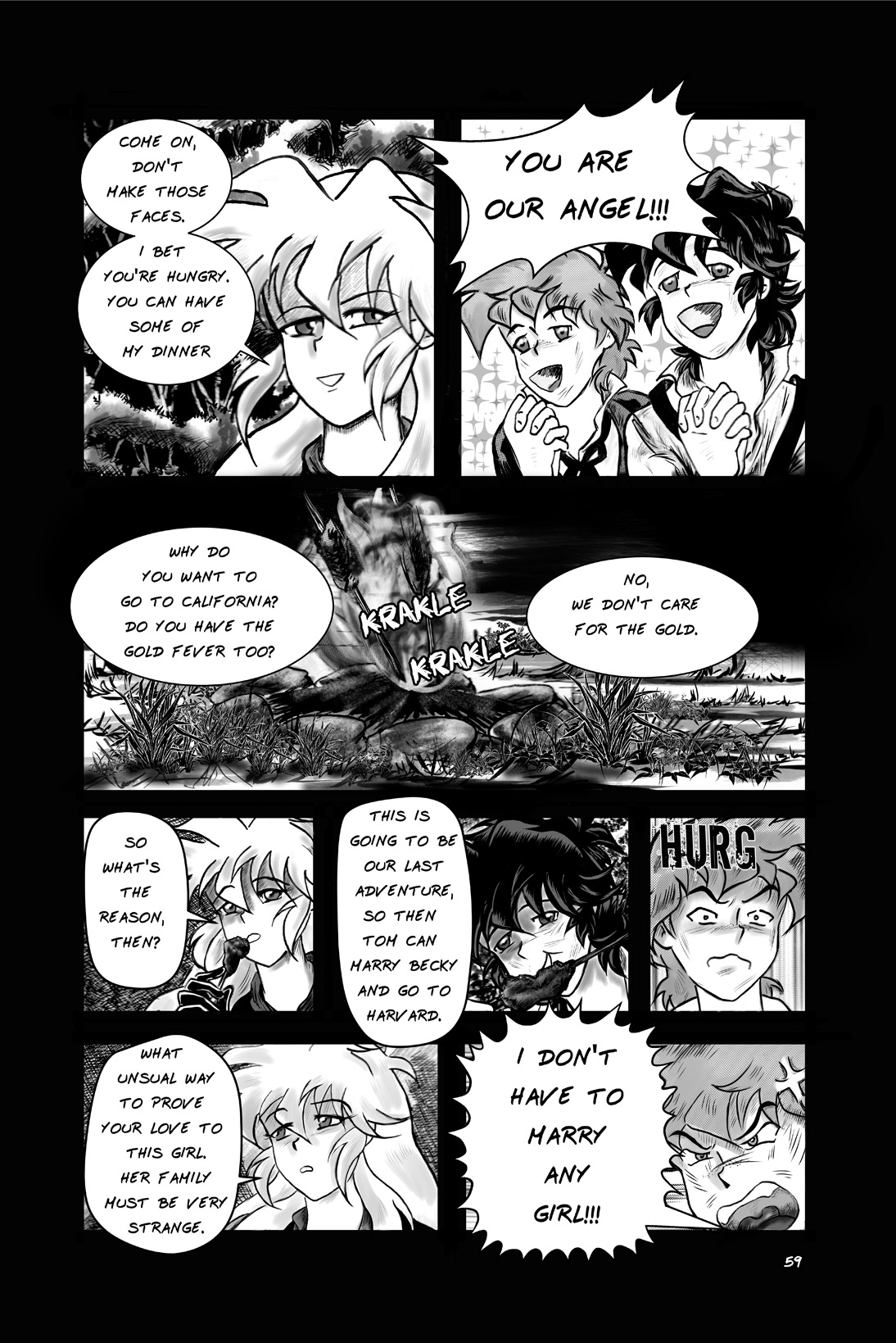
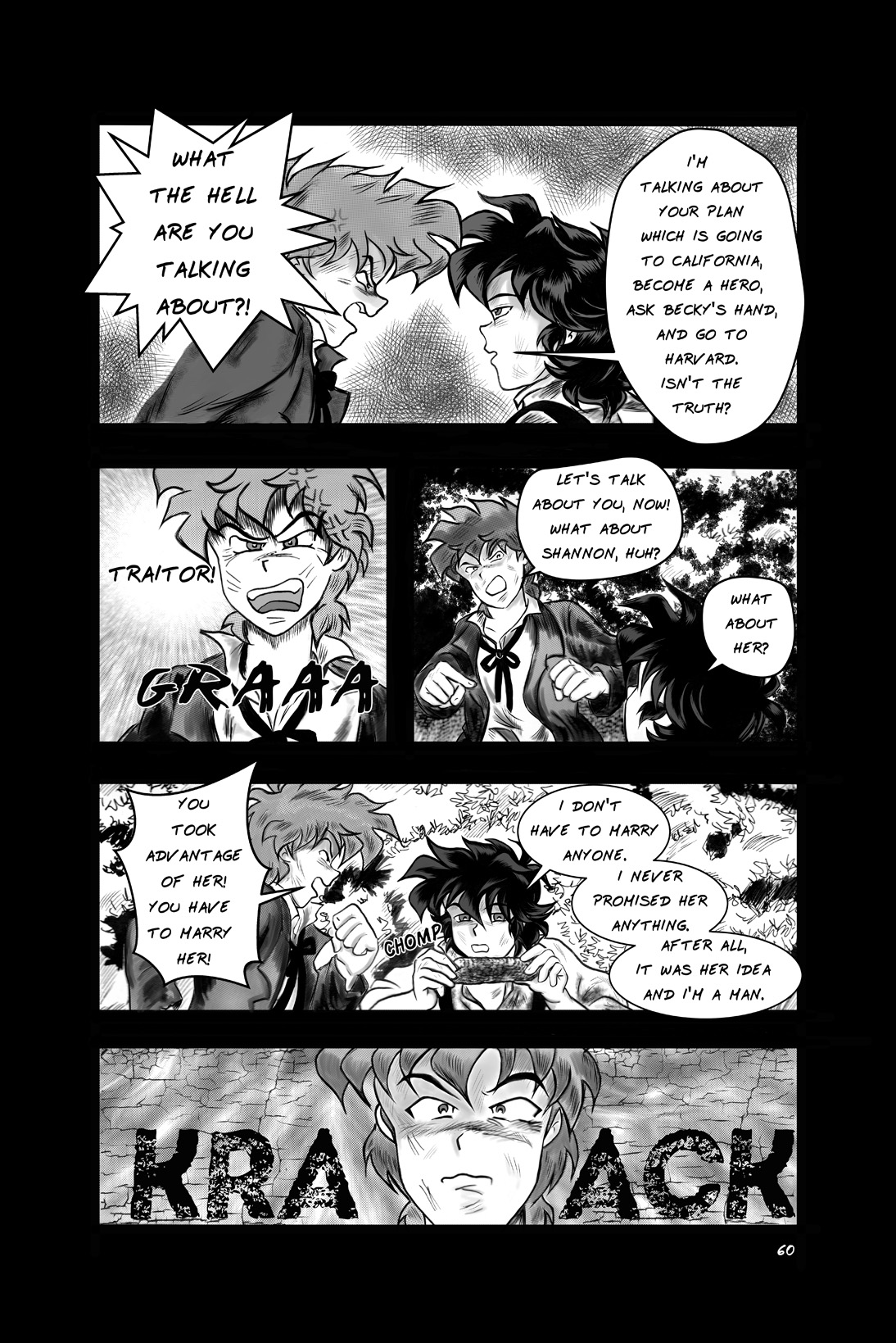
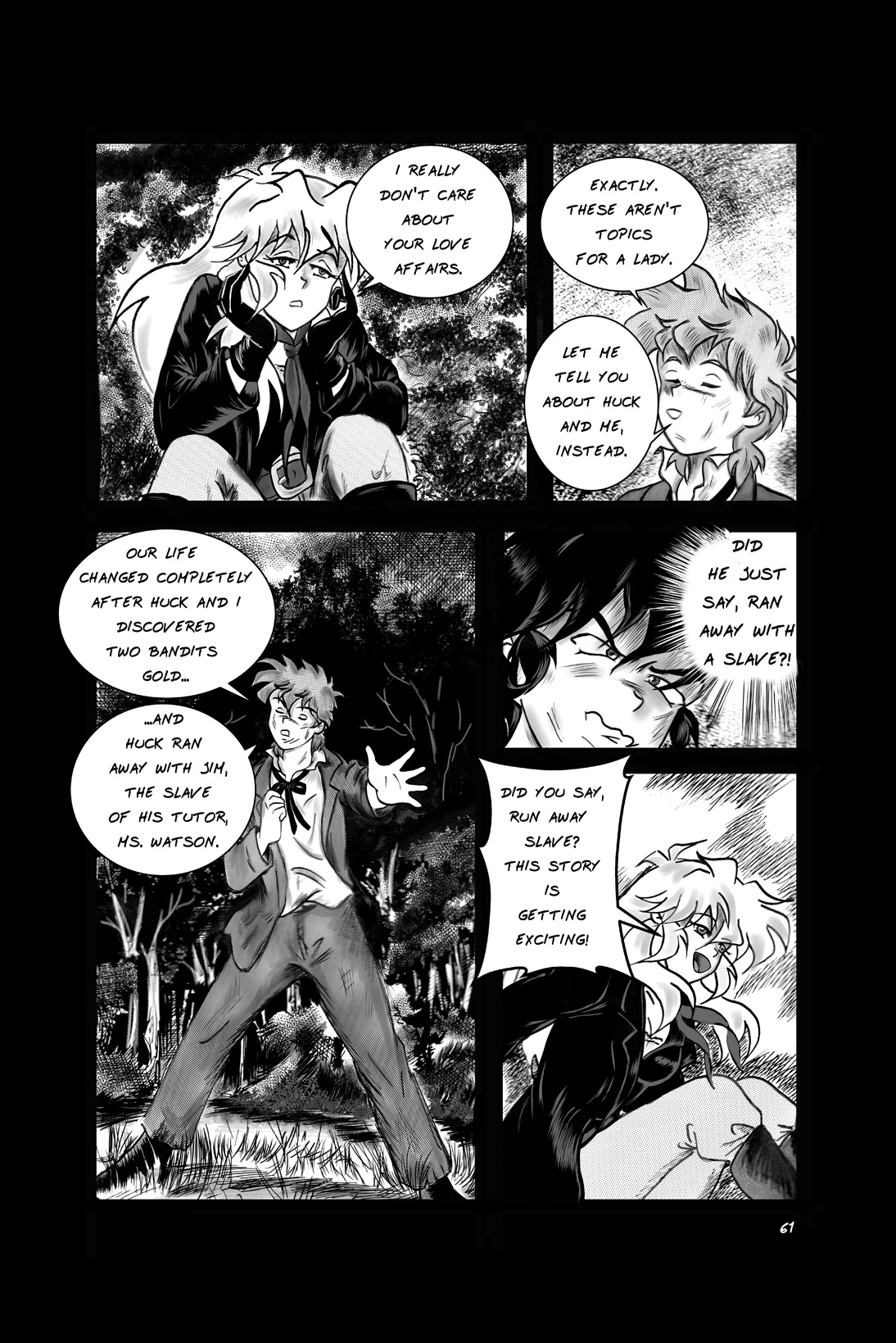
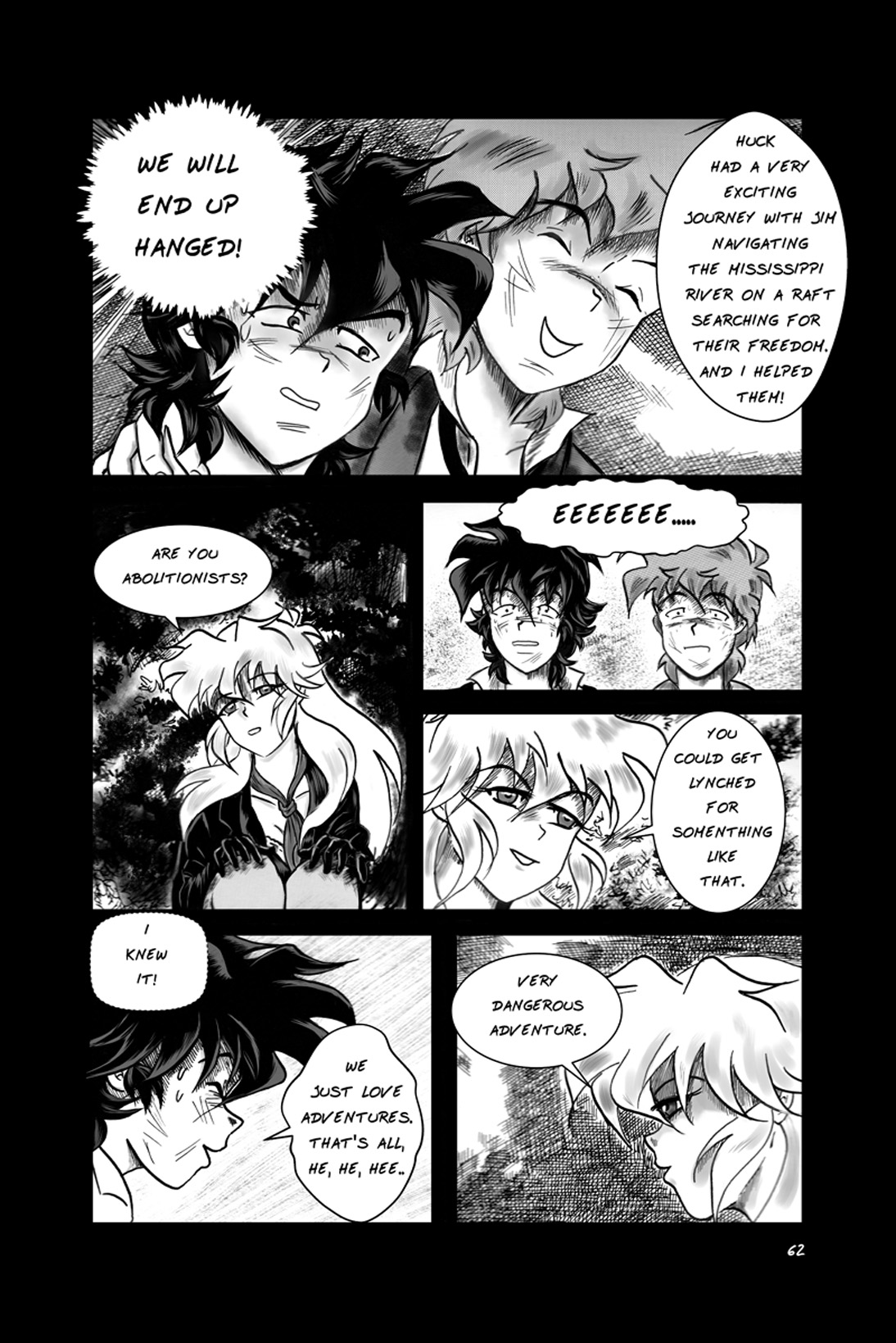
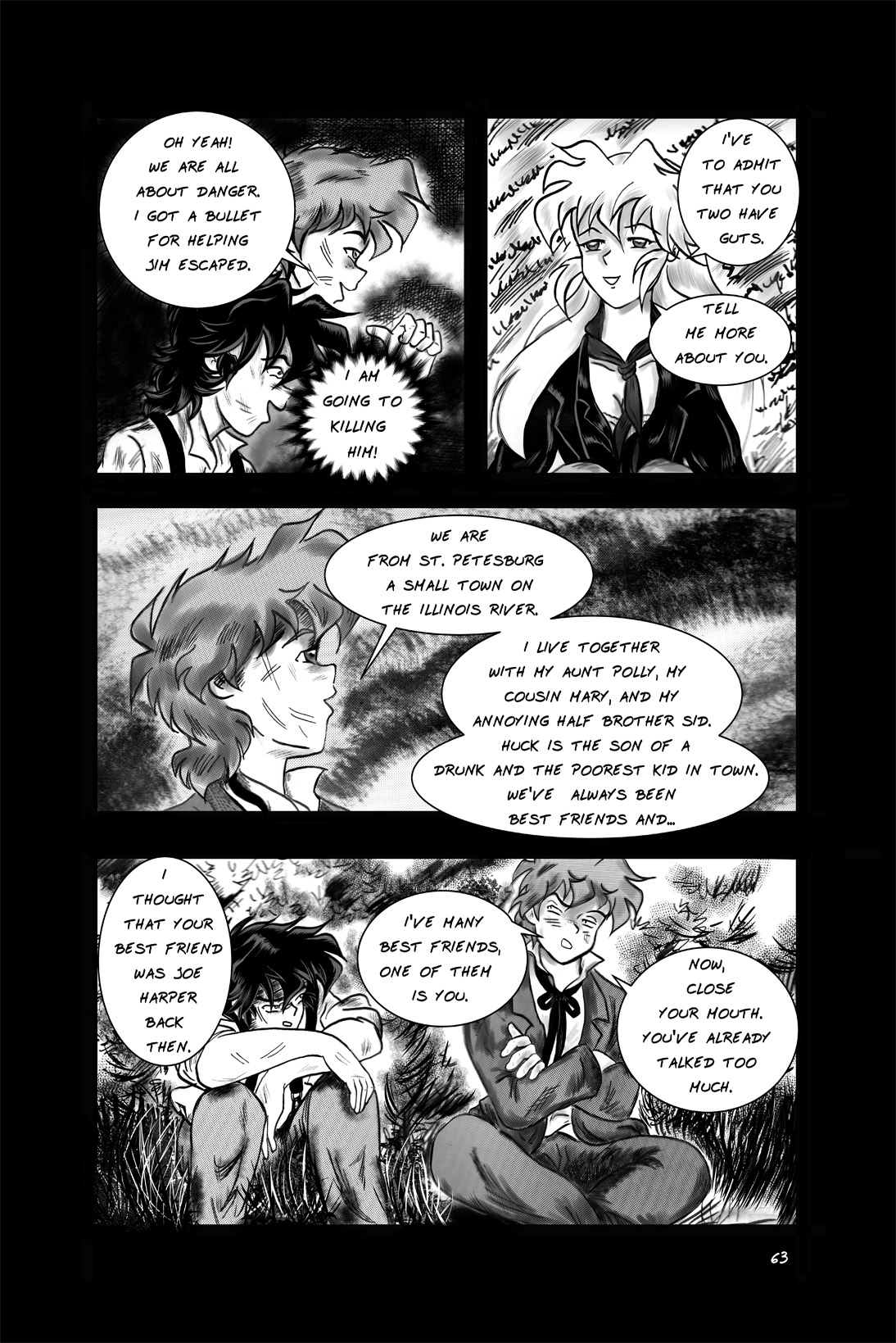
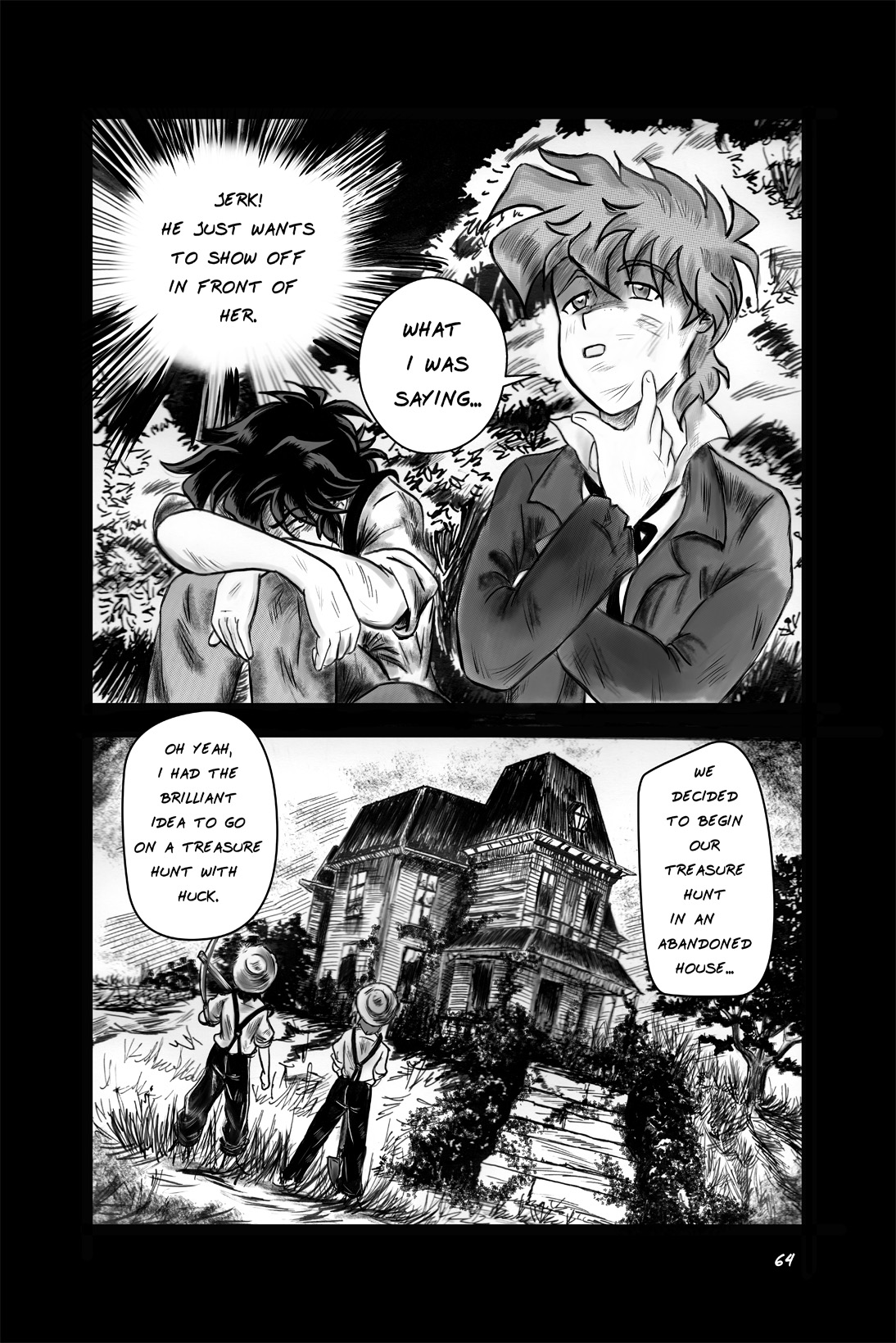
Example of Character Backstory: Sally McKay from Legends of the West
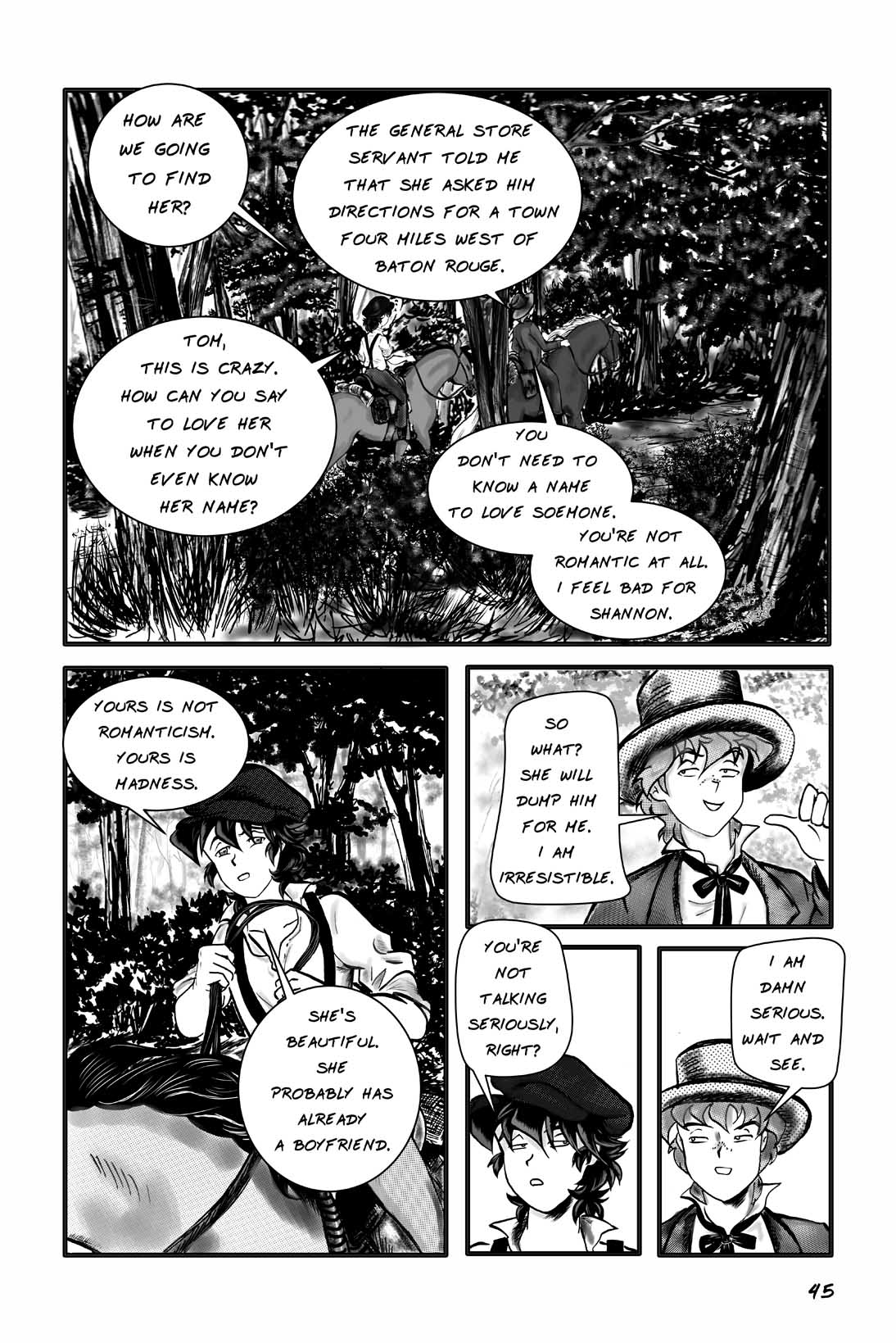
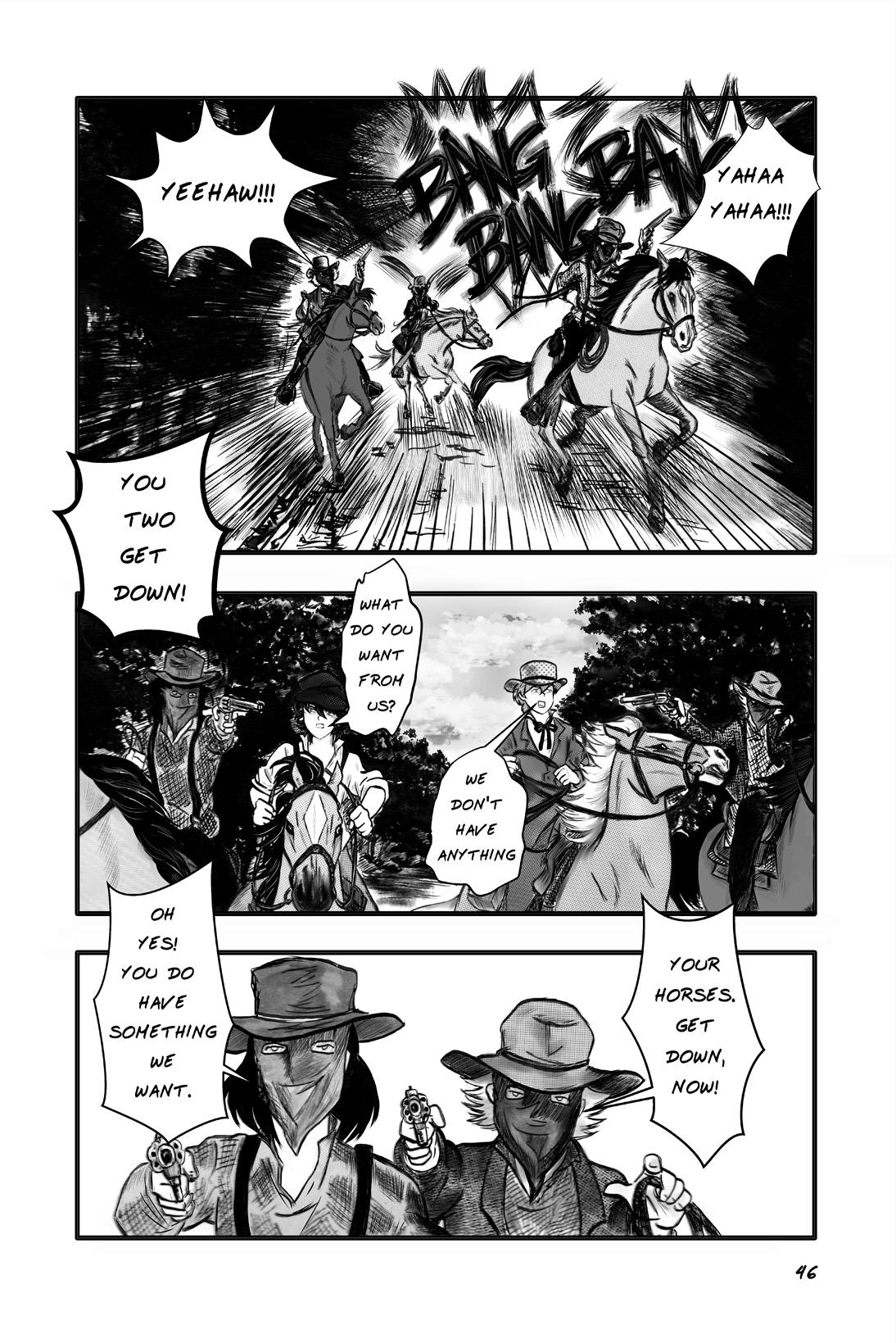
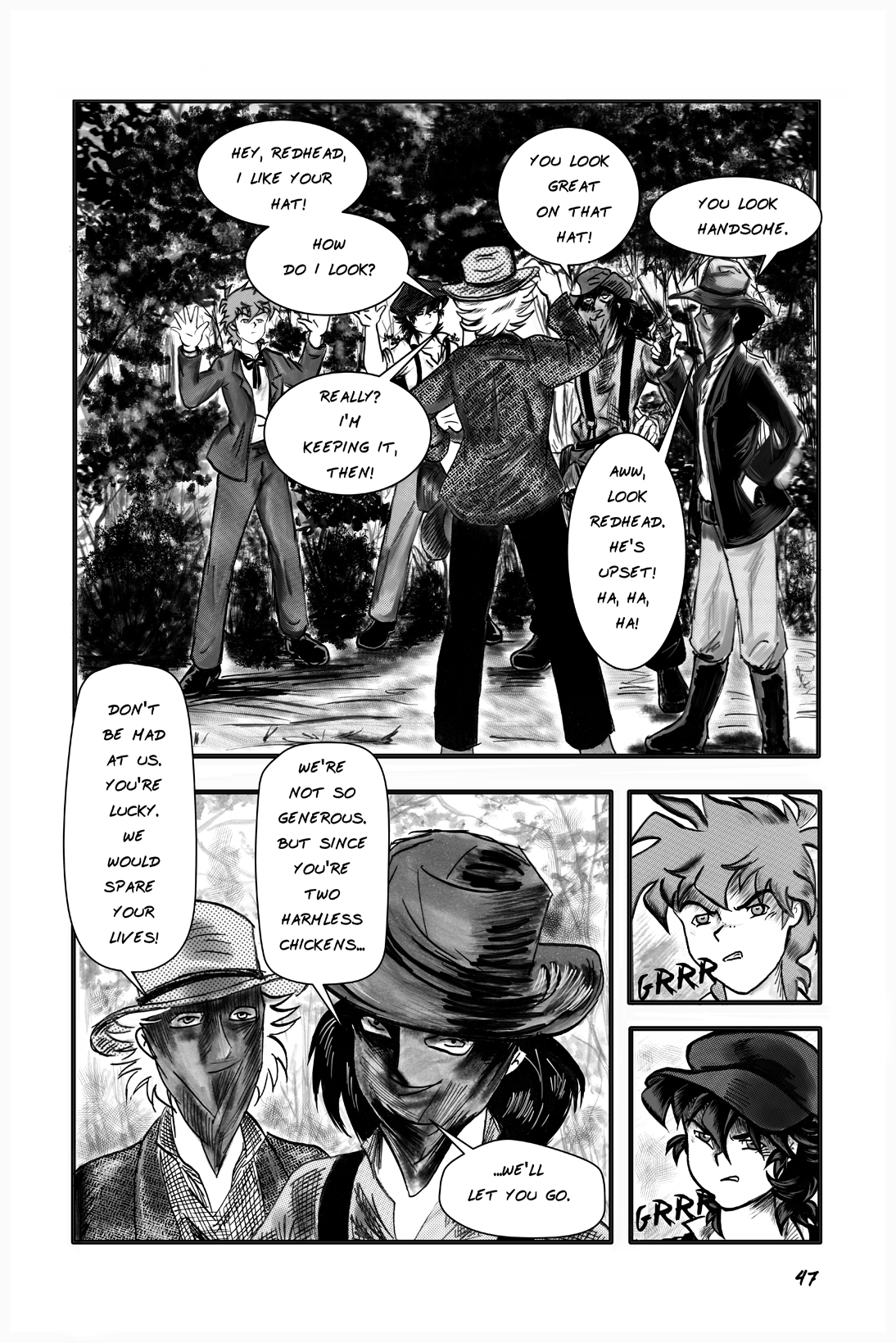
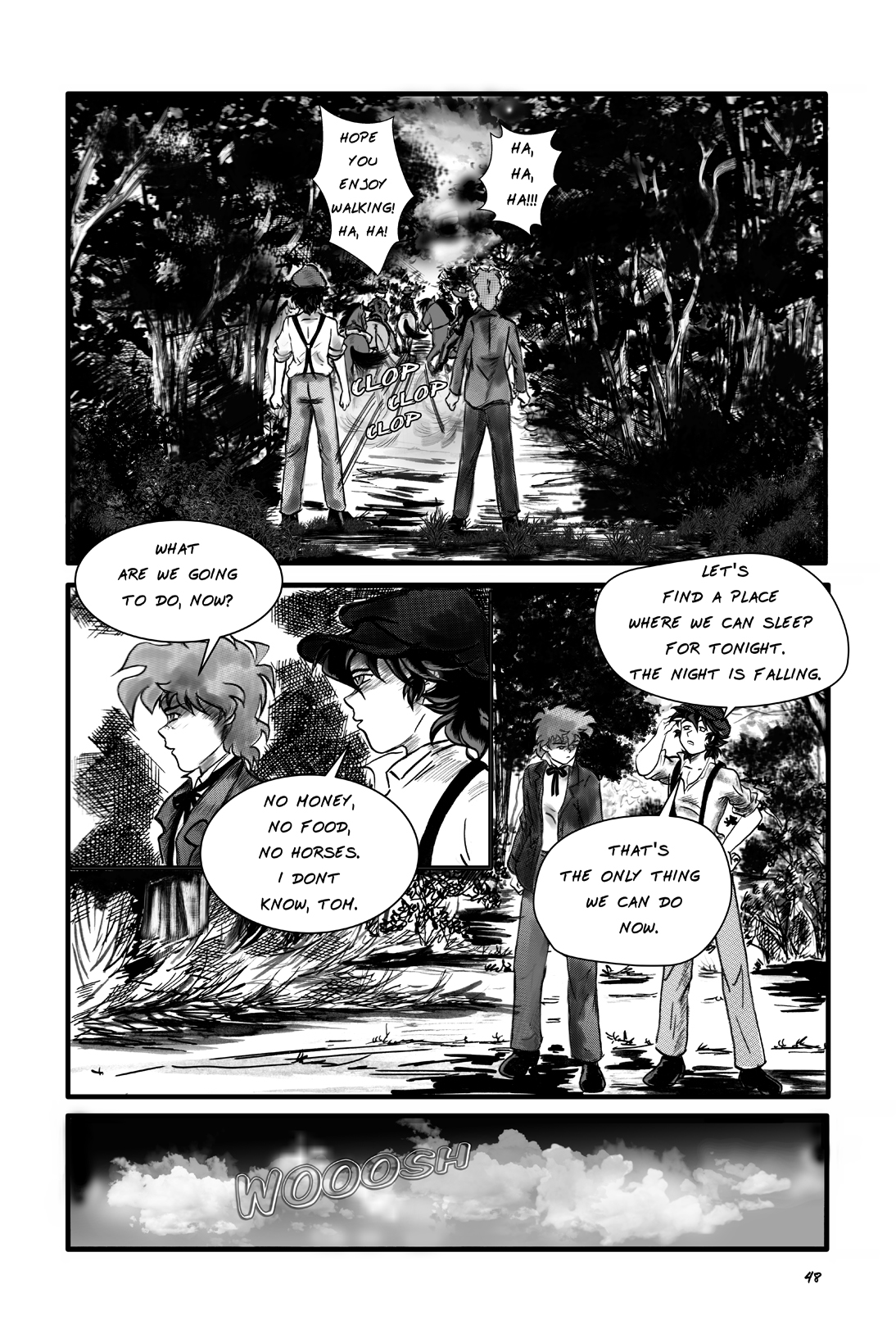
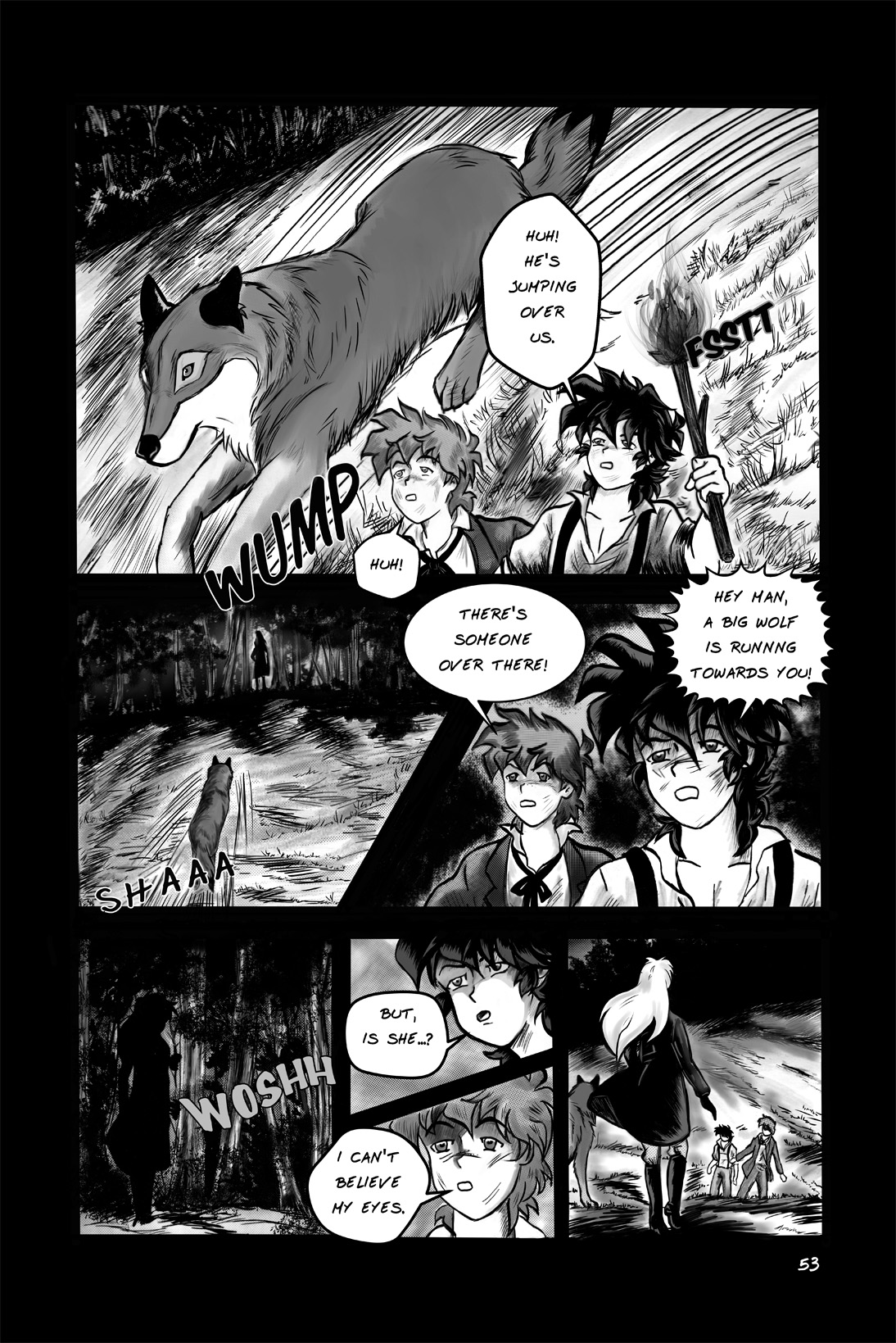
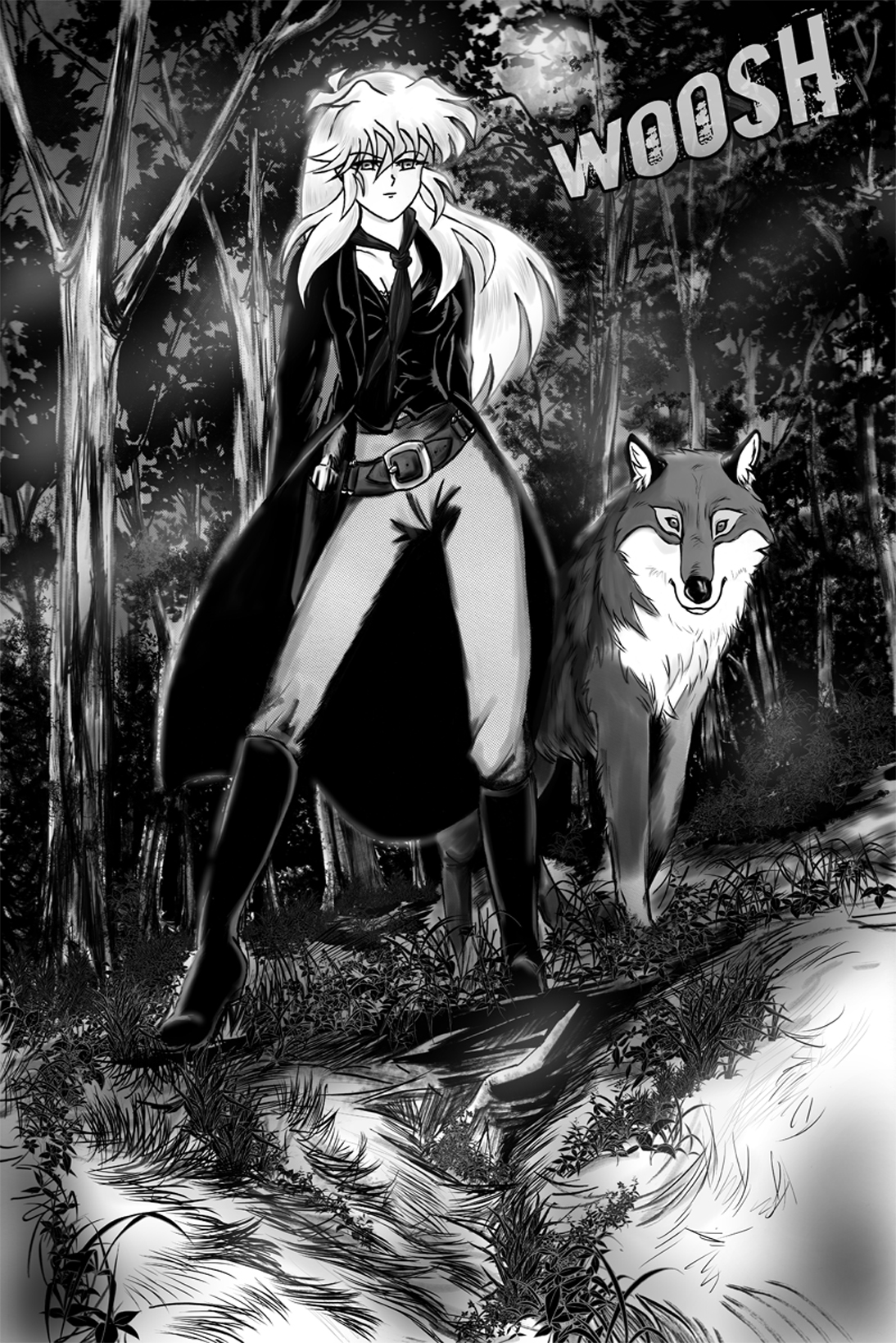
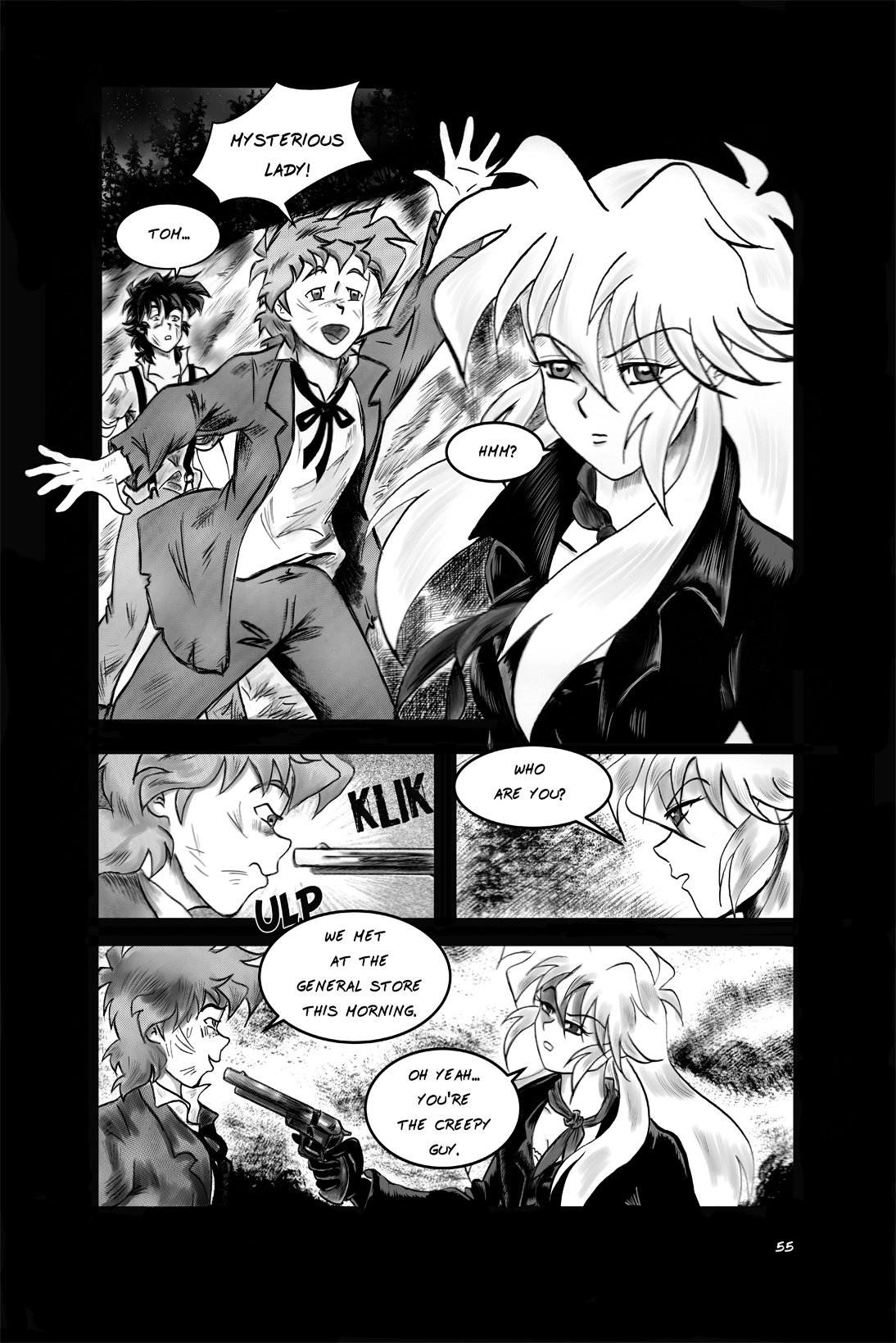
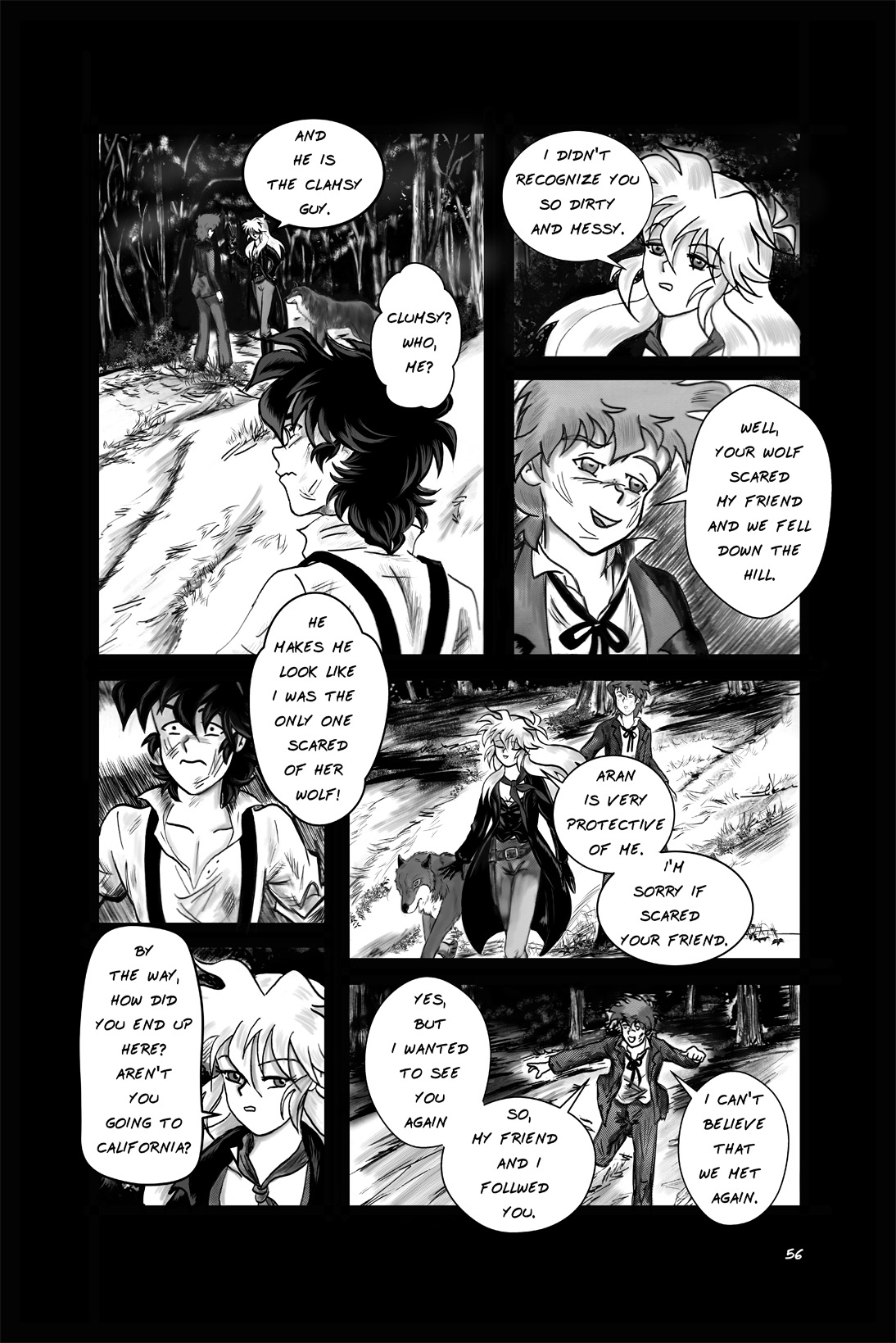
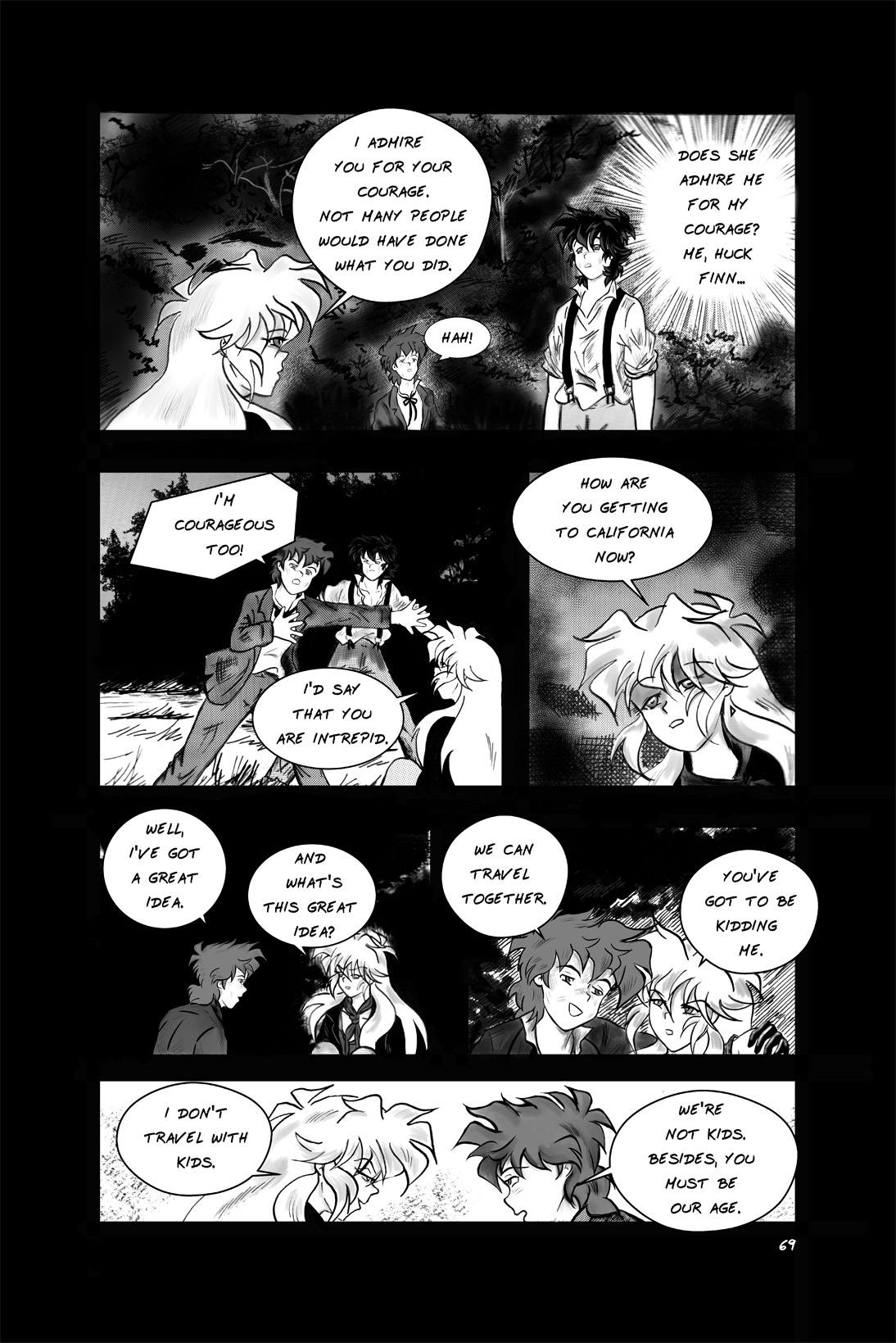
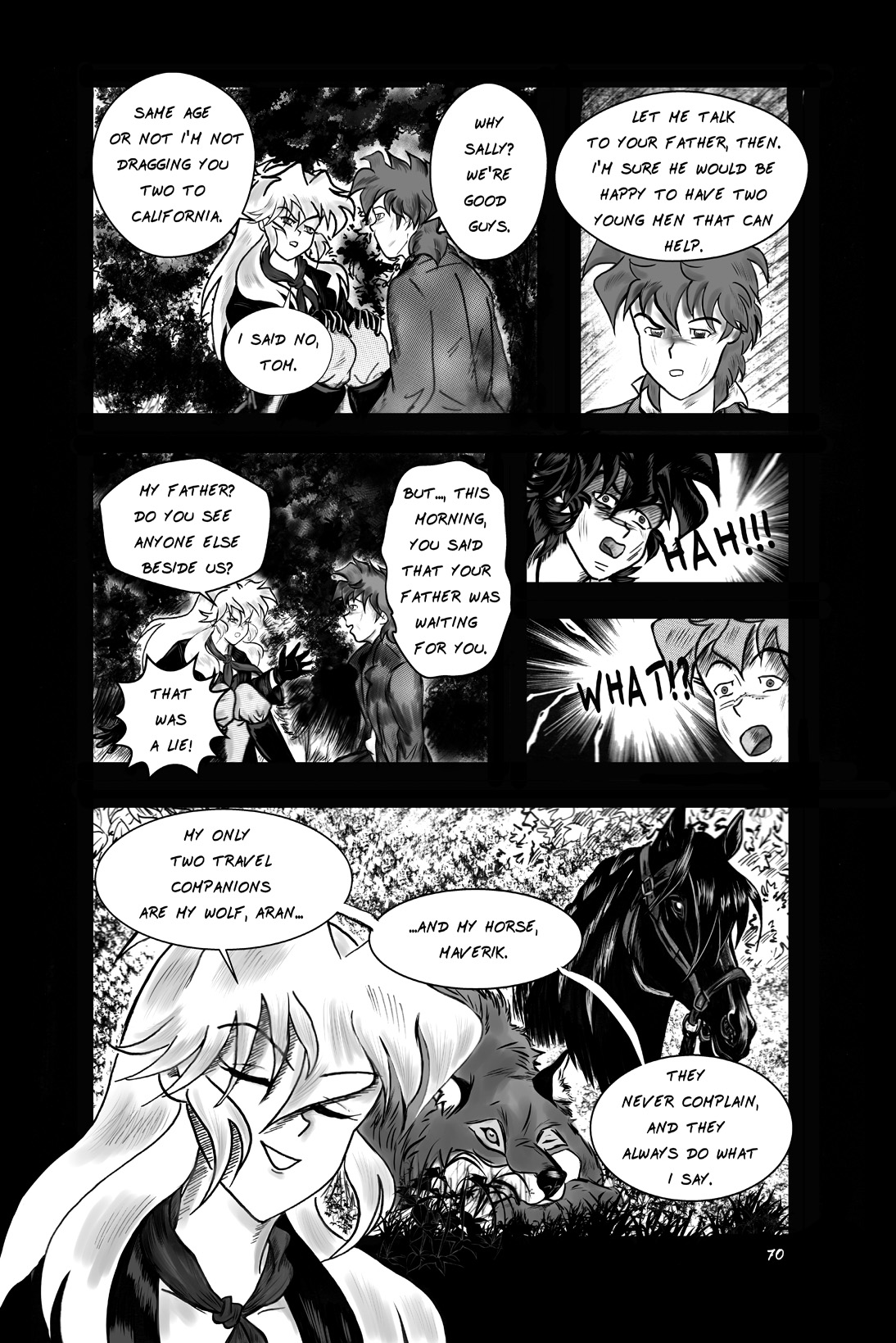
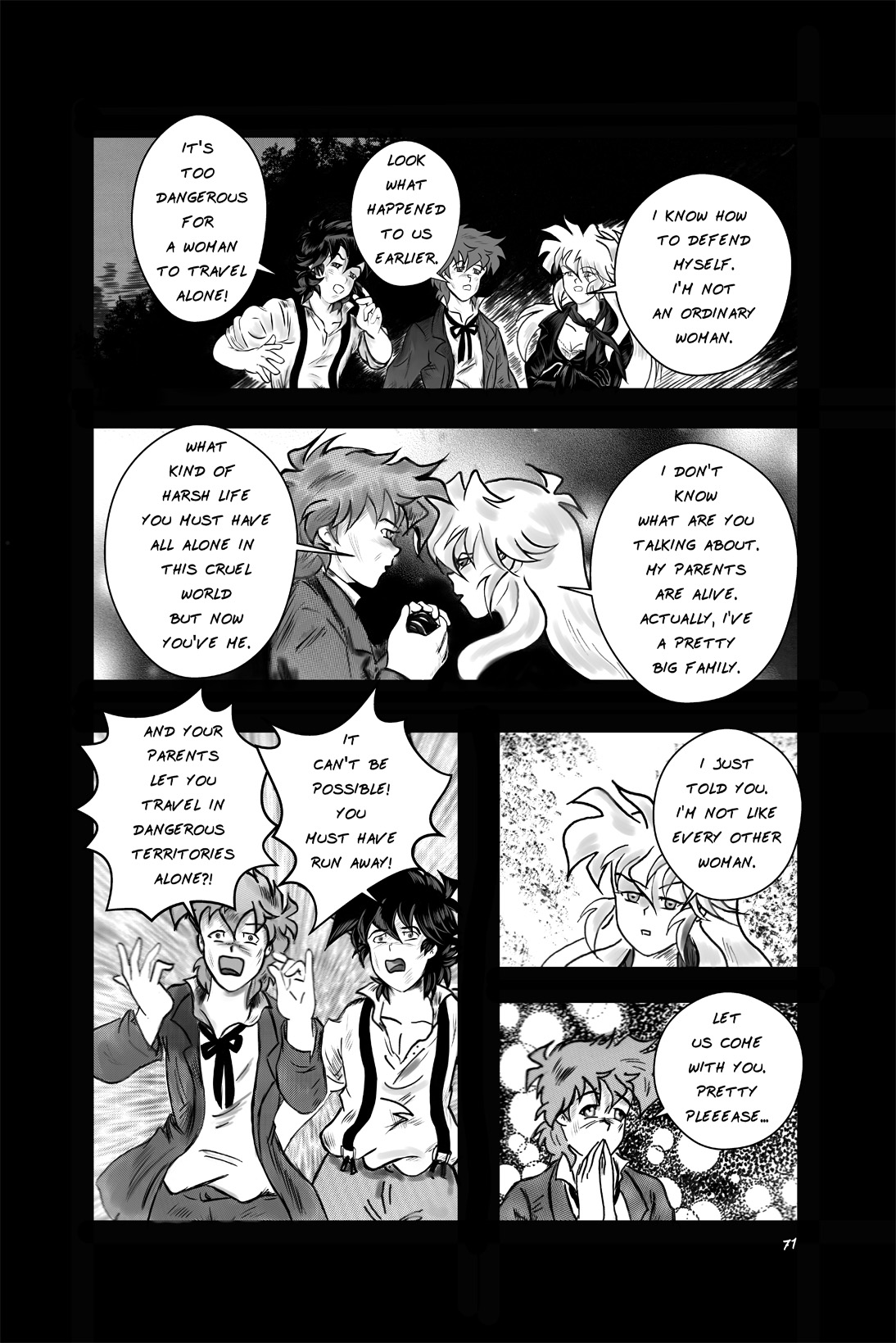
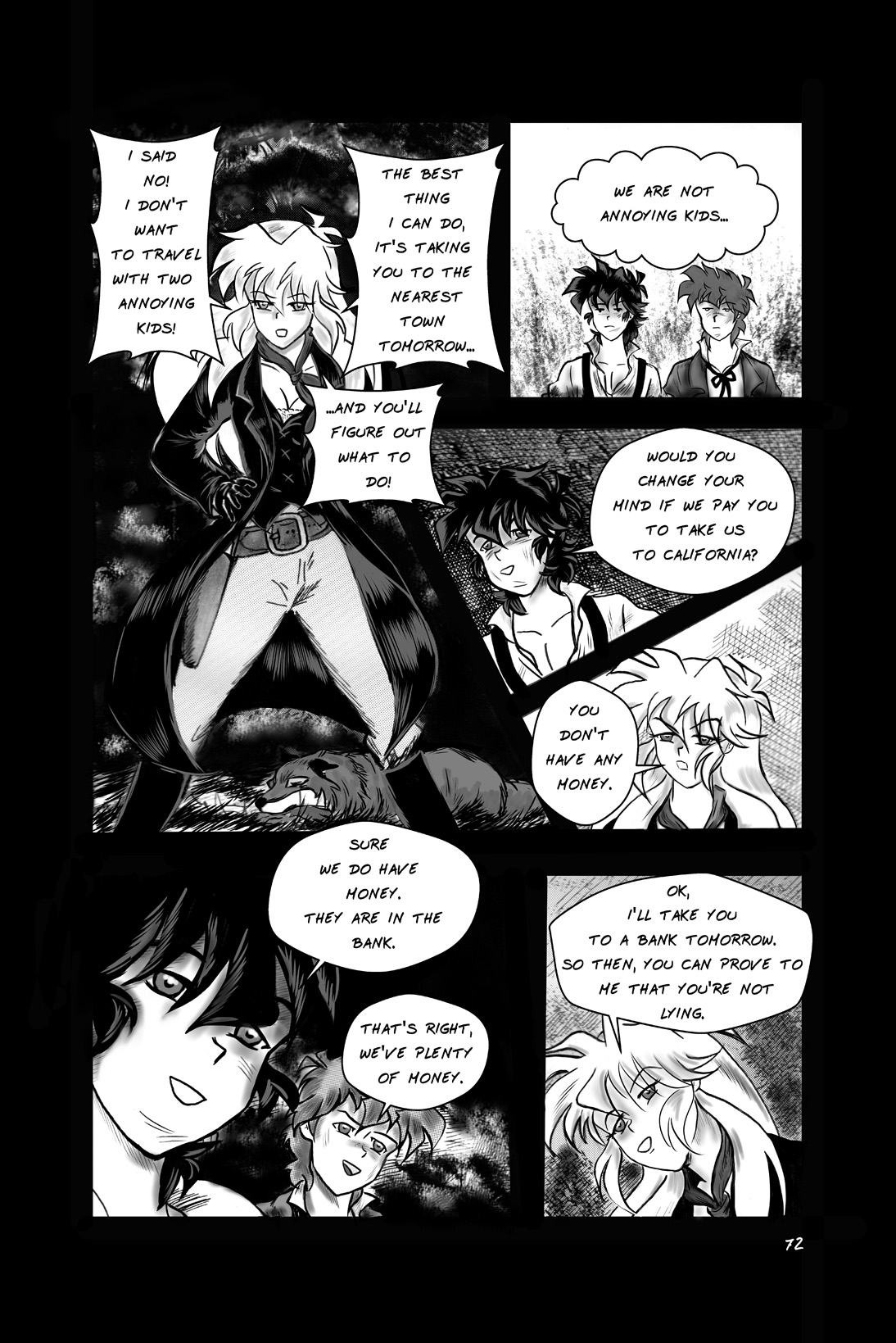
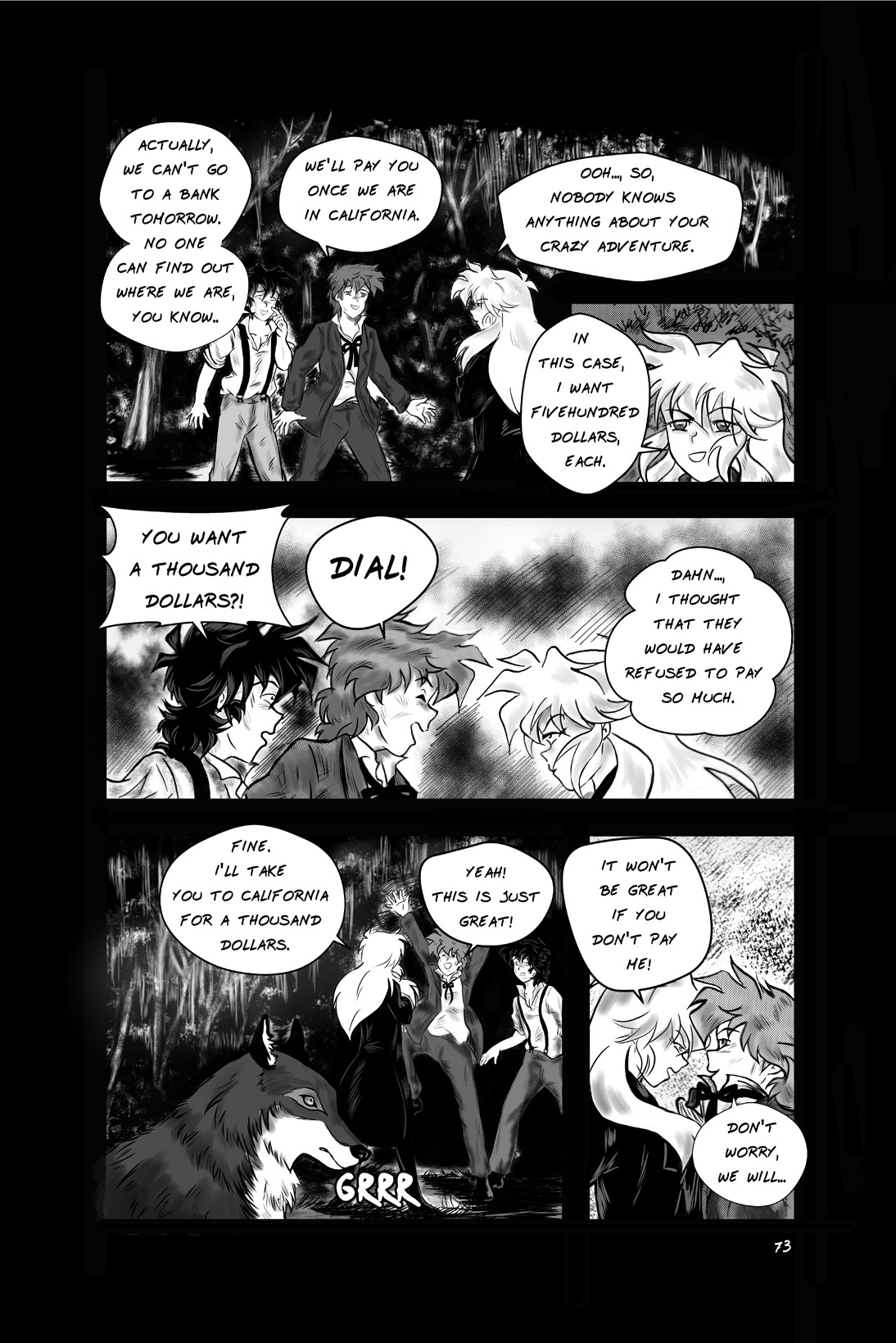
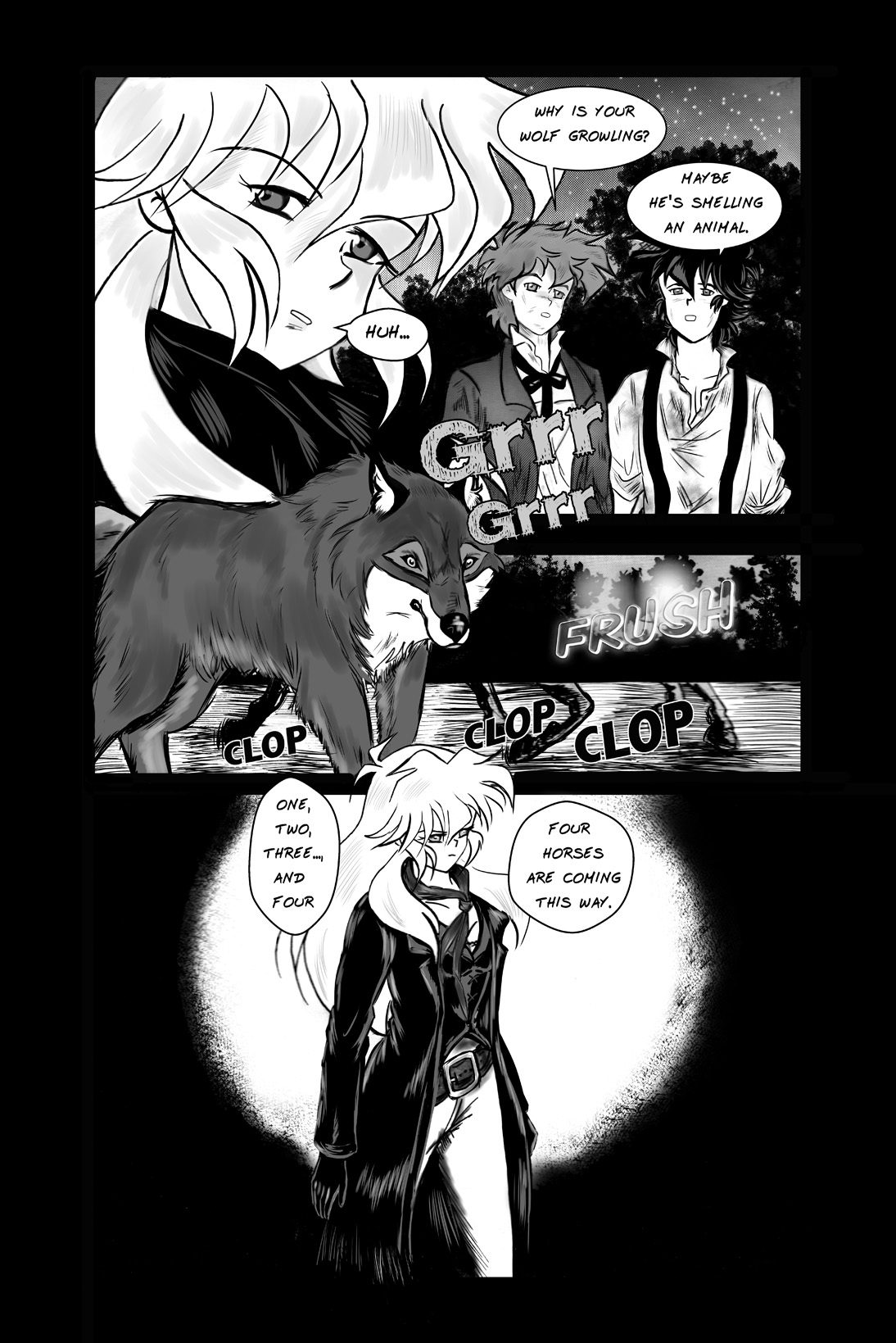
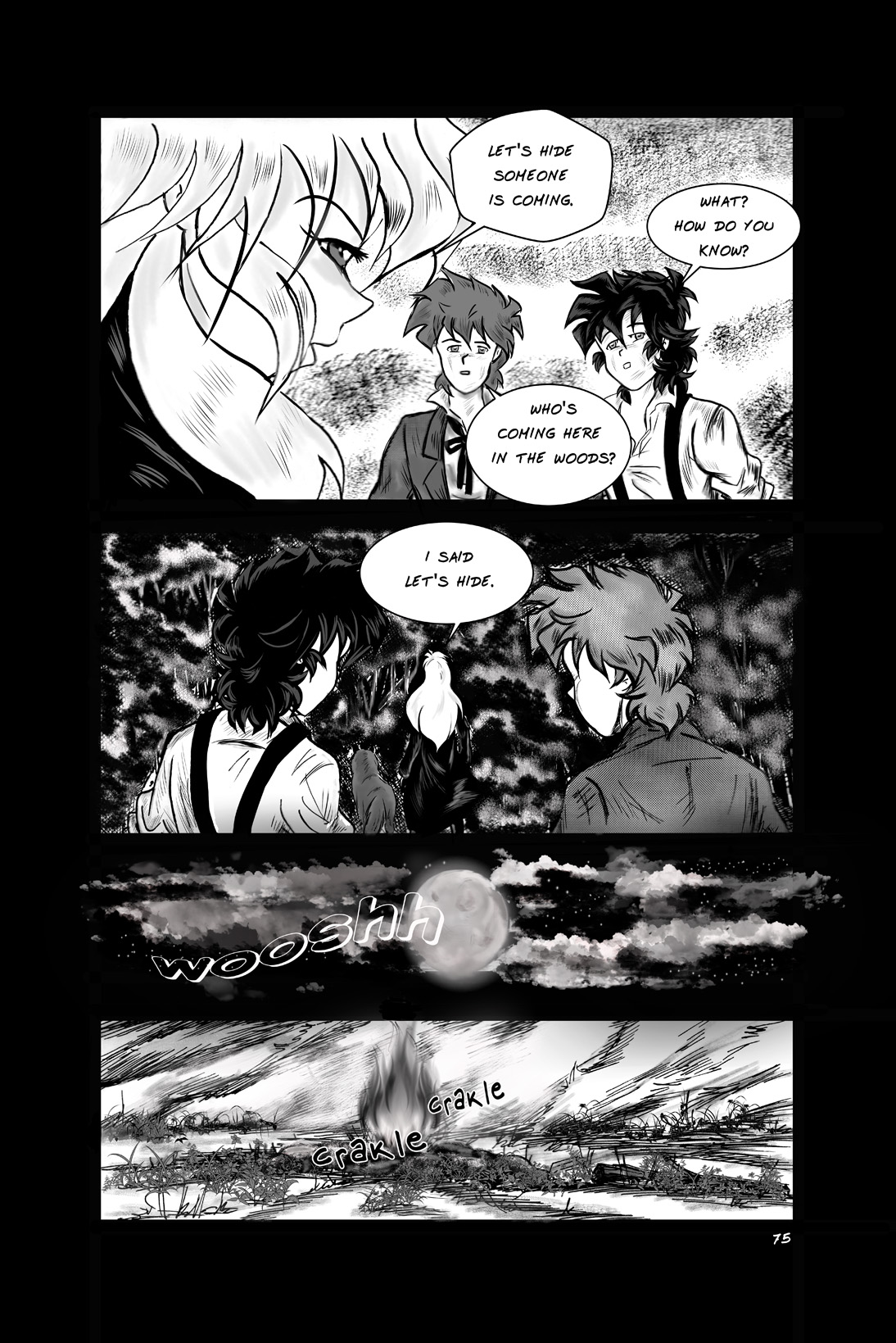
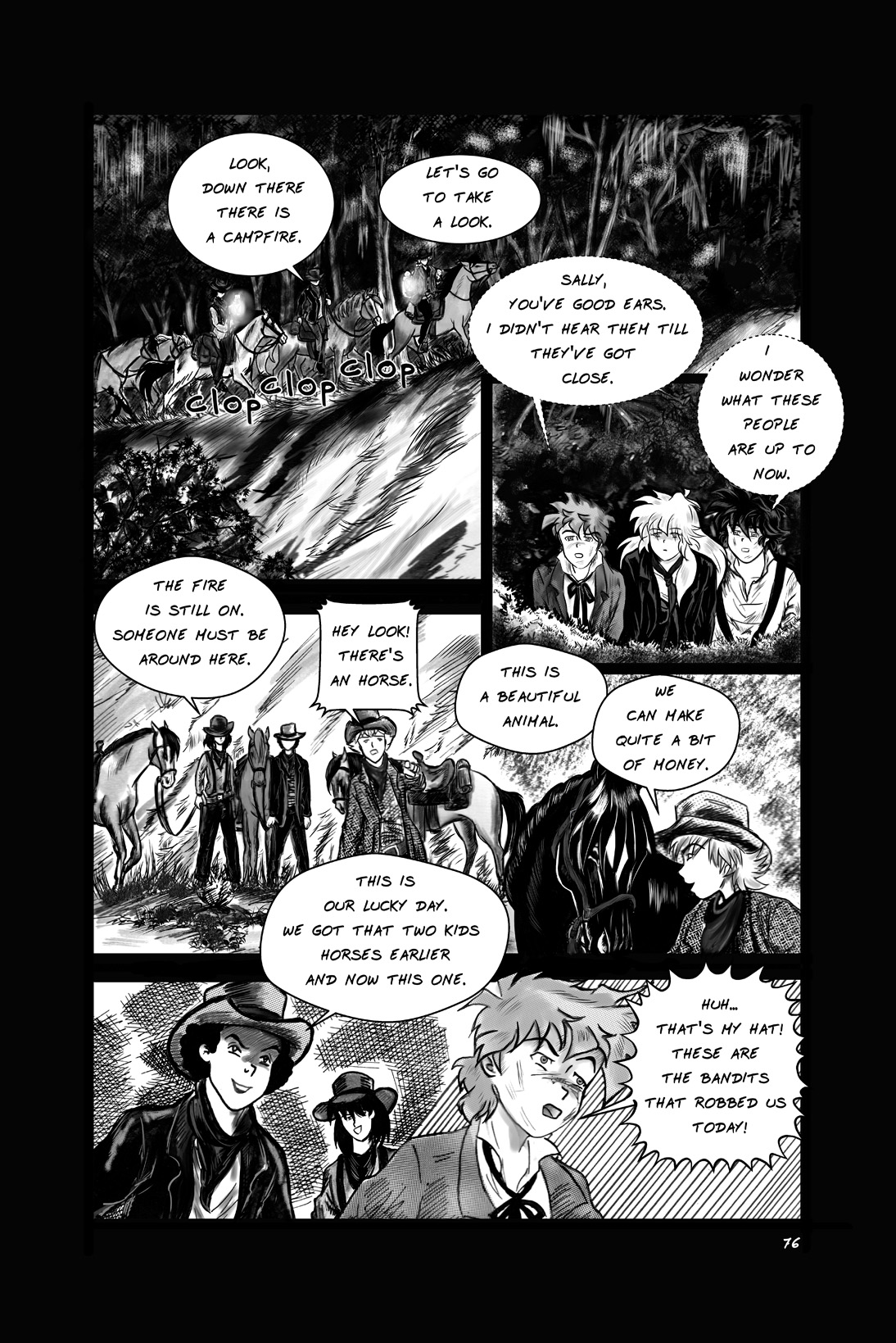
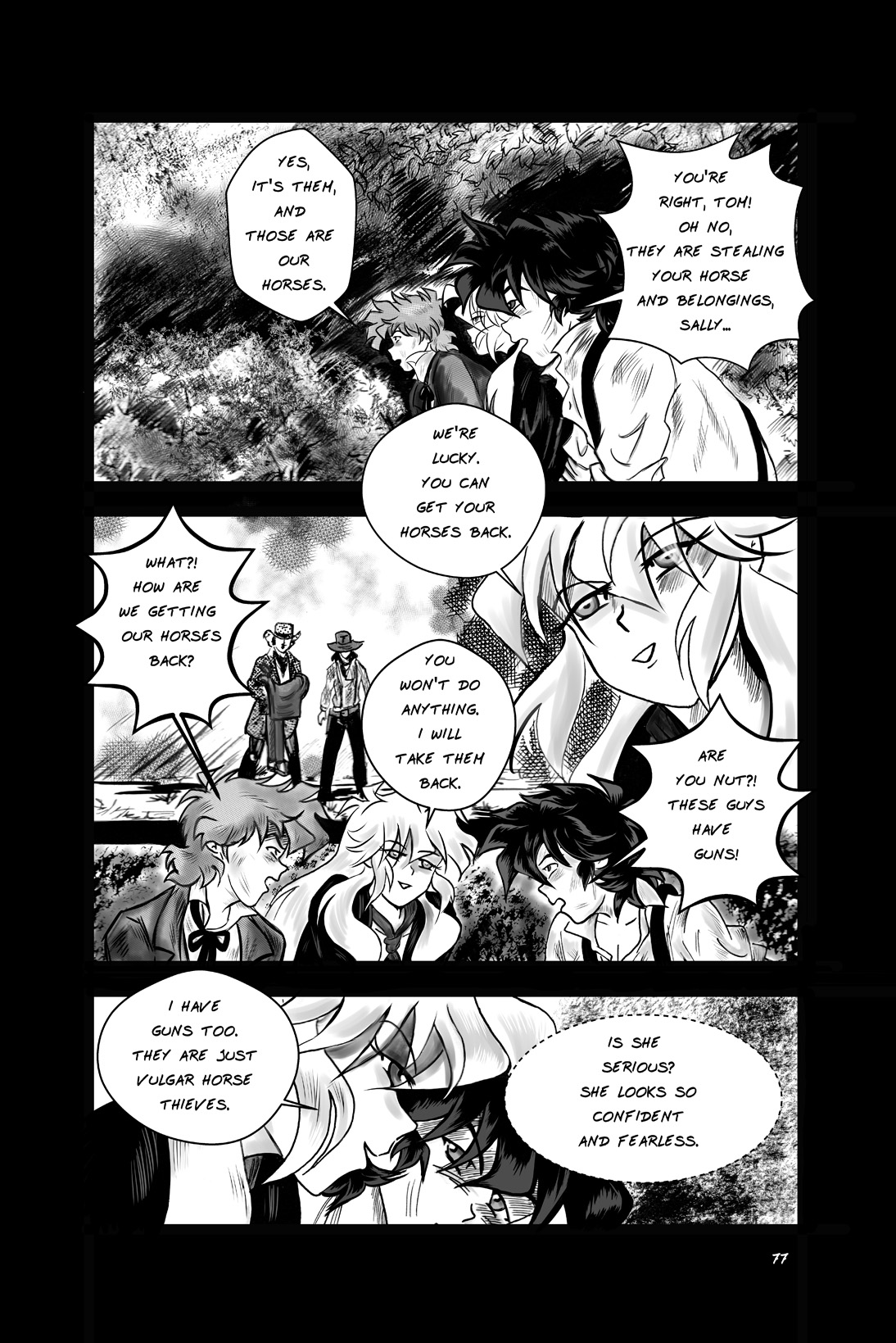
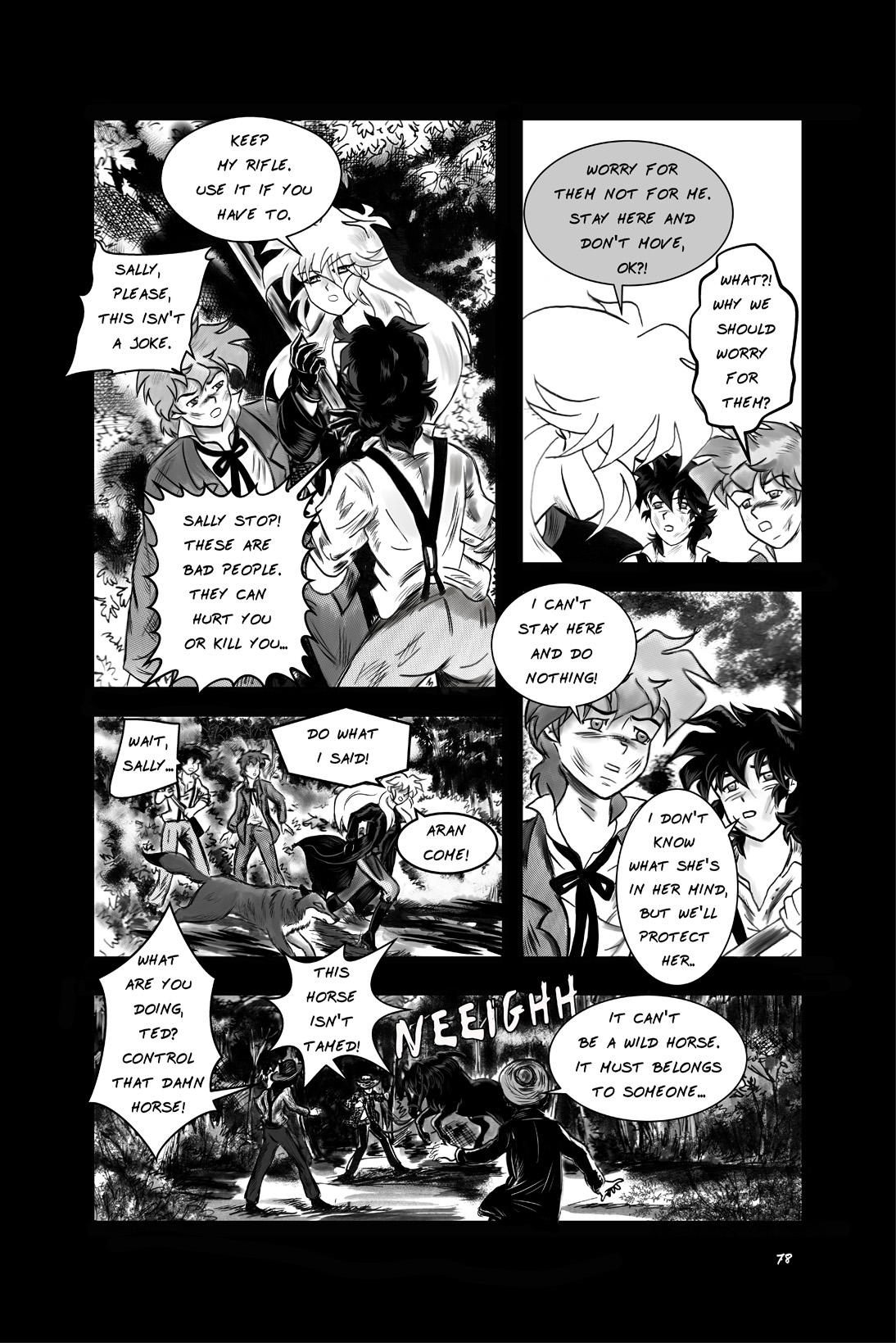
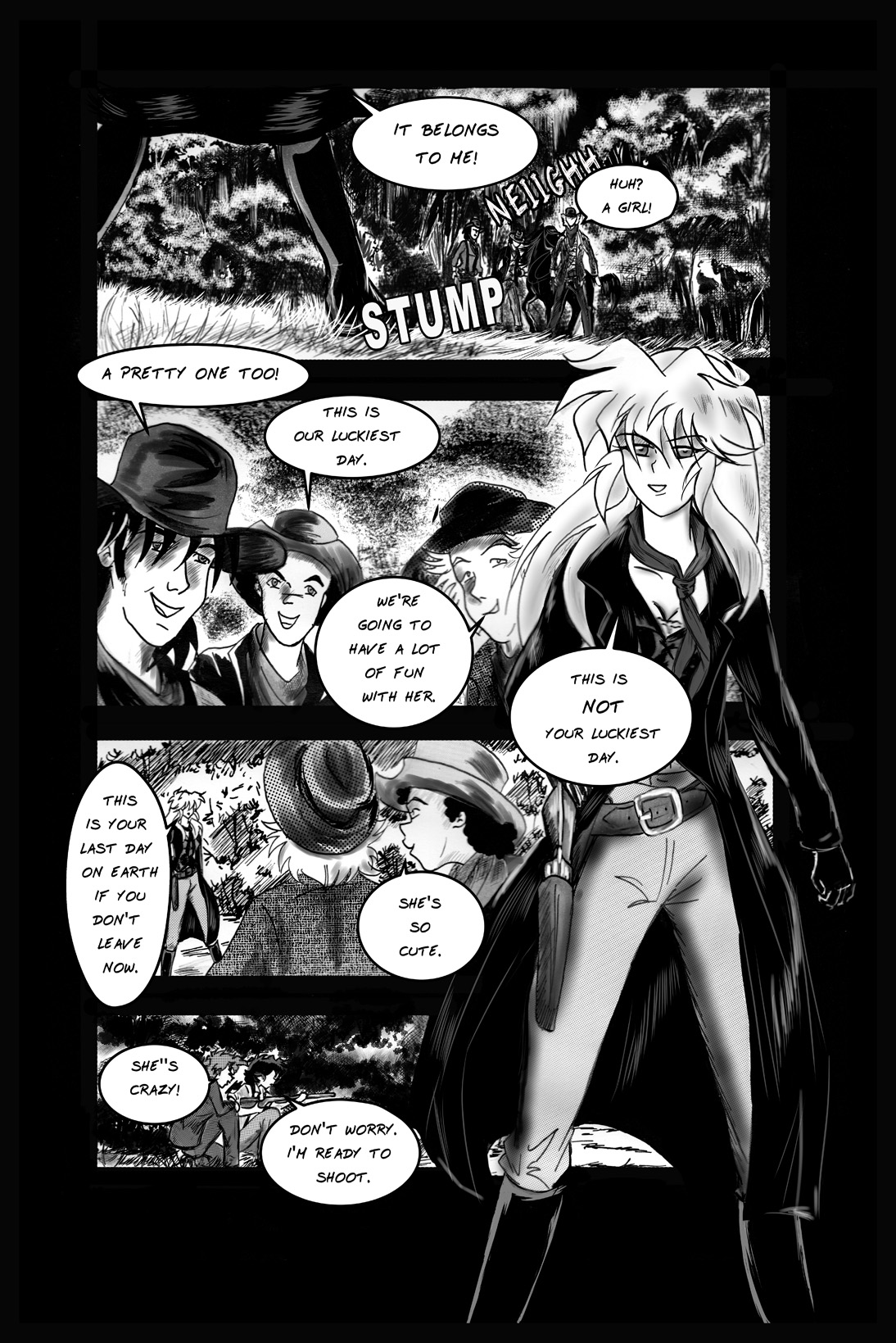
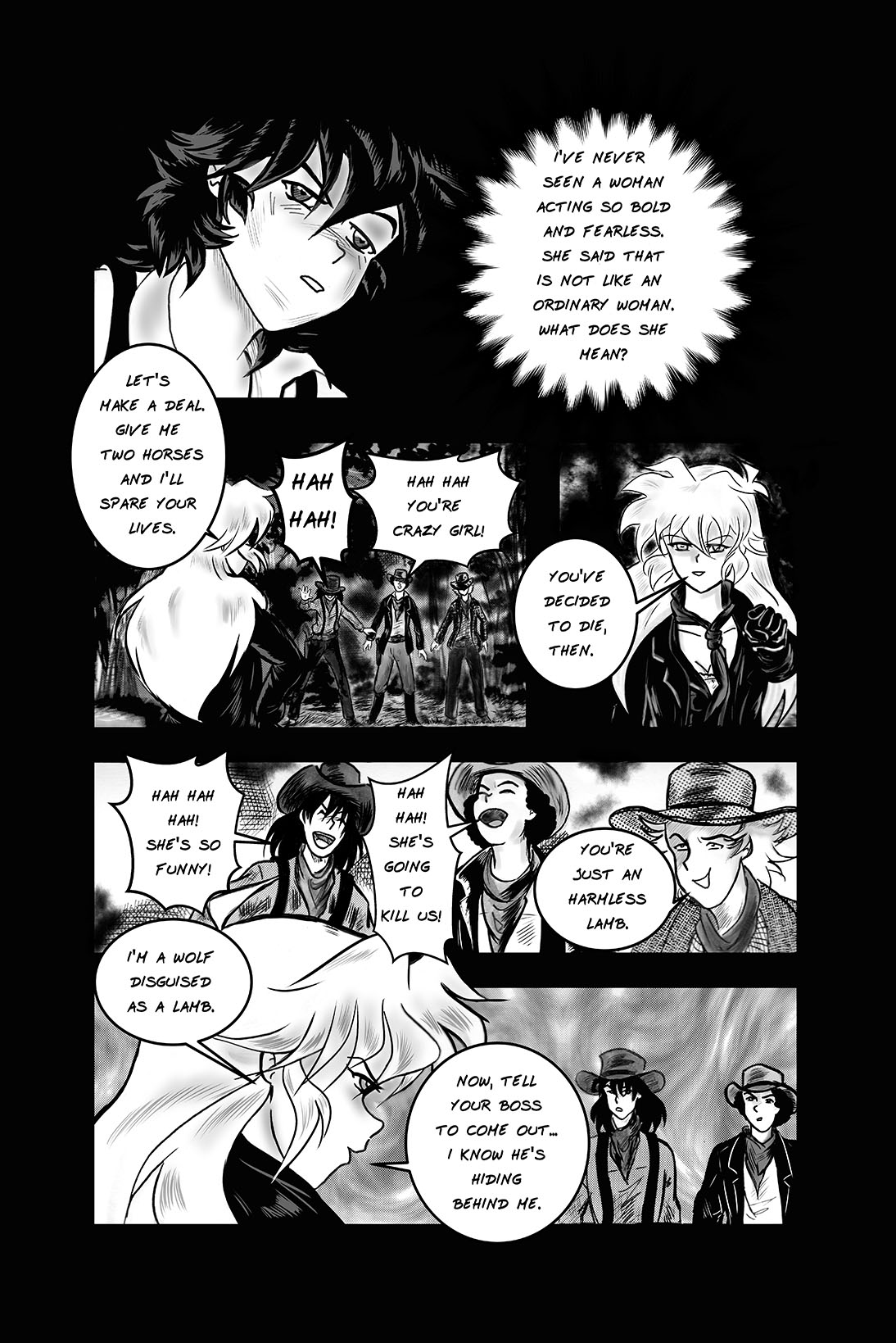
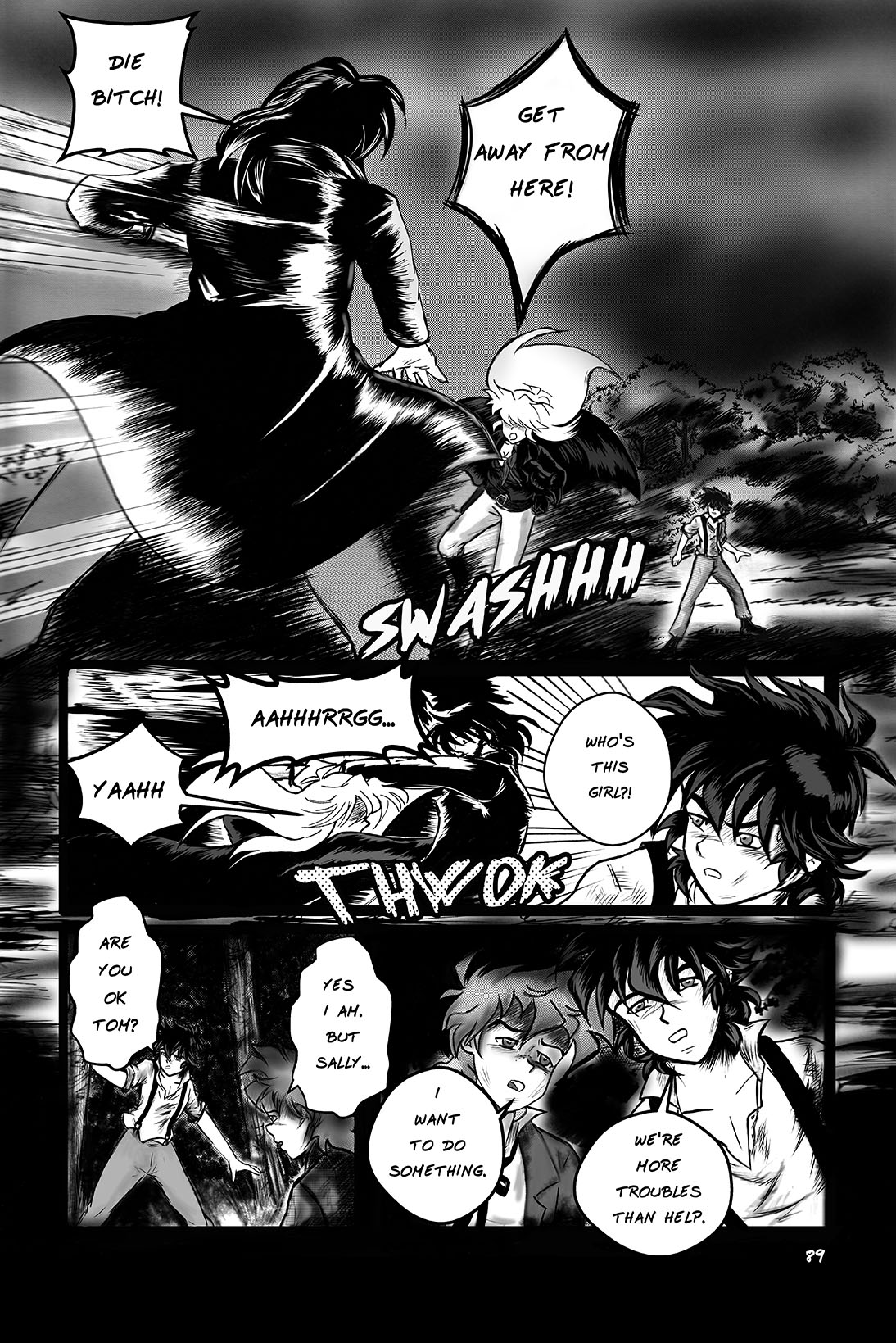
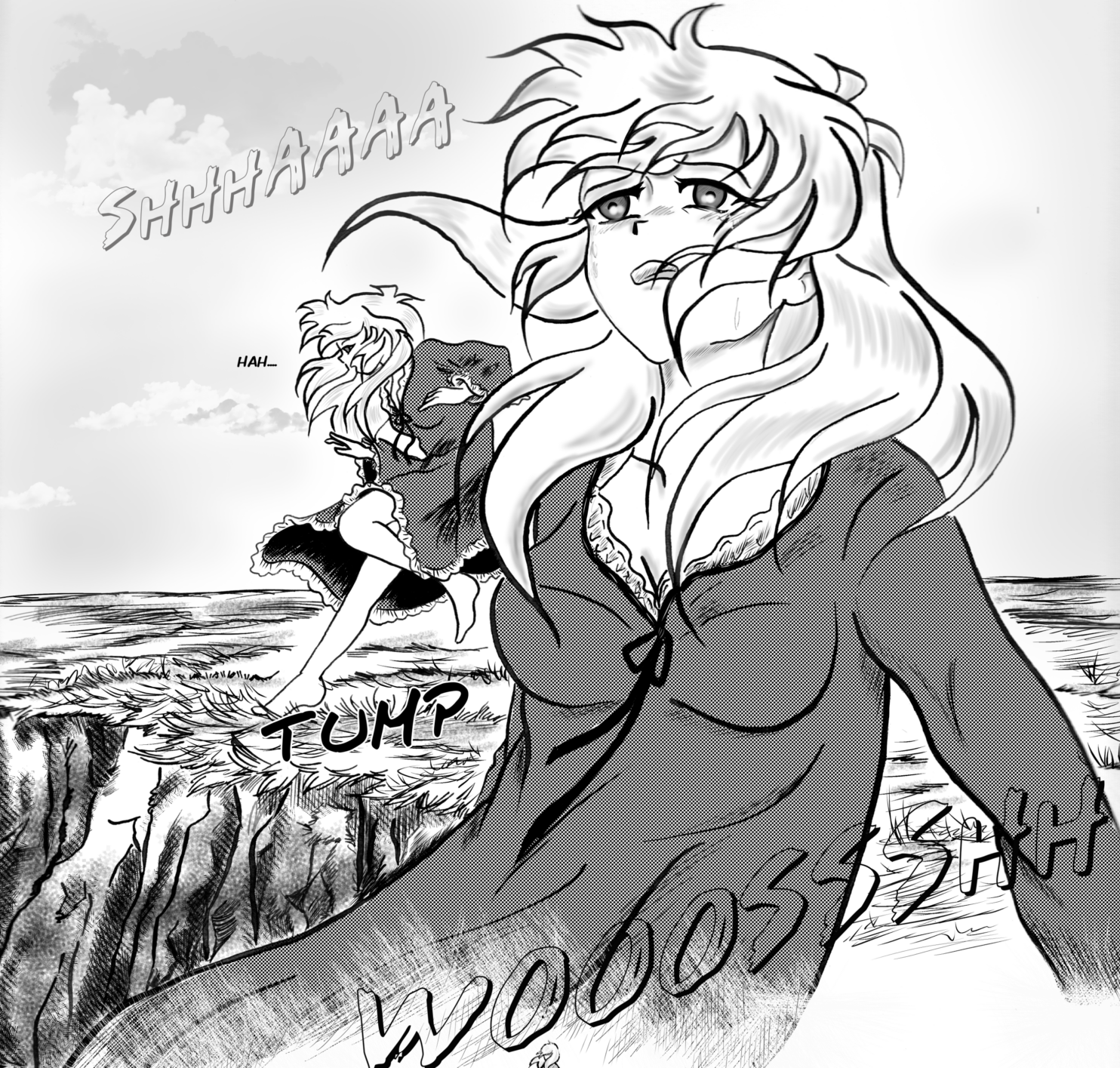
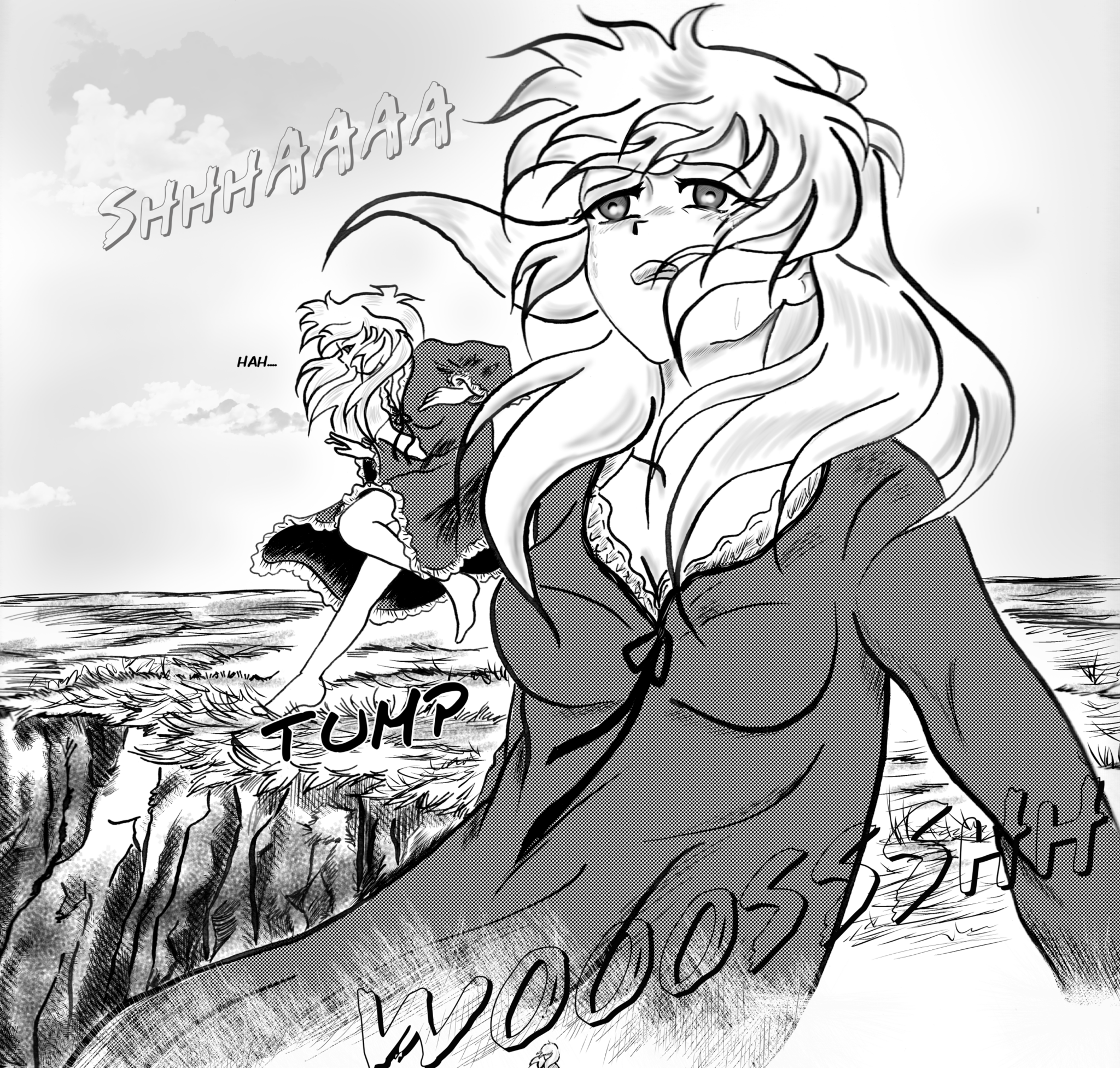
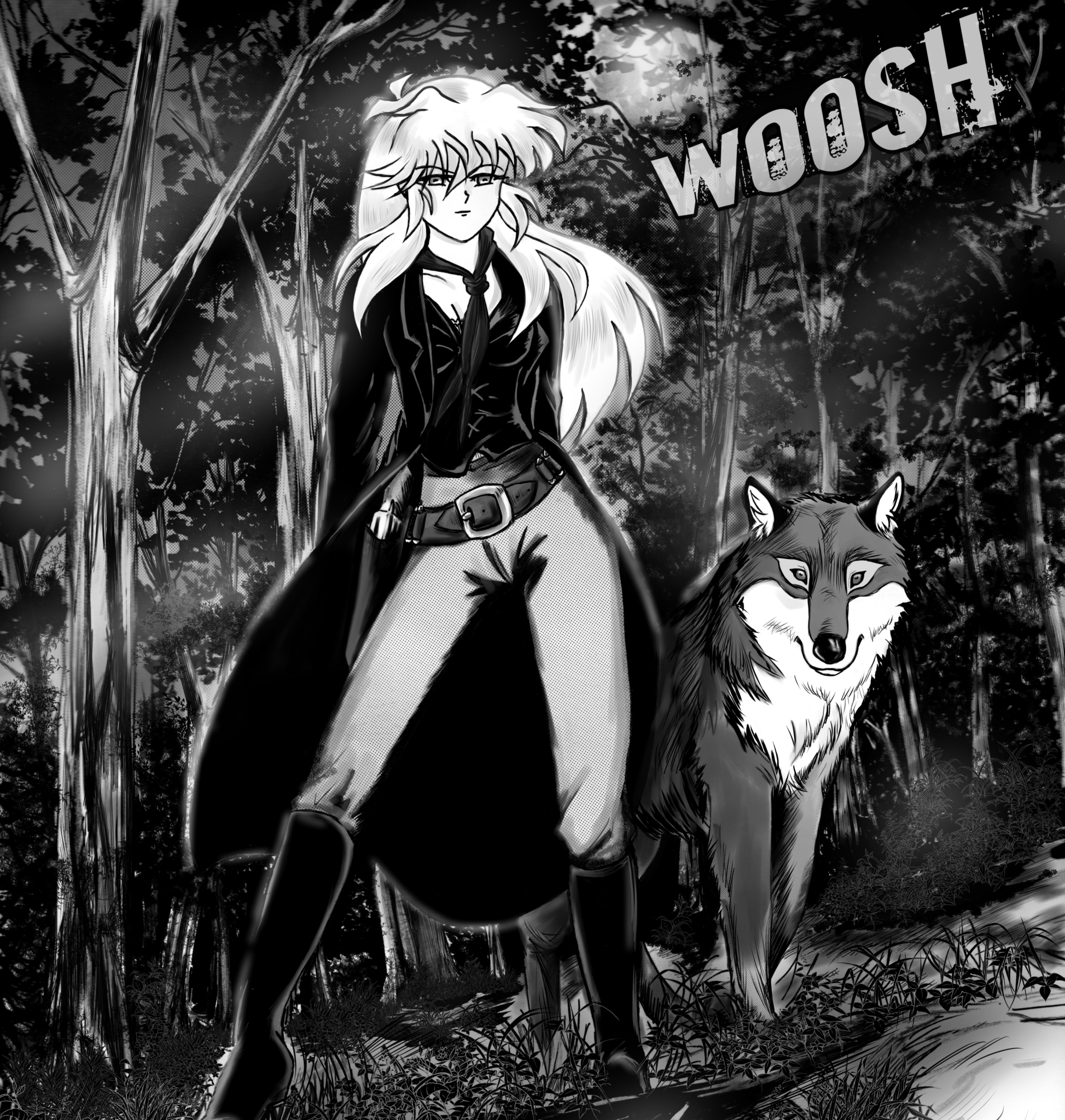
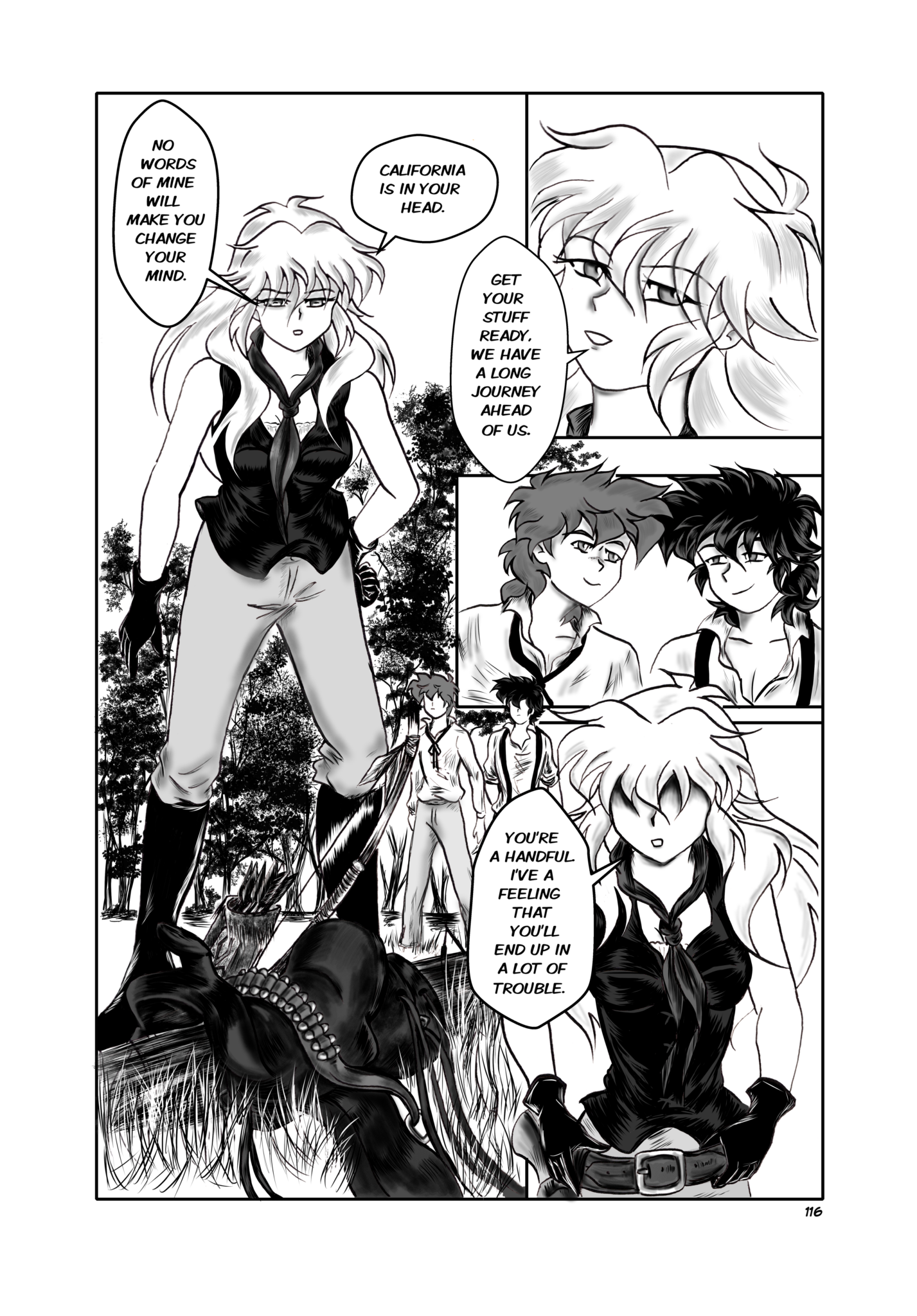
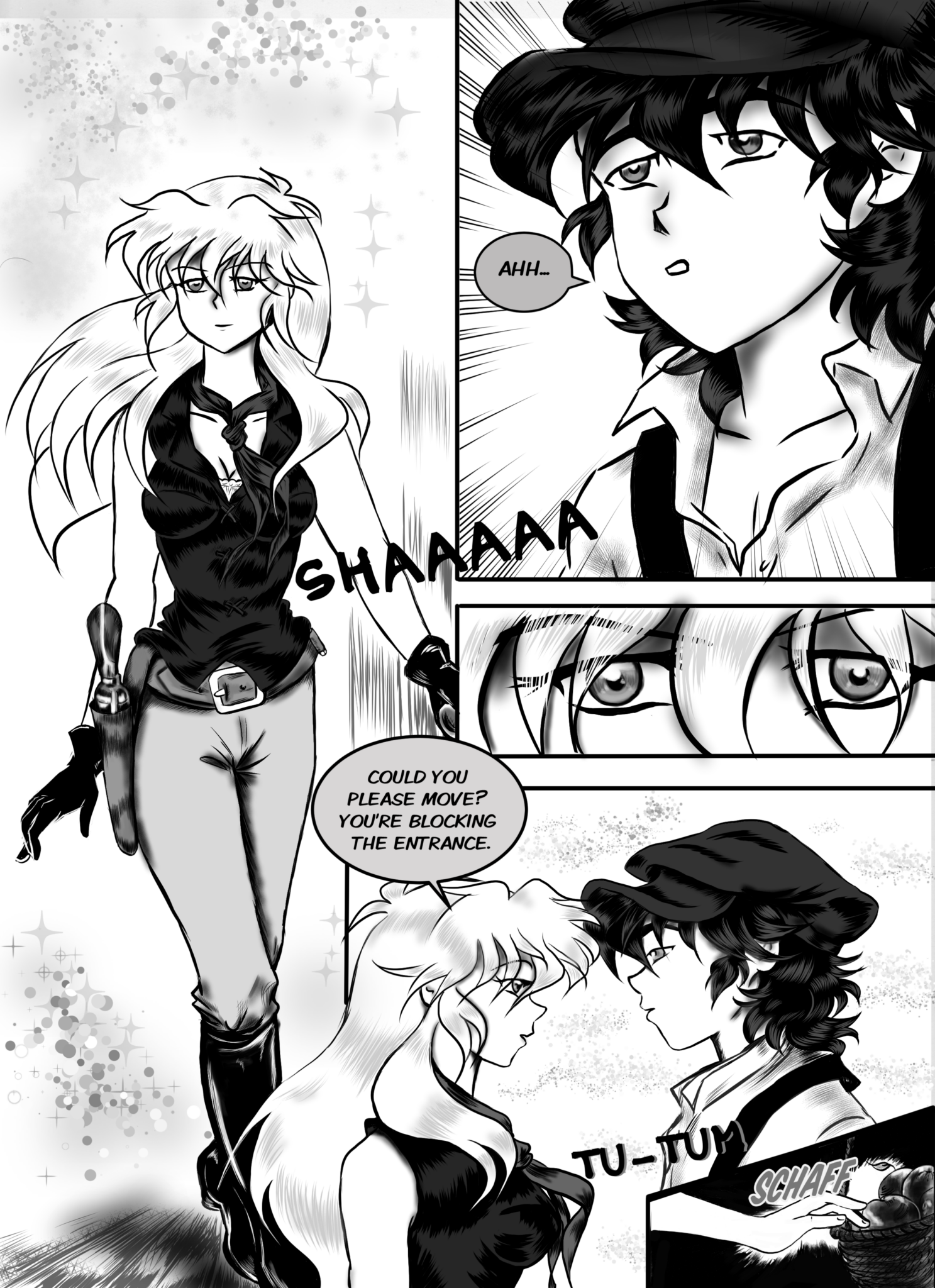
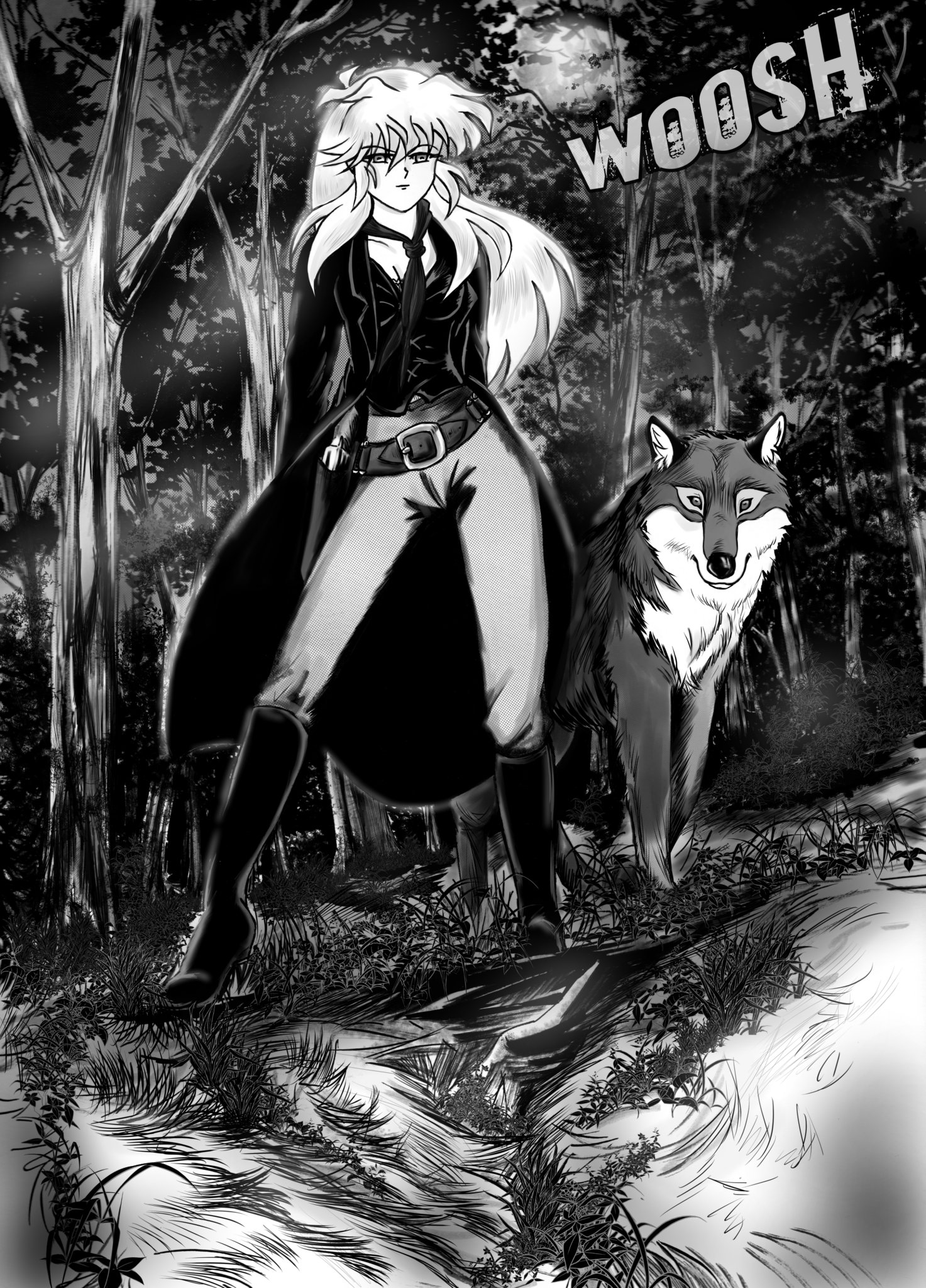
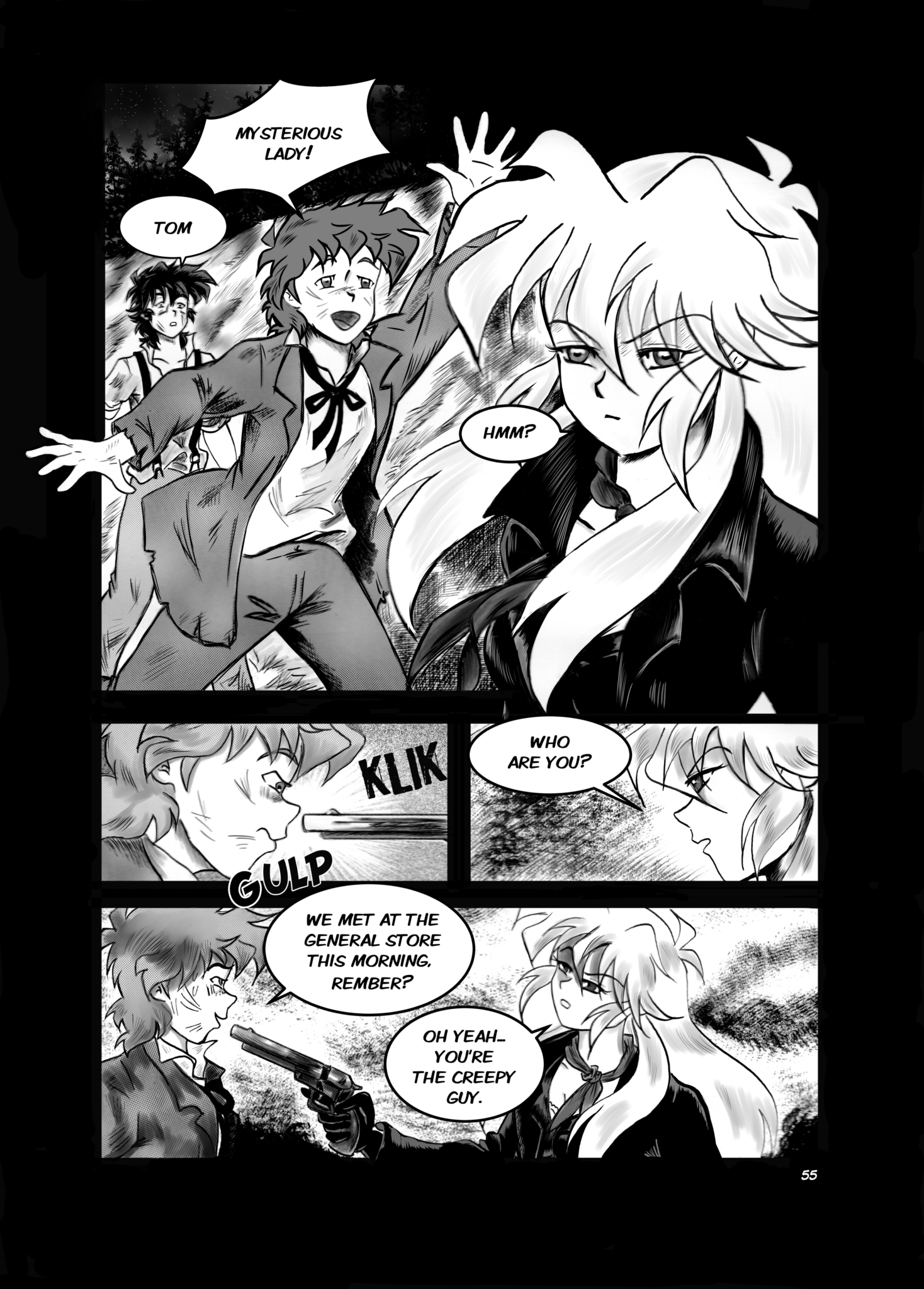
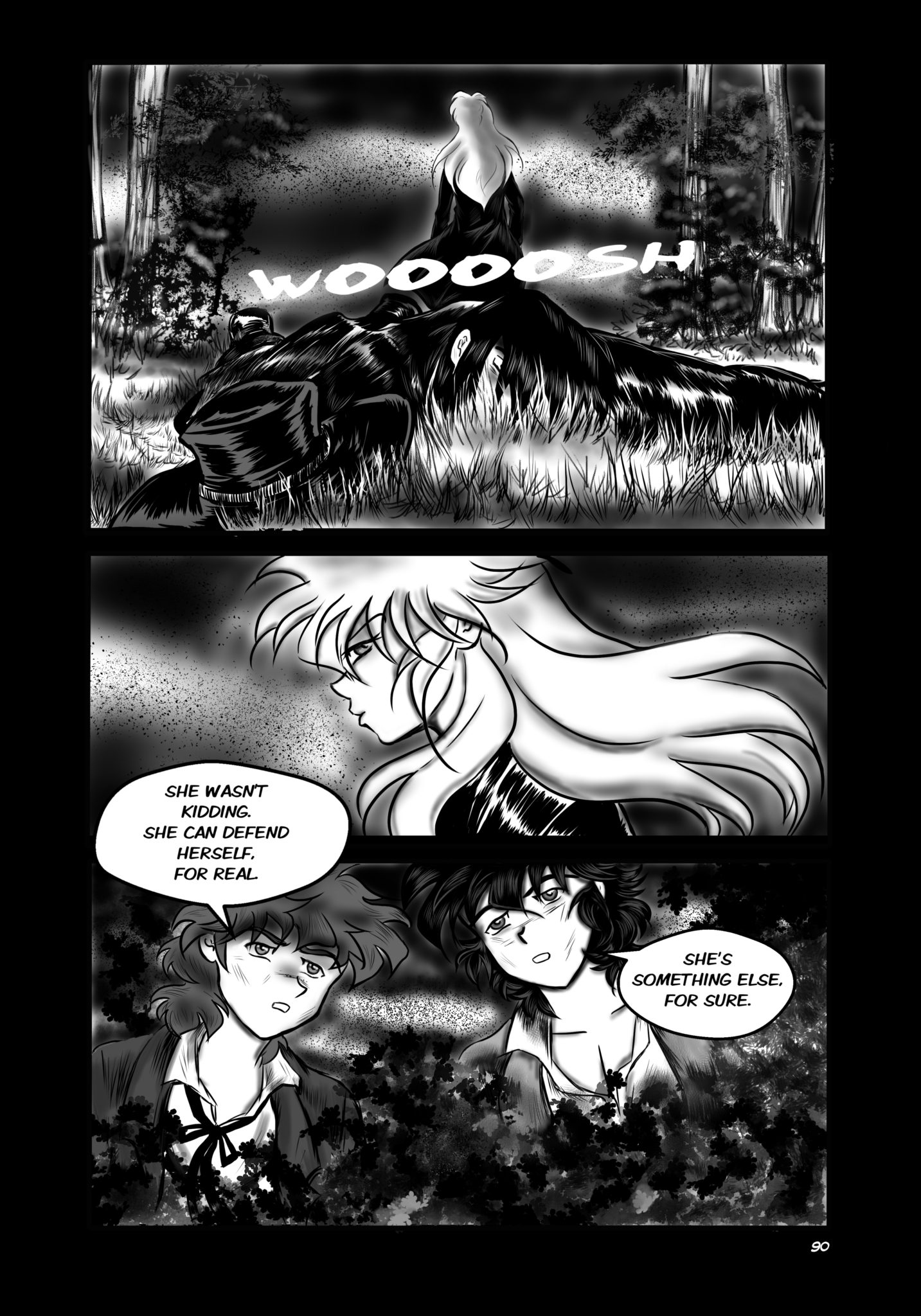
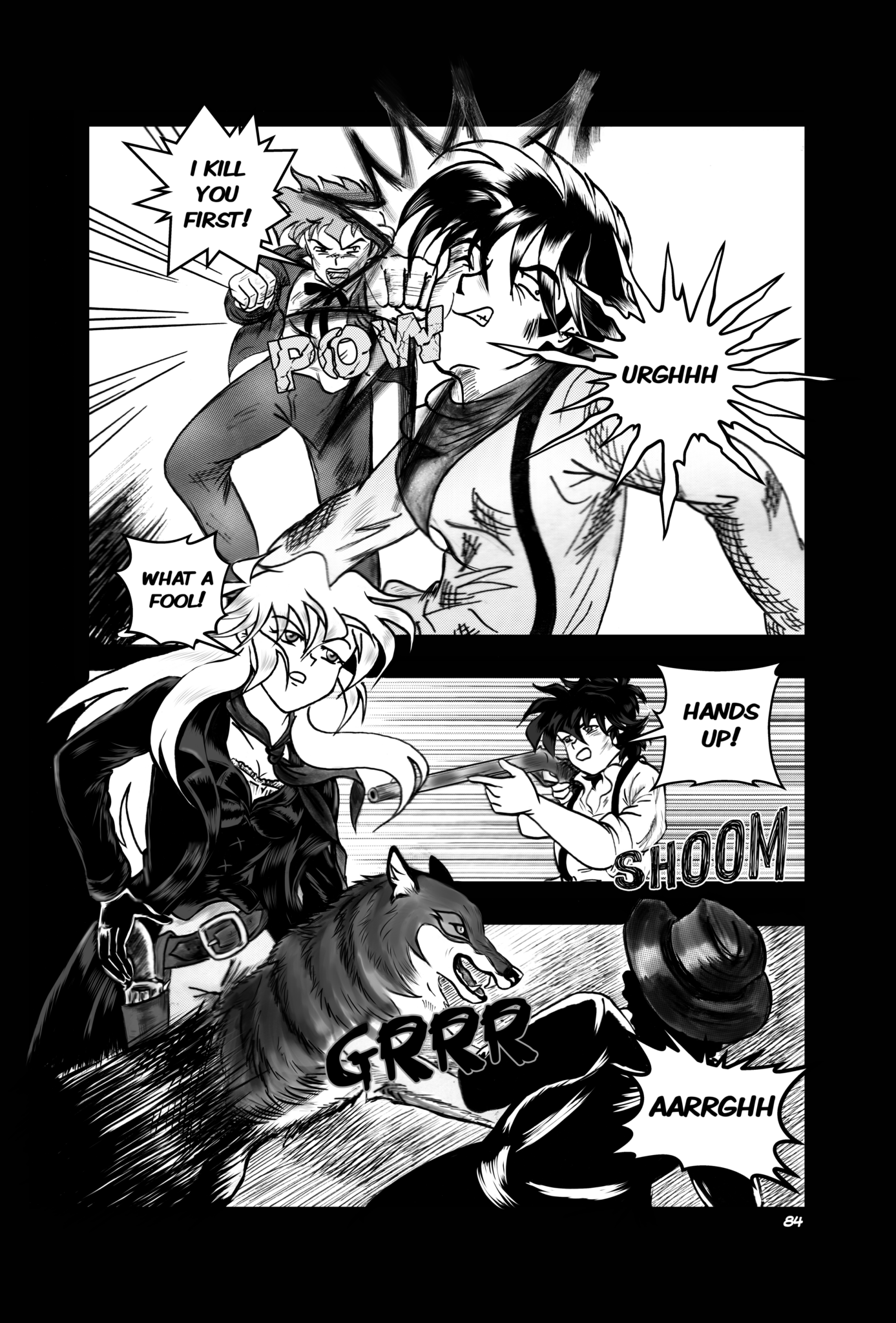
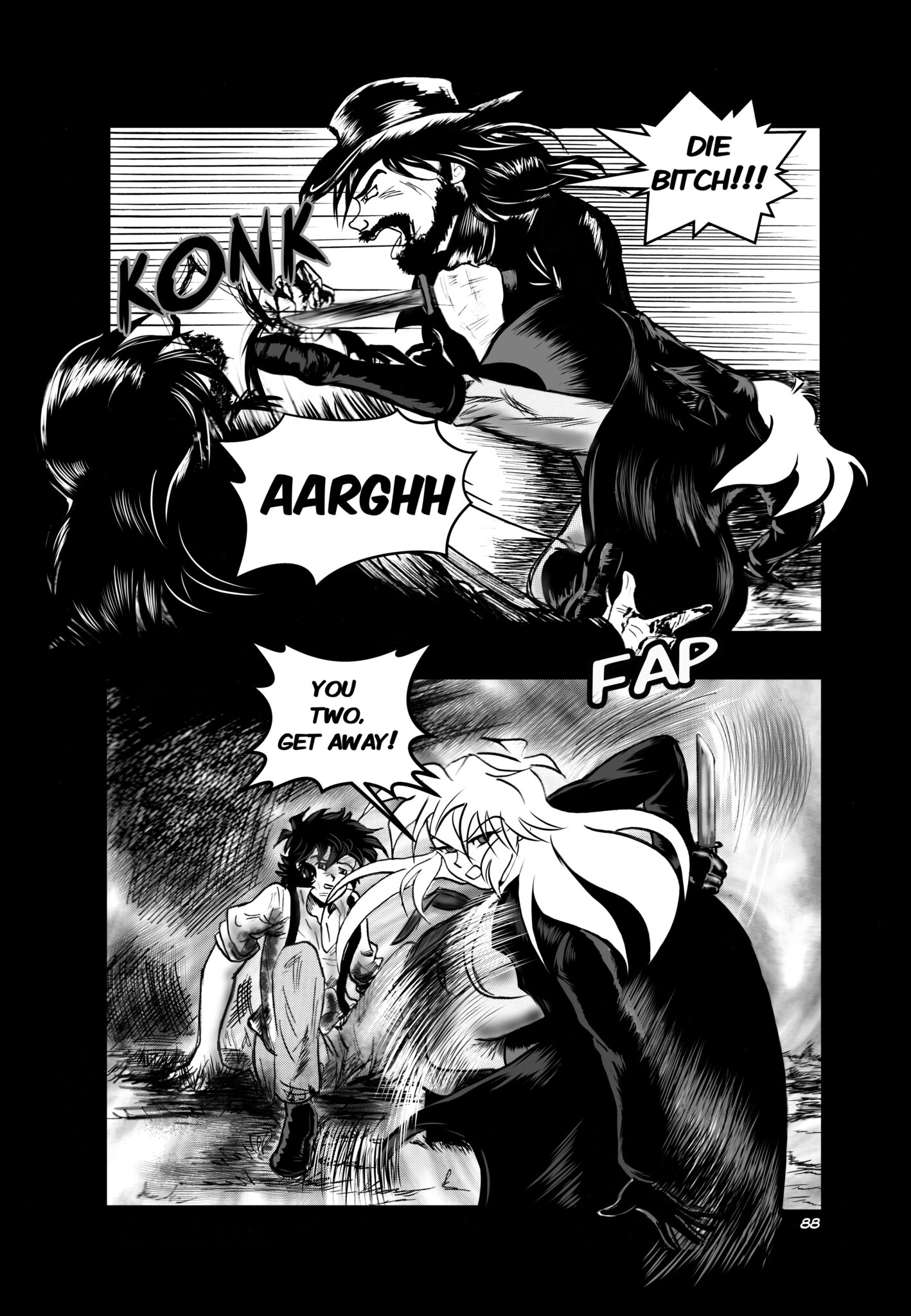
In my graphic novel series Legends of the West, the heroine Sally McKay was designed with this idea in mind.
Her grandfather, Jack McKay, grew up in Ireland and lost his sister in a violent tragedy. The injustice of that moment changed him forever.
When he later came to America, he promised himself that if he ever had a daughter, she would be strong enough to defend herself.
He never had a daughter, but he had a granddaughter—Sally.
Because of this promise, Sally was raised differently from most girls of her time. She learned how to ride horses, fight, and shoot with remarkable skill. At the same time, she received a strong education and developed a refined, almost aristocratic elegance.
But Sally is far from perfect.
She can be stubborn.
She can be arrogant.
Sometimes she believes she already knows the answer.
Her strengths come from her upbringing, but those same strengths create conflict in the story.
That balance prevents her from becoming a Mary Sue.
Sally is one of the key characters in my graphic novel Legends of the West, a story set during the 1849 Gold Rush.
How Backstory Influences Character Decisions
A powerful backstory should influence what a character does in the story.
Sally’s upbringing taught her never to accept helplessness. Because of that, she often steps forward when danger appears.
Her courage pushes the story forward—but her stubbornness can also make situations more complicated.
This tension between strength and flaw creates drama and growth.
How to Create Memorable Characters for Comics and Graphic Novels
Whether you are writing a novel, a comic book, or a graphic novel, memorable characters share one thing in common:
Their past shapes their present.
When writers connect a character’s history to their decisions, readers begin to see them as real people rather than fictional figures.
And when characters feel real, audiences will want to follow their journey.
Final Thoughts on Writing Strong Character Backstories
A compelling character backstory is not about making a character perfect. It’s about making them believable.
Ask yourself:
-
What shaped this character’s past?
-
What do they want more than anything?
-
What are they afraid of losing?
Answering those questions will help transform simple character ideas into people readers can truly connect with.