We often find ourselves drawn not just to the heroes in our stories, but to the architects of their suffering: the villains. From the unsettling chaos of the Joker to the tragic complexity of Darth Vader, antagonists are more than just plot obstacles; they are the mirrors reflecting our fears, the challenging forces that shape our understanding of good and evil, and often, some of the most memorable characters in any medium. But what makes a great villain, and how do these icons of antagonism compare across the vastly different landscapes of comics, movies, and anime?
Let's delve into the shadowy recesses of storytelling and analyze the archetypes and characteristics of some truly legendary antagonists.
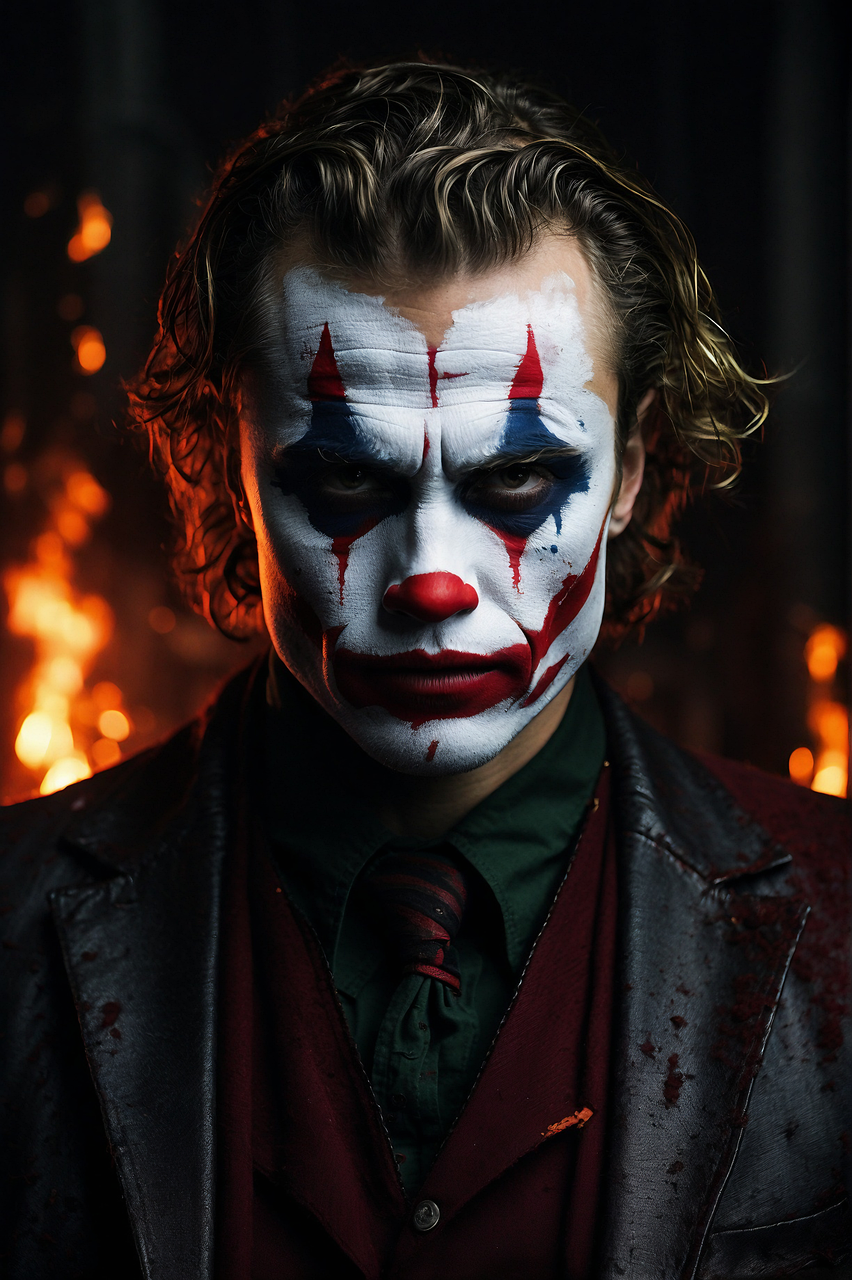
The Agent of Pure Chaos: The Joker (DC Comics, Multiple Films)
The Joker, perhaps more than any other villain, embodies pure, unadulterated chaos. Unlike villains with specific goals (world domination, personal gain), the Joker operates outside the conventional spectrum of logic and morality.
Characteristics:
-
Unpredictability: His motivations are either nonexistent or shift constantly. His only consistency is his obsession with proving that society, sanity, and heroism are just fragile constructs waiting to be broken.
-
Theatricality: He sees his crimes not just as acts of violence, but as a grand performance art. Every elaborate scheme, every chilling laugh, and even his distinct appearance are designed to shock, disturb, and create a spectacle of terror.
-
Obsessive Nature: His defining characteristic is his twisted obsession with Batman. He doesn't necessarily want to kill Batman; he wants to break him, to force him to abandon his moral code, proving that even Gotham's greatest hero is just one bad day away from descending into madness.
-
Existential Threat: The Joker doesn't just threaten lives; he threatens the very idea of order and meaning. His success lies not in achieving a specific goal, but in the psychological damage he inflicts.
The Tragically Fallen: Darth Vader (Star Wars Saga)
In stark contrast to the Joker's inexplicable malice, Darth Vader is defined by his tragic fall from grace. He is a villain sculpted by manipulation, loss, and a warped desire for control, making him a complex figure we often pity as much as we fear.
Characteristics:
-
Internal Conflict: The core of Vader's character is the constant, agonizing battle between his former identity as Anakin Skywalker and the monster he has become. We catch glimpses of his former self—his internal struggle, his fleeting moments of mercy—reminding us that the "light" is never truly extinguished.
-
Manipulation and Loss: His transformation into Vader was not inherent evil, but the culmination of Palpatine's manipulation and a series of devastating personal losses. His descent into darkness was a desperate attempt to gain the power to prevent loss, only to lose everything in the process.
-
The Weight of Duty: As the Emperor's enforcer, Vader operates within a rigid hierarchy. While brutal and merciless, his actions are driven by a sense of duty and the cold efficiency of a soldier, a far cry from the Joker's chaotic whims.
-
The Potential for Redemption: Unlike the Joker, who thrives in the void of moral ambiguity, the path for Vader’s redemption is always subtly present. This potential is a crucial element that deepens his complexity, making his ultimate act of sacrifice all the more powerful.
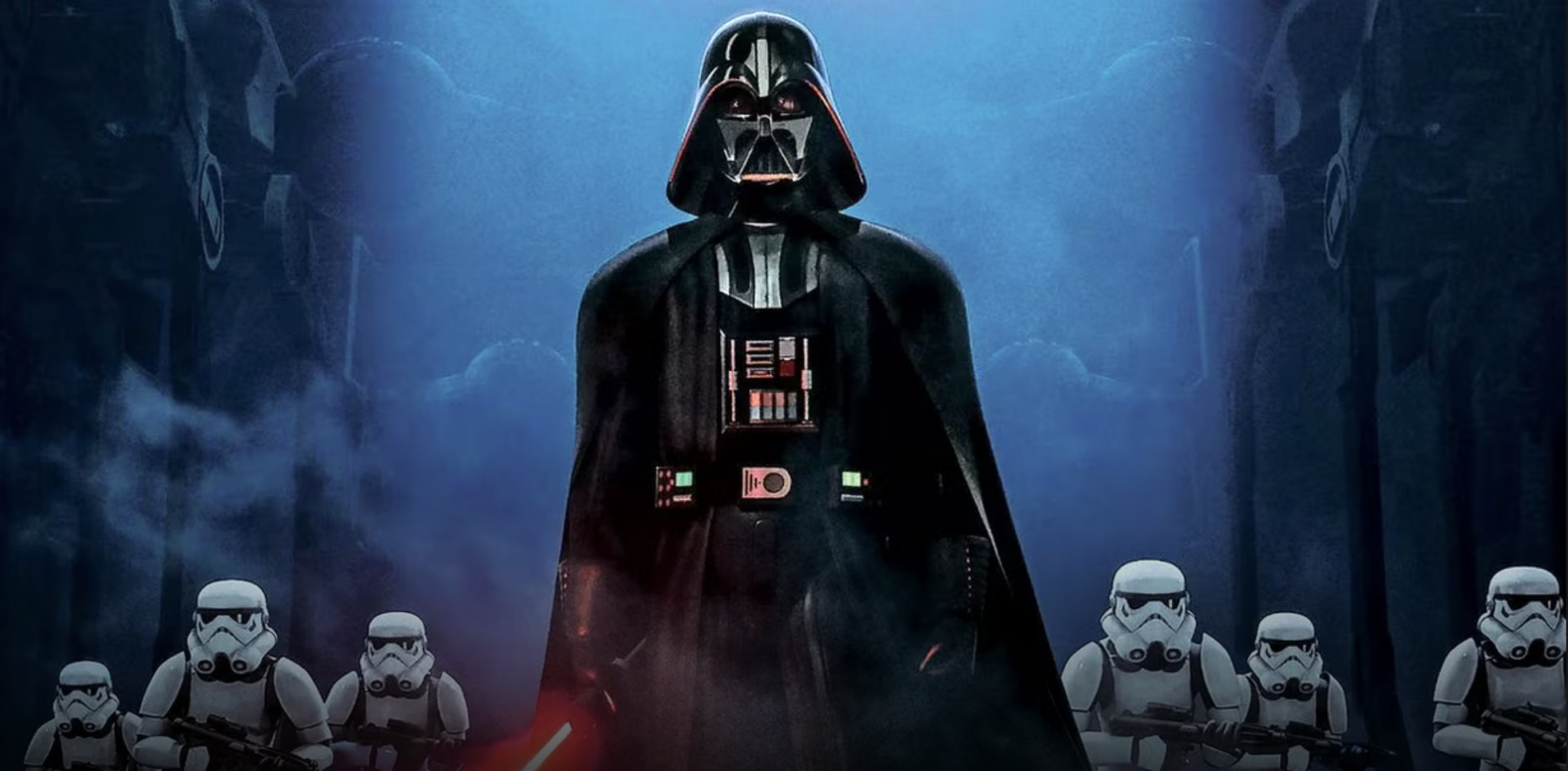
Darth Vader is the villain we recognize in our own potential for falling astray, a reminder that the line between hero and monster can be perilously thin, often defined by the choices we make in our darkest moments.
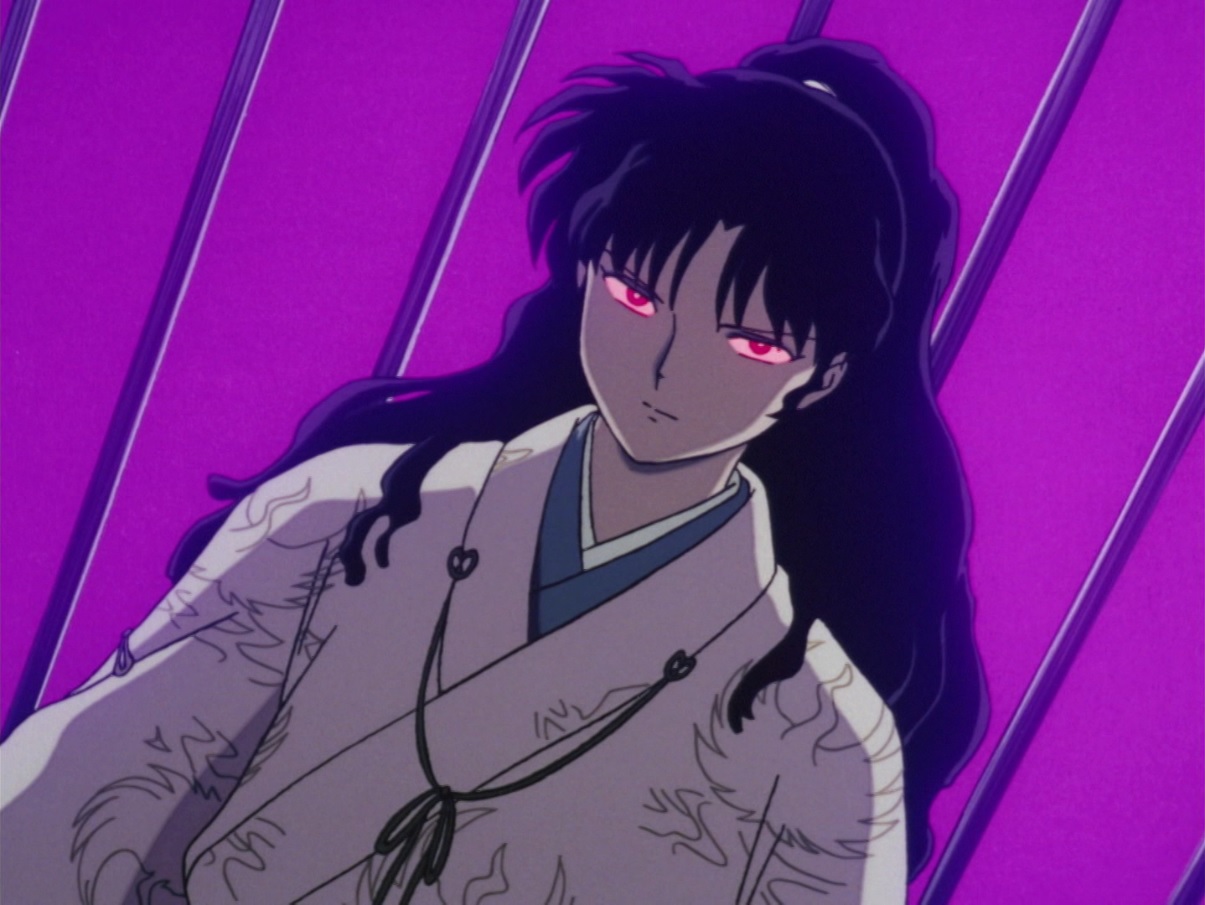
The Ancient Evil: Naraku (InuYasha)
Moving into the realm of anime, we encounter villains like Naraku, whose characteristics represent a unique blend of manipulation, ambition, and existential dread. Naraku is an ancient, shape-shifting demon whose primary goal is not chaos or redemption, but absolute power and self-preservation.
Characteristics:
-
Manipulation from the Shadows: Naraku is a master of manipulation, rarely engaging in direct conflict if he can achieve his goals through deception and treachery. He delights in turning allies against each other and weaving intricate webs of deceit that span decades.
-
The Power of Consumption: Unlike Vader, who uses external power, Naraku grows by absorbing other demons and shards of the powerful Sacred Jewel. He is a literal sponge of negativity, fueled by his endless desire to become stronger, completely separate from human emotions.
-
An Existential Dread: Naraku isn't a tragic figure like Vader; he's more akin to a force of nature—a sentient, evolving disease. His true form is a horrifying amalgamation, reflecting his lack of identity and pure, all-consuming ambition.
-
Emotional Detachment: Unlike the Joker, whose actions are fueled by a twisted form of theatrical emotion, Naraku is largely devoid of human feeling, acting only on his primal drive for power and the destruction of anything that threatens him.
Naraku represents the ancient, impersonal face of evil—a force that cannot be reasoned with, only confronted and destroyed, embodying our primal fear of all-consuming ambition.
The Villain as Hero: Light Yagami (Death Note)
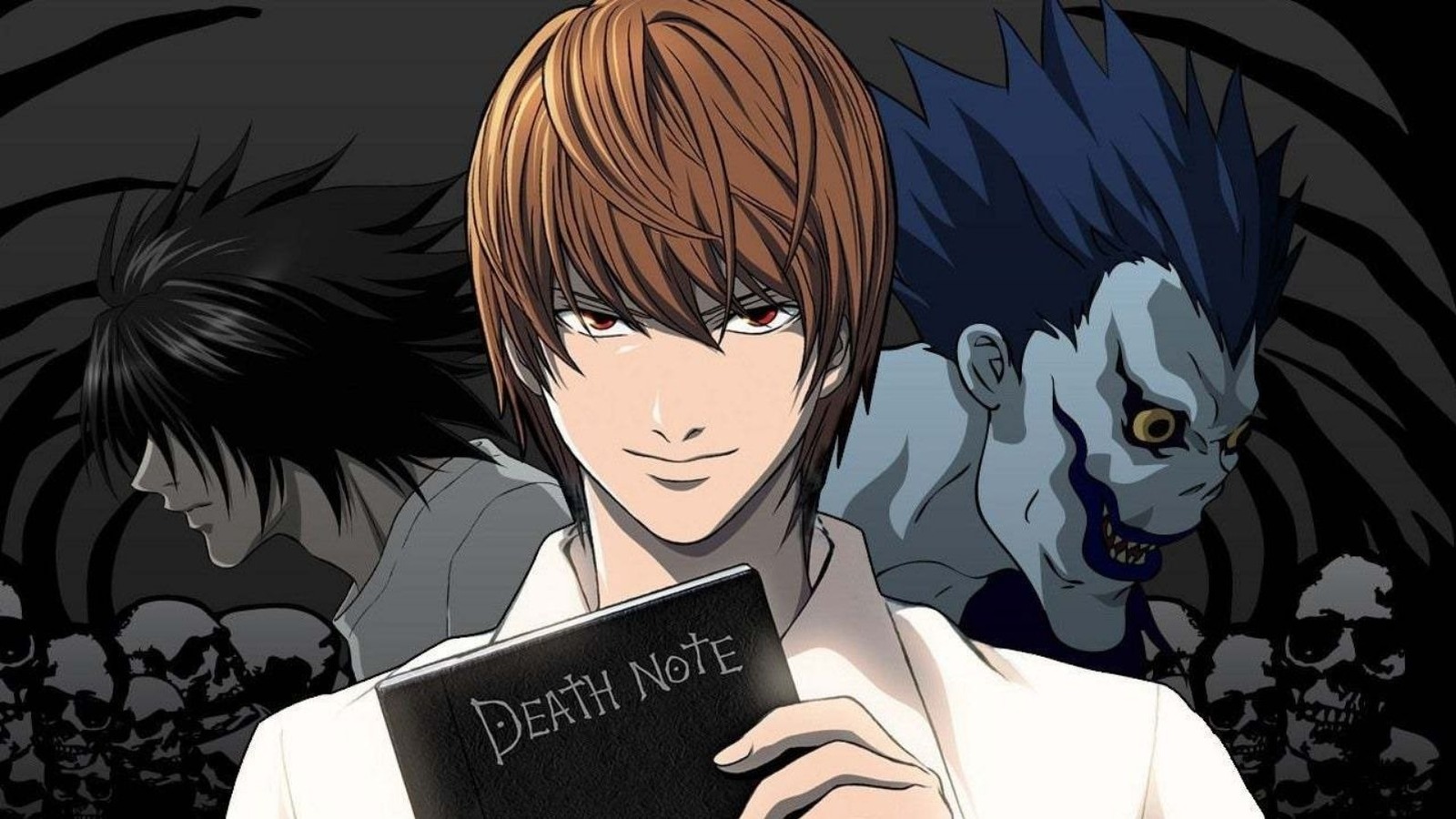
Perhaps the most unique example on our list, Light Yagami, is a character who blurs the very definition of villainy. While undeniably the protagonist of Death Note, his actions are unequivocally those of an antagonist, forcing us to grapple with a question: when do the methods of justice become the crimes of a monster?
Characteristics:
-
A Twisted Sense of Justice: Light's initial motivation seems noble: to rid the world of criminals using the supernatural Death Note. However, his definition of "justice" quickly morphs as his power corrupts him, leading him to target anyone who opposes his twisted vision.
-
The God Complex: As his power grows, so does Light's ego. He begins to see himself as a new "God of the World," the sole arbiter of life and death, justifying any atrocity in the name of his idealized "new world."
-
Intellectual Arrogance: Light's defining characteristic is his brilliance. The core conflict isn't physical, but intellectual, a high-stakes chess match against his rival L. This intelligence, however, becomes his greatest weakness, blinding him to his own hubris and leading to his inevitable downfall.
-
The Corruption of Idealism: Death Note isn't just a story about a powerful notebook; it's a commentary on the corrosive nature of unchecked power and the danger of absolute idealism. We watch Light, a brilliant and seemingly moral young man, transform into a manipulative, narcissistic killer, demonstrating that even the best intentions can pave the road to hell.
Light Yagami forces us to ask tough questions about the nature of justice and the ethics of power. He is the villain we might see in ourselves if we truly believed we had the power and the right to "fix" the world.
A Spectrum of Antagonism
From the theatrical chaos of the Joker to the tragic redemption arc of Darth Vader, the manipulative ancient evil of Naraku, and the corrupted idealism of Light Yagami, these villains exemplify the vast and diverse landscape of antagonism.
-
The Joker is the pure chaos we fear.
-
Darth Vader is the tragic figure we pity and understand.
-
Naraku is the ancient, powerful evil that simply exists to consume.
-
Light Yagami is the mirror reflecting the corruption within "good" intentions.
What unites them, however, is their ability to compel us. They aren't just obstacles for the hero to overcome; they are essential, often fascinating components of the story. They challenge our moral compass, force us to confront our fears, and ultimately, remind us that the struggle against evil, in all its various forms, is what makes the hero's journey worthwhile. After all, what is a hero without an antagonist worthy of their strength, their intelligence, and their ultimate triumph?